Ah, the hallowed shelves of the video rental store in the late 90s. Sometimes, amidst the expected blockbusters, you’d stumble upon a familiar title with a twist – a sequel you didn't even know existed, arriving straight to VHS. Such was the case for many of us with Honey, We Shrunk Ourselves (1997), the third, and decidedly more contained, adventure in the Szalinski family saga. It wasn't playing at the multiplex; instead, it materialized magically in that plastic clamshell case, promising another dose of miniature mayhem, this time flipping the script entirely.
Back to the Attic, But Not the Big Screen
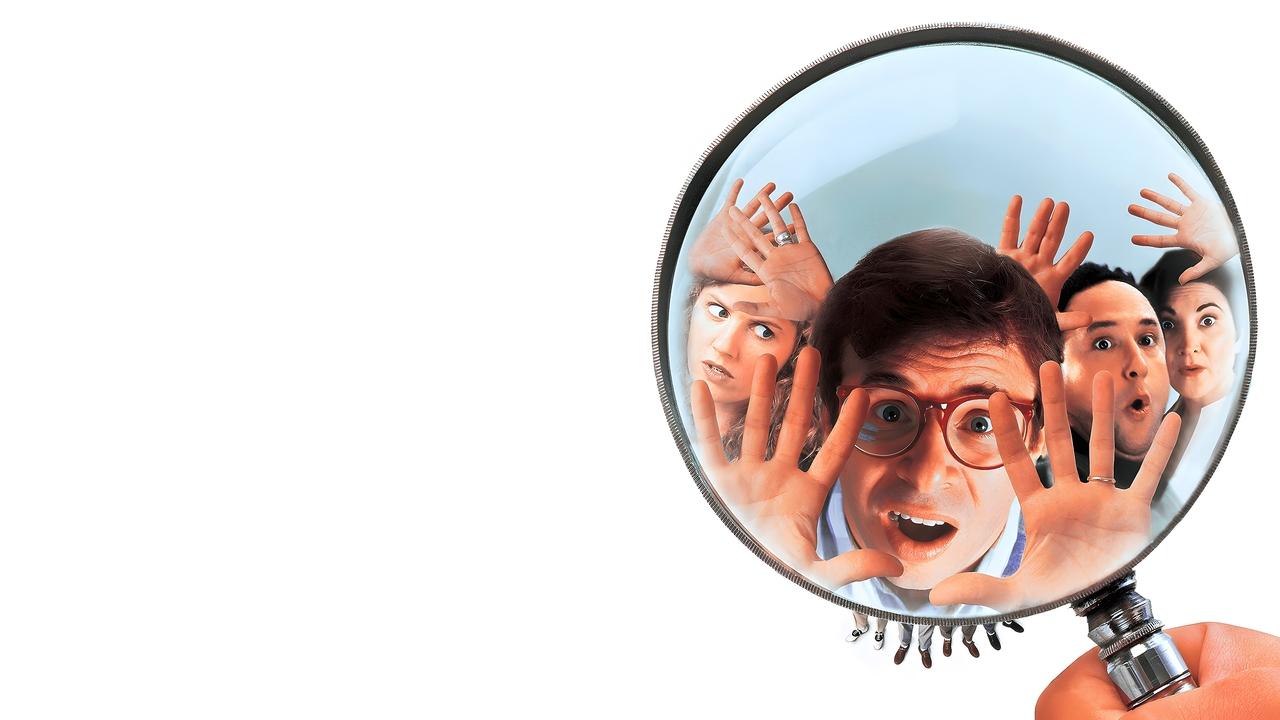
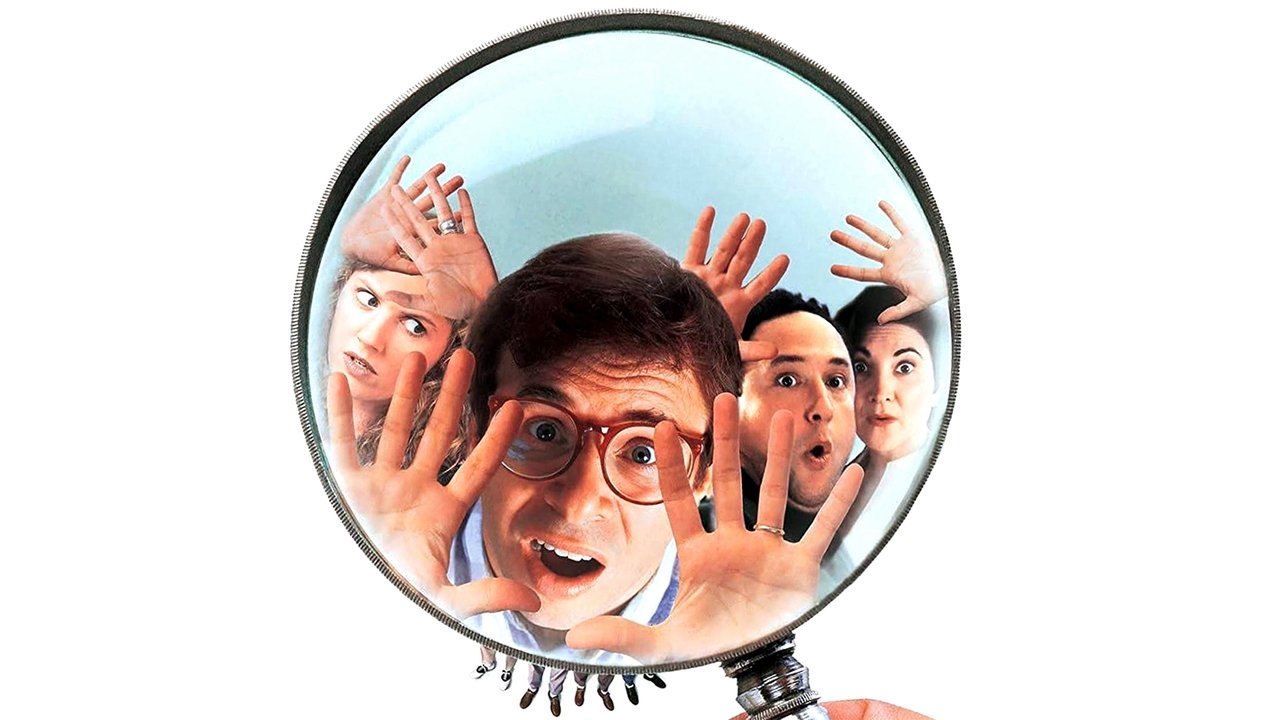
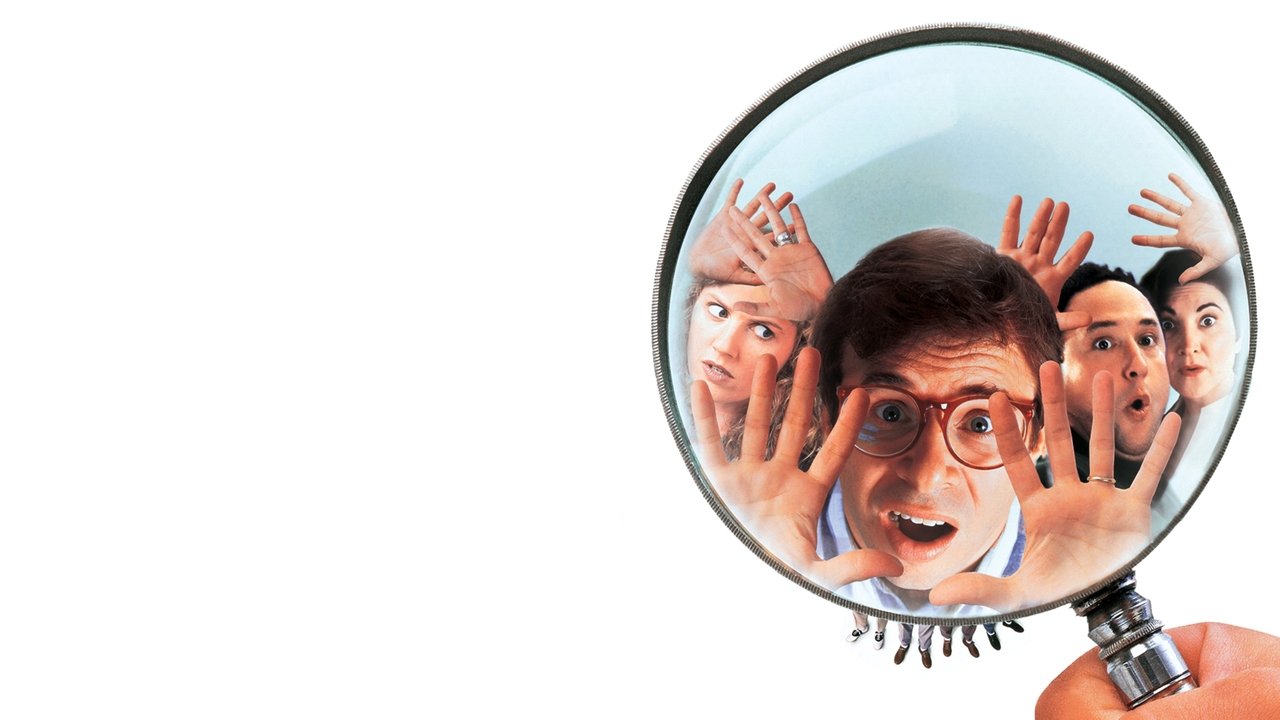
Let's be honest, after the oversized antics of Honey, I Blew Up the Kid (1992), where else could the series go? Shrinking the parents felt like a perfectly logical, if budget-conscious, next step. This installment marked a significant shift, being Disney's first live-action direct-to-video sequel. While that might sound like a demotion, it also brought the Szalinski chaos right into our living rooms, bypassing the wait for a theatrical run. The familiar shrinking machine is back, of course, looking as temperamental as ever in Wayne Szalinski's cluttered attic laboratory. This time, Wayne (Rick Moranis, making a welcome, albeit final, appearance in the franchise) and his brother Gordon (Stuart Pankin) accidentally zap themselves, along with their respective wives Diane (now played by Eve Gordon, stepping in for Marcia Strassman) and Patty (Robin Bartlett), during a misguided attempt to hide the Tiki Man statue Wayne was supposed to get rid of.
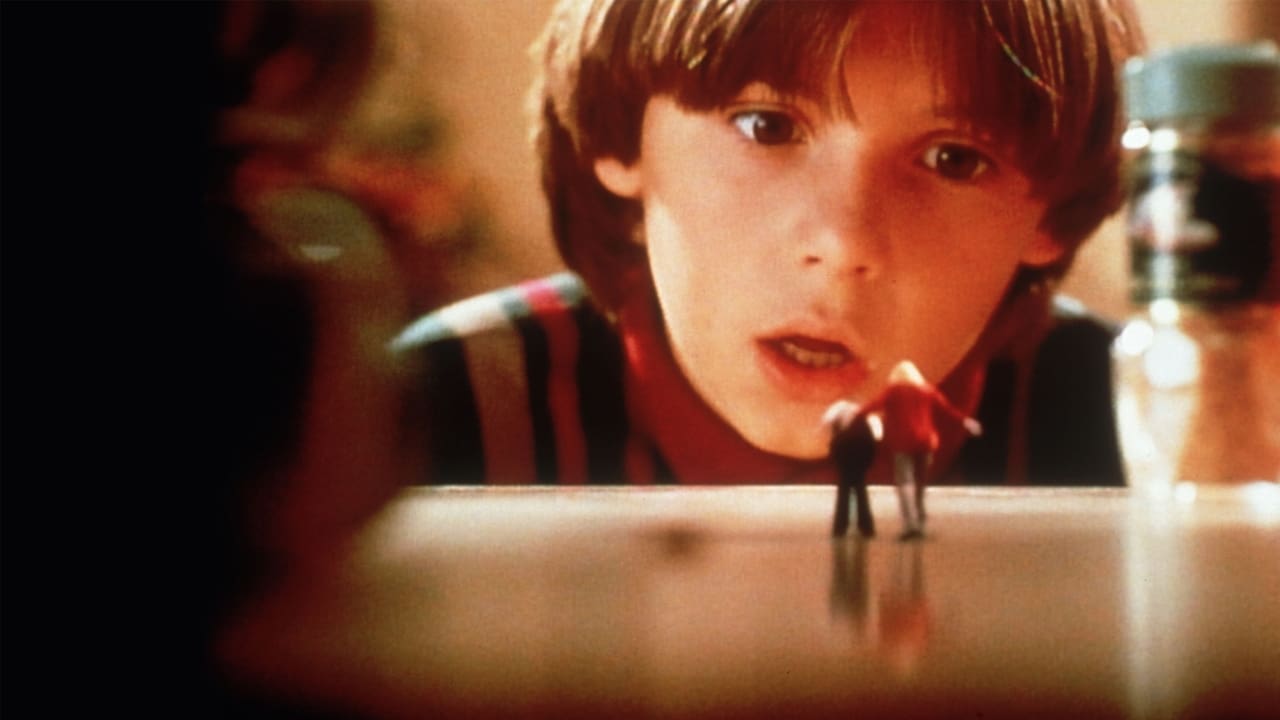
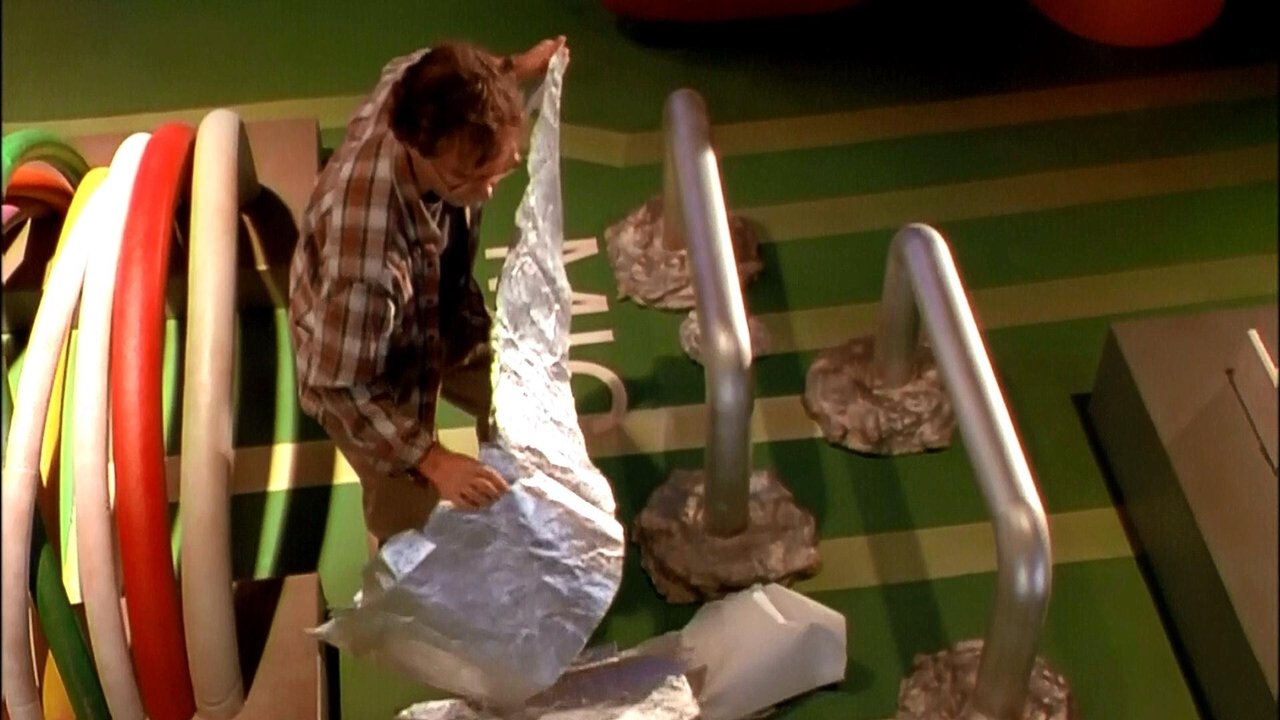
The real fun begins when the kids – Adam (Bug Hall, fresh off playing Alfalfa in The Little Rascals), Jenny (Allison Mack), and Mitch (Jake Richardson) – believe they have the house to themselves for a parent-free evening. Little do they know their folks are navigating a perilous landscape of shag carpeting, navigating treacherous drops from coffee tables, and battling insects that now resemble something out of a Ray Harryhausen flick. It's a classic role reversal that provides the film's main comedic engine.
Cundey Takes the Helm
What makes Honey, We Shrunk Ourselves particularly fascinating from a behind-the-scenes perspective is its director: Dean Cundey. This wasn't some unknown journeyman; this was the legendary cinematographer who shot Halloween (1978), Escape from New York (1981), the Back to the Future trilogy, Who Framed Roger Rabbit (1988), and Jurassic Park (1993)! Talk about cinematic pedigree. For his directorial debut, Cundey stepped into a project with obvious budgetary constraints compared to its predecessors. Yet, you can see his experienced eye at work. He understands how to frame shots to maximize the sense of scale, making a discarded potato chip look like a monolith or a rogue cockroach (handled with surprising effectiveness through puppetry and forced perspective) feel like a genuine threat. While the effects might not have the same groundbreaking polish as the 1989 original, they possess a certain tactile charm inherent to late-90s practical work, supplemented by early CGI that, admittedly, shows its age but fits the film's quirky personality.
Retro Fun Facts
- The script has an interesting pedigree itself, co-written by Karey Kirkpatrick (who later penned Chicken Run and Over the Hedge), Nell Scovell (creator of Sabrina the Teenage Witch), and none other than Joel Hodgson, the creative mind behind Mystery Science Theater 3000! That mix perhaps explains some of the film's gentle absurdity.
- While direct-to-video often implies lower quality, Disney reportedly gave Honey, We Shrunk Ourselves a decent budget for the time (estimated around $7 million, though concrete figures are scarce for DTV releases), recognizing the franchise's appeal. It paid off, becoming one of the best-selling live-action DTV releases of the year.
- Rick Moranis was reportedly winding down his on-screen acting career around this time to focus on his family, making this one of his last major film roles before a long hiatus. His familiar blend of nerdy enthusiasm and parental panic is the anchor that keeps the film grounded in the Szalinski spirit.
Charm Over Spectacle
Does Honey, We Shrunk Ourselves reach the heights of the original Honey, I Shrunk the Kids? No, it doesn't quite capture that same sense of wide-eyed wonder and suburban adventure. The scope is smaller, the stakes feel a little lower, and the absence of Marcia Strassman is definitely felt, though Eve Gordon does a capable job. However, viewing it through the lens of late-90s home video, it succeeds on its own terms. It’s a cozy, comfortable return to a beloved concept. Seeing the parents navigate challenges like riding in a Hot Wheels car or getting trapped inside a soap bubble provides plenty of amusing moments. The kids, stepping up to unknowingly rescue their miniaturized parents, carry their side of the story well enough.
It taps into that universal kid fantasy: what would happen if the parents suddenly disappeared (or, in this case, became pocket-sized)? The film plays this out with gentle humor and avoids getting too bogged down in peril. It’s the kind of movie that was perfect for a rainy Saturday afternoon rental, maybe enjoyed with a bowl of popcorn on the living room floor, feet propped up near the trusty VCR.
VHS Heaven Rating: 6/10
Honey, We Shrunk Ourselves might not be the crown jewel of the Szalinski saga, lacking the cinematic scale and groundbreaking effects of the original. However, its direct-to-video status shouldn't equate to dismissal. It's anchored by a charming final franchise performance from Rick Moranis, boasts the surprising directorial debut of cinematography legend Dean Cundey, and offers a fun role-reversal premise that provides solid family entertainment. The practical effects have that distinct late-90s flavor, and the overall vibe is one of comfortable nostalgia. It’s a fun, if slightly faded, echo of its predecessors – a perfectly pleasant B-side to the main hits, easily enjoyed for its familiar warmth and miniature amusement.
It might not have shrunk the box office competition, but it certainly found a cozy spot on our VHS shelves, a testament to the enduring appeal of a little accidental science gone wrong.