Okay, fellow time-travelers of the tape deck, settle in. Tonight, we're not popping in a well-worn action flick or a neon-drenched sci-fi epic. Instead, let's rewind to a different kind of spectacle, one that brought one of the world's biggest stage phenomena directly into our living rooms: the 1998 filmed version of Andrew Lloyd Webber's Cats. For many of us who lived far from the glittering lights of Broadway or the West End, this VHS tape (or perhaps a cherished television broadcast) wasn't just a movie night; it was the ticket to the Jellicle Ball.
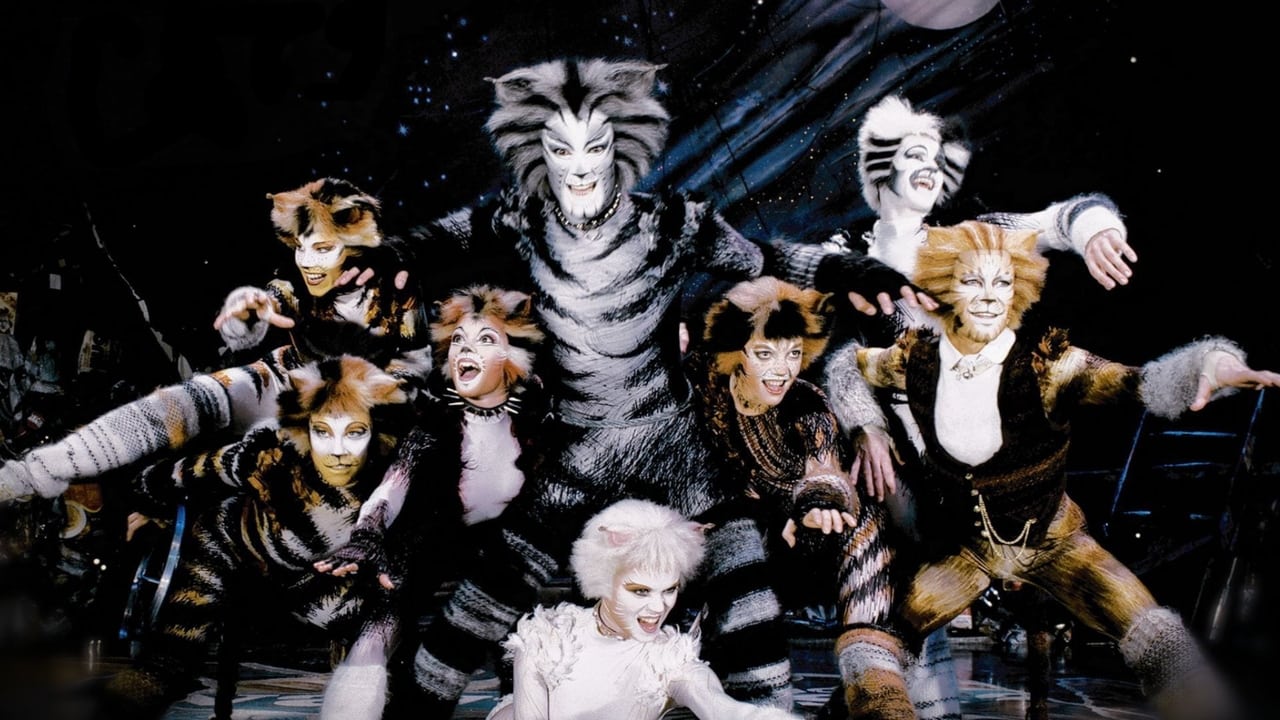
This wasn't a cinematic adaptation in the traditional sense, but rather a meticulously captured performance, preserving the magic (and yes, the delightful oddity) of the original stage production for posterity. Released directly to video, it felt less like going to the movies and more like the mountain coming to Muhammad – the theatrical event of a generation, suddenly accessible next to your copy of Speed at the local Blockbuster.
### Jellicles Can, Jellicles Do... On Your TV Screen
Directed by David Mallet, a maestro known more for iconic music videos (think Queen's "Radio Ga Ga" or David Bowie's "Ashes to Ashes") than traditional narrative film, this Cats aimed to translate the energy of live theatre onto the small screen. Filmed over just 18 days at London's Adelphi Theatre, one of the show's long-time homes, the production used multiple cameras, close-ups, and dynamic editing to give viewers a perspective impossible from even the best seat in the house. While some of the intimacy of the stage might be lost, the trade-off was getting up close and personal with those intricate costumes and that famously demanding choreography by Gillian Lynne.
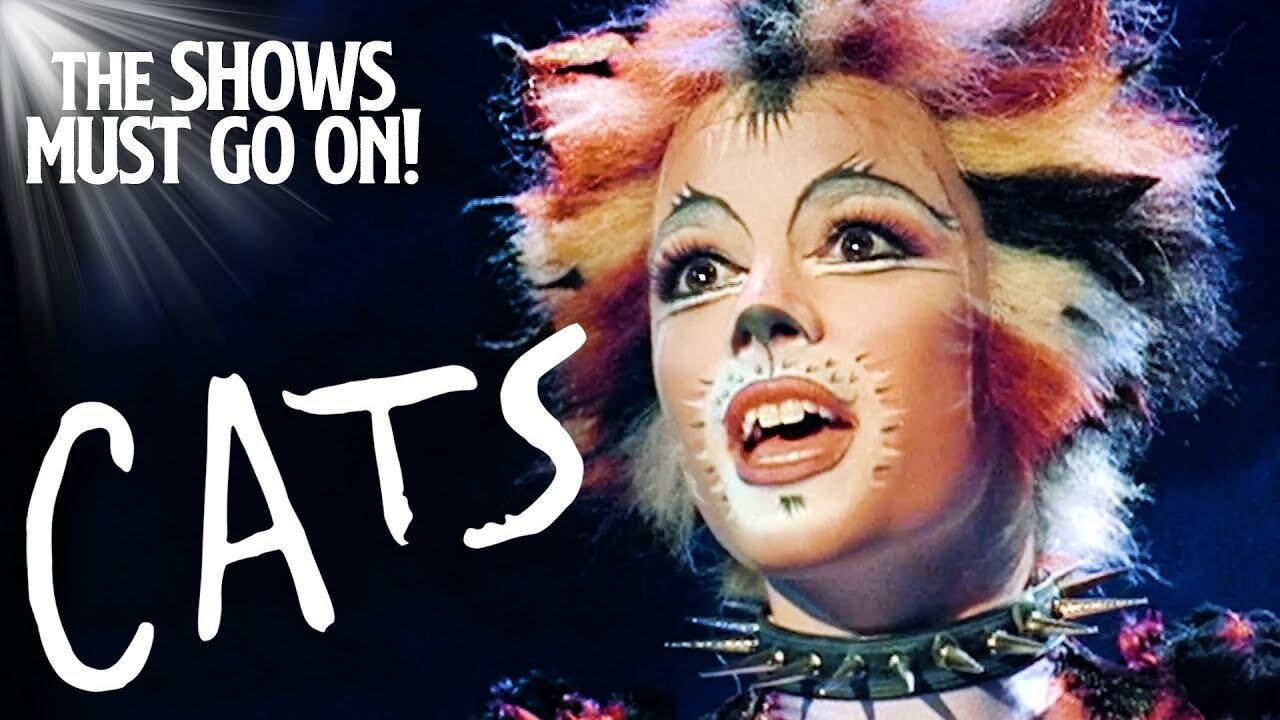
The plot, drawn from T.S. Eliot's whimsical poetry collection Old Possum's Book of Practical Cats, remains delightfully simple: a tribe of cats gathers for their annual Jellicle Ball, where their wise leader, Old Deuteronomy (Ken Page, reprising his Broadway role with magnificent presence), will choose one cat to ascend to the Heaviside Layer and be reborn. What follows is less a story and more a series of dazzling character introductions through song and dance – Rum Tum Tugger, the rockstar tom; Mungojerrie and Rumpleteazer, the mischievous duo; Skimbleshanks, the railway cat; and so many more, each vying for that celestial journey.
### The Music of the Night... and Dayglow Leg Warmers
Of course, the star is Andrew Lloyd Webber's score. Even divorced from the stage, tracks like the energetic opening "Jellicle Songs for Jellicle Cats," the magical "Mr. Mistoffelees," and the rousing "Skimbleshanks: The Railway Cat" retain their infectious charm. The music for this filmed version wasn't just a recording of the stage show; it was specifically captured using a handpicked 70-piece orchestra, giving the score a richness and depth perfect for home viewing. You could really feel the timpani during the dramatic moments on your trusty old CRT TV setup.

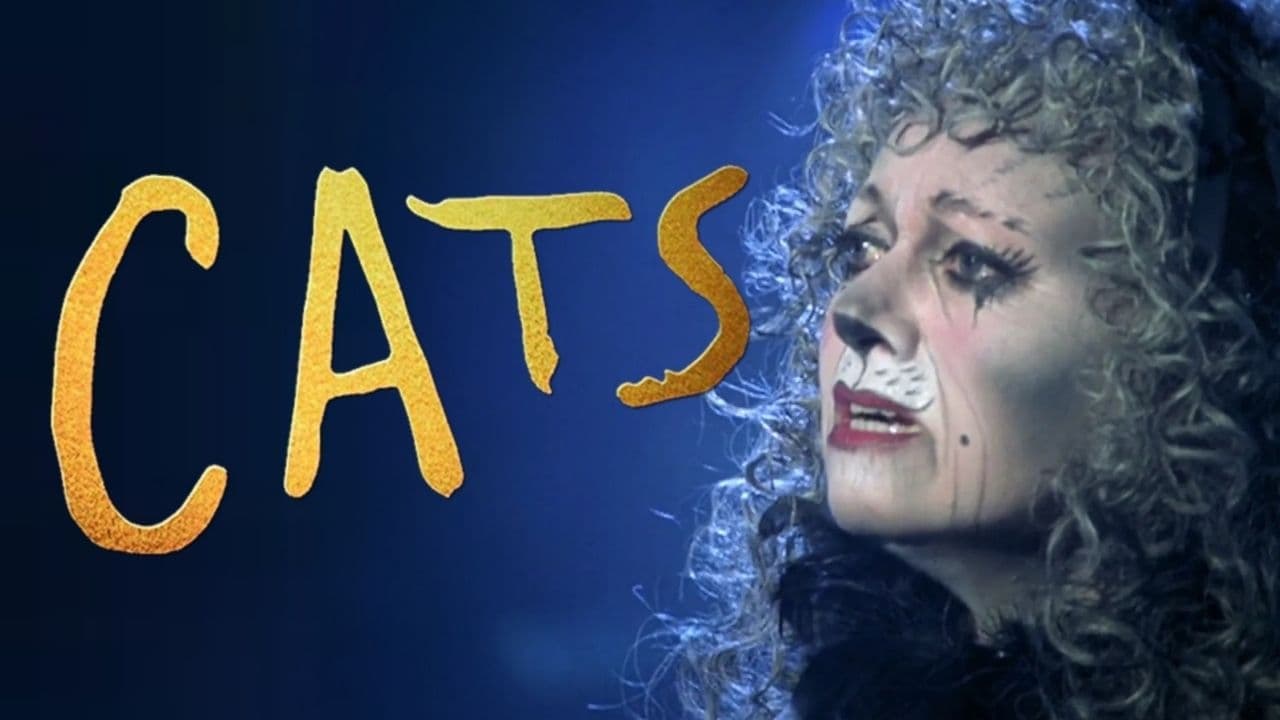
And then there's the song. "Memory," the haunting ballad of the outcast Grizabella, is the show's emotional core. Here, it's delivered by the legendary Elaine Paige, who originated the role in the London production back in 1981. Seeing her reprise the role, bringing decades of history and weight to the performance, felt momentous. Even through the flickering static of a well-loved tape, Paige's rendition was – and remains – utterly captivating. It’s a performance that transcends the medium. Another casting coup was securing the beloved film veteran Sir John Mills as Gus the Theatre Cat, lending a poignant gravitas to the nostalgic number about acting's faded glory. His frail, heartfelt performance is genuinely touching.
### Retro Fun Facts: Behind the Whiskers
Pulling this off wasn't simple. Mallet employed techniques honed in music videos – quick cuts, sweeping camera movements, and dramatic lighting – to keep the energy high. One fascinating tidbit is how they managed the scale; the oversized junkyard set, designed by John Napier, looks even more fantastical on screen, making the actors truly seem cat-sized. Getting the complex makeup and lycra costumes, designed to suggest feline forms without being literal, to read well on camera required careful lighting and attention to detail. This VHS release was a huge gamble for PolyGram Video, but it paid off handsomely, becoming a massive seller worldwide and proving there was a significant home audience for high-quality recordings of stage musicals. It reportedly sold millions of copies, a staggering success for a direct-to-video title based on theatre.
### The Everlasting Cat?
Watching Cats (1998) today is a fascinating time capsule. It preserves the original vision of the show, warts and all, before any subsequent reinterpretations (ahem). Yes, the 80s aesthetic – the synth sounds woven into the orchestration, the leg warmers, the sheer unabashed theatricality – is strong. But there’s an earnestness and commitment from the entire cast that shines through. It captures a specific moment in musical theatre history, a global phenomenon presented with surprising intimacy. For many, this was Cats. It wasn't just a recording; it was the definitive version experienced by millions, shaping their perception of the show far more than a fleeting theatre visit might have. It demonstrated the power of home video to democratize access to the arts, bringing Broadway and the West End magic right onto our shelves.
Rating: 8/10
This score reflects the sheer quality and importance of this filmed production for its time and purpose. It's a remarkably successful translation of an iconic stage show, boasting stellar performances (especially from Paige and Page) and preserving the original's unique atmosphere. While it might not convert Cats skeptics, for fans of the musical or those nostalgic for that specific era of bringing theatre home, it’s an essential piece of VHS history. It might lack the visceral thrill of live performance, but it offers unparalleled access and a front-row seat to the Jellicle Ball, anytime you feel like revisiting.
So, dust off that memory (pun intended) and maybe give this version another look. It’s a purr-fectly preserved piece of 90s theatrical history, captured forever on tape.