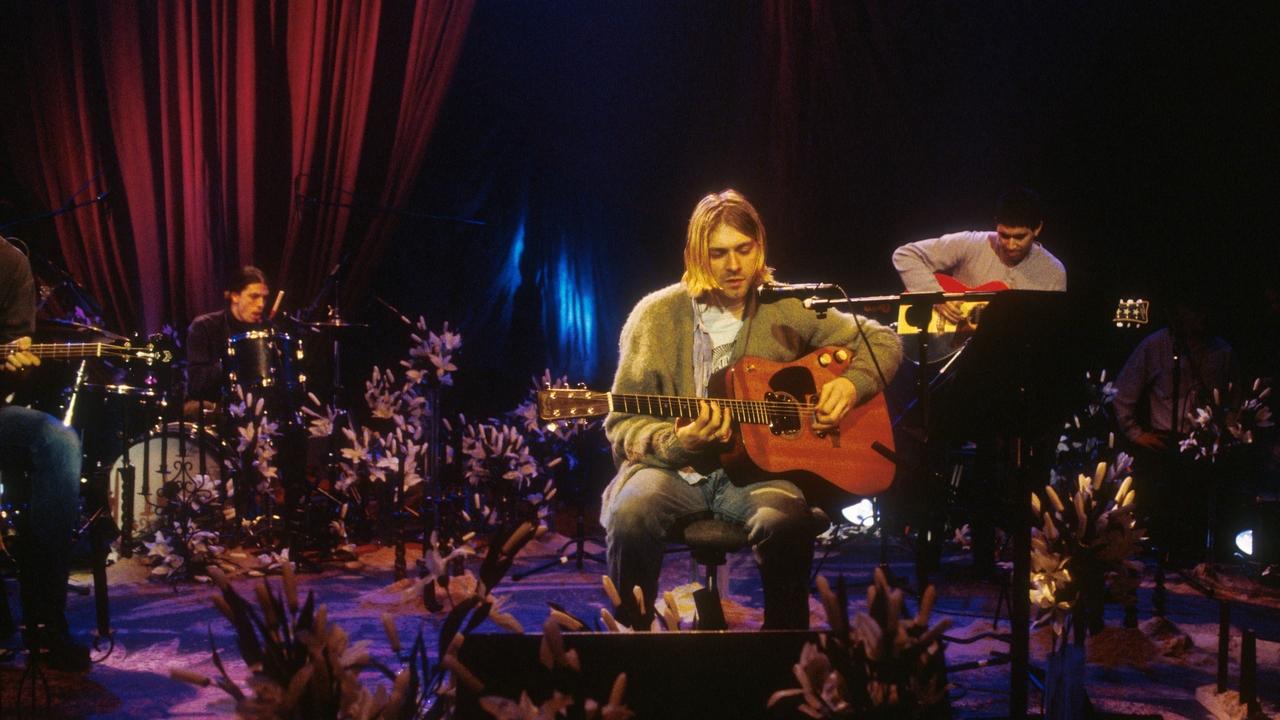
There’s an image from Nirvana’s 1993 MTV Unplugged performance that lodges itself deep in the memory: the stage, bathed in a somber, almost funereal glow, adorned with stargazer lilies and black candles. It feels less like a typical rock show set and more like a wake. Watching it unfold, even back then on a fuzzy CRT screen via a well-worn VHS tape, felt like witnessing something intensely personal, almost uncomfortably intimate. It wasn't just an acoustic set; it felt like peering directly into the soul of a band, and particularly its frontman, at a moment of profound vulnerability.
Stripping Down, Laying Bare
The premise of MTV Unplugged was simple: bands trading electric bombast for acoustic honesty. Yet, few sessions captured the transformative potential of this format quite like Nirvana's. This wasn't the sound that had stormed the charts with Nevermind (1991). The roaring guitars and pounding drums were replaced by intricate acoustic textures, Dave Grohl's surprisingly nuanced brushwork, Krist Novoselic's anchoring basslines (and occasional accordion), the welcome addition of Pat Smear on guitar, and the mournful counterpoint of Lori Goldston's cello. The effect was startling. Songs like "About A Girl" felt rediscovered, their melodic core shining through, while heavier tracks like "Pennyroyal Tea" gained a different, perhaps even heavier, weight in their stripped-down form.
What truly set this performance apart, however, was the setlist. Famously, the band resisted pressure from MTV executives to play their biggest hits, most notably leaving out "Smells Like Teen Spirit." Instead, Kurt Cobain curated a set heavy on lesser-known originals and, significantly, covers. These weren't just throwaway choices; they felt like deeply personal selections. His renditions of songs by The Vaselines ("Jesus Doesn't Want Me for a Sunbeam"), David Bowie ("The Man Who Sold the World"), and especially the three Meat Puppets tracks (performed with Cris and Curt Kirkwood themselves) felt less like covers and more like absorptions, channeled through Cobain’s own distinct lens of weariness and melodic sensibility.
A Performance Suspended in Time
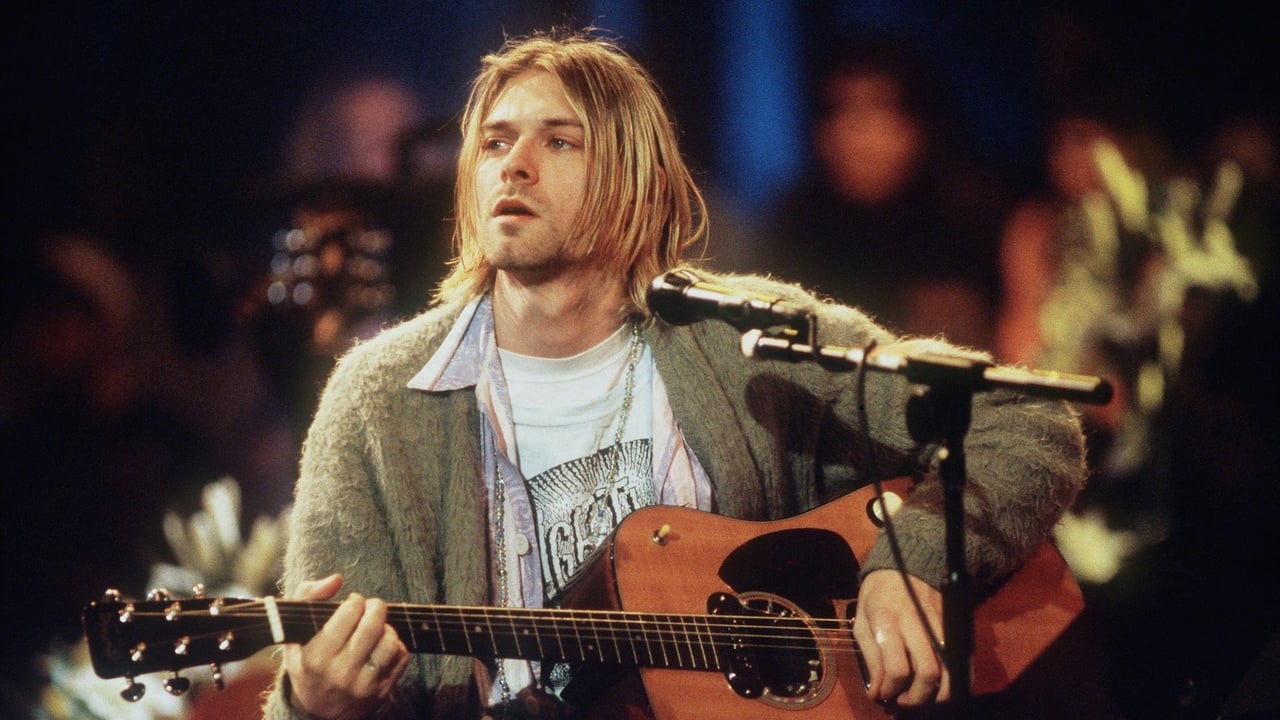
At the center of it all, of course, was Kurt Cobain. Hunched over his acoustic guitar, clad in that now-iconic fuzzy green cardigan, his performance is mesmerizing, albeit unsettling. There's a palpable fragility, a sense of unease that flickers beneath the surface. His voice, often strained and raw even in its quieter moments, carries an immense emotional weight. When he hits those higher notes, or lets out a near-whispered sigh between lines, it feels utterly exposed. Watching Grohl watch Cobain during certain songs, you sense the band dynamics, the support, perhaps even the concern. It’s a performance etched not just in vinyl grooves or magnetic tape, but in the very fabric of late 20th-century music history.
Echoes from Behind the Stage
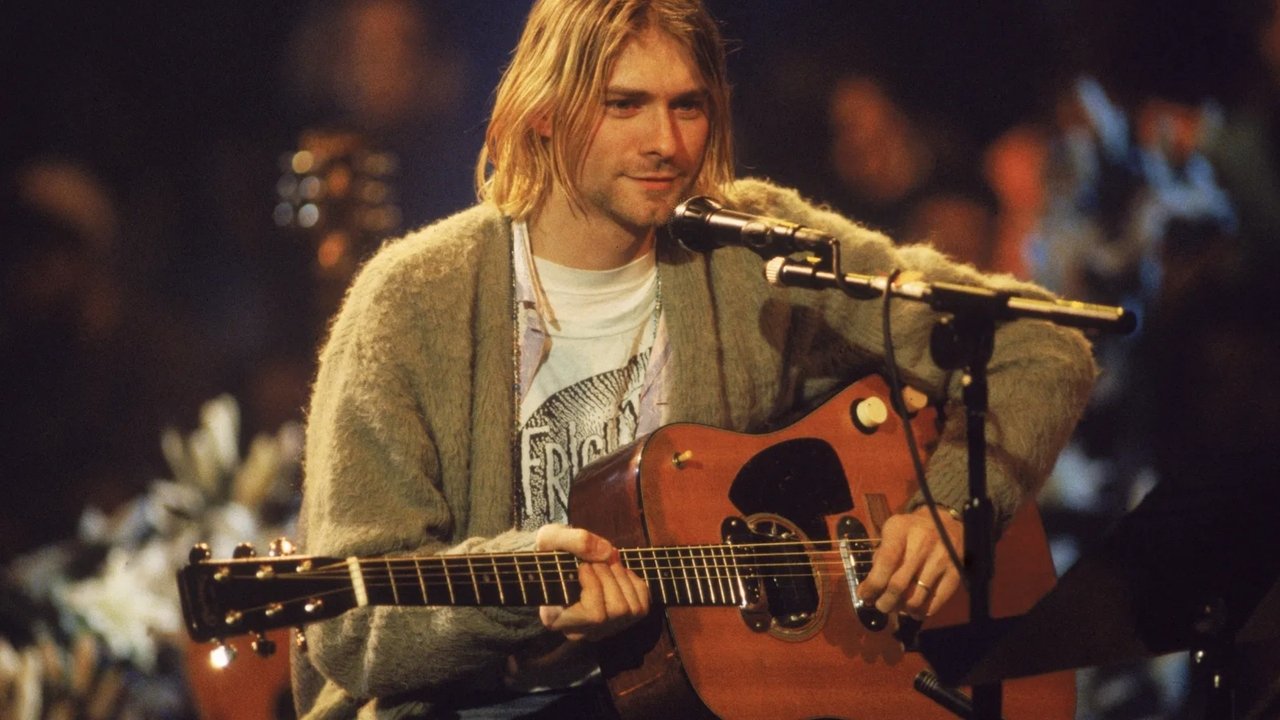
The stories surrounding the recording have become legendary, adding layers to the viewing experience. Director Beth McCarthy-Miller, who would go on to direct countless live TV events including many Saturday Night Live episodes, captured the intimacy beautifully, but getting there wasn't smooth. Cobain’s insistence on the funereal stage dressing reportedly unnerved producers ("You mean like a funeral?" one apparently asked, to which Cobain replied, "Exactly. Like a funeral."). His visible nervousness, requests for the monitors to be just right, and the quiet intensity of the single-take recording session (rare for Unplugged) all contribute to the feeling of witnessing something authentic and unpolished. The band even performed Lead Belly's "Where Did You Sleep Last Night," a haunting choice Cobain had to be persuaded wasn't too dark, delivering a final, searing vocal performance that ends with a long, chilling stare. Little did anyone know this set, recorded in November 1993, would become one of his last recorded performances before his tragic death less than six months later. That cardigan? It sold at auction years later for a staggering $334,000, a testament to the enduring power of this specific moment.
More Than Music: A Haunting Legacy
Viewed now, through the inescapable lens of history, Nirvana: Unplugged In New York takes on an almost unbearable poignancy. What felt raw and vulnerable then now feels freighted with foreshadowing. Was Cobain consciously crafting a final statement, a musical last will and testament? Or was he simply an artist grappling with immense pressure and personal demons, finding solace in the quiet intensity of these particular songs? The performance forces us to confront these questions, blurring the line between artistic expression and personal anguish. The choice of "The Man Who Sold the World," a song about fragmented identity and lost control, feels particularly resonant. The final, desperate plea in "Where Did You Sleep Last Night" lingers long after the screen fades to black. It transcends being just a concert film; it’s a document of fragility, pain, and fleeting beauty.
Rating: 10/10
This isn't just a concert recording; it's a cultural artifact, a lightning-in-a-bottle moment captured with unnerving clarity. The performances are raw and transcendent, the song choices inspired, and the atmosphere thick with an emotion that time has only amplified. It avoids the pitfalls of manufactured sentimentality, offering instead a bracingly honest portrait of artists laying themselves bare. Its power hasn't diminished one bit since those first VHS viewings; if anything, its significance has deepened.
Nirvana: Unplugged In New York remains one of the most powerful live recordings ever committed to tape, a haunting epitaph delivered unknowingly, leaving behind a silence that still echoes.