"Want to see something really scary?" The question hangs in the damp night air, delivered with a grin that doesn't quite reach the eyes. That prologue, with Dan Aykroyd behind the wheel and Albert Brooks riding shotgun, perfectly encapsulates the promise and the inherent unease of Twilight Zone: The Movie (1983). It was an audacious project: four high-profile directors – John Landis, Steven Spielberg, Joe Dante, and George Miller – taking Rod Serling's iconic television masterpiece to the big screen. We eagerly slid that chunky cassette into the VCR, the New World Pictures logo flickering to life, anticipating a journey into the eerie borderlands of imagination. What unfolded was something far more complex: a film forever haunted, uneven, yet undeniably powerful in flashes.

The Unshakeable Shadow
It’s impossible to discuss this film without acknowledging the horrific tragedy that occurred during the filming of John Landis's segment, "Time Out." The deaths of veteran actor Vic Morrow and child actors Myca Dinh Le and Renee Shin-Chen during a helicopter stunt gone catastrophically wrong cast a permanent pall over the production. Landis, known for comedies like Animal House (1978) and Trading Places (1983) released the same year, aimed for a gritty morality tale about prejudice, but the real-world horror eclipsed anything depicted on screen. The incident led to lengthy legal battles and significant changes in film set safety regulations, particularly concerning stunts and child actors. Watching the segment today feels deeply uncomfortable; Morrow's final performance is imbued with an unintended, tragic weight. What remains on screen feels fragmented, a shadow of its original intent, forever defined by the darkness behind the camera rather than the story it tried to tell.
A Spoonful of Sugar?
Transitioning from the grim reality of the first segment, Steven Spielberg's "Kick the Can" offers a jarring tonal shift. Penned by Melissa Mathison (who scripted Spielberg’s E.T. the Extra-Terrestrial the year prior), this segment dives headfirst into schmaltz. Set in a retirement home where the elderly magically rediscover their youth, it feels less like a Twilight Zone episode and more like a lost scene from Cocoon (which wouldn't arrive until 1985). While featuring a warm performance from the legendary Scatman Crothers (instantly familiar to horror fans from Stanley Kubrick's The Shining (1980)), the segment lacks the signature twist or underlying dread that defined Serling's work. It’s technically polished, bathed in Spielberg’s characteristic warm glow, but feels saccharine and strangely out of place, a dose of forced sentimentality in an otherwise unsettling landscape. Did Spielberg, perhaps sensing the darkness elsewhere in the production, intentionally steer towards the light? It’s a well-meaning detour, but one that dilutes the film's overall impact.
Welcome to the Funhouse
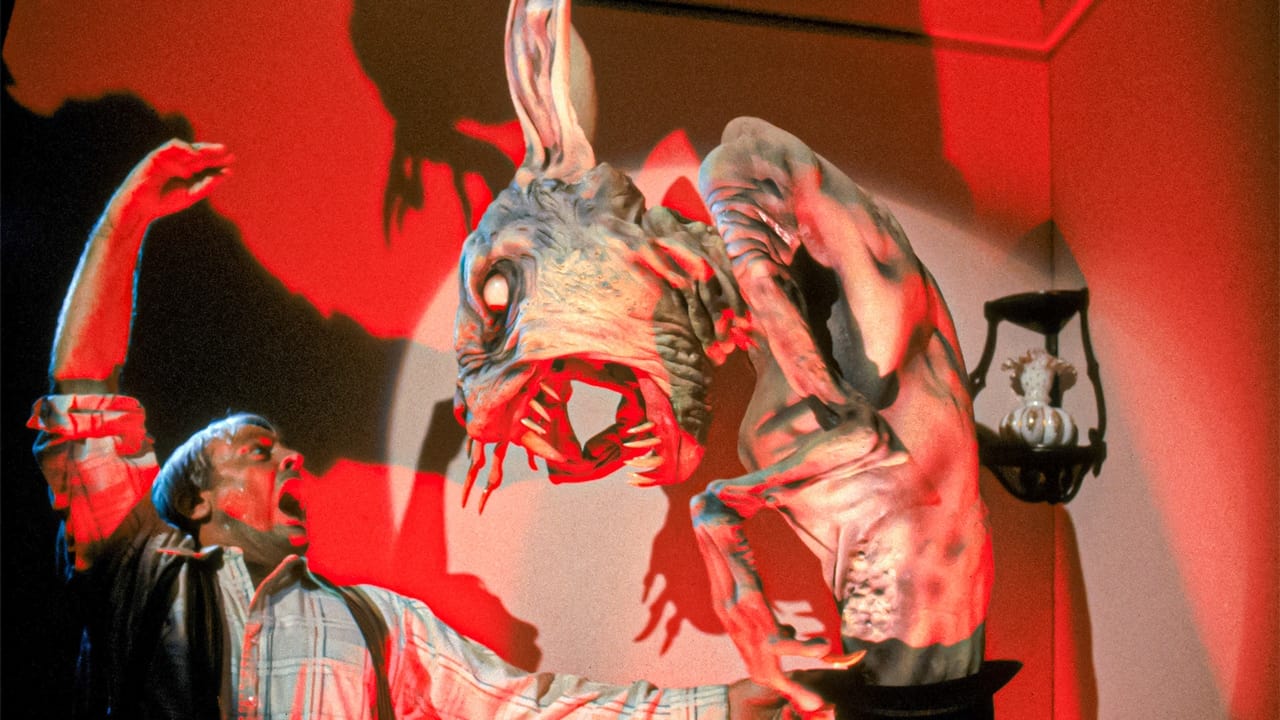
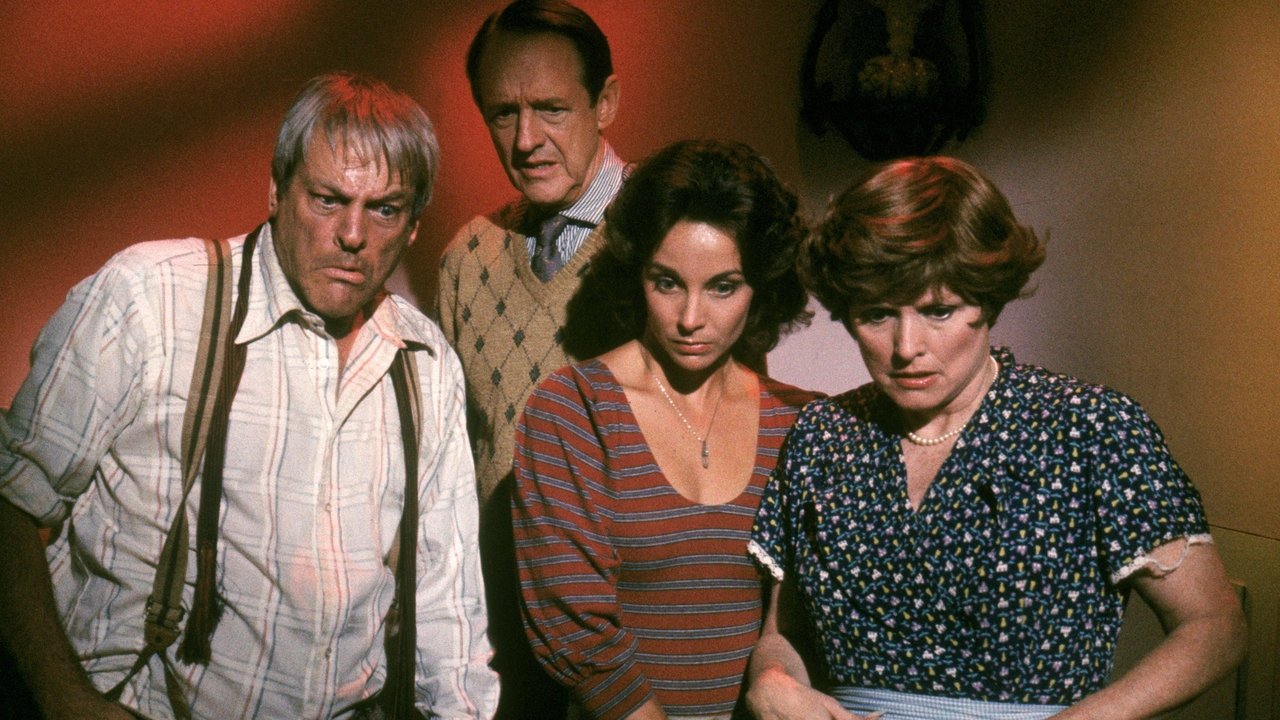
Thank goodness for Joe Dante. His segment, "It's a Good Life," adapts the famous Jerome Bixby story (previously a chilling 1961 TV episode) into a riot of Looney Tunes-inspired Gilliamesque surrealism and body horror. Dante, who would perfect his blend of horror and comedy with Gremlins (1984) the following year, lets loose here. A kindly teacher (played by Kathleen Quinlan) finds herself trapped in the home of Anthony, a seemingly sweet boy with godlike powers who holds his terrified "family" captive. The production design is nightmarishly vibrant, and the practical effects, masterminded by Rob Bottin (whose groundbreaking work on John Carpenter's The Thing (1982) was still fresh in audience minds), are brilliantly grotesque. Remember the sister with no mouth? Or the uncle pulling a monstrous rabbit from a hat? Dante even sneaks in familiar faces like Kevin McCarthy (star of the original Invasion of the Body Snatchers (1956)) and Dick Miller. It’s darkly funny, genuinely bizarre, and captures the unsettling feeling of childlike logic twisted into monstrous reality – pure Dante, and a much-needed jolt of creative energy. The blend of cartoon physics and tangible horror still feels unnerving today.

Nightmare Reimagined
The film saves its most potent jolt for last. George Miller, riding high on the adrenaline-fueled success of Mad Max 2: The Road Warrior (1981), tackles Richard Matheson's classic "Nightmare at 20,000 Feet." Matheson himself adapted his original short story and 1963 TV episode script (the one starring a young William Shatner) for Miller's segment. Here, John Lithgow steps into the role of the terrified airline passenger, John Valentine, convinced he sees a gremlin dismantling the plane's wing during a storm. Miller ratchets up the tension relentlessly, using claustrophobic framing, disorienting sound design, and Lithgow’s spectacularly unhinged performance. Lithgow, who apparently did some of the dangerous stunt work involving hanging outside the plane mock-up himself, sells the character's spiraling paranoia with terrifying conviction. The creature design is simple but effective – a slimy, impish demon that feels disturbingly real in the flashes of lightning. Doesn't that gremlin design still feel unnerving? This segment is a masterclass in suspense, a lean, mean, nerve-shredding piece of horror filmmaking that stands as the undisputed highlight of the anthology and one of the best short horror pieces of the decade.
Uneven Journey, Lingering Chill
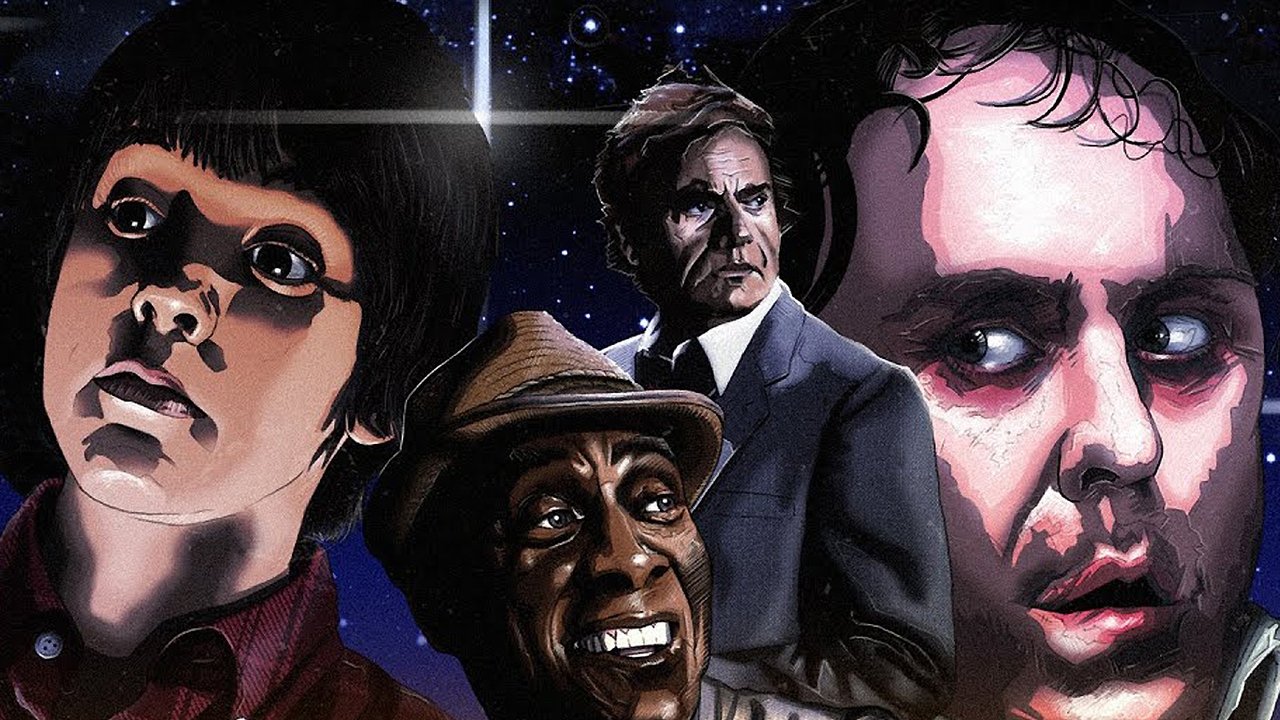
Twilight Zone: The Movie is undeniably a mixed bag. Its $10 million budget yielded a modest $29.5 million at the box office, likely hampered by the controversy surrounding its production. It’s a film forever marked by tragedy, an anthology where the segments range from saccharine misstep to cartoonish nightmare to pulse-pounding terror. The Landis segment remains a deeply unsettling watch for reasons entirely outside its narrative, Spielberg’s feels misplaced, but the contributions from Dante and especially Miller are stellar examples of 80s genre filmmaking firing on all cylinders. The Aykroyd/Brooks bookends provide a perfectly creepy frame. I distinctly remember renting this tape, drawn by the iconic title and the promise of big-screen scares. It delivered, albeit unevenly, leaving behind a residue of unease – partly from Miller’s gremlin, partly from Dante’s funhouse horrors, and partly from the chilling knowledge of the real darkness that touched its creation.
Rating: 6/10
The rating reflects the film's profound unevenness. Miller's segment is a 10/10 masterpiece of tension, Dante's is a wildly inventive 8/10, Spielberg's a forgettable 4/10, and Landis's is tragically difficult to rate purely as cinema (perhaps a 3/10 for what's on screen). The prologue/epilogue effectively set the mood. Averaged out, and acknowledging the historical weight, a 6 feels right. It's a fascinating, flawed, sometimes brilliant, and ultimately haunted artifact of 80s cinema, a testament to ambition that flew too close to the sun but still managed moments of terrifying flight.