The glow of the city at night can hide profound darkness. Sometimes it’s not the shadows in the alleys you need to fear, but the charming stranger buying you a drink, the one whose eyes hold an unnerving emptiness behind the easy smile. 1990's Bad Influence plunges into that specific, unsettling territory, presenting a seduction not of romance, but of nihilism, wrapped in the sleek, anxious package of the burgeoning decade. It’s a film that doesn’t just suggest the potential for darkness within the average person; it grabs that potential by the throat and forces it into the light.
The Yuppie and the Void
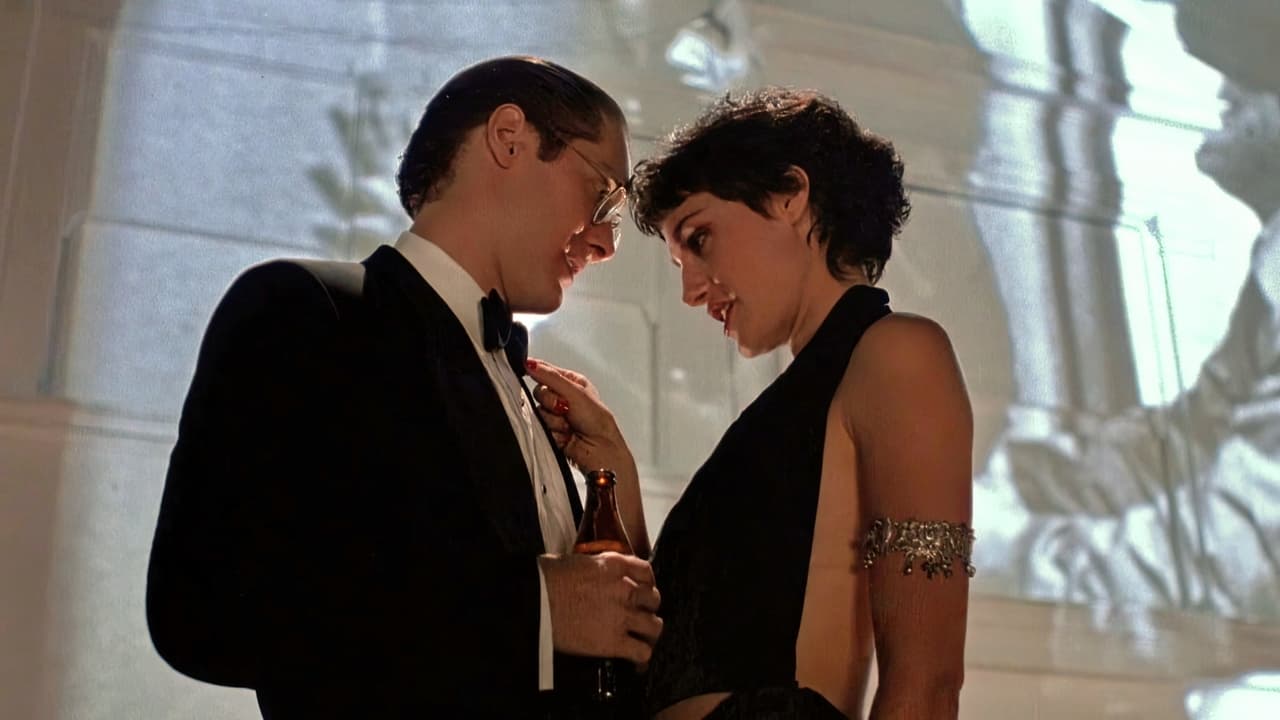
We meet Michael Boll (James Spader), a quintessential late-80s/early-90s archetype: a timid, ambitious financial analyst trapped in a suffocating engagement and paralyzed by workplace politics. He’s beige, predictable, and deeply unsatisfied. Enter Alex (Rob Lowe), a charismatic drifter who appears seemingly out of nowhere to rescue Michael from a bar confrontation. Alex is everything Michael isn't: confident, dangerous, utterly unburdened by conscience. He’s the devil on Michael’s shoulder, whispering temptations that tap directly into the yuppie malaise of the era – the desire for power, control, and transgression hidden beneath the respectable surface.
What follows is a chillingly methodical descent. Alex isn't just a bad influence; he's a parasite, feeding off Michael's weaknesses while systematically dismantling his carefully constructed life. Director Curtis Hanson, who would later masterfully navigate the shadows of LA in L.A. Confidential (1997), demonstrates his knack for slow-burn tension here. He lets the unease build, scene by scene, as Alex's "favors" escalate from petty vandalism and corporate espionage to something far more sinister. The film understands that true horror often lies not in sudden shocks, but in the gradual erosion of self, the realization that you've willingly walked into a trap.
Against Type, Into the Abyss
The casting is inspired, particularly in retrospect. James Spader was already carving out his niche playing intense, often morally ambiguous characters, fresh off his breakout in sex, lies, and videotape (1989). He embodies Michael's initial meekness and subsequent corrupted awakening with unsettling conviction. You see the flicker of excitement in his eyes as he breaks the rules, quickly followed by the dawning horror of his complicity.
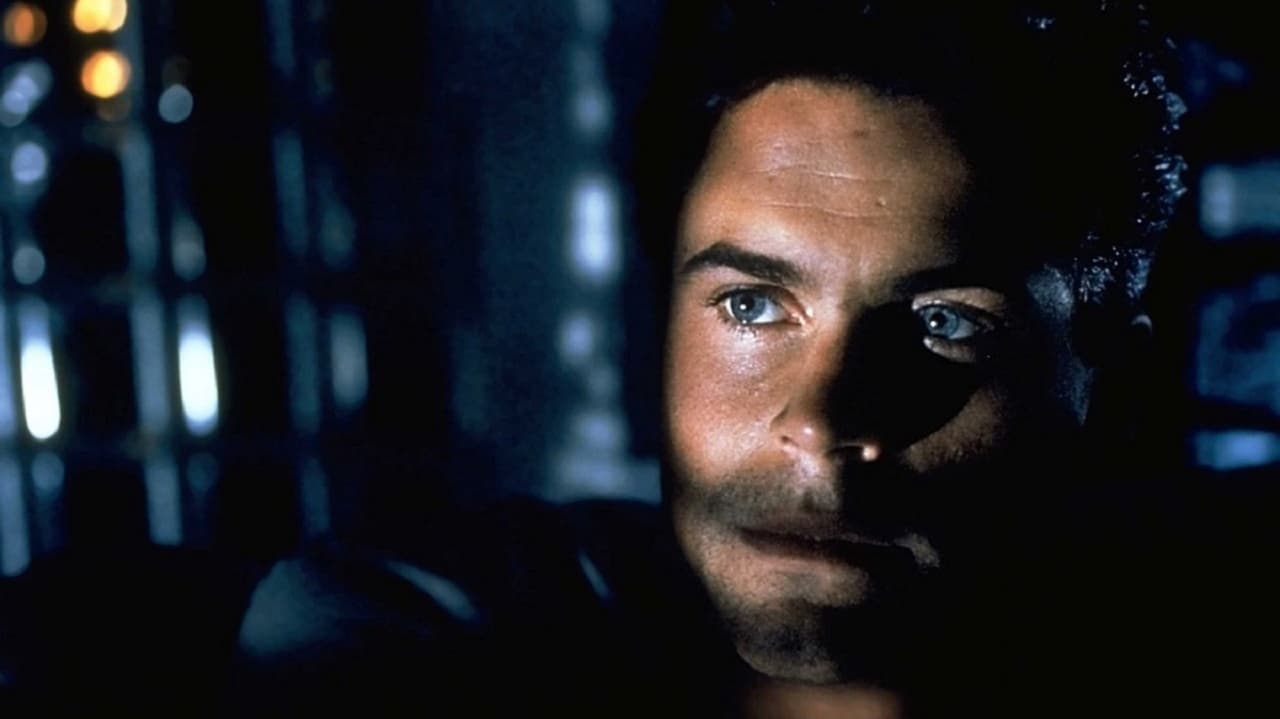
But it's Rob Lowe who truly astonishes. At the time, Lowe was battling back from sensational headlines and attempting to pivot from his established pretty-boy image. Taking on the role of the sociopathic Alex was a considerable risk, and it pays off brilliantly. Lowe weaponizes his inherent charm, making Alex magnetically appealing even as his actions become increasingly monstrous. There's a terrifying blankness behind his easy grin, a complete lack of empathy that feels utterly authentic. It's reported that Lowe actively sought out darker roles like this to reshape his career narrative, and Bad Influence provided the perfect, chilling vehicle. It’s a performance that reminds you just how dangerous charisma untethered from morality can be.
Neon Noir and Moral Decay
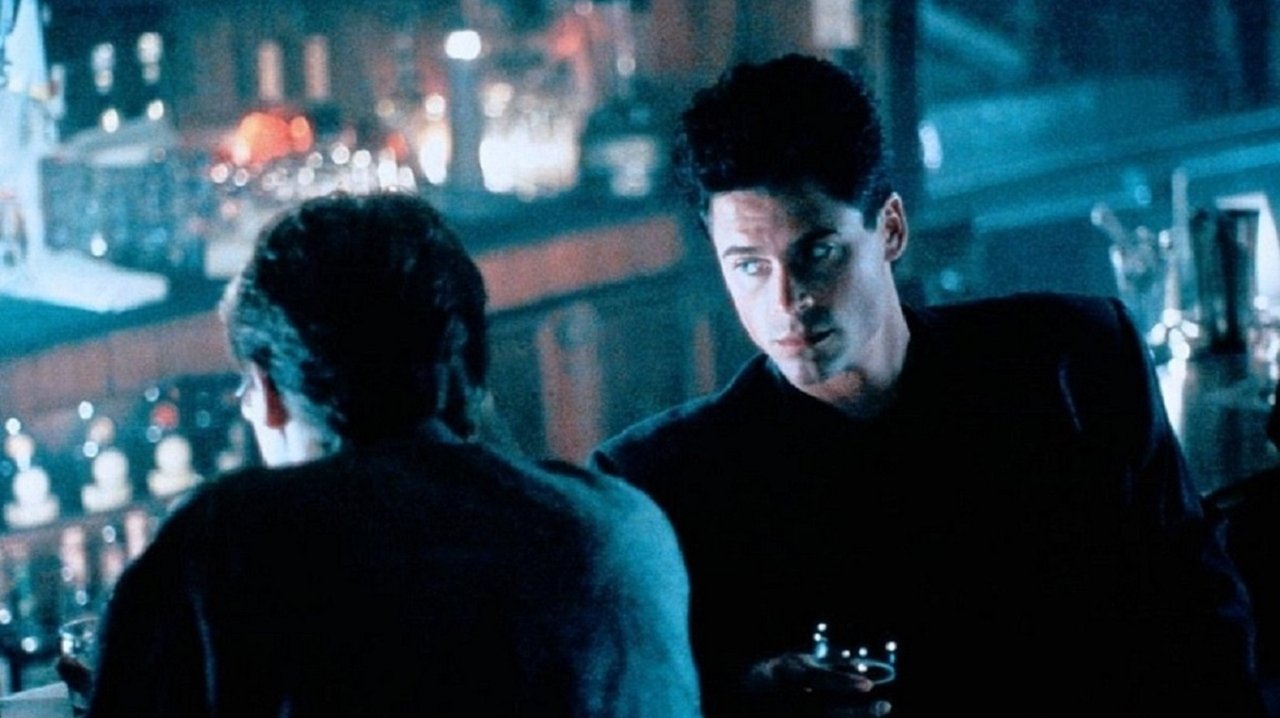
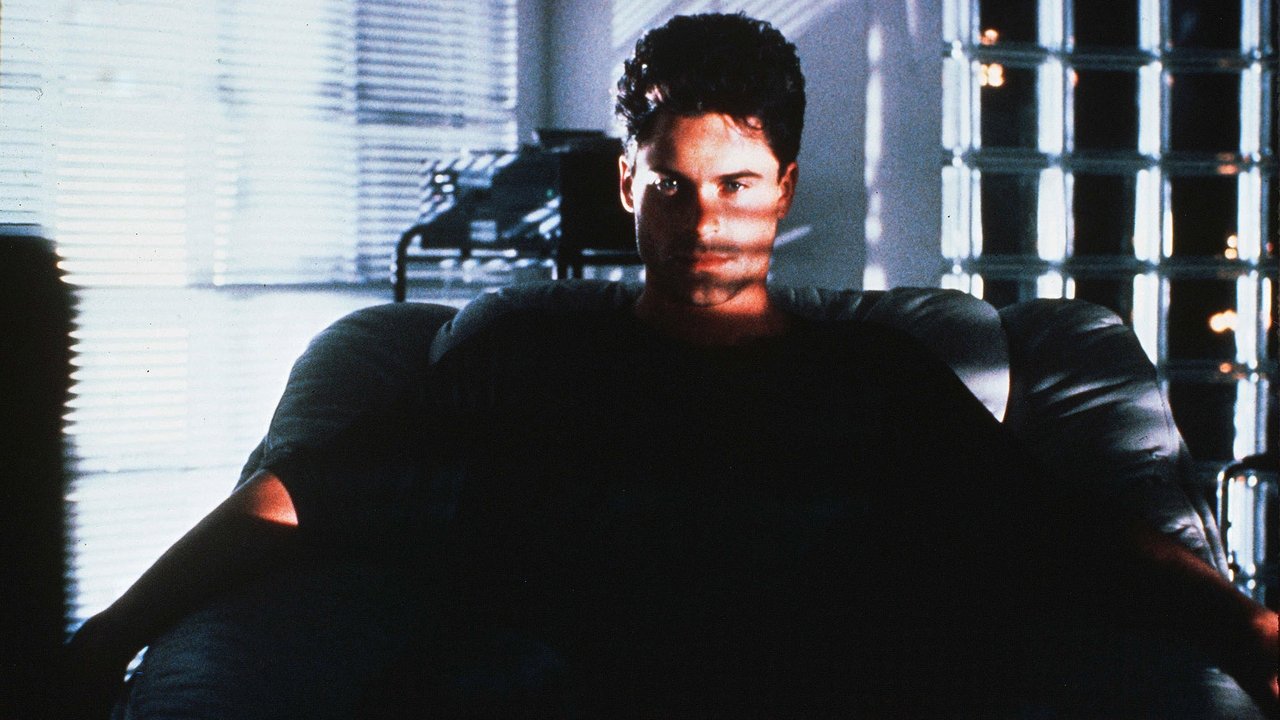
Penned by David Koepp, who would soon skyrocket with screenplays like Jurassic Park (1993) and Mission: Impossible (1996), the script is remarkably tight and psychologically astute. It feels like a direct descendant of classic noir, updated for the anxieties of a new decade. Los Angeles isn't just a backdrop; it's a character – slick high-rises masking moral rot, smoky bars offering temporary escape, canyons hiding dark secrets. Hanson uses the city's geography to heighten the sense of isolation and paranoia. The film was shot on location, capturing that specific turn-of-the-decade LA feel, a landscape both alluring and predatory.
The production wasn’t aiming for blockbuster scale – reportedly made for around $7 million, it performed modestly at the box office (grossing about $12.6 million) – but its real power unfolded in the aisles of video stores. This was prime VHS rental fodder: a smart, adult thriller with recognizable stars pushing their boundaries. Watching it on a flickering CRT, maybe late at night like Michael himself wandering the nocturnal city, amplified its creeping dread. There's a tactile quality to the film's tension, a sense that the danger isn't just on screen, but somehow seeping into the room. Doesn't that final confrontation still feel uncomfortably raw?
Lasting Resonance
Bad Influence doesn't rely on gore or cheap scares. Its power comes from its psychological portrait of manipulation and the seductive nature of amorality. It taps into a universal fear: what if the worst parts of ourselves were given permission to run wild? What if the person offering that permission looked like Rob Lowe? The film explores themes of toxic masculinity, identity, and the hollowness that can lurk beneath material success – ideas that feel surprisingly relevant even today. It stands as a potent example of the neo-noir thrillers that thrived in the late 80s and early 90s, less flashy than some but arguably more insidious.
Rating: 8/10
This score is earned through the magnetic lead performances, particularly Lowe's against-type triumph, Koepp's sharp and unnerving script, and Hanson's masterful control of tone and atmosphere. While some elements inevitably feel dated to the specific era, the core psychological tension remains remarkably effective. It avoids easy answers and leaves a lingering chill.
Bad Influence might not be the first title that springs to mind when discussing 90s thrillers, but it's a deceptively potent film that burrows under your skin. It’s a stark reminder that sometimes the most dangerous threats don't announce themselves with a roar, but with a whisper and a smile. A perfect slice of VHS-era unease.