It’s a rare thing, holding a script penned by a force of nature like John Cassavetes, knowing decades passed before it finally saw the light of day on screen. That tangible sense of history, of a story held in suspension, hangs heavy over She's So Lovely (1997), directed not by the elder Cassavetes, who passed in 1989, but by his son, Nick Cassavetes (The Notebook, Alpha Dog). Watching it back then, perhaps on a slightly worn rental tape picked up on a whim, felt like stumbling onto something raw, volatile, and defiantly uninterested in sanding down its rough edges. This wasn't your typical late-90s fare; it felt like a transmission from another era of filmmaking, charged with a dangerous, unpredictable energy.
A Love That Bruises
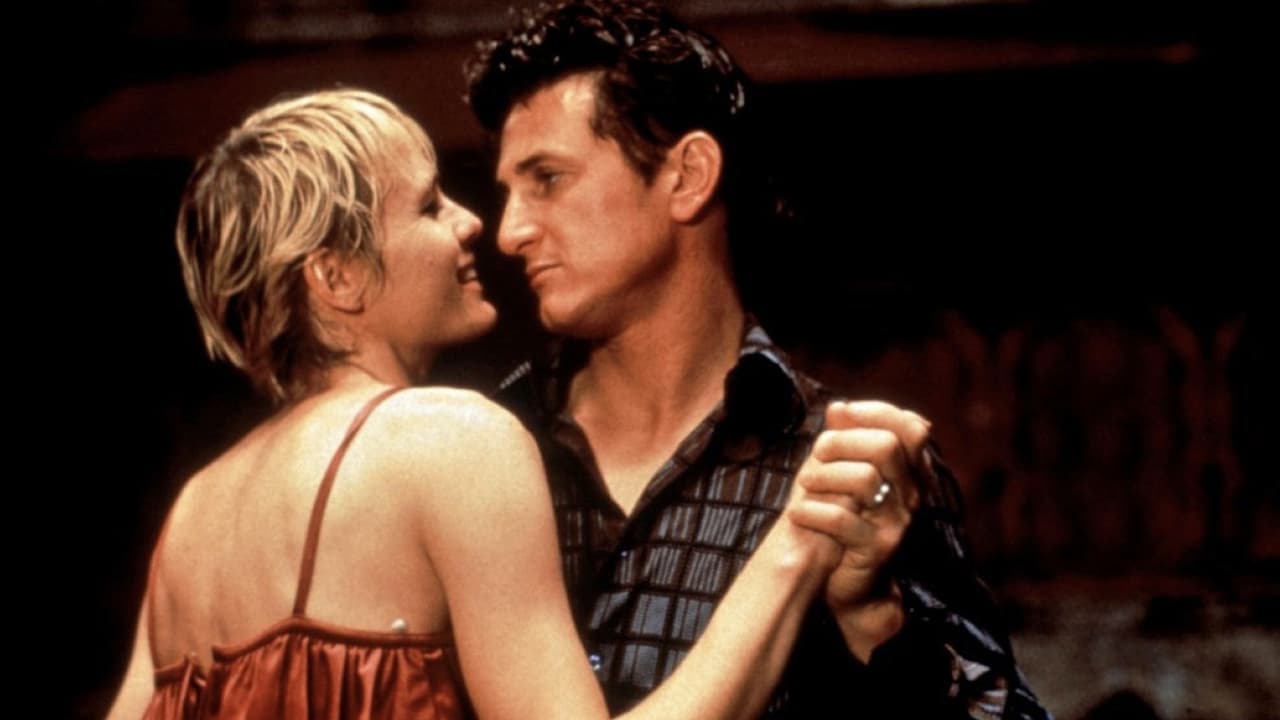
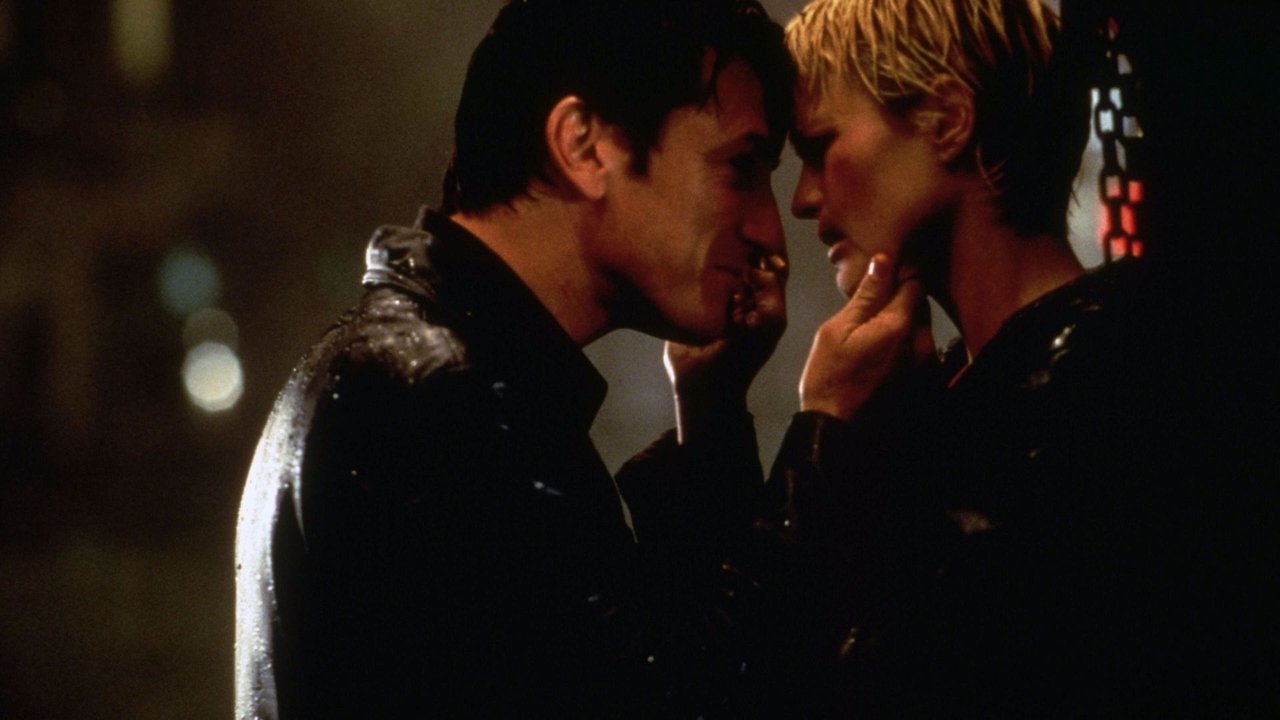
The film plunges us into the tempestuous world of Maureen (a truly fearless Robin Wright) and Eddie (an incandescent Sean Penn). Their love isn't gentle or comforting; it's a chaotic whirlwind of passion, jealousy, screaming matches, and desperate besoin. They exist in a bubble of their own making, fueled by booze and an almost pathological co-dependence that feels both magnetic and terrifyingly unstable. When Eddie disappears on a bender, a traumatic event leaves Maureen shattered. His subsequent violent reaction lands him in a psychiatric hospital for a decade. It’s a brutal, unflinching setup, captured with a cinéma vérité intimacy that echoes the work of the film's original author. Nick Cassavetes doesn't shy away from the ugliness, the messiness of lives lived on the frayed edges of emotional control.
What truly elevates the first act, making it almost difficult to watch yet impossible to look away from, are the performances. Sean Penn, who rightfully won Best Actor at the Cannes Film Festival for this role, is simply astonishing. His Eddie is a live wire, charming and menacing, vulnerable and violently impulsive, often all within the same breath. There’s a rawness here that feels less like acting and more like exposed nerve endings. Penn reportedly immersed himself deeply, contributing to the authentic, almost documentary feel. And opposite him, Robin Wright (credited as Robin Wright Penn at the time, given their real-life marriage) matches him note for note. Her Maureen is both fragile and surprisingly resilient, capable of profound love and devastating self-destruction. Their chemistry is electric, but it's the dangerous, unpredictable kind – you're constantly waiting for the spark to ignite an explosion. The story goes that John Cassavetes originally wrote the script, then titled She's Delovely, back in the 70s, envisioning himself potentially playing Eddie. Seeing Penn inhabit the role with such ferocious commitment feels like a powerful, if unintended, echo across generations.
Echoes Across Time
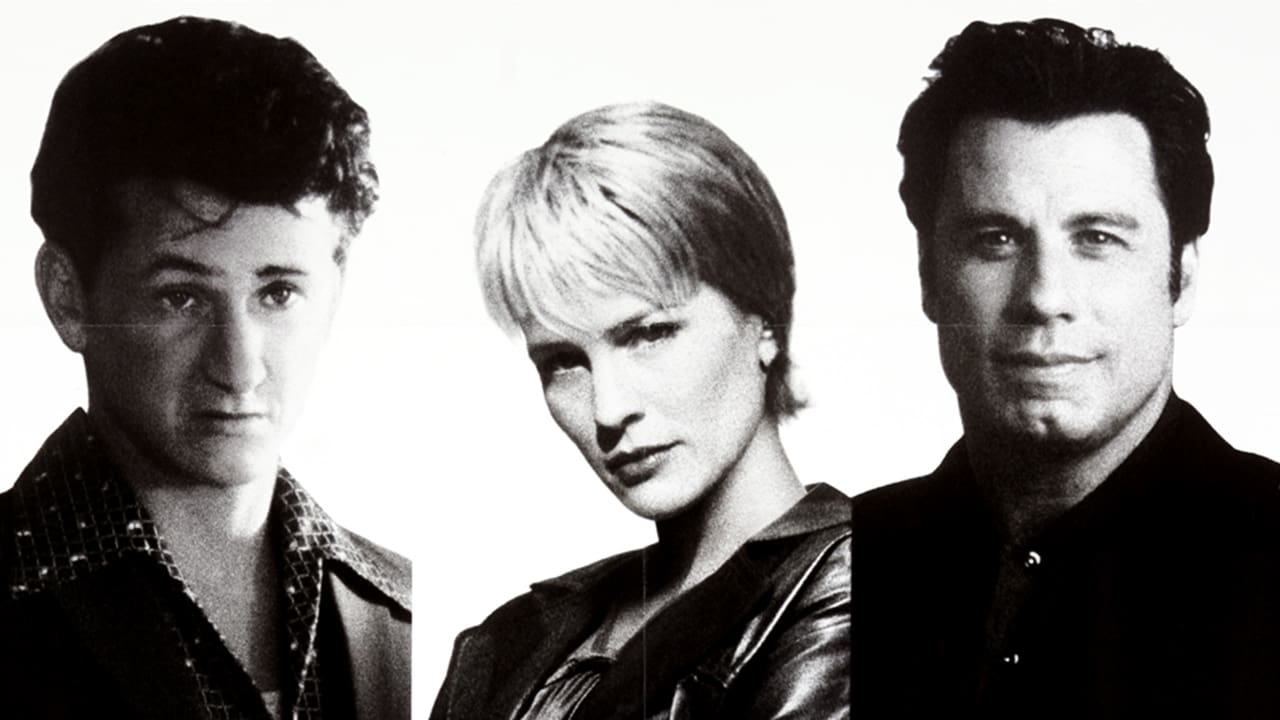
The film then makes a bold leap: ten years forward. Maureen has rebuilt her life. She’s married to the solid, dependable Joey (a perfectly cast John Travolta, bringing a much-needed sense of grounded stability), raising three daughters, living a seemingly conventional suburban existence. The contrast is stark. The wild, uncontrolled energy of the past has been replaced by manicured lawns and PTA meetings. Travolta, riding high on his mid-90s career resurgence ignited by Pulp Fiction (1994), is excellent as the decent man trying to hold his family together, embodying a different kind of love – quieter, perhaps, but arguably healthier.
Then, Eddie is released. His re-entry into Maureen's carefully constructed present forces everyone to confront the ghosts of the past. Can a love that burned so intensely, so destructively, ever truly be extinguished? Does Maureen belong in the quiet stability Joey offers, or is her soul forever tied to the chaos Eddie represents? The film doesn't offer easy answers. It explores the uncomfortable truth that sometimes the most passionate connections are also the most damaging, and that societal norms often clash violently with the complexities of the human heart. Nick Cassavetes navigates this tricky territory, honoring his father’s signature exploration of raw human emotion while adding his own directorial sensibility. You can feel the weight of legacy here, the son interpreting the father's voice. It’s fascinating to know that Gena Rowlands, John’s widow and Nick’s mother, also appears in the film in a supporting role, adding another layer to this unique familial creation.
More Than Just a Story
Watching She's So Lovely isn't always comfortable. It demands patience and a willingness to sit with deeply flawed characters making painful choices. The dialogue, true to John Cassavetes' style, often feels semi-improvised, capturing the stumbling, searching quality of real conversation rather than polished movie lines. The supporting cast, including brief but memorable turns from James Gandolfini and the legendary Harry Dean Stanton, adds texture to this gritty world. The production reportedly embraced a certain level of chaos, mirroring the characters' lives, which translates into that feeling of unpredictable energy on screen. It’s a film that feels lived-in, bearing the scars of its characters' experiences. It wasn't a massive box office hit, likely too abrasive for mainstream tastes, but its power lingers precisely because it refuses compromise.
This wasn't a movie you watched passively. It provoked conversation, maybe even arguments, back when we gathered around the VCR. Does Eddie's intensity excuse his behaviour? Is Maureen's eventual choice an act of strength or weakness? These questions don’t fade easily after the credits roll.
Rating: 8/10
This score reflects the sheer power of the central performances and the film's unflinching honesty. Penn and Wright are phenomenal, delivering career highlights that burn themselves into your memory. While its unrelenting intensity and challenging subject matter make it a difficult watch – certainly not a casual Friday night rental for everyone – its artistic integrity and raw emotional force are undeniable. It’s a testament to the enduring power of John Cassavetes' writing and a significant, deeply felt work from Nick Cassavetes.
She's So Lovely remains a potent reminder that some stories, like some loves, aren't meant to be pretty, but their impact is impossible to ignore. It’s a jagged piece of cinematic glass that still reflects uncomfortable truths.