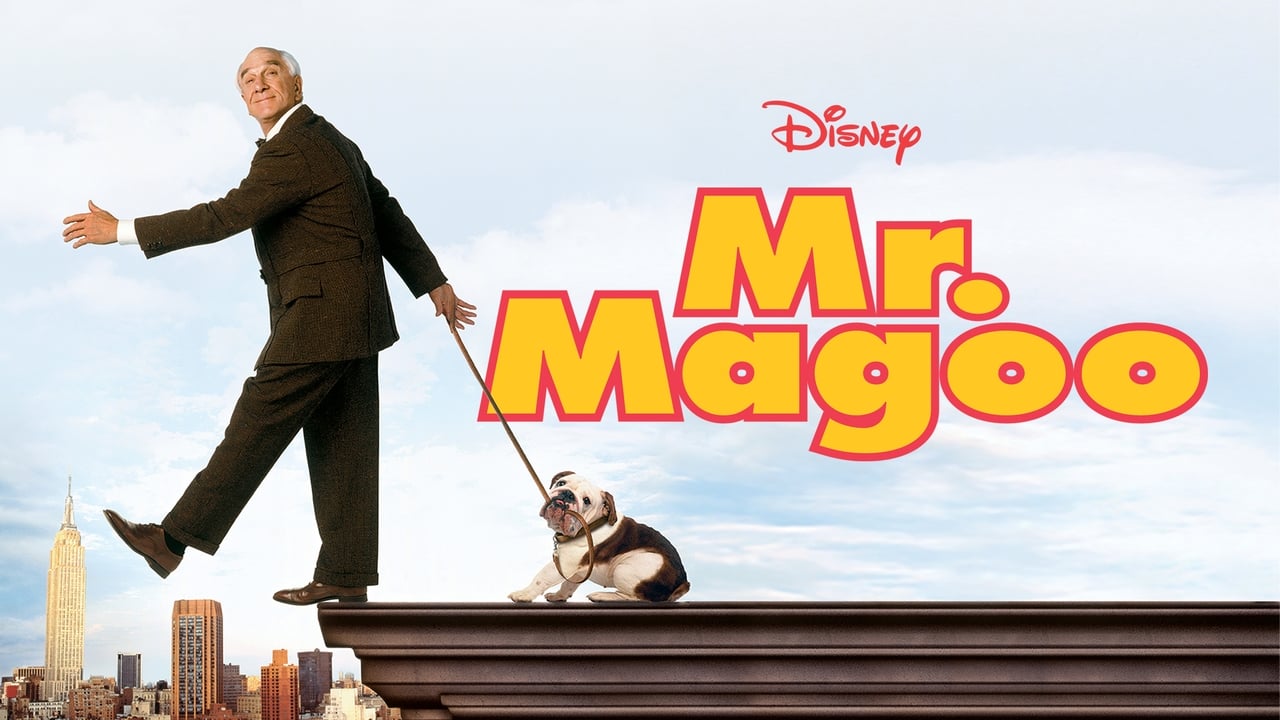
Alright, pull up a beanbag chair and adjust the tracking on your mental VCR, because we're diving into a real late-90s head-scratcher today. Remember browsing the comedy section at Blockbuster, past the Jim Carrey hits and the Adam Sandler staples, and landing on that red cover? The one with the unmistakable silver hair and squint of Leslie Nielsen? Yep, we’re talking about Disney’s 1997 live-action attempt, Mr. Magoo.
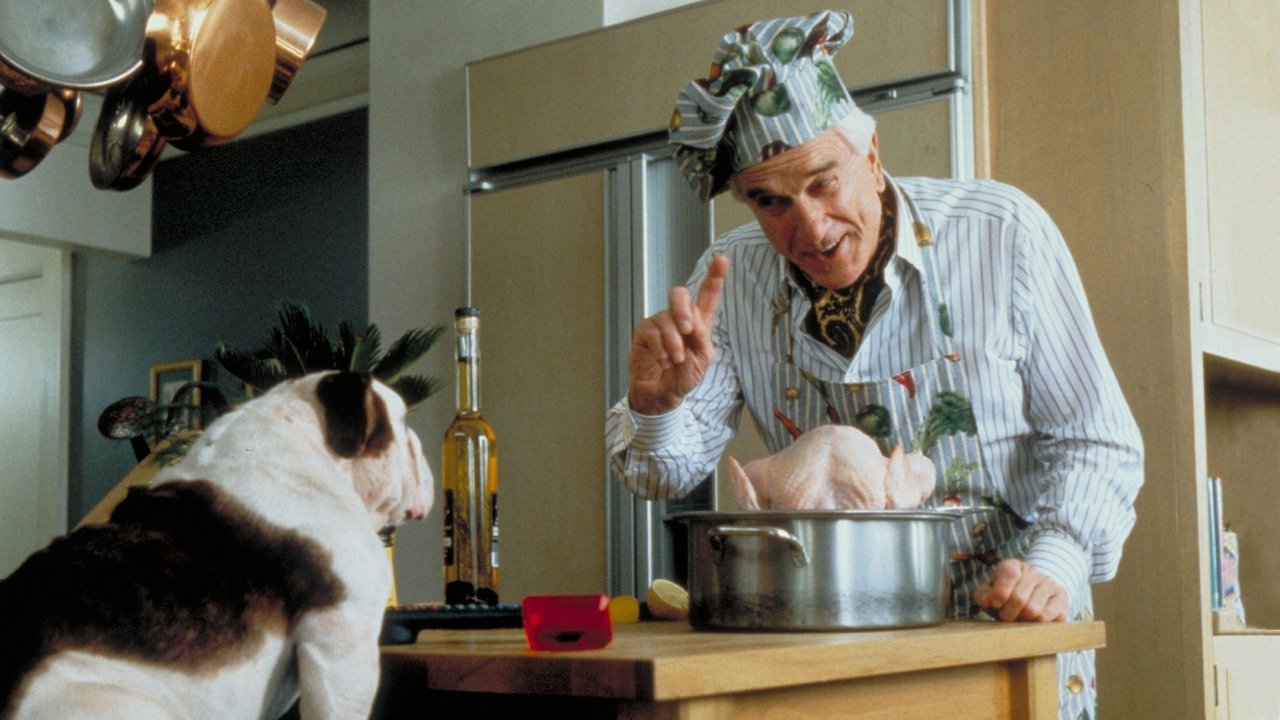
Now, casting Leslie Nielsen, the king of deadpan disaster comedy fresh off the Naked Gun triumphs, as the famously near-sighted, chaos-causing Quincy Magoo probably sounded like genius on paper. Who better to stumble through precarious situations with oblivious aplomb? But seeing it realized… well, it was certainly a choice. This wasn't quite Frank Drebin bumbling through a crime scene; it was an attempt to embody a beloved, albeit dated, cartoon character, complete with the squint and the gravelly voice. And honestly? Nielsen commits. He throws himself into the physical comedy with the gusto we’d expect, even if the translation from animated short to feature film feels… awkward.
From Ink to Screen: A Bumpy Ride
Bringing Magoo to life wasn't just about finding the right actor. The film aimed for a kind of hyper-real cartoon aesthetic, particularly noticeable in Magoo's infamous red Studebaker convertible (a 'Studillac', as the film dubs it). The plot itself is pure Saturday morning fare: Magoo accidentally comes into possession of a stolen priceless jewel, the Star of Kuristan, leading to him being pursued by inept jewel thieves (including Jennifer Garner in a very early, blink-and-you'll-miss-it role!) and a pair of federal agents. It’s flimsy stuff, really just a framework for Magoo to obliviously wander through danger – mistaken identities, close calls, and general mayhem ensue.
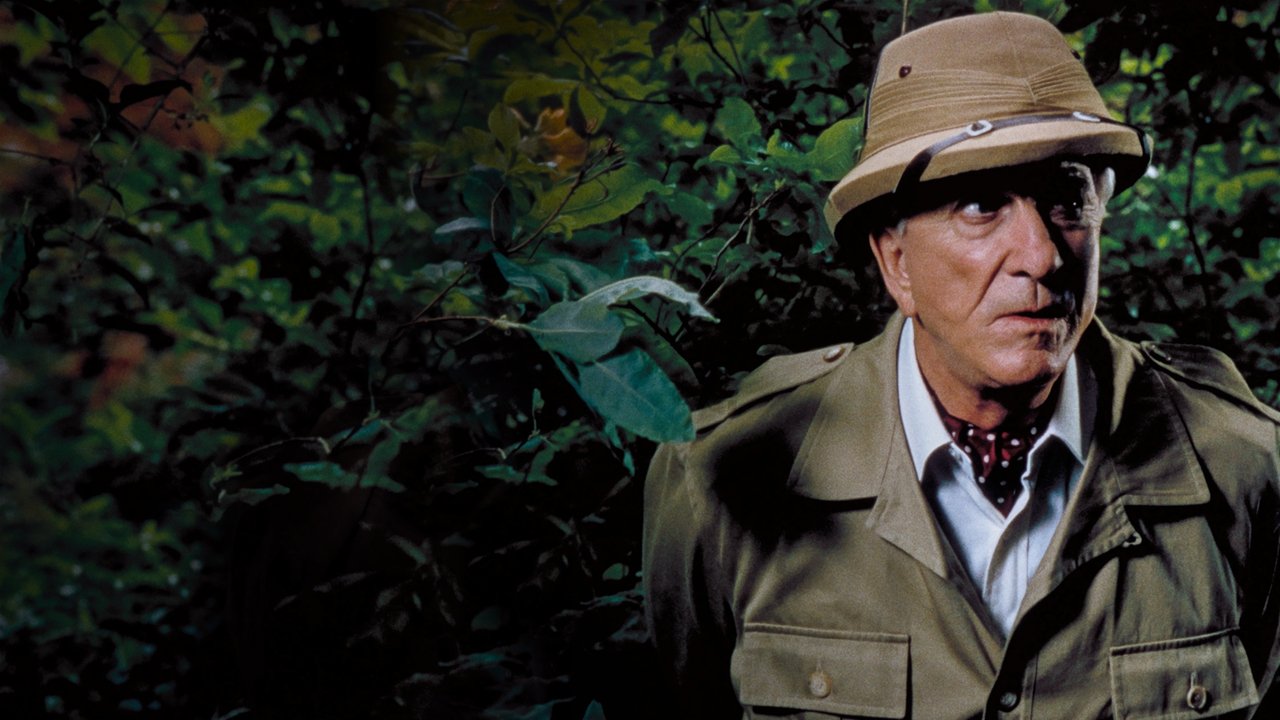
One of the most fascinating bits of trivia surrounding Mr. Magoo is the choice of director. They tapped Stanley Tong, the Hong Kong action maestro known for his incredible work with Jackie Chan on high-octane stunt spectacles like Police Story 3: Super Cop (1992) and Rumble in the Bronx (1995). Talk about an unexpected pivot! While you don't get Chan leaping between buildings here, you can sometimes see Tong's knack for staging physical comedy and elaborate gags, even if they're more slapstick than death-defying. There’s a scene involving Magoo navigating a ski slope on an ironing board that feels like it could have been a Chan stunt, dialed down for family viewing. Still, imagine the conversations: "Okay Stanley, we need Magoo to mistake a bulldog for a baby, but make it… dynamic?" It's a bizarre collision of talents.
The Nearsightedness of It All
We can't talk about Mr. Magoo without acknowledging the elephant in the room – the controversy. Even back in '97, adapting a character whose entire comedic premise revolves around severe visual impairment drew criticism. Disney actually included a disclaimer at the end of the film stating it wasn't intended to be an accurate portrayal of nearsighted people, reportedly after consultations with groups like the National Federation of the Blind. Watching it now, some of the gags based purely on Magoo's inability to see definitely land differently, a reminder of how comedy standards (thankfully) evolve.
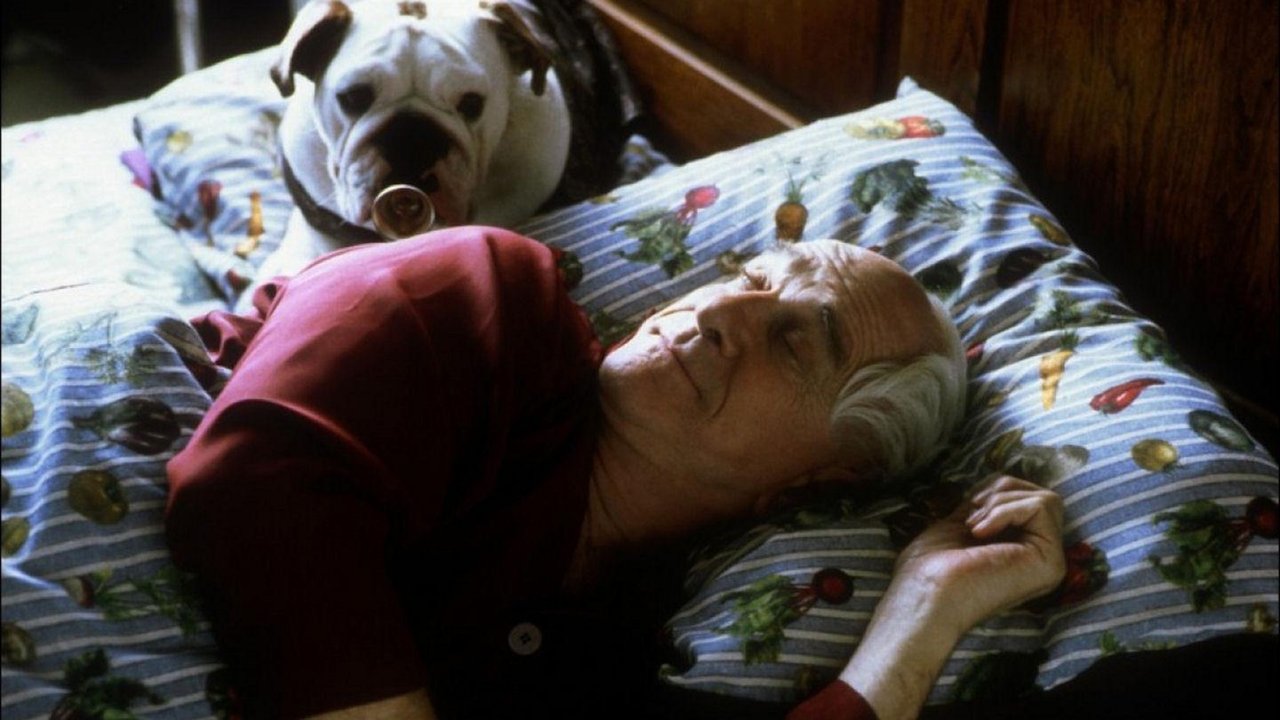
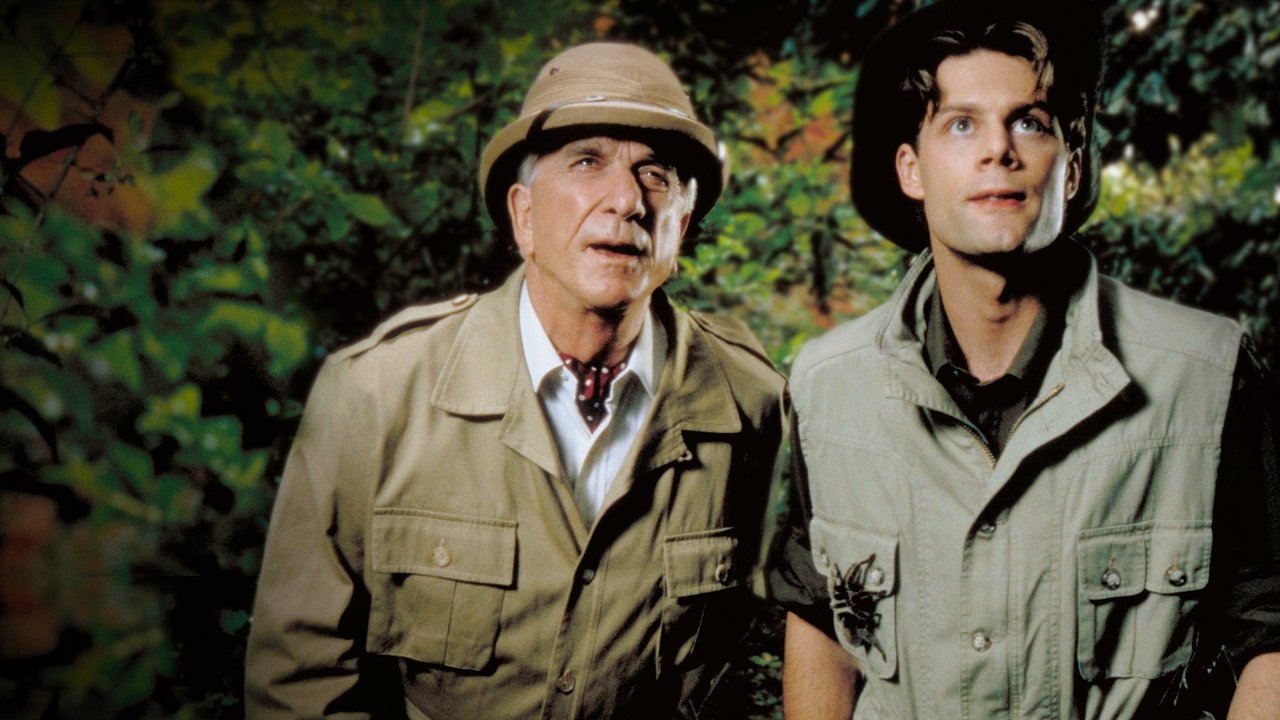
Despite Nielsen's game effort and Tong's surprising involvement, the film leans heavily on its supporting cast to keep things moving. Kelly Lynch plays the femme fatale Luanne LeSeur with cartoonish villainy, while Matt Keeslar is the earnest nephew Waldo, mostly there to react to Magoo’s antics. Nobody’s phoning it in, but they’re all working within the confines of a script by Pat Proft (a writer on Naked Gun and Hot Shots!) and Tom Sherohman that feels stretched thin even at 87 minutes. The $30 million budget didn't translate into box office gold either; it struggled to make back its investment, becoming one of those Disney live-action adaptations (alongside flicks like Flubber or George of the Jungle around the same time) that quickly found its home on video store shelves rather than cinematic history books.
Final Verdict: A Curiosity Worth Squinting At?
So, revisiting Mr. Magoo on imaginary VHS, what’s the takeaway? It's undeniably a product of its time – a slightly clumsy attempt to cash in on a known character using a beloved comedy star, bumping up against changing cultural sensitivities. Leslie Nielsen gives it his all, and there's a strange fascination in seeing Stanley Tong apply his action sensibilities to slapstick. The practical gags and Nielsen's physical comedy are tangible in that late-90s way, before CGI smoothed everything over, even if the premise itself feels uncomfortable.
Rating: 3/10
The score reflects the reality: it's not a good film by most metrics. The plot is weak, the central joke wears thin, and the premise is problematic. However, the 3 points acknowledge Nielsen's commitment, the sheer oddity of its existence, and its status as a distinct artifact of the 90s live-action family comedy boom. It earns a few points purely for the bizarre combination of talent involved and its undeniable place on the "Remember that movie?" list.
Ultimately, Mr. Magoo is less a hidden gem and more a cinematic curio, a fuzzy memory from the video store aisle. It’s a testament to Nielsen’s star power that he could headline something this fundamentally misguided, and perhaps best enjoyed now with a hefty dose of nostalgic context and an understanding of its flaws. It’s one of those tapes you might pick up, chuckle at the cover, and maybe, just maybe, wonder what could have been.