Ah, Paris in the springtime… or rather, Paris as painted by the inimitable Ludwig Bemelmans. Stepping into the world of 1998's Madeline often felt less like watching a movie and more like flipping through the pages of a beloved storybook magically brought to life. For many of us who encountered this film on a well-worn VHS tape, perhaps rented from Blockbuster on a whim or received as a thoughtful gift, it offered a charming escape – a gentle, colourful adventure set against the impossibly picturesque backdrop of the City of Lights. It wasn't a blockbuster smash, but it captured a certain sweetness that’s hard to entirely forget.
From Page to Picturesque Screen
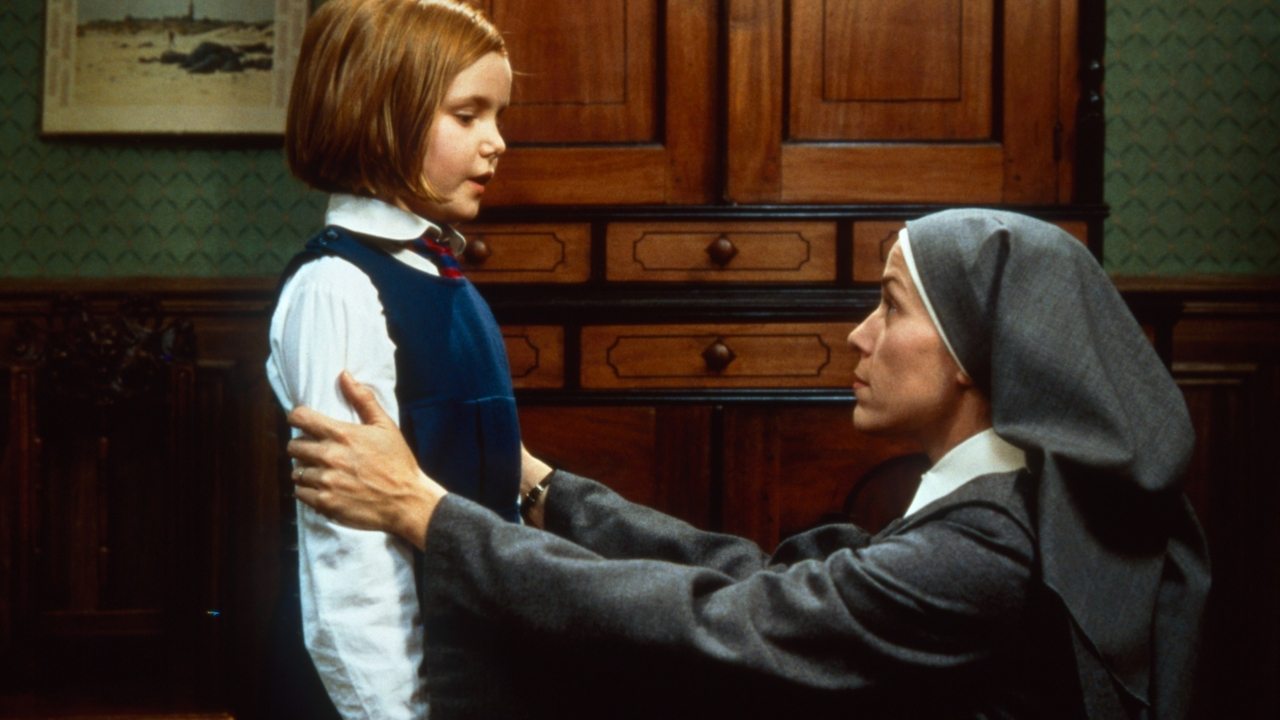
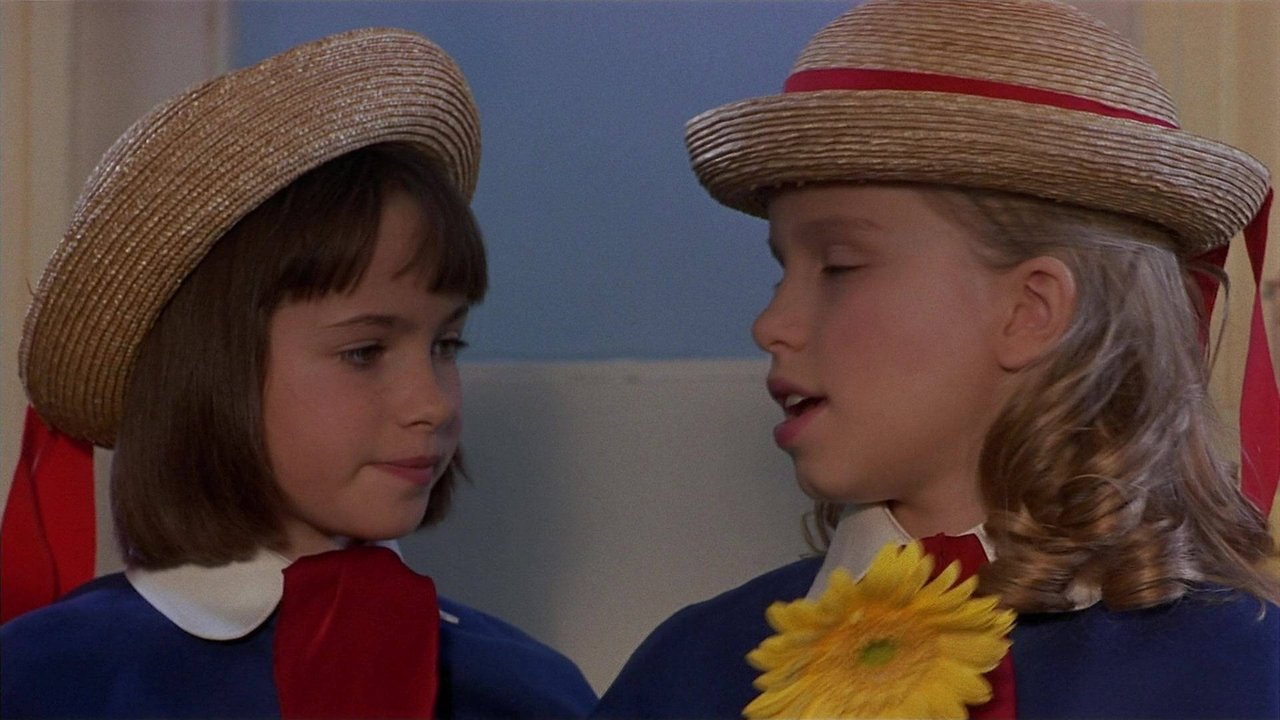
Adapting a series as visually iconic and episodically structured as the Madeline books presents a unique challenge. Director Daisy von Scherler Mayer, previously known for the sharp indie comedy Party Girl (1995), faced the task of translating Bemelmans' whimsical ink lines and watercolour washes into a live-action feature. The result is a film that truly looks the part. Shot on location in Paris, the film immerses us in a world of cobblestone streets, ivy-covered walls ("the old house in Paris that was covered with vines"), and instantly recognizable landmarks. The production design and cinematography work overtime to evoke that storybook feel, from the girls' matching blue coats and yellow hats to the slightly heightened reality of their surroundings. It’s a visual treat, a warm bath of comforting aesthetics that likely looked splendid even on our fuzzy CRT screens back in the day.
Our Fearless Heroine (and Her Keepers)
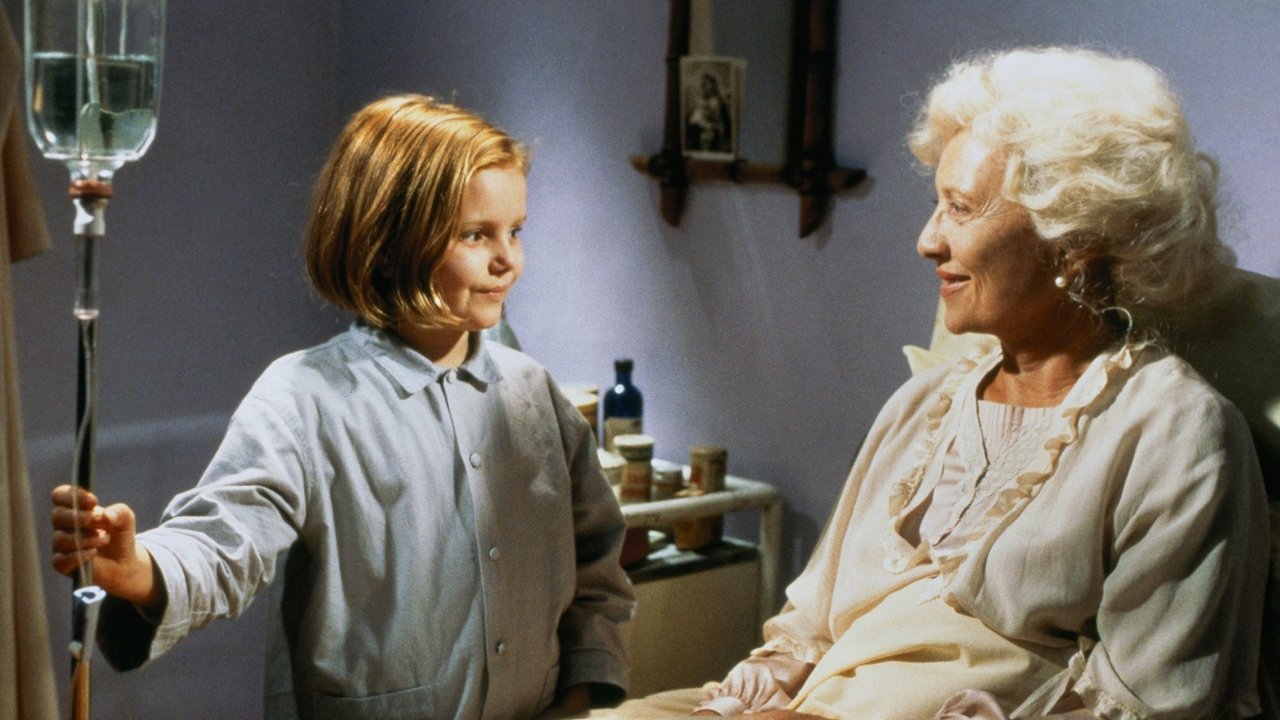
At the heart of it all, of course, is Madeline herself, the smallest and bravest of the twelve little girls. Finding the right young actress was crucial, and the filmmakers reportedly auditioned thousands before discovering Hatty Jones. She perfectly embodies Madeline's signature pluck and curiosity, delivering lines like "We love our bread, we love our butter, but most of all, we love each other" with infectious sincerity. It’s fascinating to note that Jones largely stepped away from acting after this, making her performance feel like a preserved moment in time.
Surrounding her are two casting choices that might have seemed surprising on paper but proved utterly delightful on screen. Fresh off her Academy Award win for Fargo (1996), Frances McDormand brings a wonderful warmth and subtle strength to the ever-vigilant nun, Miss Clavel. You can feel her genuine affection for the girls, grounding the film's more whimsical elements. It's said McDormand was drawn to the role partly because her own young son was a fan of the books – a lovely bit of behind-the-scenes resonance. And then there's the legendary Nigel Hawthorne (forever remembered as Sir Humphrey Appleby in Yes Minister), absolutely relishing his role as Lord Covington, the girls’ initially stern but ultimately kind-hearted neighbour, whom they affectionately (or perhaps not-so-affectionately) nickname "Lord Cucuface." Hawthorne steals every scene he’s in, providing much of the film's gentle humour.
Adventures by the Seine

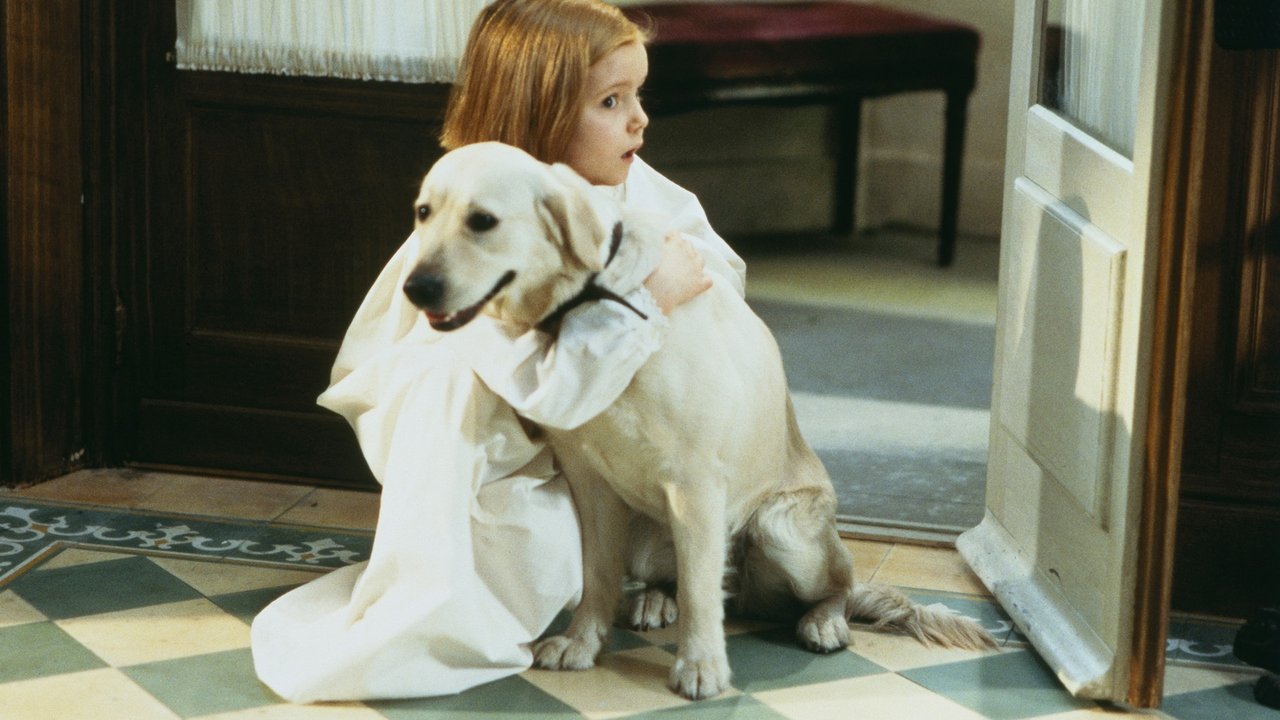
The screenplay, penned by Mark Levin, Jennifer Flackett, and Malia Scotch Marmo, cleverly weaves together elements from several Madeline books, primarily Madeline (the appendicitis) and Madeline's Rescue (Genevieve the dog, the river incident), while adding a central conflict involving the potential sale of the school. This gives the film a narrative spine that the episodic books lack. We get charming set pieces – the near-drowning in the Seine (a genuinely well-staged sequence for a kids' film), the escapades with the Spanish Ambassador's mischievous son Pepito, and even a slightly out-of-place, yet still entertaining, kidnapping subplot involving some bumbling circus performers.
It’s worth remembering the practicalities involved. Filming extensively in Paris with twelve young girls (and a dog!) must have presented considerable logistical hurdles, governed by strict child labour laws. Yet, the film maintains an effortless, breezy quality on screen. While it didn't set the box office alight – earning a respectable but modest $30 million worldwide against its estimated $20 million budget – its real success likely came later, finding a dedicated audience through home video rentals and sales, becoming a reliable comfort-watch for many families.
A Touch of Nostalgic Charm
Does Madeline perfectly capture every nuance of Bemelmans' creation? Perhaps not entirely. The plot additions, while necessary for a feature film, occasionally feel a little conventional compared to the books' quirky charm. And some might find the overall tone a tad too sweet or slow-paced by today's standards. But viewed through the lens of late-90s family filmmaking, and particularly as a VHS-era memory, its appeal is undeniable. It’s a film made with evident care and affection for its source material. There’s a sincerity to it, a lack of cynicism that feels refreshing. It evokes a time when family movies could be gentle and visually driven without needing constant high-stakes action or overt pop-culture gags. Remember watching this and just feeling… nice? It possessed that simple, comforting quality.
VHS Heaven Rating: 7/10
Madeline earns a solid 7 out of 10. It's a beautifully crafted film visually, successfully translating the look and feel of the beloved books to the screen. The casting is superb, particularly Hatty Jones, Frances McDormand, and Nigel Hawthorne, who bring real heart to their roles. While the plot might feel a bit thin or episodic in places, and it lacks the sharp edge some might prefer, its overwhelming charm, gentle humour, and picturesque Parisian setting make it a delightful watch. It’s a film that succeeded in its aim: to bring a classic children's story to life with warmth and sincerity, even if it didn't break new cinematic ground.
For those of us who remember pulling this tape off the shelf, it remains a sweet slice of late-90s nostalgia – a reminder that sometimes, all you need is a little bit of courage, a good friend (human or canine), and maybe a trip to Paris, even if only on your television screen.