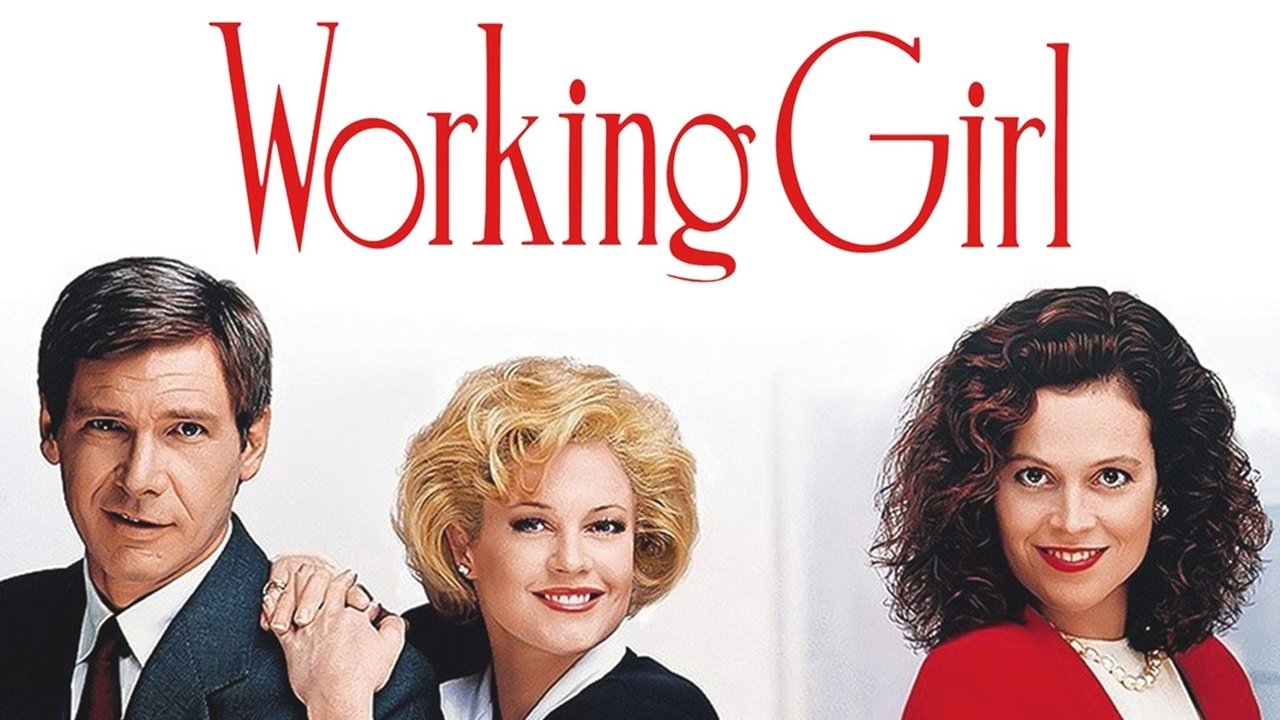
Okay, settle in, grab your preferred beverage—maybe something you’d have sipped back in ’88—and let’s talk about a film that feels like slipping into a pair of (initially stolen) power heels: Mike Nichols' sharp, witty, and surprisingly heartfelt Working Girl (1988).
That opening shot, the Staten Island Ferry gliding towards the imposing Manhattan skyline, set to the soaring, almost hymn-like strains of Carly Simon's "Let the River Run"—it’s more than just establishing scenery. It immediately captures the film's central tension: the vast distance, both literal and metaphorical, between the outer-borough strivers and the inhabitants of those glass towers. It's a visual promise of aspiration, the dream of crossing over, that resonates just as strongly today, even if the shoulder pads have thankfully deflated.
A Cinderella Story in Shoulder Pads
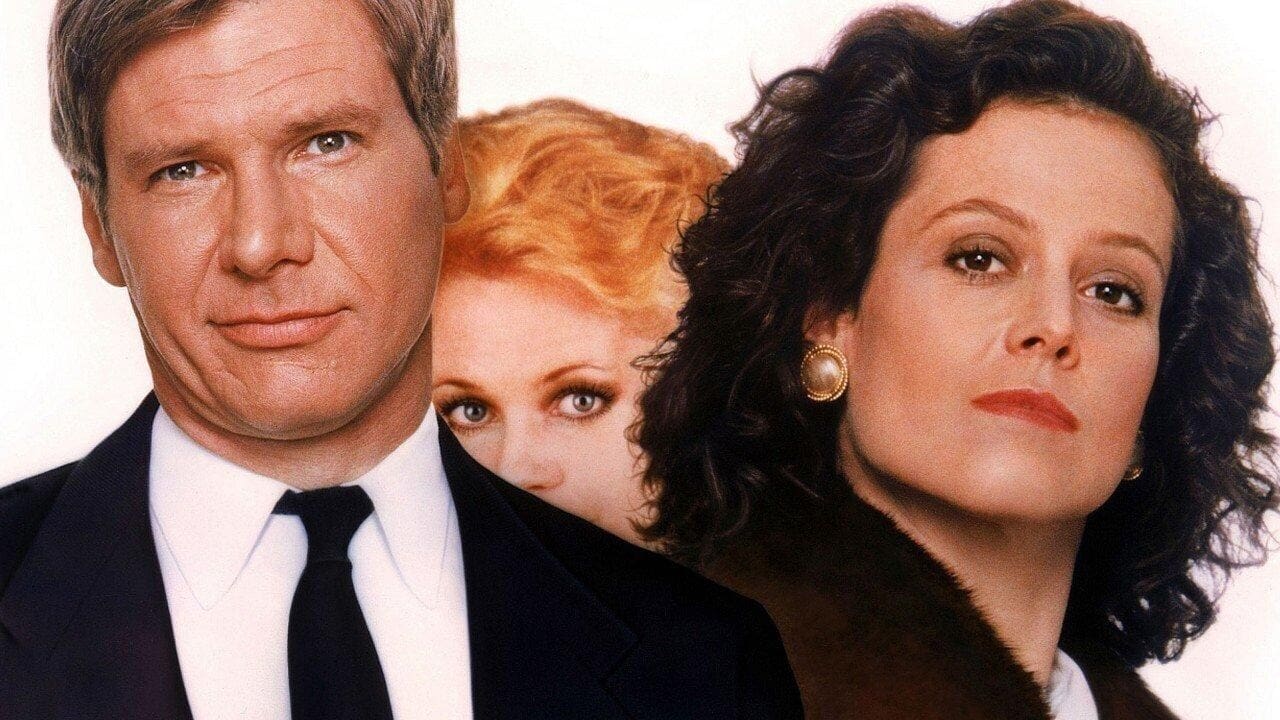
At its core, Working Girl is a quintessential 80s fairy tale, but one grounded in the gritty realities of corporate America. Tess McGill (Melanie Griffith) isn't waiting for a prince; she's a smart, ambitious secretary from Staten Island, armed with night school business smarts but constantly underestimated because of her accent, her hair ("the higher the hair, the closer to God," as the saying went?), and her perceived lack of polish. She’s stuck fetching coffee for bosses who range from sleazy (Alec Baldwin in a perfectly pitched cameo) to condescendingly treacherous.
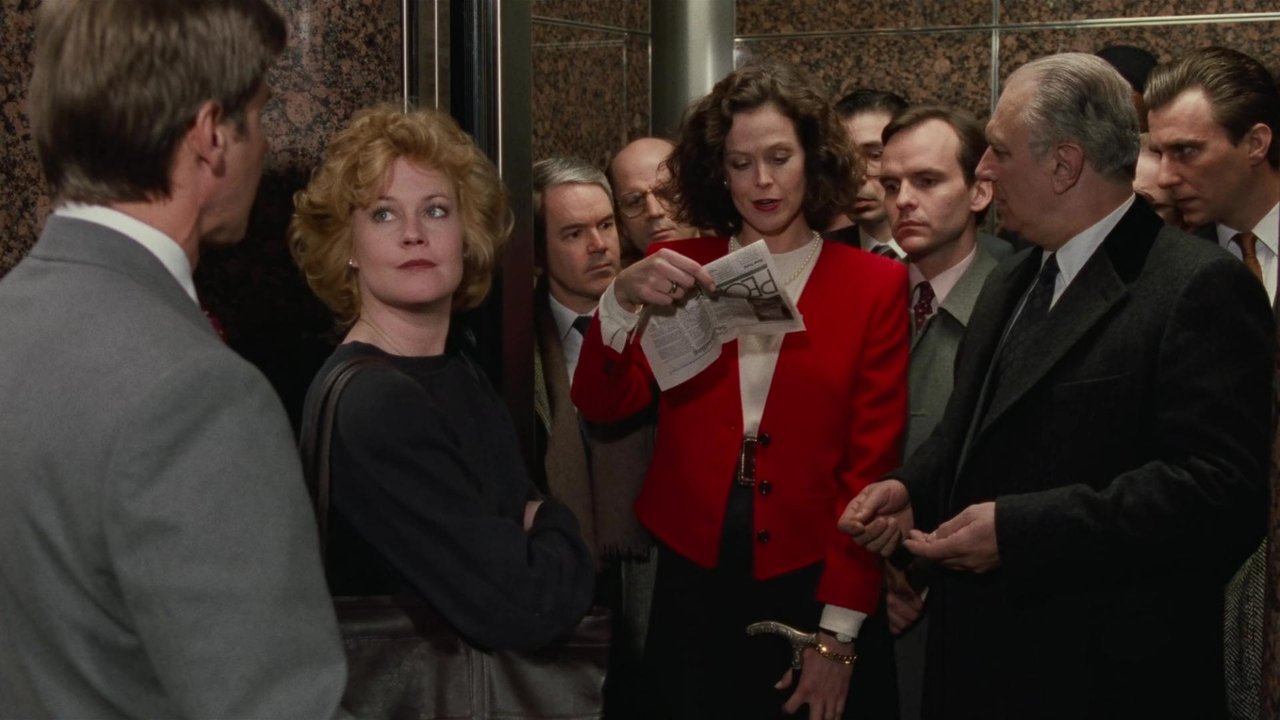
Enter Katharine Parker (Sigourney Weaver), Tess's new boss. Katharine seems like the mentor Tess has been waiting for—chic, connected, seemingly collaborative. Weaver is absolutely magnificent here, deploying a silky voice and seemingly effortless sophistication that masks a ruthless ambition. It’s a masterclass in portraying workplace power dynamics, a performance that rightly earned her an Oscar nomination for Best Supporting Actress (one of two she received that year, alongside Gorillas in the Mist). When Tess, laid up with a broken leg after a ski trip accident Katharine insisted upon, discovers her boss has stolen her brilliant merger idea, the fairy tale structure kicks in, but with a delicious twist of corporate espionage.
Taking the Reins (and the Wardrobe)
This is where the film truly takes flight. Tess doesn't just get mad; she gets strategic. Impersonating Katharine, borrowing her apartment, her contacts, and yes, her expensive clothes (after a necessary, if somewhat questionable, raid of Katharine's closet), Tess sets out to make her deal happen. It’s a transformation that’s both external—cue the iconic haircut scene with Joan Cusack as Cyn, Tess's loyal, big-haired best friend—and internal. Griffith embodies this shift beautifully. She captures Tess’s initial nervousness, the flickering self-doubt beneath the borrowed confidence, but crucially, she also sells Tess’s inherent intelligence and determination. You believe she could pull this off because Griffith makes her so relatable, so fundamentally decent despite the deception. Her own Oscar nomination for Best Actress was thoroughly deserved; there’s a vulnerability beneath the bravado that makes Tess incredibly endearing.
The Harrison Ford Factor
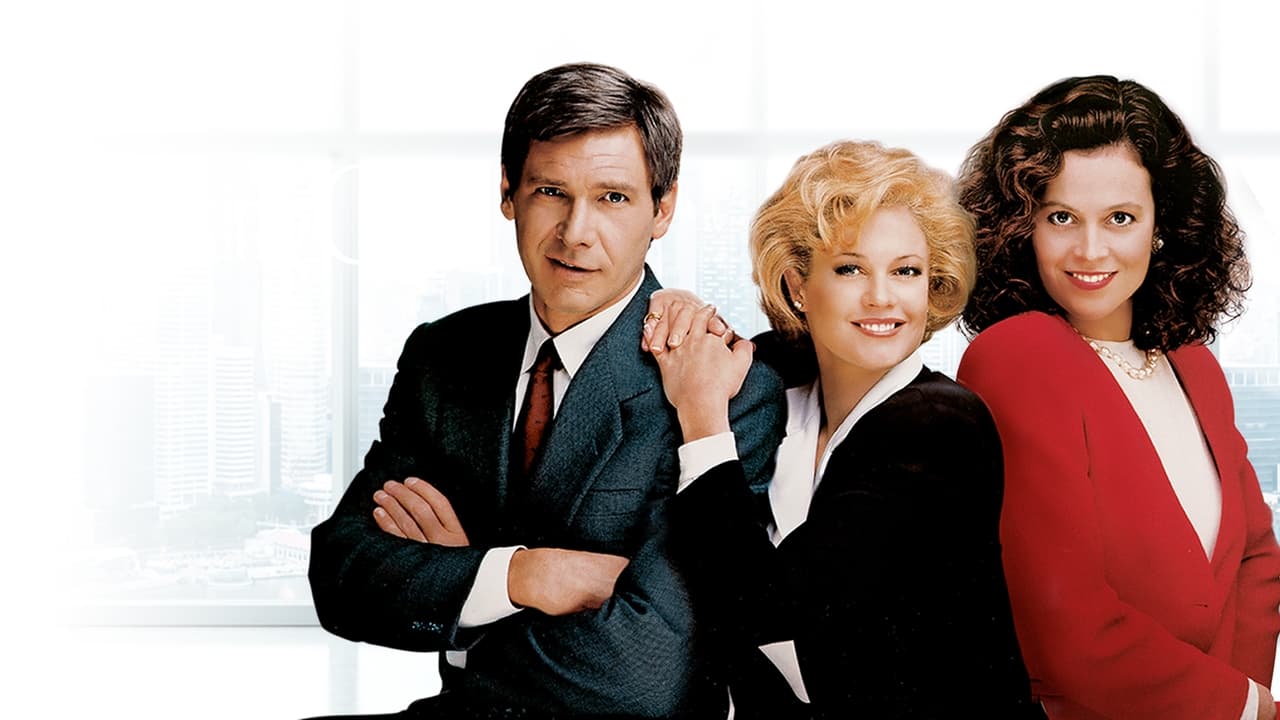
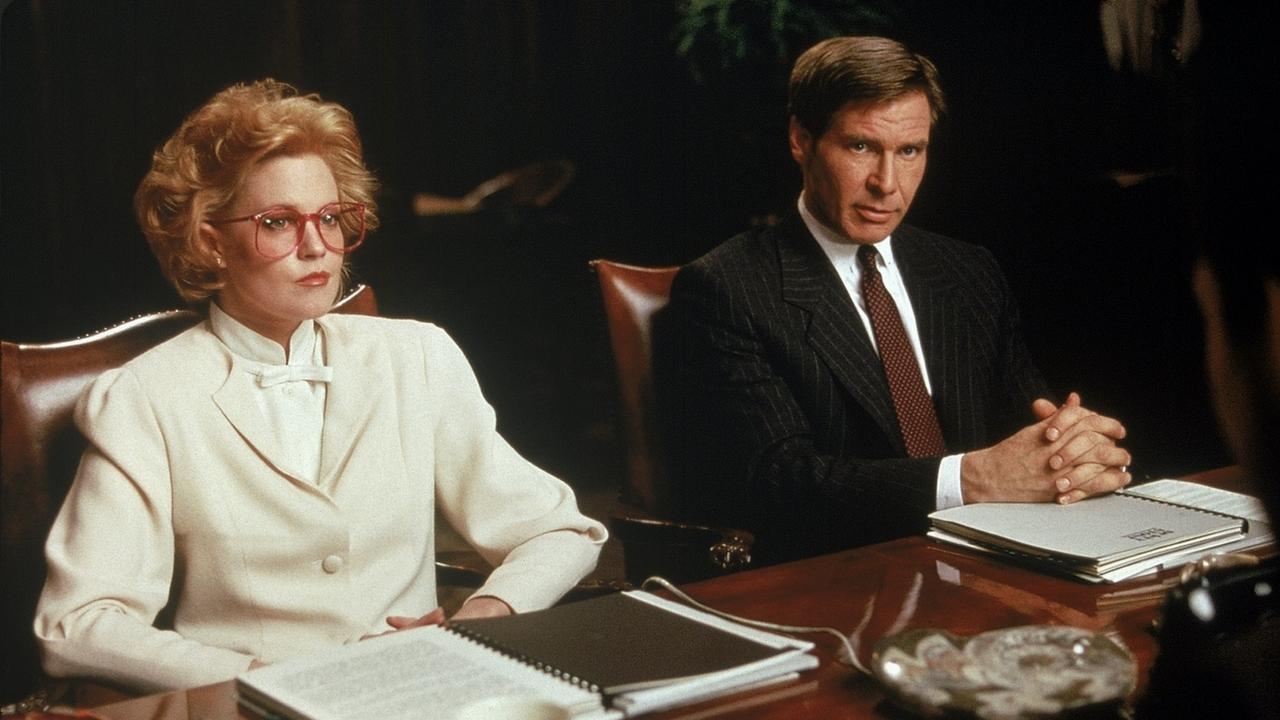
And then there’s Jack Trainer (Harrison Ford), the investment banker Tess needs to charm to make the deal happen. Ford, stepping away from the whip-cracking and blaster-firing roles that defined much of his 80s output, is effortlessly charming here. He brings a low-key charisma and an essential decency to Jack. What’s refreshing is how Jack is drawn to Tess’s mind first. Their chemistry crackles, built on mutual respect and sharp banter as much as physical attraction. Reportedly, Ford initially passed on the role, feeling Jack wasn't heroic enough compared to his usual fare. Thankfully, Mike Nichols convinced him otherwise, recognizing that Jack's support and recognition of Tess's talent was its own kind of heroism within this specific narrative context.
Behind the Glass Ceiling: Nichols' Deft Touch
Mike Nichols, a director renowned for sophisticated adult dramas like The Graduate and Who's Afraid of Virginia Woolf?, brings a crucial layer of intelligence and nuance to what could have been a standard rom-com. He navigates the comedic elements with a light touch but never shies away from the underlying themes of class prejudice and sexism in the workplace. The film subtly critiques the superficial judgments based on appearance and background that Tess constantly faces. Nichols lets the performances breathe, capturing small moments of doubt, calculation, and connection.
Retro Fun Facts & Lasting Impressions
- Casting Carousel: Early on, Sigourney Weaver was apparently considered for Tess, and Griffith for Katharine, before they settled into their perfect roles. Imagine that alternate version!
- The Sound of Success: Carly Simon wrote the Oscar-winning "Let the River Run" after seeing a rough cut, inspired by the ferry sequences and drawing on poetry by Walt Whitman. It became an anthem for aspiration.
- Location, Location, Location: Much of the film was shot on location in New York, including inside one of the World Trade Center towers (specifically One Chase Manhattan Plaza for the Trask lobby, but the Twin Towers feature prominently in skyline shots), adding a layer of poignant nostalgia now. The Staten Island Ferry sequences feel incredibly authentic.
- Box Office Power Suit: The film was a significant hit, grossing over $103 million worldwide against a budget of around $28 million – proving audiences were ready for this kind of smart, female-driven story.
- Cusack's Flair: Joan Cusack apparently improvised some of her most memorable lines, adding to Cyn's vibrant, scene-stealing energy.
Watching Working Girl today, nestled comfortably on the couch, maybe with a flickering screen reminiscent of the old CRT glow, is a warm experience. Yes, the technology is dated (answering machines! Rolodexes!), and the fashion is pure 80s excess. But the core story—about fighting for recognition, overcoming prejudice, and the intoxicating possibility of transforming your circumstances through sheer grit and intellect—remains incredibly potent. Doesn't Tess’s struggle to be seen for her ideas rather than her origins still echo in today's professional landscape?
The Verdict
Working Girl is more than just a charming romantic comedy; it's a sharply observed snapshot of 80s ambition, a testament to fighting for your place, and a showcase for three stars absolutely nailing their roles. Mike Nichols crafted a film that’s funny, romantic, genuinely inspiring, and surprisingly layered. It navigates its fairy tale structure with intelligence and heart.
Rating: 9/10
Justification: The near-perfect casting and stellar performances from Griffith, Weaver, and Ford, coupled with Nichols' sophisticated direction, a witty and insightful script by Kevin Wade, and an iconic, Oscar-winning theme song, make this a standout film of the era. It balances comedy, romance, and social commentary deftly. While some elements are undeniably dated, the core message and emotional resonance endure remarkably well.
It leaves you with a feeling of earned triumph, a reminder that sometimes, you just need the right idea, the right haircut, and maybe, just maybe, the nerve to borrow your boss's ridiculously expensive dress. It’s a film that still inspires a hopeful smile long after the credits roll.