It starts, as so many profound shifts do, with a simple, seemingly unshakeable assertion: men and women can't just be friends because "the sex part always gets in the way." Has any line burrowed so deeply into the pop culture consciousness, sparking endless debates over late-night coffees or crackling phone lines back in the day? Watching When Harry Met Sally... (1989) again, decades after first sliding that worn VHS tape into the VCR, that central question posed by Harry Burns still hangs heavy, less a statement of fact and more the opening chord of a complex, funny, and deeply human symphony about connection itself.
An Accidental Epic of Friendship
What struck me immediately on this rewatch wasn't just the razor-sharp wit, but the sheer patience of the film's structure. Director Rob Reiner, then riding high on a wave that included Stand by Me (1986) and The Princess Bride (1987), and screenwriter Nora Ephron, whose ear for authentic dialogue felt almost supernatural, dared to build a romantic comedy not on whirlwind courtship, but on the slow, incremental burn of friendship over twelve long years. We meet Harry (Billy Crystal) and Sally (Meg Ryan) fresh out of the University of Chicago in 1977, forced together on a drive to New York. They clash instantly – he's darkly pragmatic, she's meticulously optimistic. They part ways, convinced they have nothing in common, only to bump into each other five years later, and then again five years after that. It’s a narrative structure built on chance encounters and the undeniable gravity that pulls certain people back into each other's orbits, reflecting a kind of realism often absent in the genre.
The Ephron Touch

The absolute soul of When Harry Met Sally... resides in Nora Ephron's script. It's a masterclass in dialogue that sounds utterly natural yet sparkles with insight and humor. These aren't manufactured movie characters trading pithy one-liners (though there are plenty of quotable gems); they sound like people. People who interrupt, contradict, misunderstand, and occasionally stumble upon profound truths in the middle of arguments about Casablanca or pecan pie. Ephron famously drew inspiration from interviews she conducted and, reportedly, from Reiner's own experiences navigating single life after his divorce from Penny Marshall. This grounding in reality gives the film its enduring texture. It's funny, yes, often laugh-out-loud funny, but the humor arises from recognizable human foibles and relatable situations, not contrived scenarios. Remember arguing about the "correct" way to order food? Sally Albright probably perfected it.
That Irresistible Chemistry
Of course, none of this would work without the central pairing. Billy Crystal delivers a career-defining performance as Harry. He’s cynical, neurotic, and prone to pronouncements that walk a fine line between insightful and infuriating, yet Crystal imbues him with an undeniable charm and vulnerability. We see the loneliness beneath the wisecracks. And Meg Ryan, well, she became America’s Sweetheart for a reason. Her Sally is bright, particular, and endearingly earnest. Ryan perfectly captures Sally’s surface optimism battling an underlying fear of ending up alone. Their chemistry is electric, evolving organically from mutual annoyance to grudging respect, deep platonic intimacy, and finally… well, you know. It’s a testament to their skill that you believe every stage of this unconventional relationship.

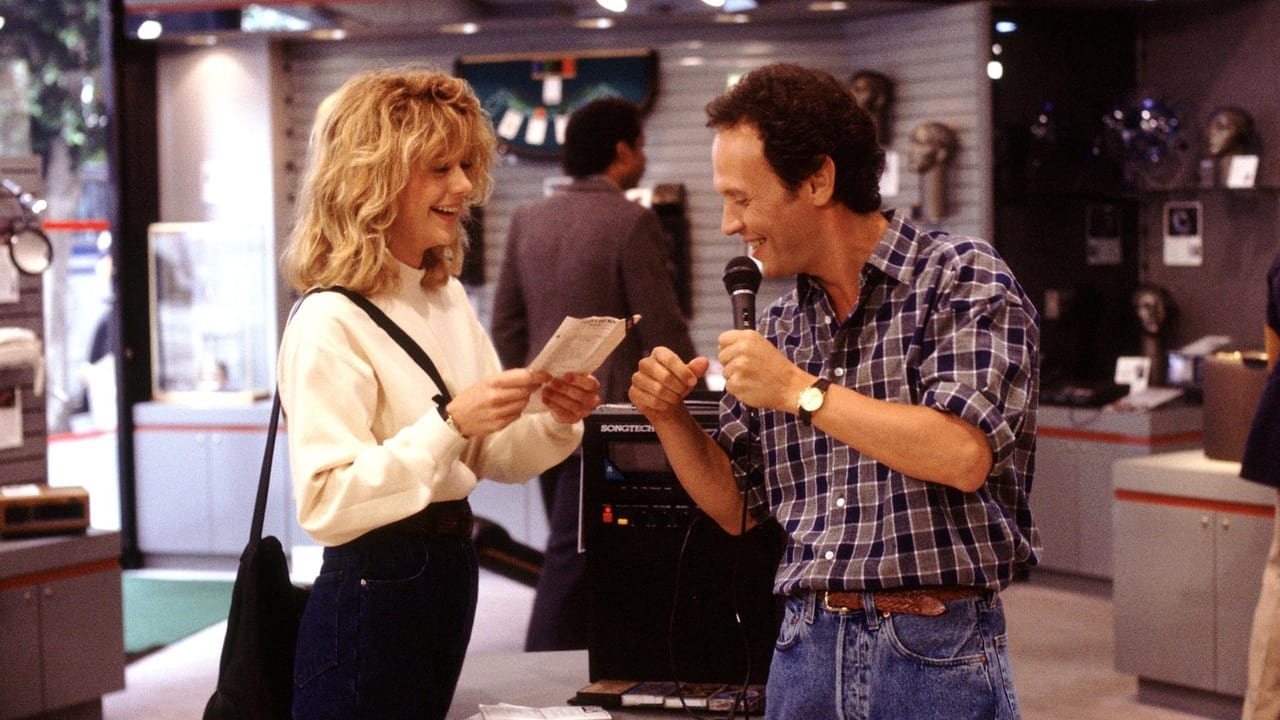
Let’s not forget the crucial supporting players. Carrie Fisher (bringing that same dry wit we adored in a galaxy far, far away) and Bruno Kirby are pitch-perfect as Marie and Jess, the best friends who initially try setting Harry and Sally up with each other before finding romance themselves. They act as both comedic foils and grounding forces, their straightforward coupling highlighting the messy complexities Harry and Sally navigate.
New York State of Mind
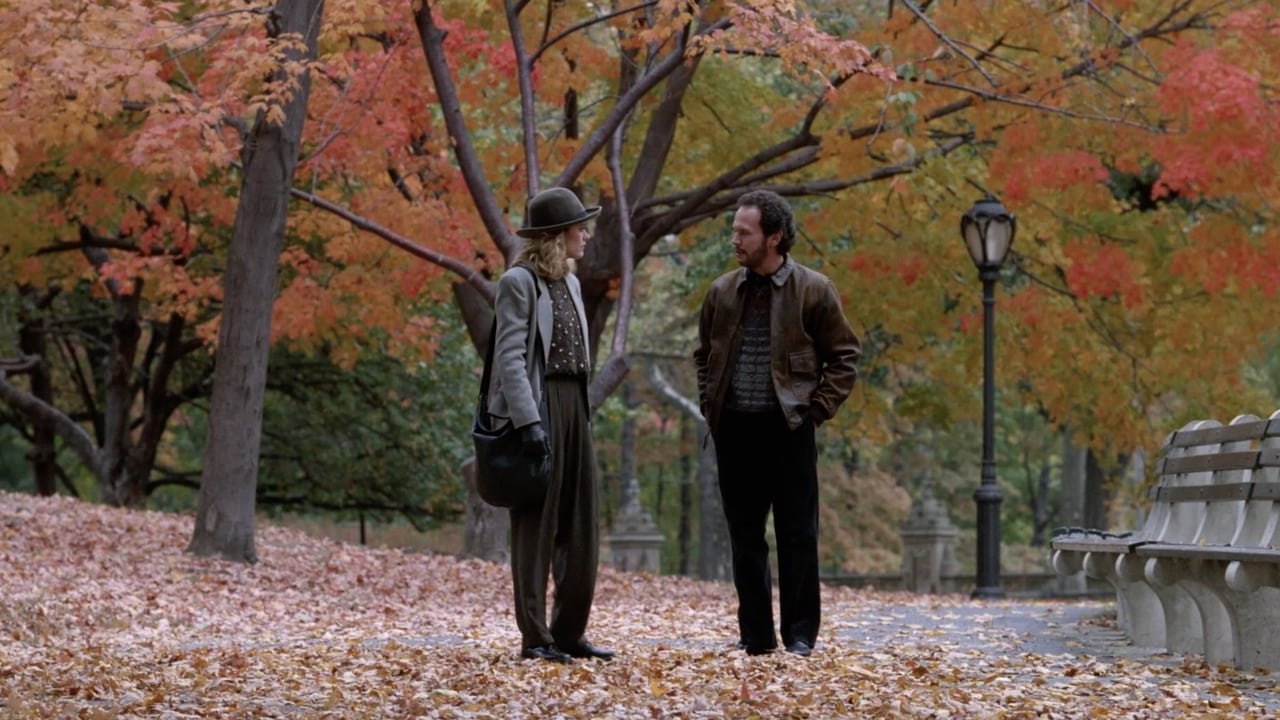
Reiner’s direction is wonderfully unobtrusive. He lets the script and the performances shine, creating a cozy, autumnal New York City atmosphere that feels like wrapping up in a warm blanket. Central Park, the Met, Washington Square Arch – the city itself becomes a character, witnessing the pair's evolving connection. And who can forget Katz's Delicatessen? The scene is legendary, not just for Sally's… demonstration, but for the perfect punchline delivered by Reiner’s own mother, Estelle: "I'll have what she's having." Reportedly, it was Crystal himself who suggested the line, cementing its place in cinematic history. Another inspired touch was Reiner’s inclusion of the interspersed interview segments with real elderly couples recounting their love stories. These vignettes lend the film a touching universality, reminding us that Harry and Sally’s search for connection is part of a timeless human narrative.
Beyond the Binary: Why It Still Resonates
Does the "can men and women be friends?" question feel a little dated now? Perhaps. But the film’s enduring power lies in how it uses that question to explore deeper truths about intimacy, vulnerability, the fear of loneliness, and the different ways love can manifest. It acknowledges that the lines between friendship and romance can be blurry, messy, and complicated. It suggests that perhaps the strongest romantic partnerships are built on a foundation of genuine friendship, shared history, and accepting the other person, flaws and all. The film was a significant hit, earning over $90 million in the US against a $16 million budget, proving audiences were hungry for a rom-com with brains and heart. It revitalized the genre, setting a standard that countless others have tried (and often failed) to replicate. Renting this tape from Blockbuster, maybe alongside Dirty Dancing or Ferris Bueller's Day Off, felt like bringing home a guaranteed good time, but one that left you thinking, too.
Rating: 9/10
This score reflects the film's near-perfect blend of whip-smart writing, stellar performances, genuine emotional resonance, and masterful direction. Ephron's dialogue remains unparalleled in the genre, Crystal and Ryan's chemistry is iconic, and the film’s structure and themes elevate it far above standard romantic comedy fare. It loses a single point perhaps only because its central conceit, while provocative, might feel slightly less revolutionary today, but its execution remains brilliant.
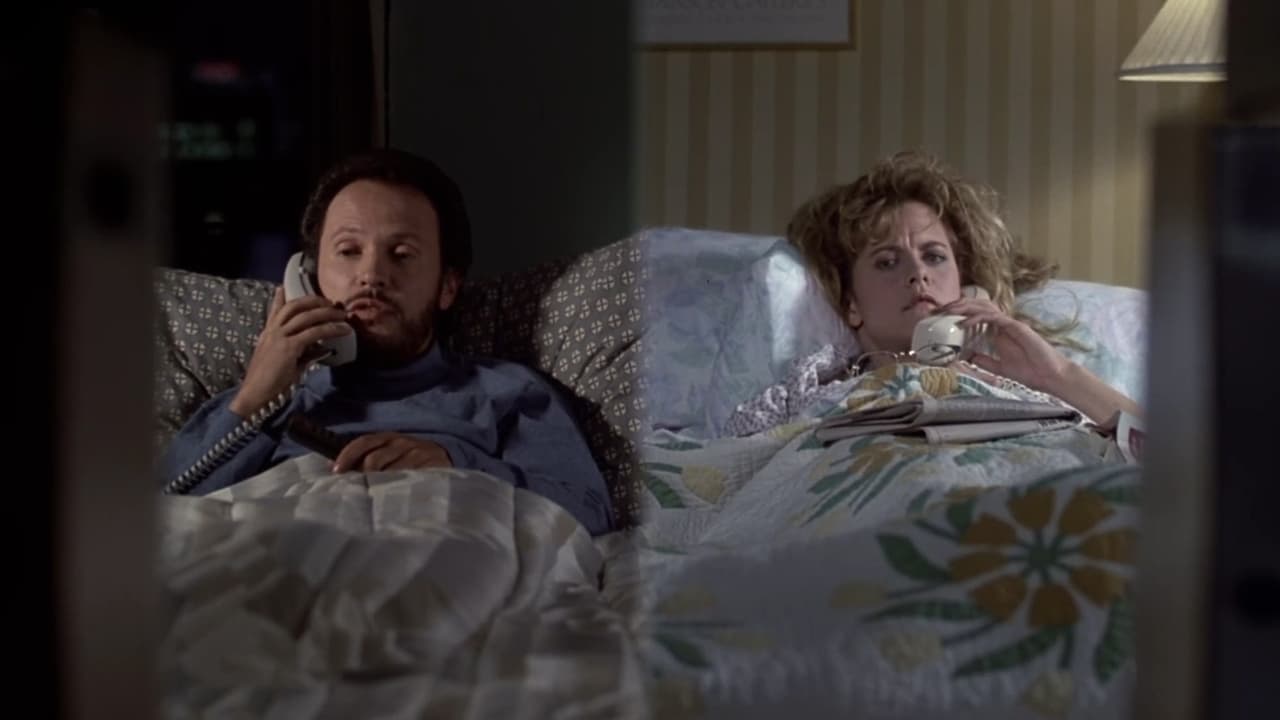
When Harry Met Sally... isn't just a great romantic comedy; it's a wise, witty, and wonderfully human film that feels as fresh and relevant now as it did when that cassette first clicked into the VCR. It reminds us that sometimes, the most profound connections are the ones that sneak up on you, one shared cab ride, bookstore browse, or late-night phone call at a time. What lingers most? Perhaps the comforting thought that true companionship is worth the wait, even if it takes twelve years and three months.