Detective Conan: The Time Bombed Skyscraper
It’s 1997. You’ve been diligently following the adventures of the pint-sized genius detective on your television, perhaps catching dubbed episodes after school or maybe, just maybe, getting your hands on fuzzy, fan-subtitled VHS tapes traded amongst fellow enthusiasts. Then comes the news: a full-length Detective Conan movie! Detective Conan: The Time Bombed Skyscraper (known internationally sometimes as Case Closed: The Time Bombed Skyscraper) wasn't just another episode; it felt like an event, a sign that this clever kid detective was hitting the big time. Seeing that familiar blue blazer and red bow tie embark on a feature-length case felt like a reward for dedicated fans, promising higher stakes and cinematic spectacle.
The Clock is Ticking, Literally
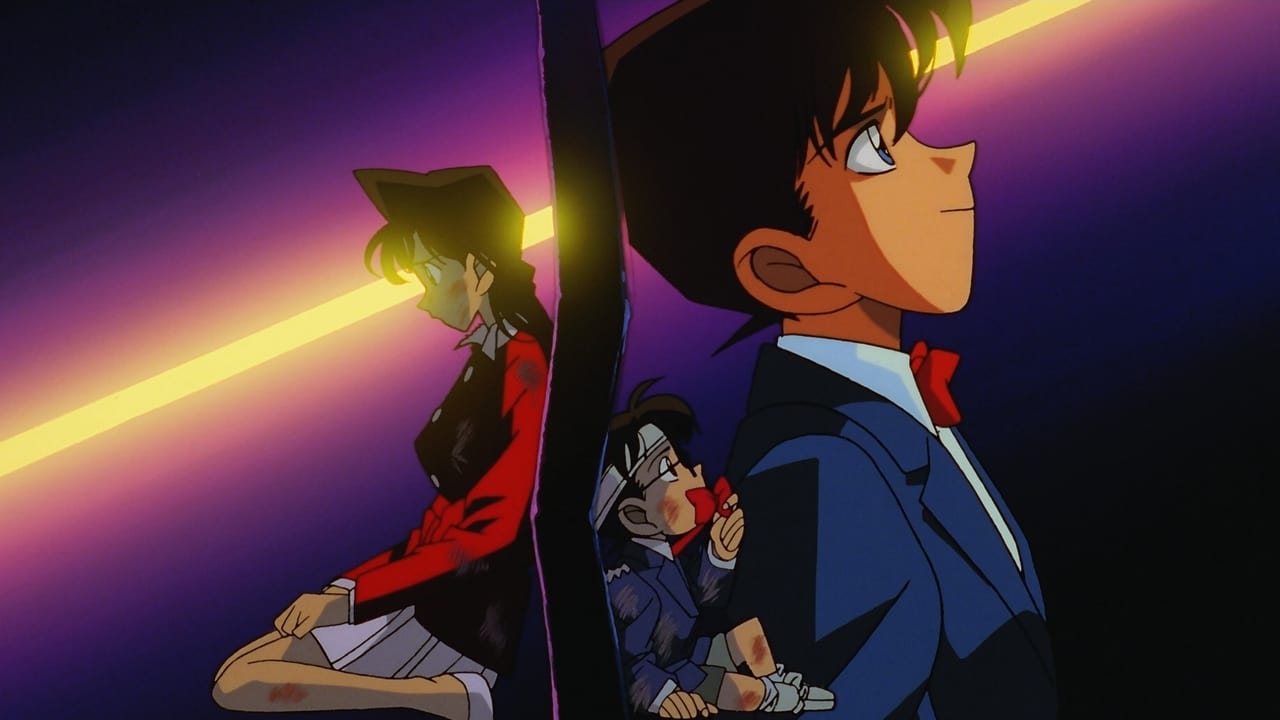
Directed by Kenji Kodama, a veteran hand who helmed many early episodes of the TV series, and penned by Kazunari Kouchi based on the world created by Gosho Aoyama, the film wastes no time establishing its grander scale. Instead of a single puzzling murder, Conan Edogawa (voiced with enduring energy by Minami Takayama) faces a series of bombings orchestrated by a mysterious terrorist targeting architect Teiji Moriya. The motive? A twisted sense of aesthetic perfection, railing against the asymmetry in Moriya's earlier, less-renowned works. This premise allows the film to spread its action across various Tokyo landmarks, culminating, as the title suggests, in a frantic race against time within a towering skyscraper rigged to blow. What truly elevates the tension, though, is the deeply personal connection: Conan's childhood friend (and object of his teenage affection, pre-shrinking incident) Ran Mouri (Wakana Yamazaki) is trapped inside the final target location, unaware of the danger or that her desperate phone calls are with Shinichi Kudo (Conan's true identity), not just his elementary school alter-ego.
Bigger Case, Same Brilliant Mind
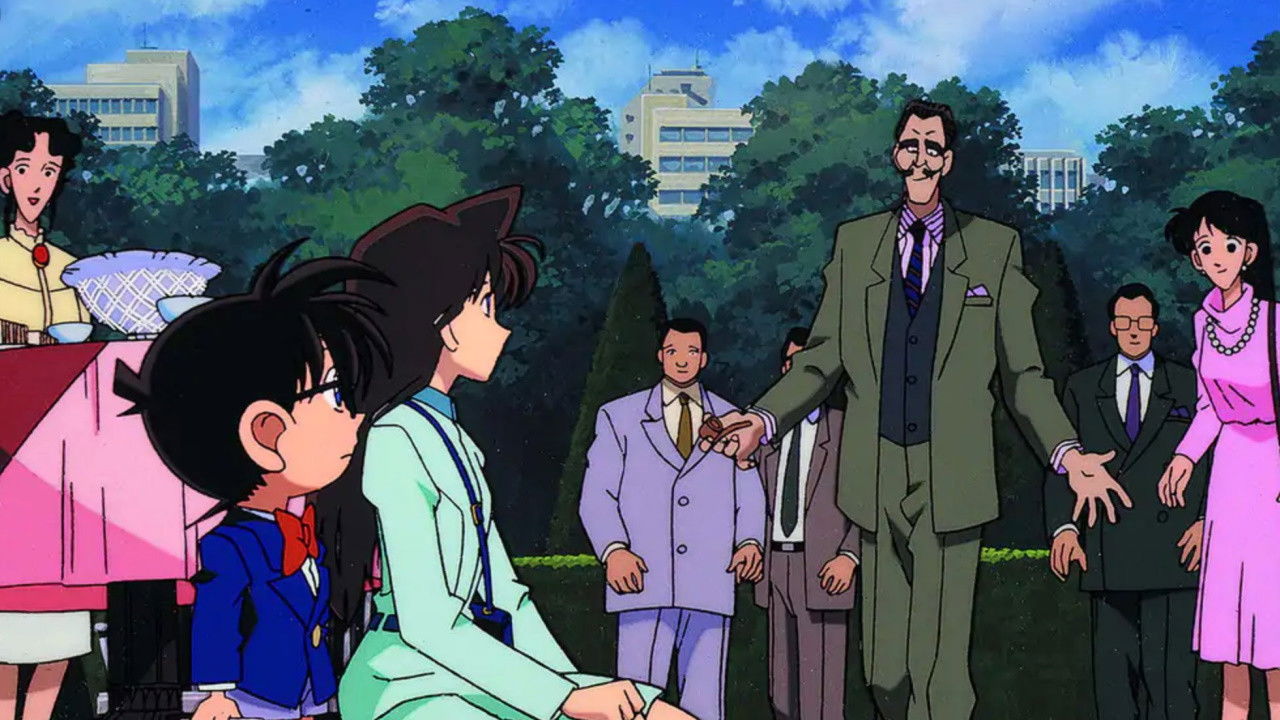
What The Time Bombed Skyscraper did so effectively was translate the core appeal of the Detective Conan series onto a larger canvas. While the explosions and action set pieces are certainly more ambitious than the TV show typically allowed, the heart of the film remains Conan's brilliant deductive reasoning. We still get those satisfying moments where he pieces together seemingly disparate clues, connects the bomber's architectural obsession to potential targets, and uses his tricked-out gadgets (courtesy of Professor Agasa) in ingenious ways. It avoids the trap of simply becoming an action movie with Conan tacked on; the mystery and the methodical process of solving it remain paramount. Even the bumbling-but-lovable private eye Kogoro Mouri (Akira Kamiya, in one of his classic roles before a voice actor change later in the franchise) gets his moments, providing comic relief and the occasional accidental insight.
Retro Fun Facts: Building the Foundation
As the very first theatrical outing for Detective Conan, this film carried considerable weight. It needed to prove the franchise could sustain a feature-length narrative and draw audiences. It succeeded admirably, pulling in ¥1.1 billion (around $9 million USD back in '97) at the Japanese box office, a solid performance that greenlit what would become an astonishingly consistent and popular annual film series still running today. It's fascinating to think that this single movie laid the groundwork for decades of cinematic adventures. The animation, typical of late 90s TV-to-film anime productions, has that charming cel-drawn look – perhaps lacking the slick digital polish of later entries, but possessing a certain handcrafted warmth that feels right at home in our VHS Heaven. There's a tangible quality to the backgrounds and character designs that evokes the era perfectly. Remember how finding anime films like this on VHS often felt like uncovering hidden treasure? Maybe you spotted it at a Suncoast Video, a local comic shop, or traded tapes at a convention. Getting to watch Conan on the 'big screen' (even if it was your trusty CRT) felt special, a far cry from the instant streaming access we have today.
That Skyscraper Showdown
The final act remains a highlight. The tension ramps up beautifully as Conan guides Ran through disarming a bomb via phone call, a sequence fraught with emotion and genuine suspense. The "red wire or blue wire?" dilemma is given a poignant, character-driven twist that resonates deeply with their relationship. It’s moments like these, blending high-stakes action with the established character dynamics, that cemented the film's success and provided a blueprint for future installments. Sure, looking back, some plot elements might feel a tad convenient, and the villain's motivations are certainly theatrical, but it all works within the heightened reality of the Conan universe.
The Verdict
Detective Conan: The Time Bombed Skyscraper is more than just the first movie; it's a confident and exciting declaration of the franchise's cinematic potential. It successfully amplified the scale and stakes while retaining the clever mystery-solving and character charm that made the series a hit. The animation holds nostalgic appeal, the central mystery is engaging, and the climactic sequence delivers genuine thrills. It masterfully balanced introducing newcomers to Conan's world while giving longtime fans a satisfyingly epic adventure.
Rating: 8/10
This film earns its score by being a remarkably strong start to a cinematic legacy. It proved the formula worked on a larger scale, delivered memorable moments, and perfectly captured the essence of Detective Conan for the big screen. It might not be the most complex or visually stunning of the Conan movies that followed, but as the one that started it all, it holds a special place. A truly foundational piece of 90s anime history, and a thrilling ride back into the world of Japan's greatest little detective. Now, who else suddenly feels like re-watching some classic anime on a staticky tape?