It’s a strange footnote in cinematic history, isn't it? A film initially destined for the home video shelves, hastily bumped up to a theatrical release with minimal marketing push, only to quietly exit cinemas before finding its true, enduring audience right here in the aisles of the video store. For many of us, Batman: Mask of the Phantasm (1993) wasn’t a big-screen event, but a discovery made later, nestled between other action flicks and animated features on a trusty VHS tape. And what a discovery it was – arguably one of the most potent, emotionally resonant portrayals of the Dark Knight ever created, animated or otherwise.
Gotham's Ghosts
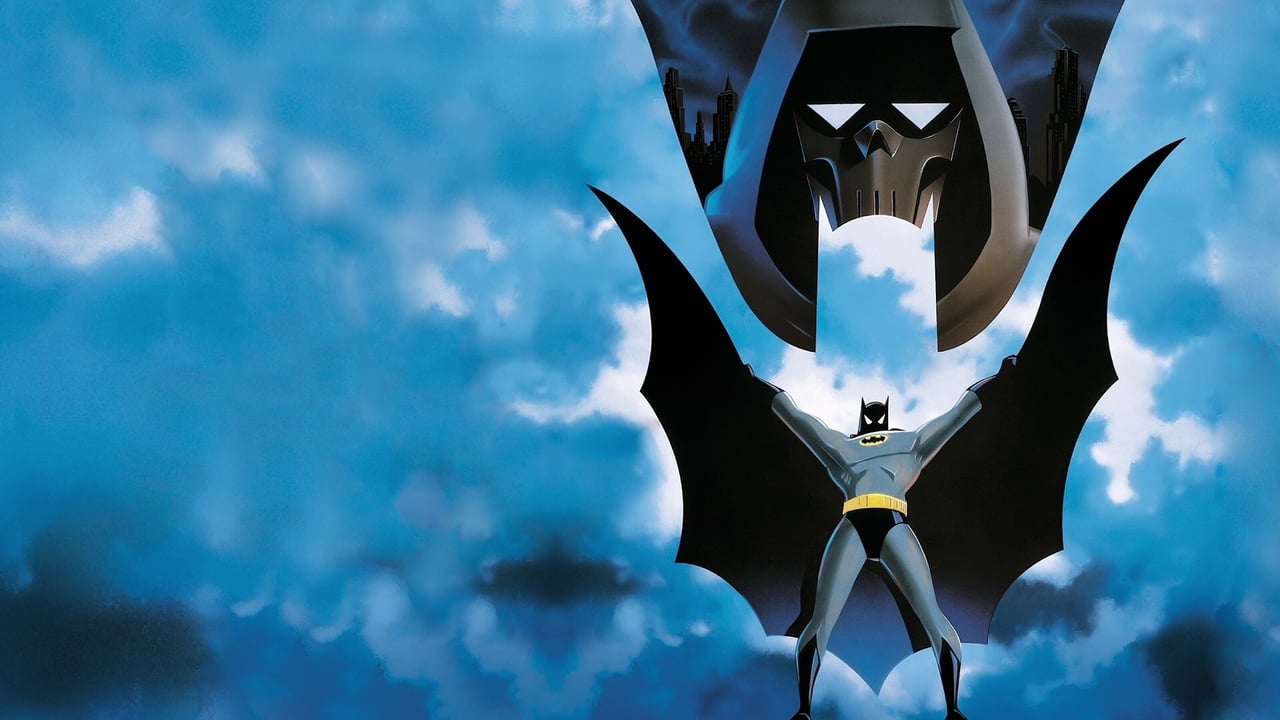
From its opening moments, Mask of the Phantasm plunges you into the moody, timeless Gotham City established by the groundbreaking Batman: The Animated Series. Directors Eric Radomski and Bruce Timm, along with a powerhouse writing team including Alan Burnett and Paul Dini, didn't just replicate the show's acclaimed style; they elevated it. The screen breathes with Art Deco grandeur and rain-slicked menace. This isn't merely a cartoon; it's animated noir, thick with shadows and moral ambiguity. The plot kicks off with a classic setup: prominent mobsters are being systematically eliminated by a terrifying, smoke-wreathed vigilante known only as the Phantasm. The twist? Batman is implicated, forcing him to clear his name while simultaneously confronting ghosts from his own past, triggered by the return of his former fiancée, Andrea Beaumont (Dana Delany).
More Than Just a Mask

What truly sets Phantasm apart, especially looking back from our modern era saturated with superhero origin stories, is its profound exploration of Bruce Wayne's psyche. Through elegantly woven flashbacks, we witness a Bruce not yet consumed by the Bat – a man genuinely in love, contemplating a life beyond vengeance. We see the painful birth of Batman not just as a response to his parents' murder, but as a consequence of devastating personal loss and a conscious, heart-wrenching choice to sacrifice his own happiness. This adds a layer of tragedy to the character that few other adaptations dare to explore so deeply. You feel the weight of his vow, the isolation it enforces. Doesn't this exploration of sacrifice resonate more deeply than many simpler tales of heroic resolve?
The film asks difficult questions about the nature of justice and revenge. The Phantasm, driven by motivations mirroring Bruce's own traumatic past, acts as a dark reflection. It forces us, and Bruce, to confront the thin line between heroism and vigilantism, between seeking justice and succumbing to vengeance. The complexity here is remarkable for what was, initially, conceived as a direct-to-video animated feature.
The Definitive Voices
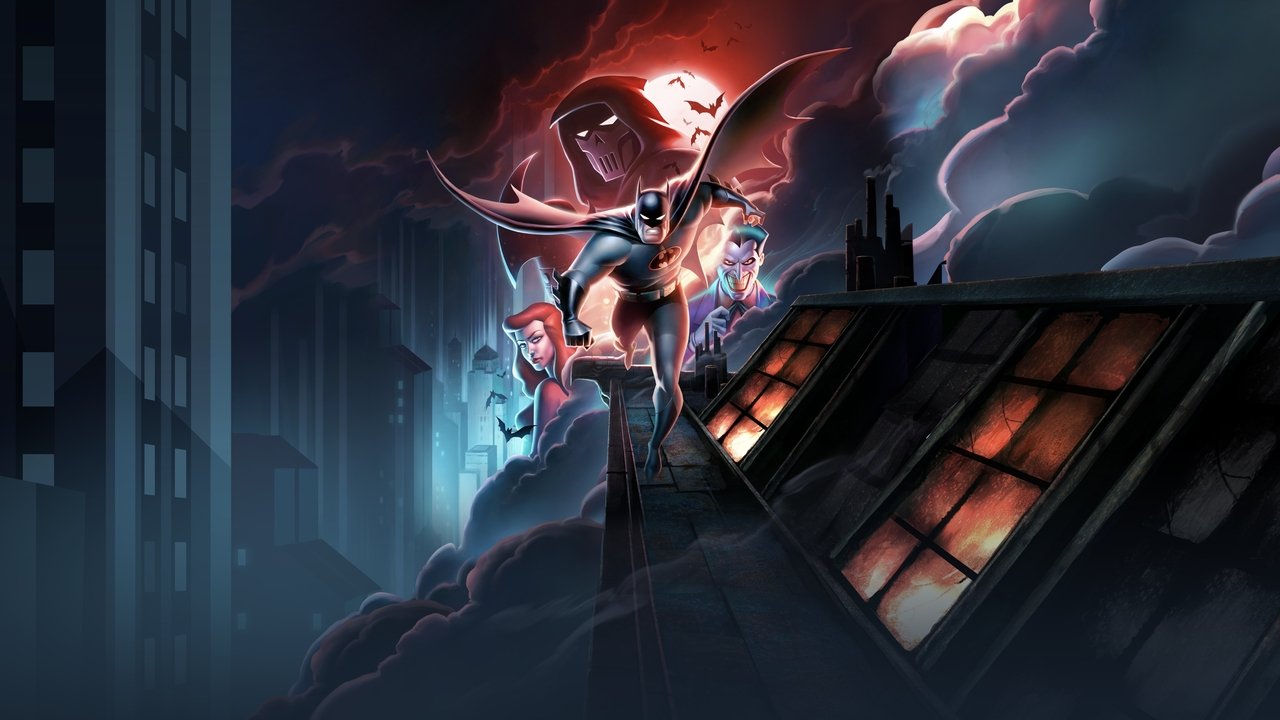
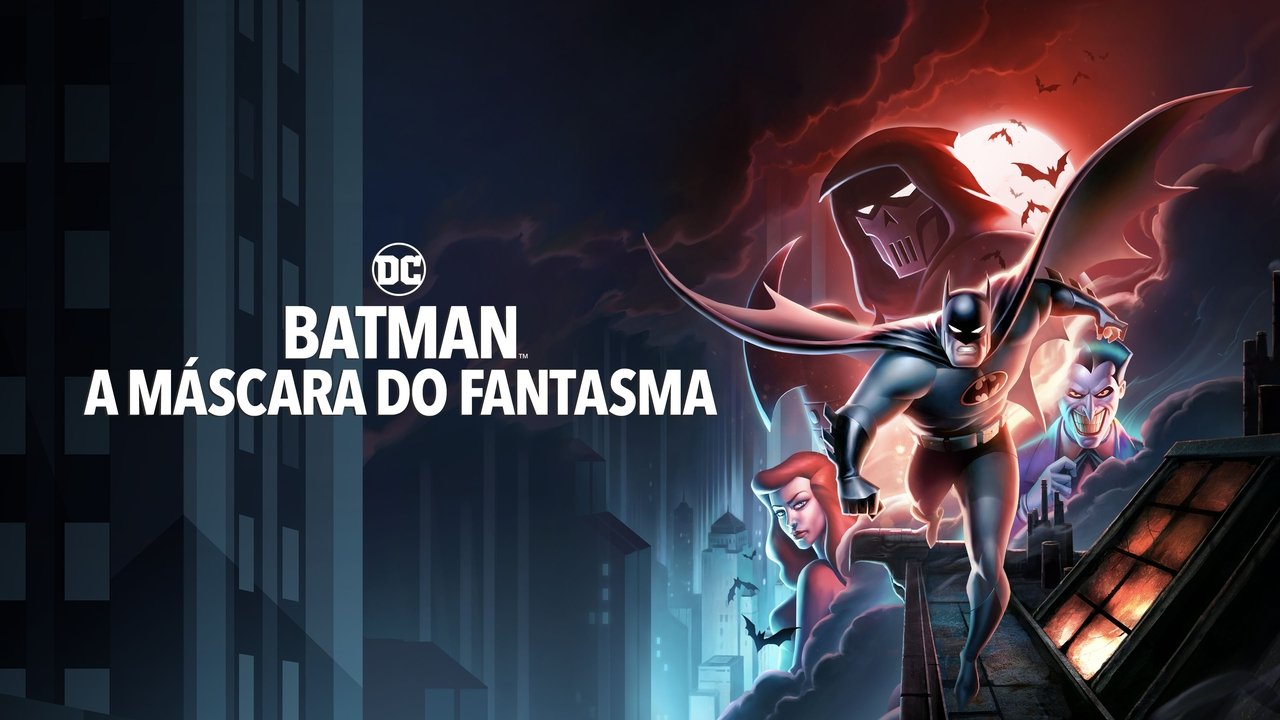
It's impossible to discuss Phantasm without celebrating the voice cast, many reprising their iconic roles from The Animated Series. Kevin Conroy is Batman. His distinct portrayal of Bruce Wayne – vulnerable, haunted, yet capable of warmth – versus the deep, imposing timber of Batman is simply definitive. It’s a performance layered with subtle grief and steely resolve that grounds the entire film. Hearing his anguished cry near the film’s climax remains utterly chilling.
Equally essential is Mark Hamill's Joker. Freed from broadcast standards, his Joker is more unhinged, more gleefully sadistic, yet still retaining that theatrical flair that made his interpretation legendary. His appearance here isn't tacked on; it's integral to the climax, providing a chaotic counterpoint to the calculated vengeance of the Phantasm and the tormented justice of Batman. And Dana Delany brings incredible depth to Andrea Beaumont, crafting a character who is intelligent, wounded, and formidable – far more than just a damsel or a plot device. Her chemistry with Conroy sells the central romance and its tragic dissolution beautifully.
From Small Screen Ambition to Big Screen Art
The leap from television to a theatrical feature, though rushed (reports suggest the entire film was produced in a mere eight months!), is evident in the production values. The animation feels more fluid, the scope grander, the action sequences more dynamic – particularly the thrilling chase through a construction site. The visual language, that signature 'Dark Deco' style blending 1940s aesthetics with futuristic tech, is used to stunning effect. Composer Shirley Walker, who sadly passed away far too young, delivers a score that is simply magnificent – operatic, haunting, and perfectly capturing the film's melancholic grandeur. It’s a score that rivals many live-action blockbusters of the era.
Considering its hurried production and modest $6 million budget (which, even adjusted for inflation, is peanuts compared to modern superhero epics), the final product is astonishing. It's a testament to the clear vision and immense talent of the creative team. While it tragically underperformed at the box office, grossing only $5.6 million, its life on VHS and later DVD cemented its reputation. I distinctly remember finally catching it on tape after hearing whispers of how good it was, feeling like I'd unearthed a hidden gem – a feeling many fans likely share. It became the Batman movie we talked about with reverence, the one that got the character on a fundamental level.
The Lingering Shadow
Batman: Mask of the Phantasm isn't just a great animated film; it's a great Batman film, period. It respects the character's darkness but also finds his humanity. It delivers thrilling action but prioritizes emotional depth and thematic complexity. It proved, perhaps more convincingly than anything before or since, that animation could be a powerful medium for telling mature, sophisticated superhero stories. Its influence can be felt in countless animated projects that followed, striving for that same blend of style and substance.
Rating: 9.5/10
This near-perfect score reflects the film's masterful storytelling, iconic voice performances, stunning visual style, and profound emotional resonance. The narrative is tight, the characters compelling, and its exploration of Batman's core conflicts remains arguably unmatched. Its initial theatrical failure feels like a historical anomaly against the sheer quality on display, quality that thankfully found its devoted audience thanks to the magic of home video.
What lingers most after the credits roll? For me, it's the image of Bruce Wayne, kneeling at his parents' grave, begging for release from a vow made in anguish – a moment of raw vulnerability that defines the tragedy and sacrifice at the heart of the Batman mythos.