Alright, settle into your favorite armchair, maybe pop some corn. Tonight on VHS Heaven, we’re dusting off a curious little number from the mid-90s, a film that might have slipped past you on the rental shelves but definitely deserves a second look: 1996’s Mrs. Winterbourne. It’s one of those charmingly earnest films that blends romance, comedy, and a dash of melodrama, all wrapped up in a premise that stretches belief just enough to be delightful.

You might be surprised to learn that this relatively lighthearted tale of mistaken identity actually has roots in some pretty dark soil. It’s based on the novel I Married a Dead Man by Cornell Woolrich, a master of noir suspense whose work usually led to far grimmer cinematic outings. That original story was even adapted into the 1950 Barbara Stanwyck film No Man of Her Own. Knowing this adds a fascinating layer to Mrs. Winterbourne, directed by the ever-reliable Richard Benjamin (who gave us gems like My Favorite Year (1982)). The adaptation, penned by Phoef Sutton and Lisa-Maria Radano, decidedly steers away from the shadows, opting instead for warmth and sentimentality, a choice that defines the film's unique, slightly off-kilter appeal.
### From Down-and-Out to High Society
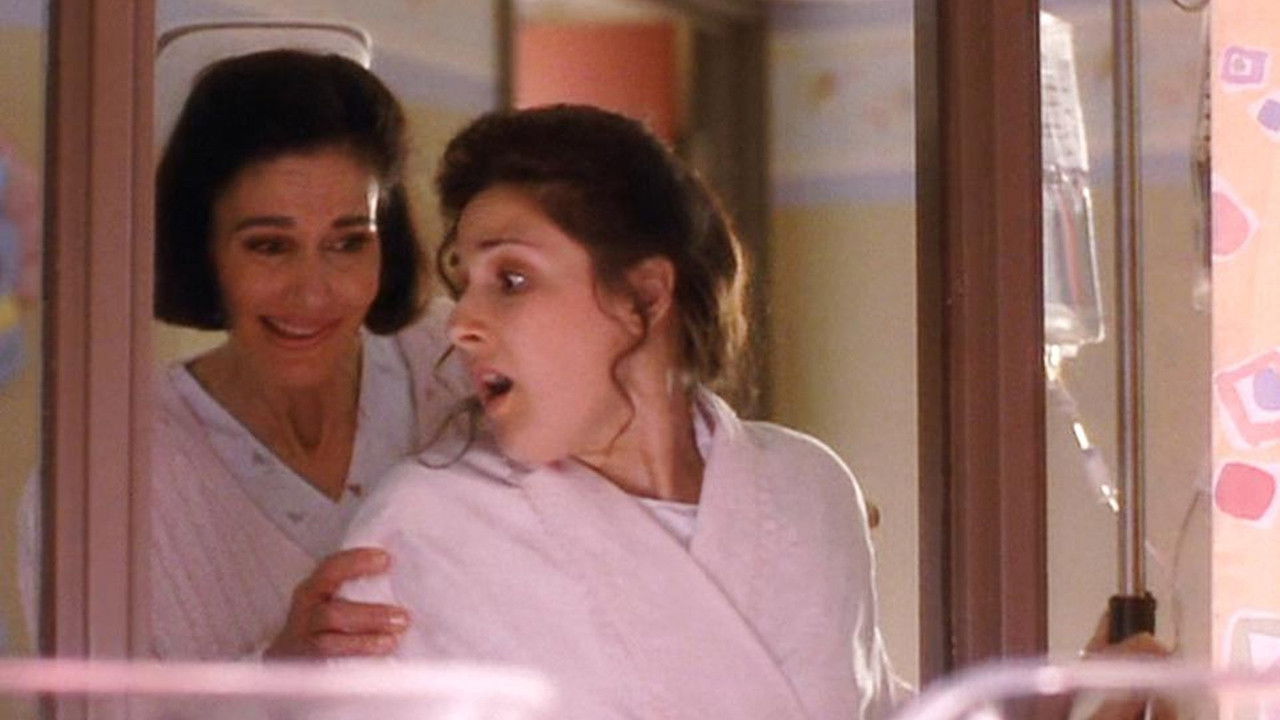
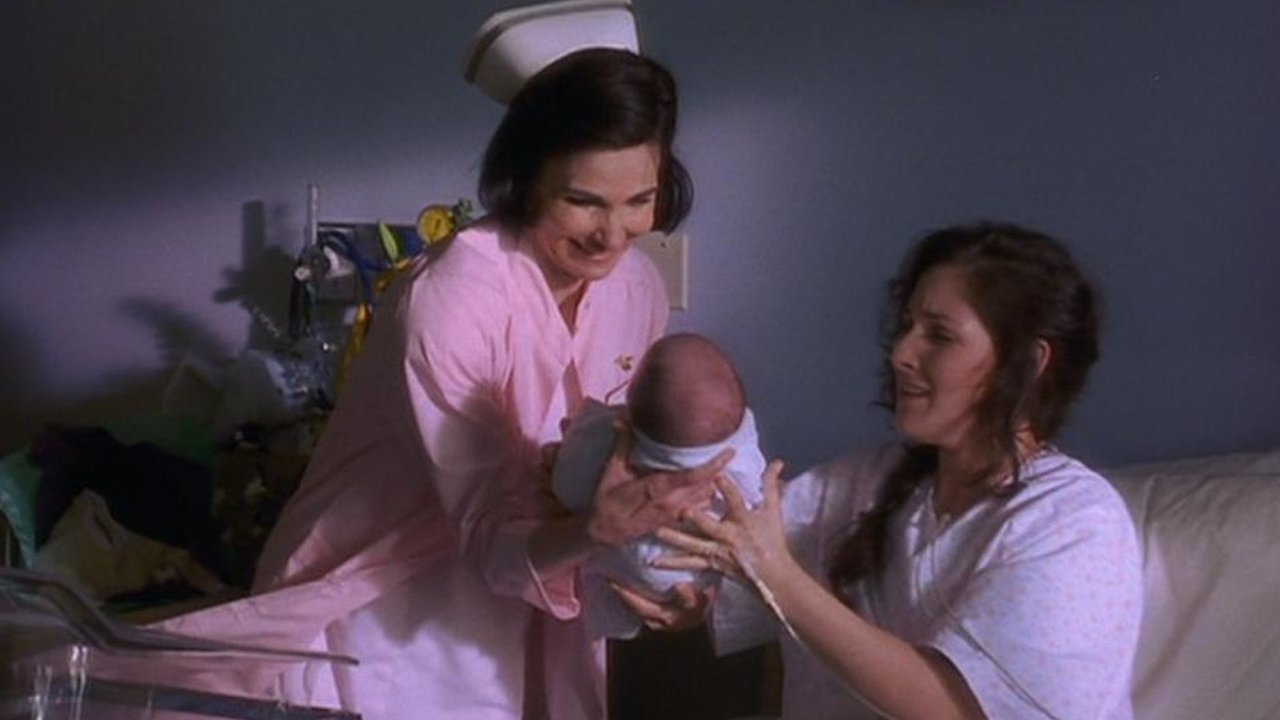
The story kicks off with Connie Doyle, played by Ricki Lake in a role that felt like a significant departure from her massively popular daytime talk show persona at the time. Connie is pregnant, penniless, and unceremoniously dumped by her low-life boyfriend. Desperate and alone, she hops a train, where a chance encounter changes everything. She meets the kind Hugh Winterbourne (Brendan Fraser) and his pregnant wife, Patricia. Through a twist of fate involving a conveniently placed wedding ring and a horrific train crash (handled with surprising gentleness for the plot it serves), Connie wakes up in a hospital mistakenly identified as Patricia, who tragically perished along with Hugh.
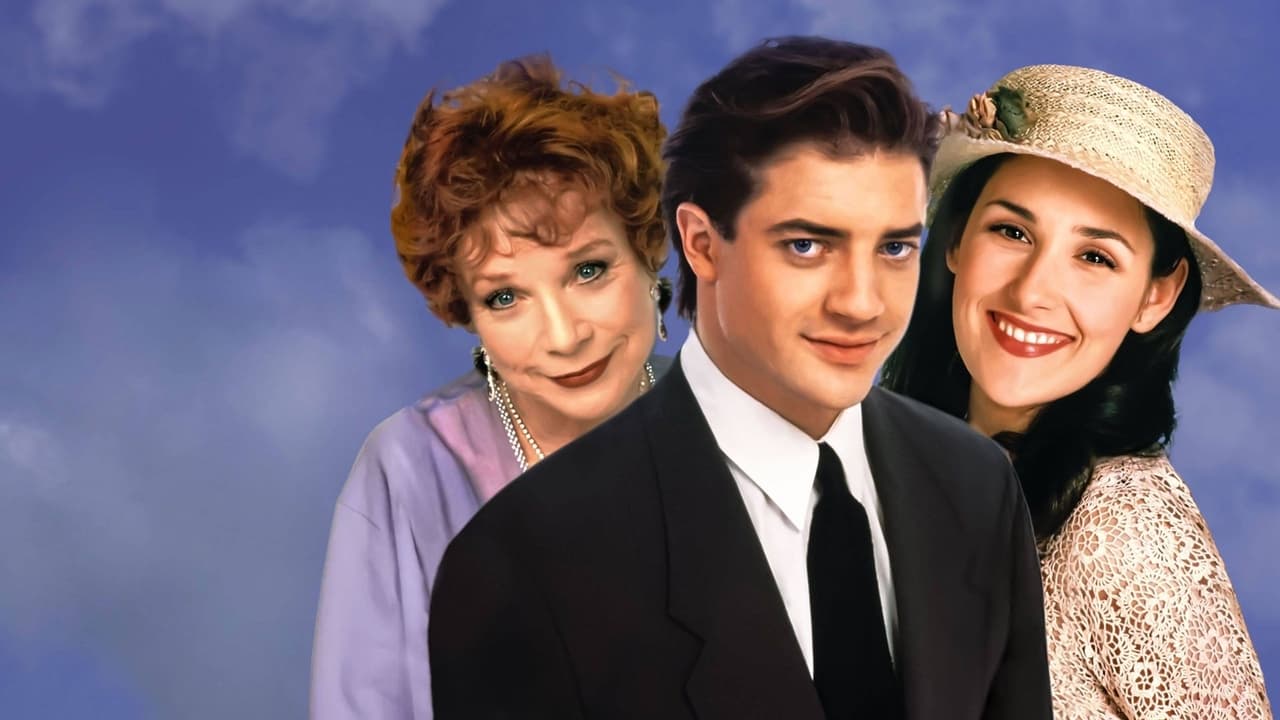
Suddenly, Connie finds herself whisked away to the opulent Winterbourne estate, under the watchful, initially suspicious eye of Hugh’s formidable mother, Grace Winterbourne, played with pitch-perfect aristocratic hauteur by the legendary Shirley MacLaine. What follows is a classic fish-out-of-water scenario, as the street-smart Connie navigates the unfamiliar world of old money, manners, and expectations, all while trying to maintain her enormous secret and care for her newborn baby, now believed to be a Winterbourne heir.
### A Charming Trio Navigates the Absurd
The success of Mrs. Winterbourne really hinges on its central performances. Ricki Lake brings a genuine vulnerability and streetwise charm to Connie. It was a gamble casting her, moving from the confessional chaos of her talk show to a leading lady role, but she carries the film with an appealing blend of toughness and heart. You genuinely root for Connie, even as the lies pile higher.
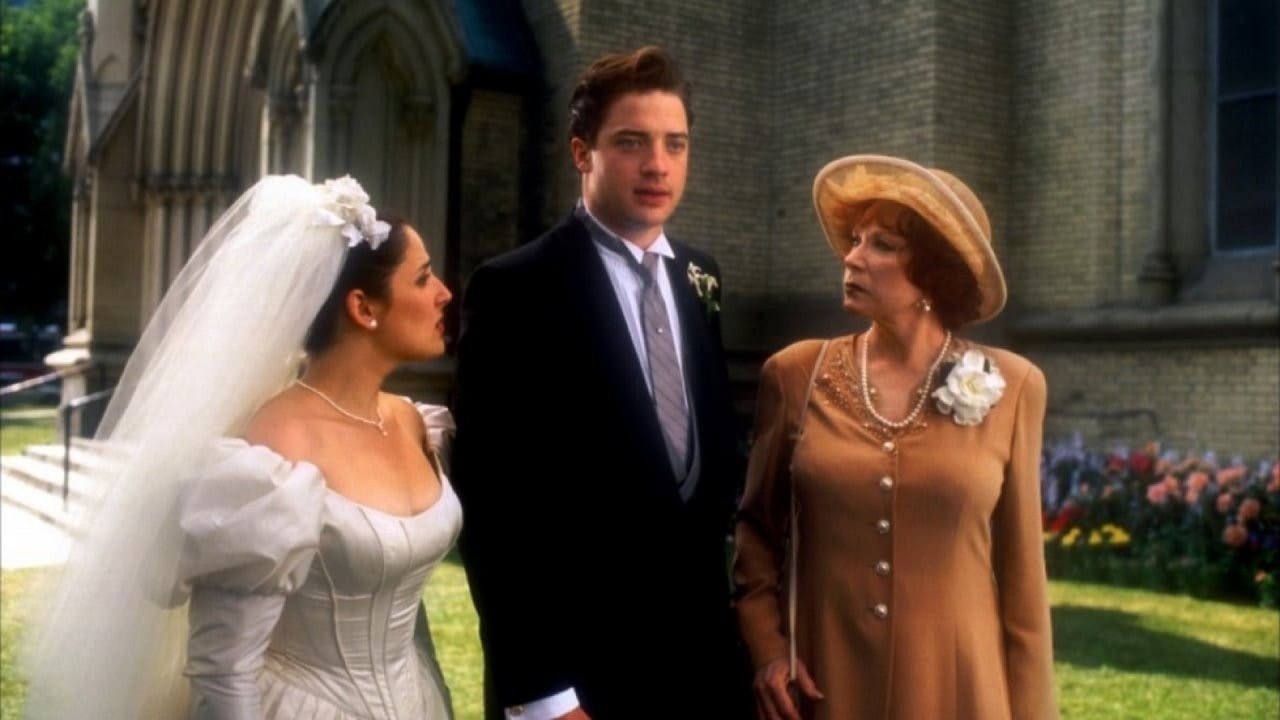
Then there’s Brendan Fraser, pulling double duty as both the deceased Hugh and his suspicious, initially standoffish identical twin brother, Bill. This was prime 90s Fraser, radiating that earnest charm and subtle comedic timing he was becoming known for after films like Encino Man (1992). Watching Bill slowly thaw towards Connie, suspecting something is amiss but drawn to her anyway, forms the romantic core of the film. Fraser handles the twin roles distinctly; Hugh is open and warm in his brief appearance, while Bill is more reserved and watchful, making their differences clear despite the identical looks. It's a classic trope, handled with sincerity.
And Shirley MacLaine? Well, she’s simply magnificent. As Grace Winterbourne, she could easily have been a caricature of a wealthy matriarch. Instead, MacLaine, a true screen veteran even then, infuses Grace with layers of grief, suspicion, eventual warmth, and impeccable comedic timing. Her interactions with Connie, shifting from icy disapproval to grudging affection, are some of the film's highlights. The chemistry between these three leads is what sells the slightly preposterous plot.
### Retro Fun Facts & 90s Flavor
Despite its star power and generally sweet nature, Mrs. Winterbourne wasn't exactly a smash hit upon release. Made on a reported budget of $25 million, it struggled to find its audience, grossing only around $10 million domestically. Critics were somewhat mixed, perhaps unsure what to make of its tonal blend and softened noir origins. Yet, like so many films from the era, it found a second life on home video. Renting this felt like discovering a hidden gem, a cozy weekend watch that delivered smiles and a touch of fairy-tale escapism.
The production design does a lovely job contrasting Connie's initial gritty reality with the almost overwhelming luxury of the Winterbourne mansion. It leans into that 90s aesthetic where wealth looked comfortable and slightly traditional, rather than starkly modern. There’s a certain comforting quality to the film’s look and feel, reminiscent of other mid-budget studio pictures from that time – polished, but not overly slick.
One can't help but wonder how different the film might have felt if it had hewed closer to Woolrich's darker vision. Would it have been a more critically acclaimed thriller? Possibly. But it wouldn't have been this movie – the one with the gentle humor, the burgeoning romance against unlikely odds, and the underlying message about finding family in unexpected places. The decision to make it lighter, focusing on character and charm, gives Mrs. Winterbourne its specific nostalgic appeal.
### Is It Still Worth a Rewind?
Watching Mrs. Winterbourne today is like revisiting a pleasant, slightly fuzzy memory. Yes, the plot requires a significant suspension of disbelief. Yes, some elements feel undeniably 'of their time'. But the warmth generated by Lake, Fraser, and MacLaine is undeniable. It’s a film with its heart firmly in the right place, offering a comforting story about second chances and the families we choose (or accidentally inherit). It might not be a cinematic masterpiece, but it possesses a genuine sweetness that’s hard to dislike. It perfectly captures that hopeful, sometimes slightly naive, spirit found in many 90s romantic comedies.
Rating: 6.5/10
The rating reflects a film that overcomes a shaky premise and mixed initial reception thanks to genuinely charming lead performances and a heartwarming core. Ricki Lake proves capable beyond her talk show fame, Brendan Fraser delivers his reliable 90s appeal times two, and Shirley MacLaine elevates every scene she’s in. It’s not perfect – the blend of comedy, drama, and romance can feel a little uneven, and its box office struggles speak to its niche appeal. However, for fans of the actors or anyone seeking a comforting slice of mid-90s cinematic charm, it offers a genuinely pleasant viewing experience that earns its spot in the nostalgic archives.
So, if you spot that familiar cover art lurking somewhere, give Mrs. Winterbourne a spin. It’s a gentle reminder that sometimes, even the most tangled lies can lead you exactly where you belong.