Okay, grab your favorite oversized sweater and maybe a secret notebook – we're diving back into the wonderfully weird and surprisingly perceptive world of a sixth-grade supersleuth. Remember that unmistakable yellow raincoat cutting through the crisp autumn streets of late '90s cinematic New York (even if much of it was actually expertly disguised Toronto)? Harriet the Spy arrived in 1996, not just as another kids' movie, but as something a bit... different. It felt sharper, maybe a little sadder, but ultimately deeply relatable for anyone who ever felt like an outsider looking in.
### The Observer Becomes Observed
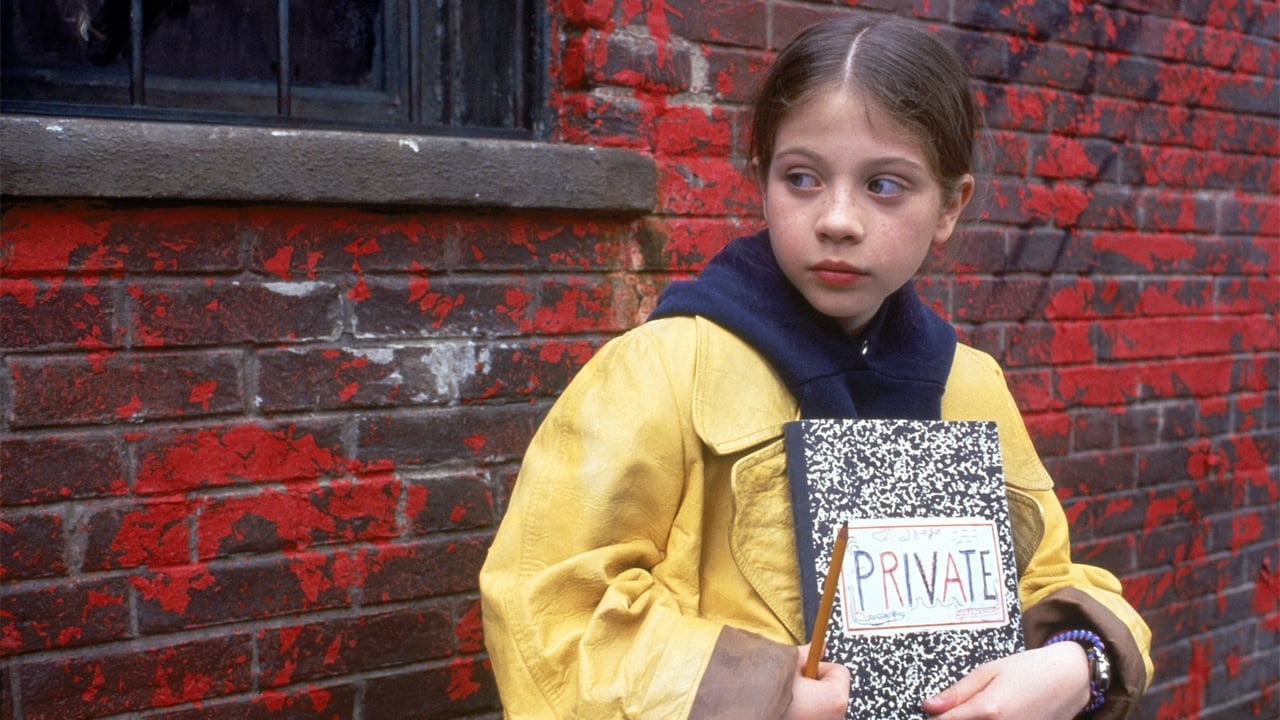
Based on Louise Fitzhugh's classic, though sometimes controversial, 1964 children's novel, the film brought Harriet M. Welsch vividly to life. Harriet wasn't just playing detective; spying was her calling. Armed with her trusty composition notebook and an almost unnerving level of dedication, she documented the quirks and secrets of everyone around her – her classmates, her eccentric neighbors, even her own parents. This wasn't just idle curiosity; it was practice for her future career as a writer, fueled by the encouragement of her wonderfully wise and unconventional nanny, Golly, played with pitch-perfect warmth by the undisputed Queen of Nice of the era, Rosie O'Donnell.
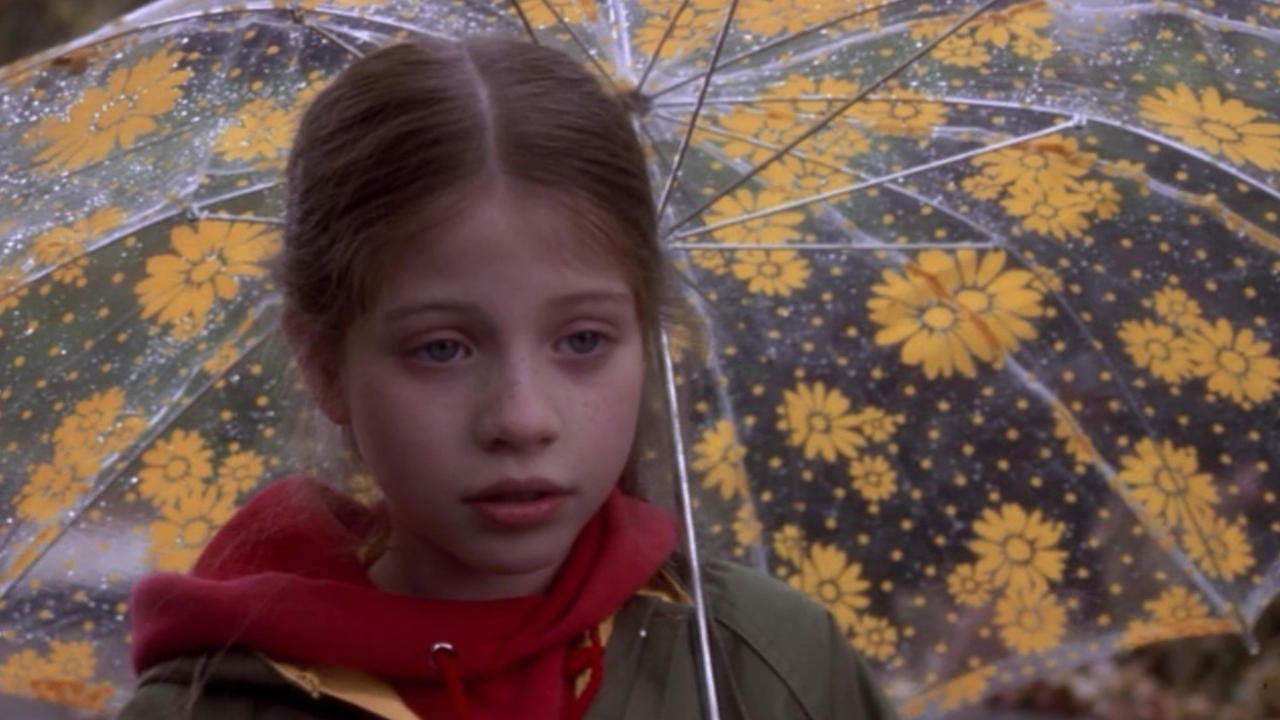
Director Bronwen Hughes, making her feature film debut after honing her craft on acclaimed TV shows like Homicide: Life on the Street, captured Harriet's world with a certain visual flair. There’s a tangible texture to the film – the falling leaves, the cozy brownstones, Harriet's cluttered attic bedroom lair. Hughes didn't shy away from the book's inherent melancholy, giving the film a grounded feel that set it apart from brighter, bouncier kids' fare of the time. You really felt Harriet's isolation, even before her world inevitably comes crashing down.
### When Secrets Spill
And crash it does. The inciting incident – Harriet losing her sacred notebook, only for it to fall into the vengeful hands of her classmates, led by the perfectly petty Marion Hawthorne – is pure childhood nightmare fuel. Suddenly, Harriet's brutally honest (and often unflattering) observations are public knowledge. The scene where her private thoughts are read aloud, turning her friends Sport (Gregory Smith, who many would later recognize from Everwood) and Janie against her, is genuinely painful to watch, even now. It taps into that universal fear of exposure and social rejection.
This is where Michelle Trachtenberg, in a remarkable breakout role at just 11 years old, truly shines. She navigated Harriet's complex emotions – her initial arrogance, her shock, her deep hurt, and her eventual, fumbling attempts at reconciliation – with a maturity that belied her age. It wasn't just about pouting; you could see the gears turning, the dawning realization of the consequences of her actions. Finding the right Harriet was crucial; reportedly, hundreds of young actresses auditioned before Trachtenberg landed the part that would launch her career, leading to roles like Dawn Summers in Buffy the Vampire Slayer (a show later written and produced by Harriet co-writer Douglas Petrie – small world!).
### Golly, Wisdom, and Tomato Sandwiches
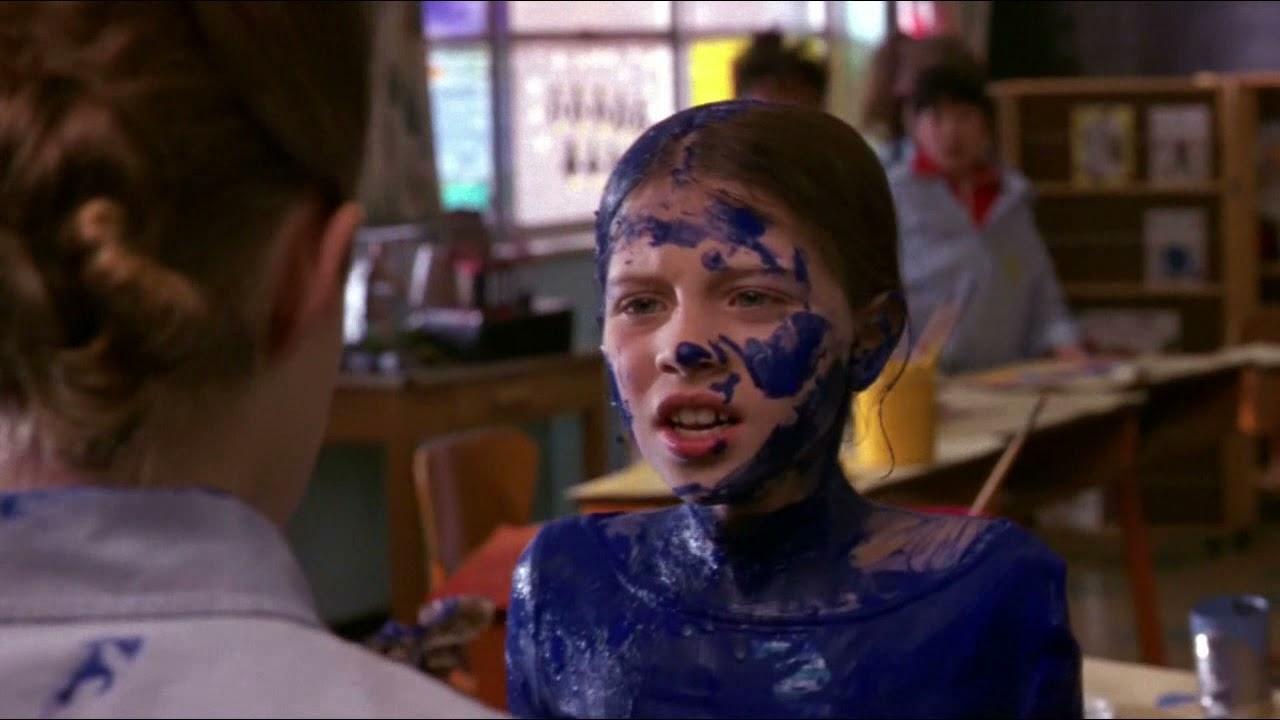
While Harriet grapples with becoming a social pariah (complete with blue paint ambushes!), the film's heart often lies with Golly. Rosie O'Donnell imbues the character with such genuine affection and offbeat wisdom. Her advice – "Good friends are one of life's greatest blessings," and the slightly tougher love about sometimes needing to apologize even if you don't feel you're wrong, or even lie – felt like real guidance, not just movie platitudes. Golly’s departure scene? Still gets me misty-eyed, honestly. She was the cool, understanding adult we all wished we had. And who didn't crave one of those signature tomato sandwiches after watching?
The film, penned by Petrie and Theresa Rebeck, managed to update the 60s novel for a 90s audience without losing its core message about individuality, the messiness of growing up, and the importance of empathy. It wasn't afraid to show that Harriet wasn't always likable, making her eventual growth feel earned. The production, working with a modest budget of around $13 million (which feels almost quaint today!), did an admirable job creating Harriet's vibrant world, stretching those dollars to deliver a film that looked and felt authentic. While it wasn't a runaway blockbuster, pulling in about $26.6 million worldwide, it certainly found its audience on home video, becoming a beloved Harriet the Spy VHS memory for countless kids navigating their own social minefields. Initial critical reviews were somewhat mixed (it holds a 48% on Rotten Tomatoes), perhaps reflecting its slightly darker, more introspective tone compared to typical family films, but its reputation among those who grew up with it remains strong.
### Finding Your Own Story
Harriet the Spy holds up remarkably well. Sure, the tech is dated (payphones!), but the themes are timeless. It’s a story about finding your voice, learning the difference between observation and judgment, and figuring out how to navigate the complicated landscape of friendship. It validated the feelings of kids who felt different, who spent more time watching than participating, assuring them that their perspective mattered. It reminds us that even spies need friends, and sometimes the hardest truths are the ones we have to write about ourselves.
Rating: 8/10
This score reflects a genuinely well-made film that stands out from the 90s kids' movie pack. Michelle Trachtenberg's performance is stellar, Rosie O'Donnell provides immense warmth, and the direction captures a unique, slightly melancholic but ultimately hopeful tone. It tackled real childhood anxieties with nuance and heart, justifying its place as a cherished, slightly more thoughtful, piece of 90s nostalgia. It earns its rating by being more than just fluff – it had something to say, and delivered it with memorable style.
For anyone wanting to revisit that feeling of youthful curiosity mixed with the pangs of growing pains, popping Harriet the Spy back into the VCR (or, you know, finding it streaming) is like catching up with an old, slightly awkward, but very insightful friend.