Okay, fellow tape travelers, let's adjust the tracking slightly and fast-forward just past the 90s finish line into the year 2000. While the local video store was probably swapping out its Titanic standees for Gladiator ones, the Disney Channel was hitting its stride, churning out original movies that became slumber party staples. And amidst the sci-fi adventures and magical mishaps, came a film tackling a different kind of cataclysm: the sudden arrival of Quints.
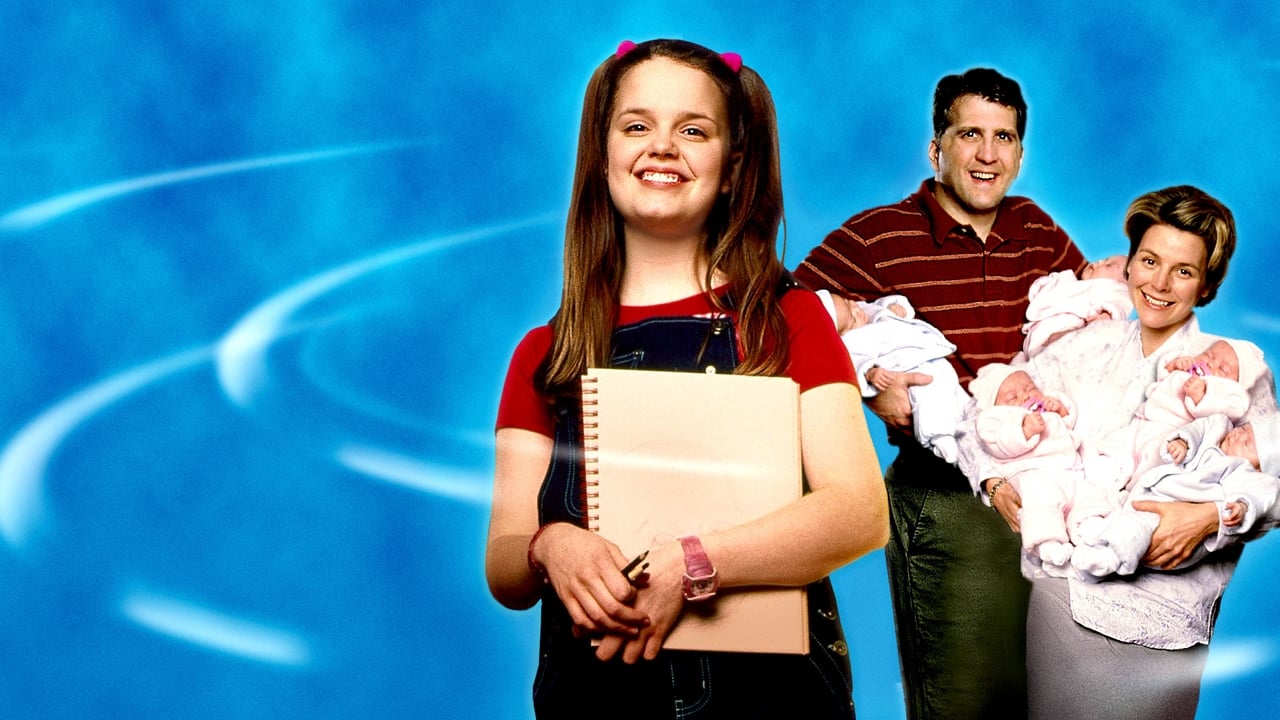
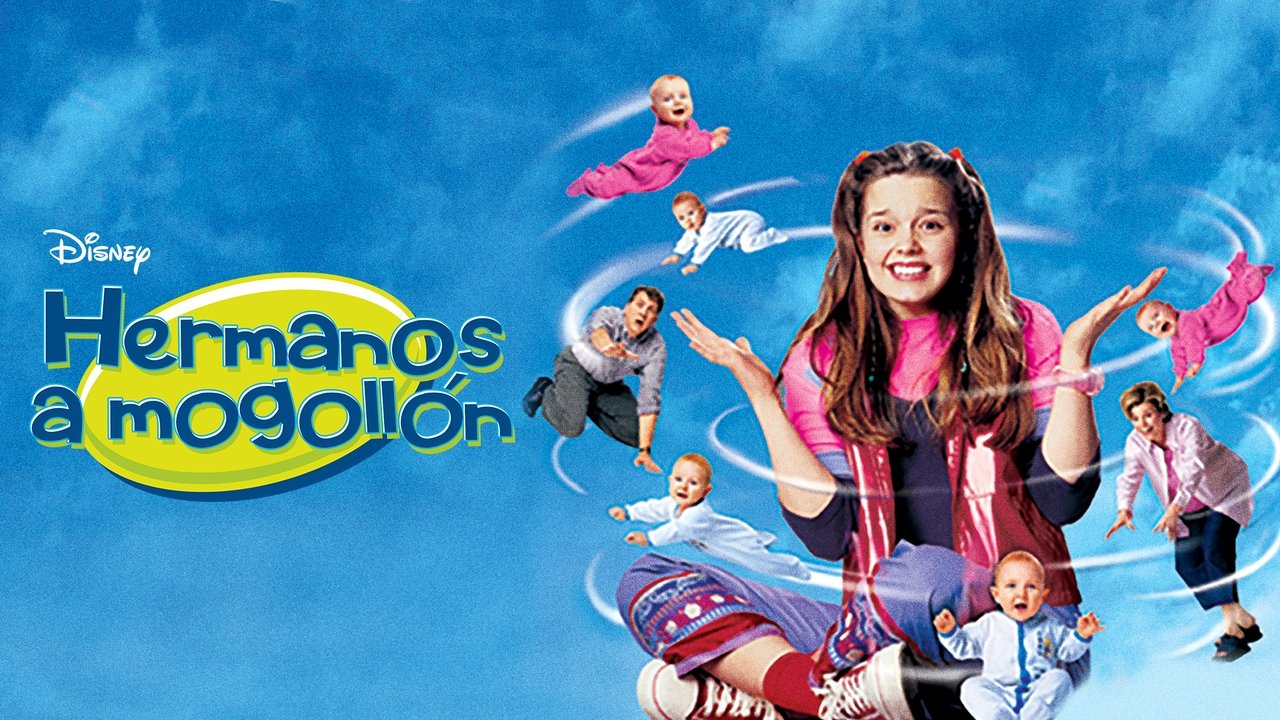
For many of us perhaps babysitting younger siblings or cousins, or maybe just channel-surfing after school, Quints offered a premise both overwhelming and strangely compelling. It wasn't about aliens or secret agents; it was about surviving an invasion of... babies. Five of them. At once. The film instantly taps into that universal kid-fear of being overshadowed, cranked up to an absurd, Gerber-sponsored extreme.
An Only Child's Worst Nightmare (Times Five)
The story centers on Jamie Grover, played with peak DCOM earnestness by Kimberly J. Brown. Fresh off charming audiences in Halloweentown (1998), Brown perfectly embodies the 14-year-old only child whose meticulously organized world implodes when her parents, Nancy and Jim (the perpetually flustered Elizabeth Morehead and Daniel Roebuck, a familiar face from countless character roles), welcome quintuplets. Suddenly, Jamie's life transforms from comfortable teenage solitude to a whirlwind of diapers, media frenzy, and a desperate scramble for parental attention – or even just a quiet corner.
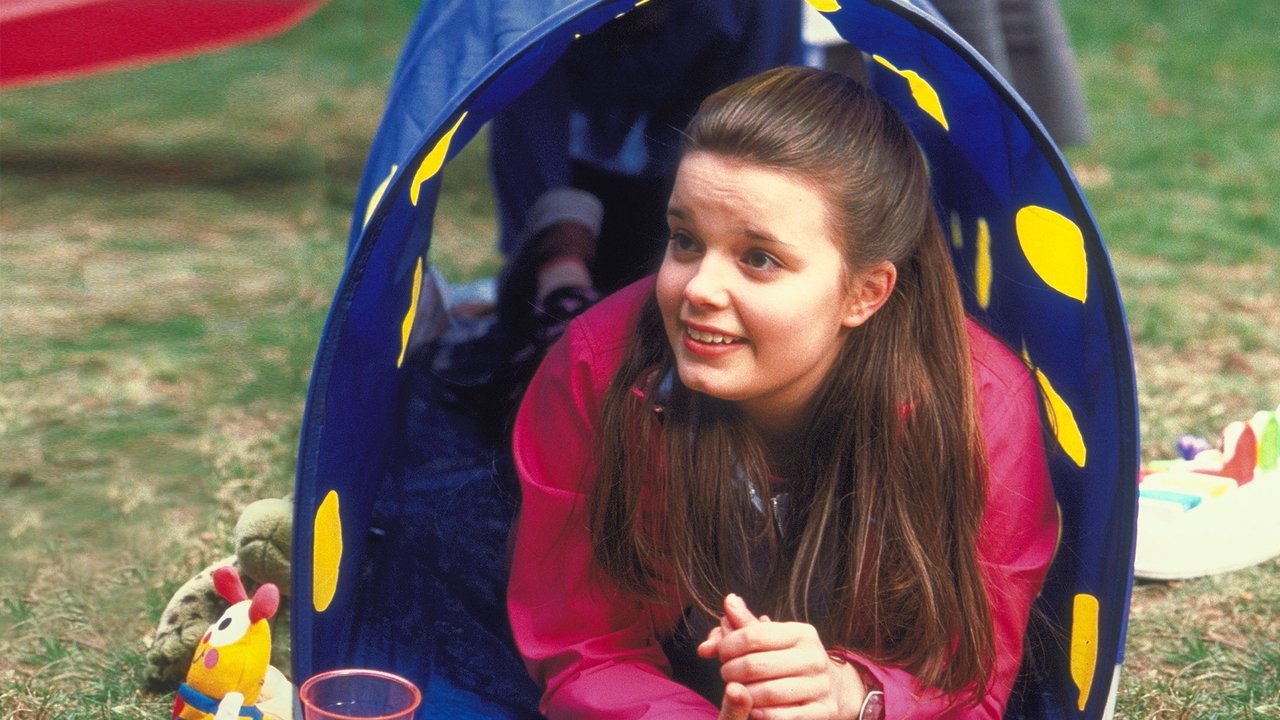
Director Bill Corcoran, a veteran of television filmmaking, keeps the tone light and the pacing brisk, leaning into the inherent comedy of the situation. Writers Gregory K. Pincus and Matthew Weisman effectively capture Jamie's perspective – the frustration, the jealousy, the gradual, reluctant acceptance. It’s a classic DCOM formula: relatable teen protagonist faces an extraordinary situation, learns life lessons, and delivers a heartfelt monologue by the end credits. And you know what? Back then, it worked.
Navigating the Chaos
What makes Quints memorable isn't high-stakes drama, but the sheer, relatable chaos. Jamie's attempts to reclaim her individuality – running for class president, focusing on a school art project – are constantly derailed by the sheer logistical nightmare her house has become. We see the exhaustion etched on her parents' faces, the well-meaning but overwhelming community support, and Jamie’s increasingly desperate bids for normalcy. Remember her colour-coded system for telling the babies apart? It felt like a genuine coping mechanism someone would invent in that situation.
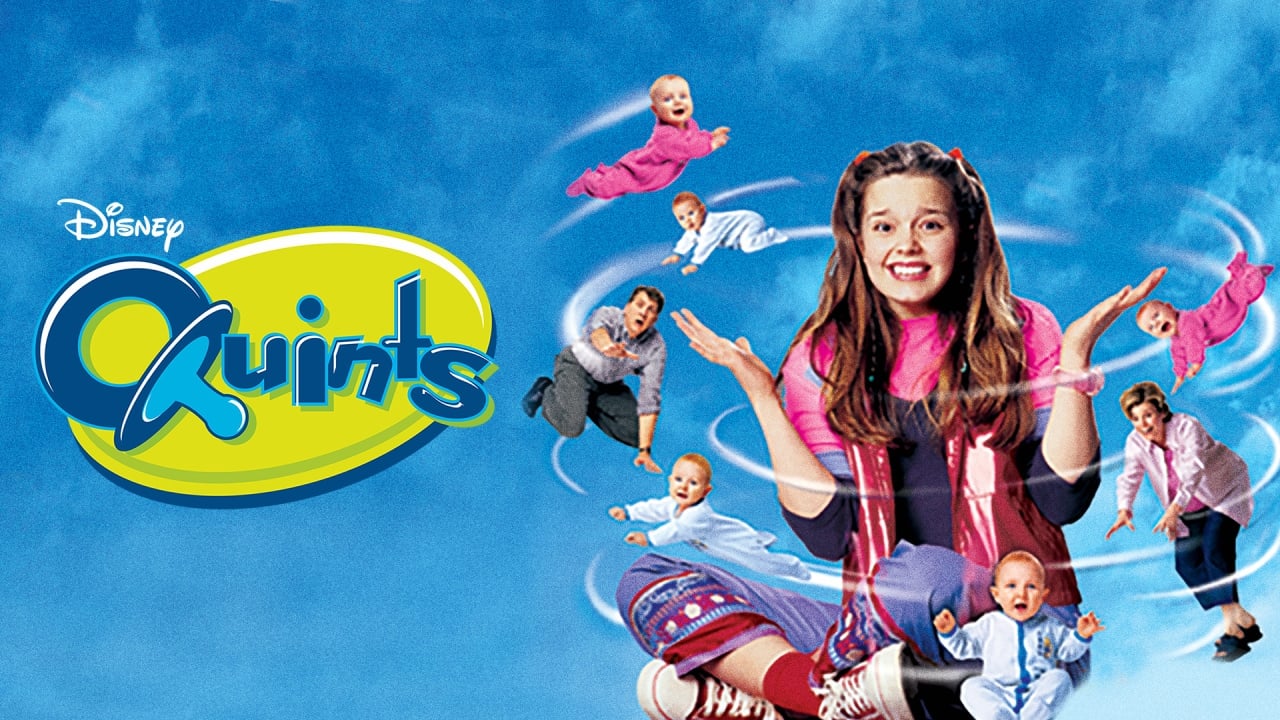
And let's talk about those babies! Filming with five infants simultaneously is a logistical feat rarely attempted for good reason. Like most productions, Quints employed a common trick: using sets of twins or triplets, combined with cleverly disguised dolls for wider shots or moments requiring less… unpredictable behavior. Still, the sheer visual of five occupied highchairs or five swinging baby seats hammers home the overwhelming reality of the Grovers' new life. It’s a simple visual gag, but effective.
More Than Just Diapers
Beneath the comedic frenzy, Quints touches on genuine themes. It explores sibling rivalry before the rivals can even talk, the changing dynamics of a family under pressure, and the difficult process of finding your own identity when your family suddenly becomes a local news story. Jamie's journey from feeling invisible and resentful to finding her unique role within the expanded family structure is predictable, sure, but it’s handled with a sincerity that resonates, especially for its target audience.
This wasn't a film aiming for gritty realism or complex character studies. It was designed as comfort food television, a brightly lit, gently humorous exploration of family adjustment. It perfectly encapsulates that early 2000s DCOM aesthetic – earnest performances, straightforward plots, and a guaranteed warm-fuzzy ending. It might lack the cult following of Zenon: Girl of the 21st Century (1999) or the spooky fun of Halloweentown, but it holds its own as a solid entry in the Disney Channel Original Movie canon.
### The Verdict
Watching Quints today feels like digging out a specific kind of time capsule – one filled with slightly baggy jeans, dial-up modem sounds somewhere in the background, and the comforting glow of the Disney Channel logo. It’s not groundbreaking cinema, but it’s charming, well-intentioned, and anchored by a relatable lead performance from Kimberly J. Brown. The premise is played for laughs, but the underlying themes of family and finding your place still land gently. It perfectly captured that feeling of your world changing irrevocably, albeit with more baby powder than most of us ever had to deal with.
Rating: 6.5/10
Justification: Quints earns its score by being a highly effective example of its specific genre – the early 2000s DCOM. It delivers exactly what it promises: lighthearted family comedy, a relatable teen perspective (Kimberly J. Brown is genuinely winning), and comforting life lessons. While predictable and lacking cinematic depth, it succeeds admirably within its made-for-TV constraints, offering genuine charm and a nostalgic warmth for those who grew up with it. The ".5" acknowledges its solid execution within the DCOM formula.
So, while it might not be the first tape you reach for on retro movie night, Quints remains a fond memory for many – a reminder that sometimes, the biggest adventures (and anxieties) happen right within your own chaotic, overcrowded home.