It begins with a question, simple yet profound, uttered by a child grappling with something immense: "God, are you there?" This earnest query lies at the heart of Wide Awake (1998), a film that feels like uncovering a half-forgotten photograph from a time capsule. Nestled between the brash blockbusters and cynical comedies that often filled the video store aisles, this quiet drama offered something different – a sincere, almost painfully earnest look at childhood faith, loss, and the bewildering search for meaning after a loved one departs.
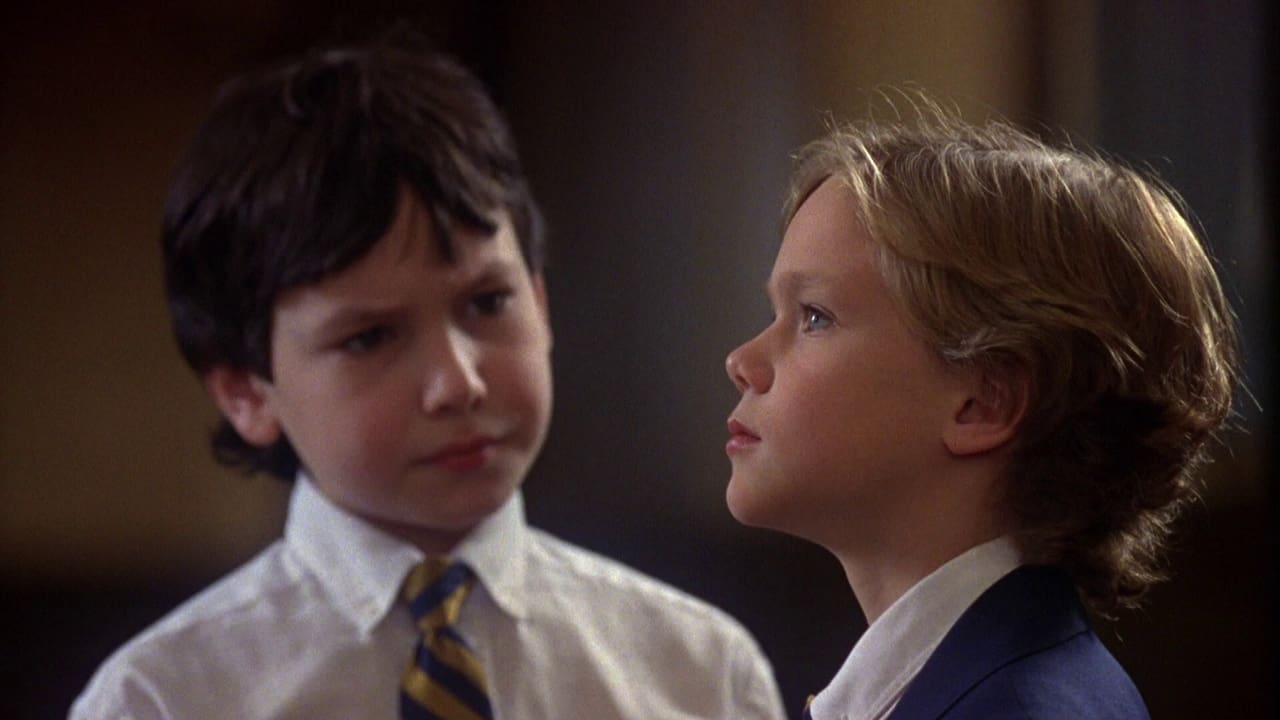
For many, the name M. Night Shyamalan immediately conjures images of twist endings, chilling suspense, and supernatural phenomena, largely thanks to his breakout smash The Sixth Sense (1999). But venture back just one year prior, and you find Wide Awake, a film so tonally distinct from his later work it almost feels like a different filmmaker entirely. Here, the only real twist is the absence of one. It’s a deeply personal film for Shyamalan, who wrote and directed it, drawing heavily on his own experiences attending a Catholic grade school in Philadelphia. Waldron Mercy Academy, his actual alma mater, even served as a primary filming location, lending an undeniable authenticity to the setting.
A Boy's Solemn Quest
At the center of the story is fifth-grader Joshua Beal, played with remarkable sensitivity by a young Joseph Cross. After his beloved grandfather (Robert Loggia, whose warm presence lingers long after his early departure) passes away, Joshua embarks on a very personal mission: to find definitive proof of God's existence and ensure his grandpa is okay. This isn't played for easy laughs or cynical jabs at religion; instead, the film treats Joshua’s quest with gentle respect, capturing the specific logic and unwavering determination only a child can possess. Cross carries the weight of the film admirably, portraying Joshua's vulnerability, intelligence, and moments of profound confusion without resorting to cloying precociousness. He feels like a real kid wrestling with questions too big for his grade level.
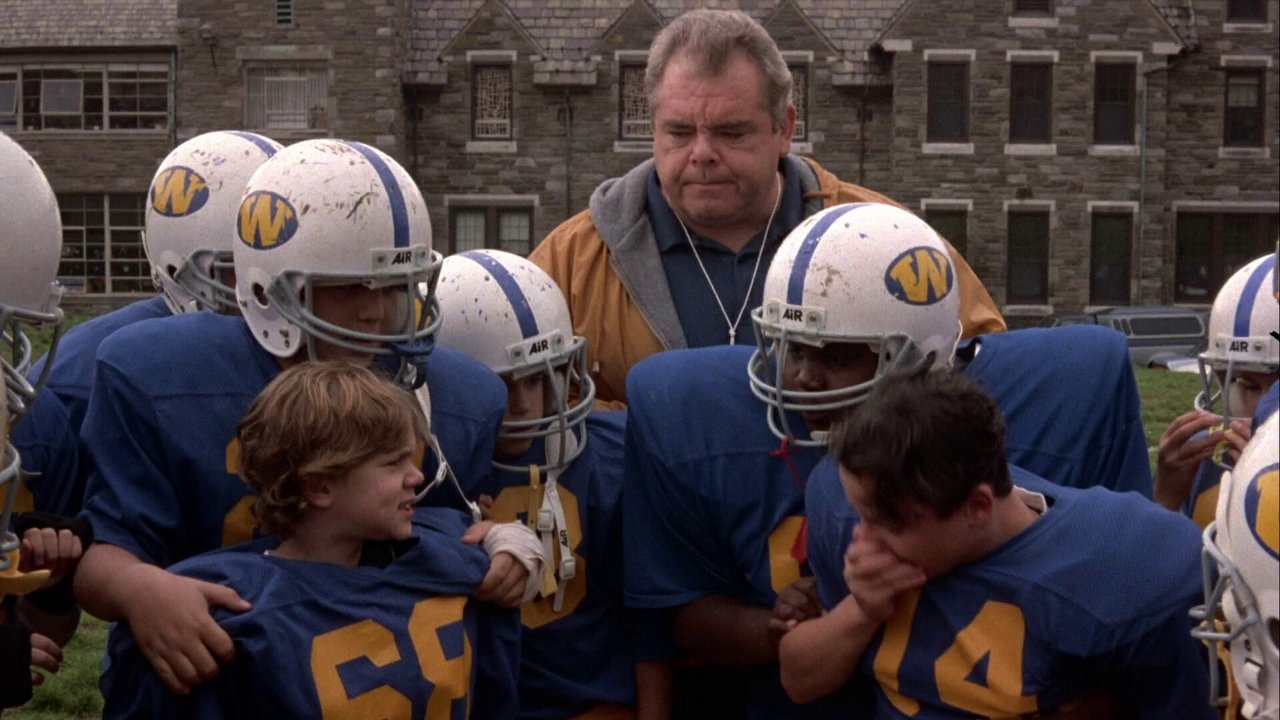
Joshua navigates the familiar terrain of Catholic school life – dodgeball games, playground bullies, confusing interactions with girls, and the guidance of teachers, both lay and clerical. His best friend, the wonderfully quirky Dave O’Hara (Timothy Reifsnyder), provides comic relief and loyal companionship, a necessary counterpoint to Joshua's internal turmoil. Their friendship feels genuine, grounded in the shared experiences and secret codes of childhood.
Whispers of Talent, Seeds of Struggle
While Wide Awake lacks the signature suspense Shyamalan would later master, you can see glimpses of his directorial eye. There’s a careful framing of shots, an attention to atmosphere within the school halls, and a focus on performance that hints at the talent to come. The supporting cast adds texture: Dana Delany and Denis Leary are effective as Joshua's grieving, slightly lost parents, navigating their own pain while trying to support their son. Leary, known for his acerbic wit, dials it back considerably here, offering a more subdued paternal presence.
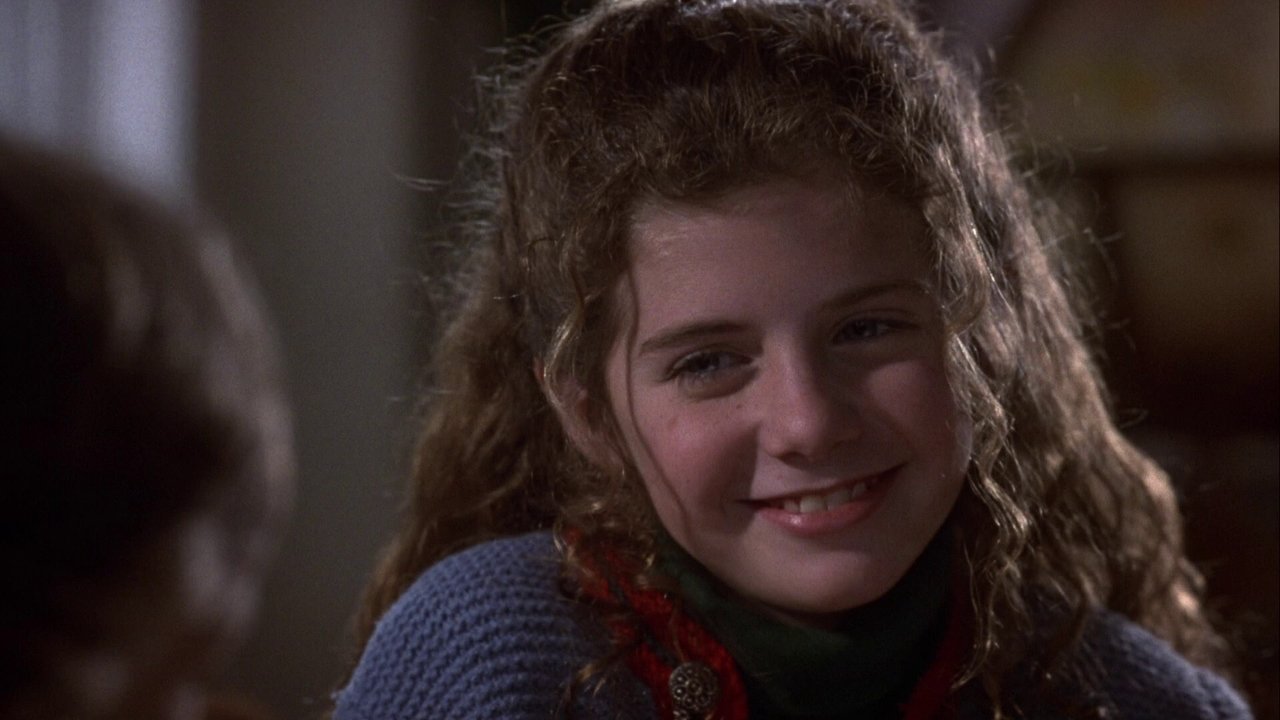
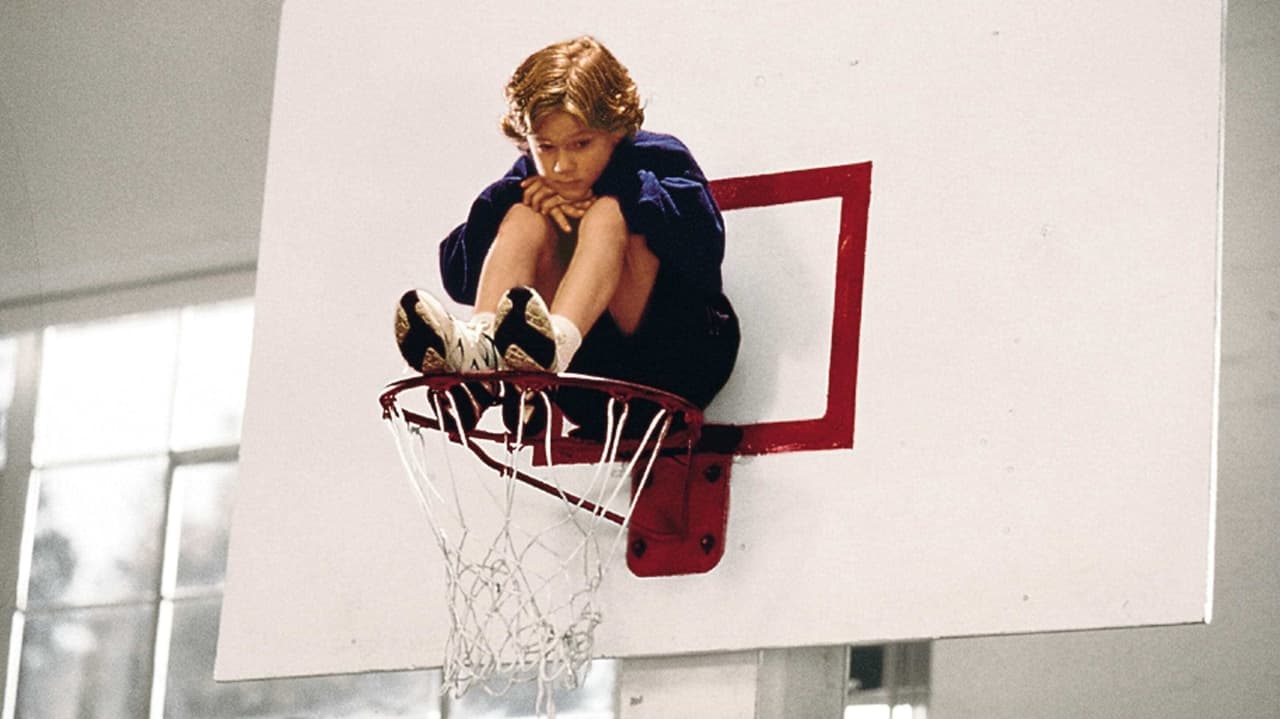
Perhaps most notably, Rosie O'Donnell appears as Sister Terry, a compassionate, baseball-loving nun who becomes a confidante for Joshua. At the height of her talk show fame, this was a surprising role, showcasing a quieter, more nurturing side. Reports suggest O'Donnell took the role seriously, immersing herself in understanding convent life, and her scenes with Cross are among the film's most grounded and affecting moments. She listens more than she preaches, offering presence rather than easy answers.
It’s fascinating to learn that Wide Awake was actually filmed back in 1995 but sat on the shelf for three years. Rumors swirled about studio interference from Miramax, with Harvey Weinstein reportedly demanding changes that clashed with Shyamalan's vision. This delay, coupled with a marketing campaign that perhaps didn't know how to sell such an earnest family drama in the late 90s landscape, contributed to its disastrous box office performance. It grossed a mere $282,175 against a $6 million budget – a stark contrast to the $672 million worldwide haul The Sixth Sense would achieve just a year later. Thinking about that now, knowing the phenomenon Shyamalan was about to become, feels like uncovering a hidden prologue to a famous story.
Finding Faith on the Video Shelf
Watching Wide Awake today, especially through the lens of nostalgia, is a unique experience. Its sincerity can sometimes verge on sentimentality, and the pacing reflects a gentler, less frantic style of family filmmaking common in the era. Some might find its portrayal of faith simplistic, but there's an undeniable sweetness and lack of cynicism that feels almost refreshing. It dares to take a child's spiritual crisis seriously, acknowledging the validity of the questions without necessarily providing concrete answers. It reminds me of those quieter discoveries tucked away in the 'Family' or 'Drama' sections of the video store, the kind of film you might rent on a whim, hoping for something with a bit of heart.
Doesn't its earnestness feel like a relic from a different time in filmmaking, before irony became the dominant mode? The film doesn't shy away from the sadness of loss, but it ultimately leans into hope, suggesting that the search itself holds value. It captures that specific feeling of being a kid trying to make sense of adult concepts – death, faith, the afterlife – using the tools and understanding available at that age.

Rating: 6/10
Wide Awake is far from a perfect film. Its earnest tone won't resonate with everyone, and it lacks the narrative fireworks that would later define M. Night Shyamalan's career. However, its genuine heart, Joseph Cross's compelling central performance, and the sincerity with which it tackles themes of childhood grief and faith make it worthwhile. The film's troubled production history and its status as a pre-fame curio for a major director add a layer of fascination. It earns a 6 primarily for its touching core relationship between Joshua and Sister Terry, Cross's performance, and its brave, un-cynical approach to big questions, even if the execution sometimes falters.
It remains a quiet testament to a filmmaker exploring deeply personal themes, a gentle film adrift in the noisier landscape of the late 90s, and a reminder that sometimes the most profound journeys begin with the simplest questions. A fascinating piece of VHS archaeology for any Shyamalan fan or lover of thoughtful, if slightly sentimental, family drama.