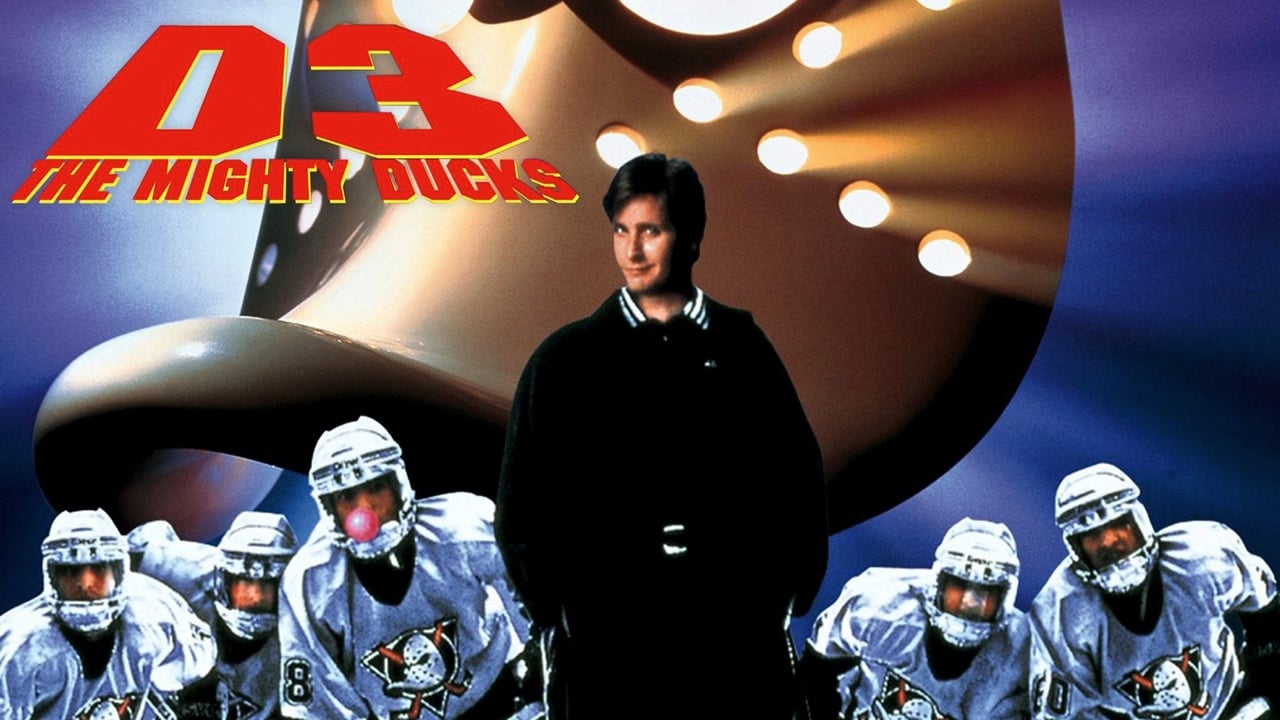
Okay, fellow tape travellers, let's rewind to 1996. The Mighty Ducks had already quacked their way into our hearts twice, first as lovable underdogs, then as improbable international champs. So, when the box for D3: The Mighty Ducks appeared on the rental store shelf, sporting that familiar logo but hinting at a change, the anticipation was real. This wasn't just another game; this felt like graduation day, a bittersweet shift from the scrappy pond hockey vibes we adored to something... different. And different it certainly was.
### From Pond Scum to Prep School Polish
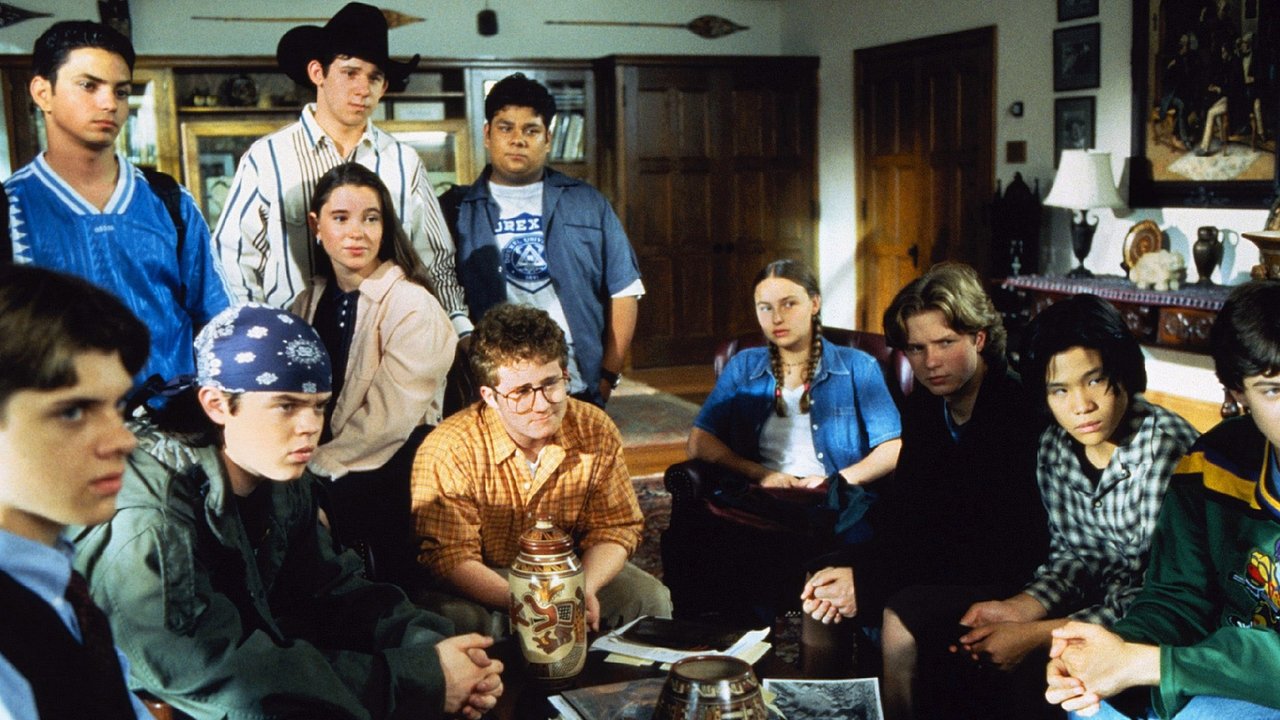
The core premise of D3 sees our beloved Ducks, fresh off their Junior Goodwill Games victory in D2, awarded scholarships to the prestigious Eden Hall Academy. It’s a fish-out-of-water setup, swapping street grit for ivy-covered walls and facing off against the snooty Varsity "Warriors" team. This change of scenery, directed by Robert Lieberman (who had helmed plenty of TV and films like Fire in the Sky), immediately alters the film's DNA. Gone is the pure, unadulterated underdog joy of the first film, replaced by adolescent angst, identity crises, and the pressures of fitting in.
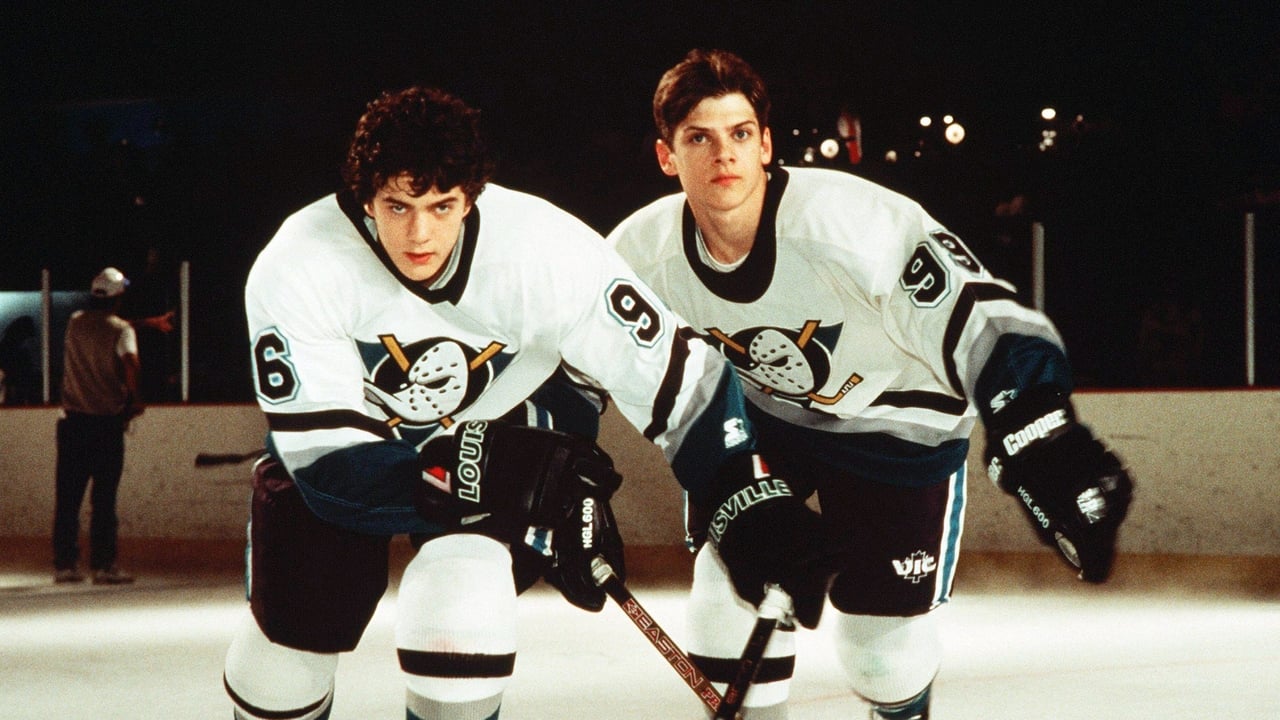
It's a relatable theme, certainly, mirroring the awkwardness many of us felt navigating teenage years. The Ducks, particularly team captain Charlie Conway (a maturing Joshua Jackson, really stepping into the spotlight here), grapple with loyalty, responsibility, and the legacy of being "The Mighty Ducks." Can they maintain their identity – their duckiness – in this buttoned-down environment? It's a heavier lift than scoring a triple deke, and the film earnestly tries to explore these growing pains.
### Where Did Bombay Go?
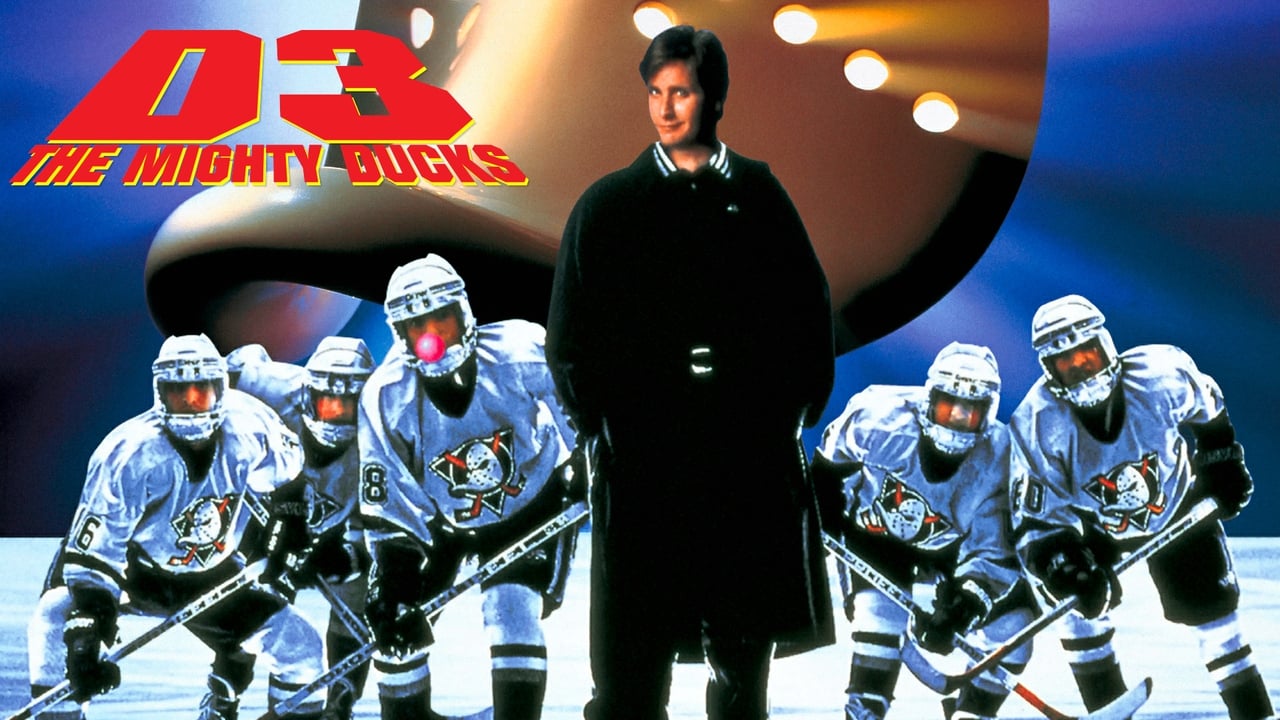
One of the most jarring shifts for many fans was the significantly reduced role of Coach Gordon Bombay, played with such reluctant charm by Emilio Estevez. While Estevez does appear, his presence is more of a bookend, paving the way for a new mentor figure: Coach Ted Orion, portrayed by the stern but ultimately fair Jeffrey Nordling. Orion is the anti-Bombay – disciplined, defence-focused, and initially dismissive of the Ducks' flamboyant style ("showboating" as he calls it). This coaching change fuels much of the film's central conflict, forcing the team, especially Charlie, to adapt or rebel. While Nordling does a fine job, let's be honest, the absence of Bombay's paternal guidance is keenly felt. It underscores the theme of growing up and moving on, but part of the magic definitely flew south with Coach Bombay’s diminished screen time.
### Retro Fun Facts: Behind the Blazers

Despite often being labelled the lesser of the trilogy, D3 has its share of interesting tidbits. While it didn't quite capture the box office magic of its predecessors (grossing around $23.9 million domestically, a noticeable drop from D2's $45.6 million), it continued the story penned in part by original Ducks creator Steven Brill (who wrote D1 and co-wrote D2, staying on as a producer here). The screenplay duties were primarily handled by Jim Burnstein and Kenneth Johnson.
Filming took place largely in Minnesota, utilizing the picturesque campuses of Shattuck-St. Mary's in Faribault and Cretin-Derham Hall (Paul Fenton's alma mater!) in Saint Paul to create the Eden Hall Academy aesthetic. Those authentic prep school backdrops certainly added to the polished, slightly intimidating atmosphere the film aimed for. It’s also worth noting that while practical effects weren't the star here like in a sci-fi flick, the on-ice action remained a key component, though perhaps leaning slightly more towards grounded hockey than the physics-defying trick shots of the earlier films. The shift reflected Coach Orion's 'defense first' mentality bleeding into the filmmaking itself.
### Does It Still Quack?
Watching D3 today offers a unique blend of nostalgia and perhaps a clearer understanding of what it was trying to achieve. It’s the awkward teenager of the Mighty Ducks trilogy – trying hard to be mature, sometimes stumbling, but with its heart still fundamentally in the right place. The humour is still there, albeit less broad, and the camaraderie of the team, even when fractured by internal conflict, remains the core appeal. Seeing Fulton Reed (Elden Henson) and Dean Portman (Aaron Lohr) – the Bash Brothers – reluctantly adapt to prep school life provides some solid comedic moments.
The central conflict with the Varsity team, led by the sneering Captain Cole (Matt Doherty), feels a bit standard-issue 'slobs vs. snobs', but it serves its purpose. The ultimate showdown, naturally, comes down to a high-stakes hockey game, because some things, thankfully, never change in Duck territory. Does it hit the same triumphant highs as the first two? Perhaps not. The magic feels a bit diluted, the stakes somehow less pure. Yet, there's an undeniable charm in its earnestness, in its attempt to let these characters we grew to love actually grow.
### Final Verdict & Rating
D3: The Mighty Ducks is undeniably the most divisive entry in the original trilogy. It traded some of the wide-eyed wonder and slapstick fun for teenage drama and a more grounded (if still Hollywood) approach to hockey. The reduced role for Coach Bombay and the less instantly iconic new rivals contribute to a feeling that something's missing. However, it deserves credit for trying to evolve the story and characters, tackling themes of change, loyalty, and finding your place. Joshua Jackson carries the film admirably, showing glimpses of the talent that would define his later career. It may not soar quite as high, but it doesn't crash land either.
Rating: 6/10
It’s a necessary, if slightly less thrilling, chapter in the Ducks saga. Worth watching? Absolutely, especially if you have fondness for the team. It might lack the pure nostalgic rush of the original, but D3 still offers a heartfelt, if sometimes clumsy, look at growing up, proving that even when they traded their pond scum jerseys for prep school blazers, they were still, fundamentally, Ducks. And sometimes, that’s enough for a satisfying trip back to the video store shelf.