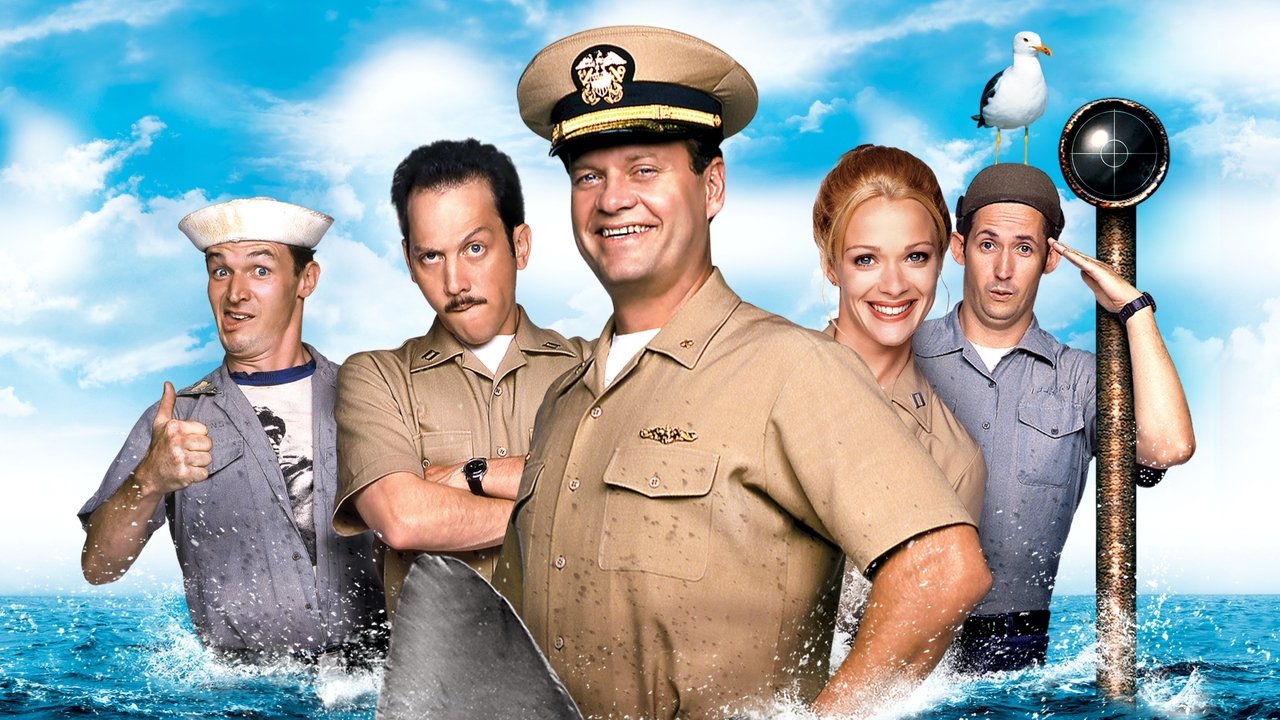
Alright, settle in, rewind that tape in your mind, and let's talk about a mid-90s comedy that absolutely owned a certain shelf space at Blockbuster: 1996’s Down Periscope. There was a certain delightful shock, wasn't there, sliding that tape into the VCR and seeing the impeccably urbane Kelsey Grammer, beloved as TV's Frasier Crane, suddenly sporting a captain's hat and navigating naval absurdity? It felt like a playful dare, both from the filmmakers and from Grammer himself, who reportedly took the role specifically to show audiences he could be more than just a radio psychiatrist. And you know what? It kinda worked.
### Frasier Goes Subsurface
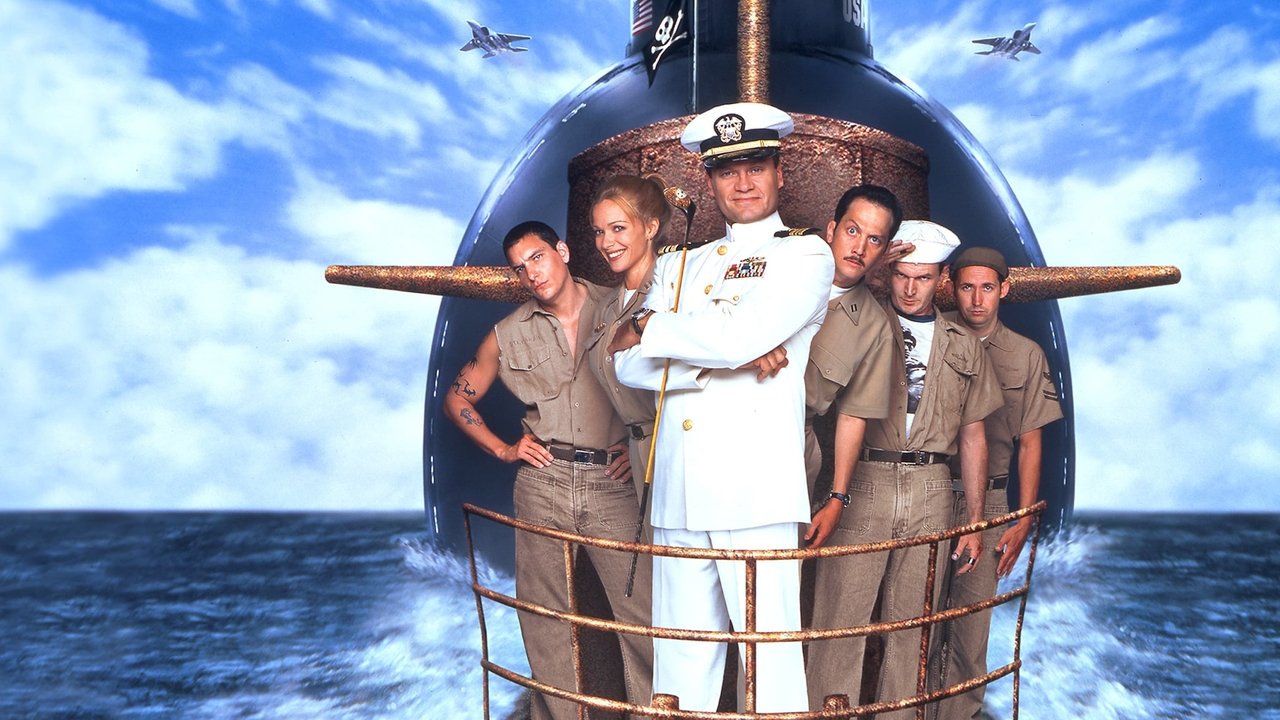
The premise is pure underdog gold, straight out of the 90s comedy playbook – think Police Academy or Major League (the latter also helmed by Down Periscope director David S. Ward). Lt. Commander Tom Dodge (Grammer) is a brilliant but unconventional officer repeatedly passed over for command of a nuclear submarine. His last shot? Take command of the USS Stingray, a rust-bucket diesel sub from WWII crewed by a collection of misfits and rejects, and somehow win a high-stakes war game against the Navy's best. It’s a classic setup: prove the doubters wrong with heart, ingenuity, and a healthy dose of chaos.
Grammer anchors the film with surprising ease. He doesn't abandon his refined delivery entirely, but channels it into a kind of weary, seen-it-all authority that perfectly suits Dodge. He’s clearly having fun, relishing the chance to play a different kind of leader, one who inspires loyalty through unconventional methods – like mimicking whale sounds to fool sonar or navigating treacherous waters the "old-fashioned" way. His comic timing, honed over years on Cheers and Frasier, is impeccable, landing dry wit amidst the broader slapstick.
### A Crew Only a Mother (or a Desperate Admiral) Could Love
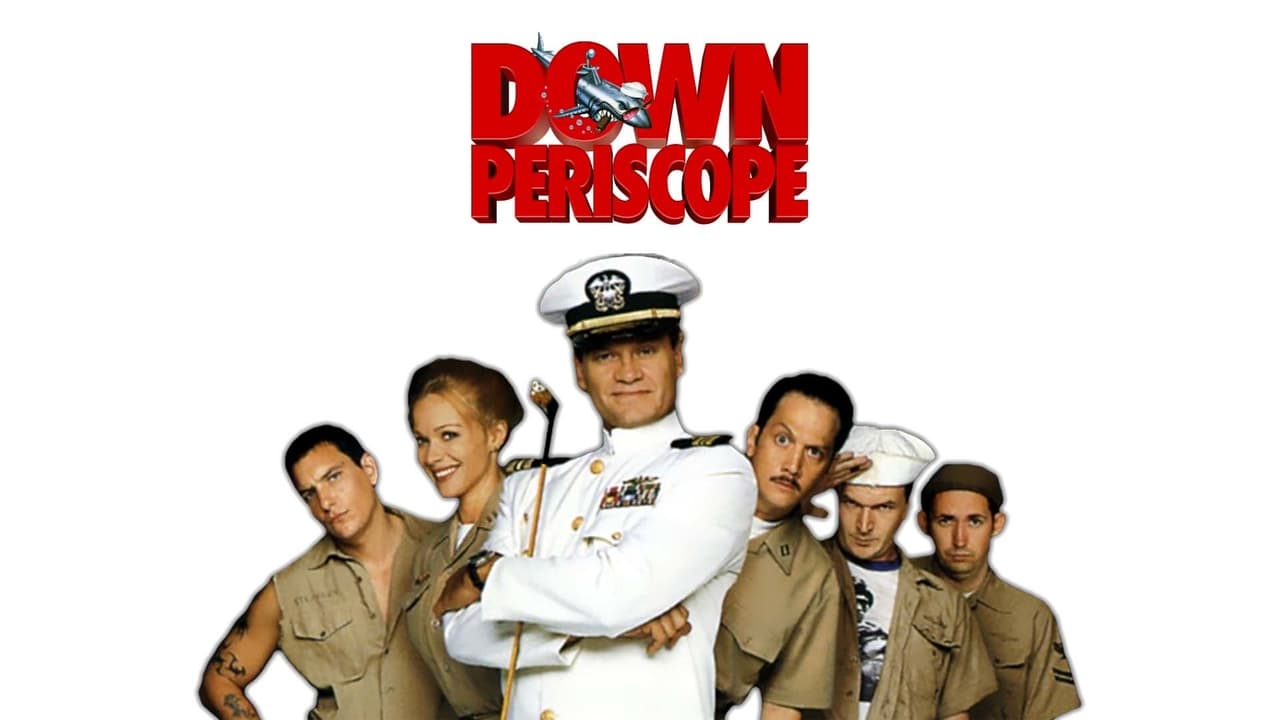
Surrounding Grammer is a perfectly cast ensemble of oddballs. Lauren Holly plays Lt. Emily Lake, the Navy's first female diving officer assigned to the Stingray as part of a pilot program (and, naturally, a source of initial awkwardness and eventual respect). She holds her own, bringing competence and a touch of exasperation to the testosterone-heavy environment. Then there’s the scene-stealing Rob Schneider as the uptight, by-the-book Executive Officer Marty Pascal, delivering lines like "This is Ensign Stinky reporting for duty!" with maximum weaselly energy. He’s the perfect foil for Grammer’s laid-back command style.
But let's not forget the rest of the glorious weirdos: the sonar tech with superhuman hearing ("Sonar" Lovacelli, played by Harland Williams), the perpetually shocked electrician Nitro (Toby Huss), the gambling-obsessed Chief Engineer Howard (Harry Dean Stanton lending effortless cool), and the... well, let's just say distinctive cook Buckman (Ken Hudson Campbell). Each gets their moment to shine, contributing to the film's overall ramshackle charm. Watching them bumble, argue, and eventually coalesce into something resembling a functional crew is where much of the fun lies. It’s that classic formula David S. Ward nailed in Major League: a team of lovable losers you can’t help but root for.
### 90s Comedy Ahoy!
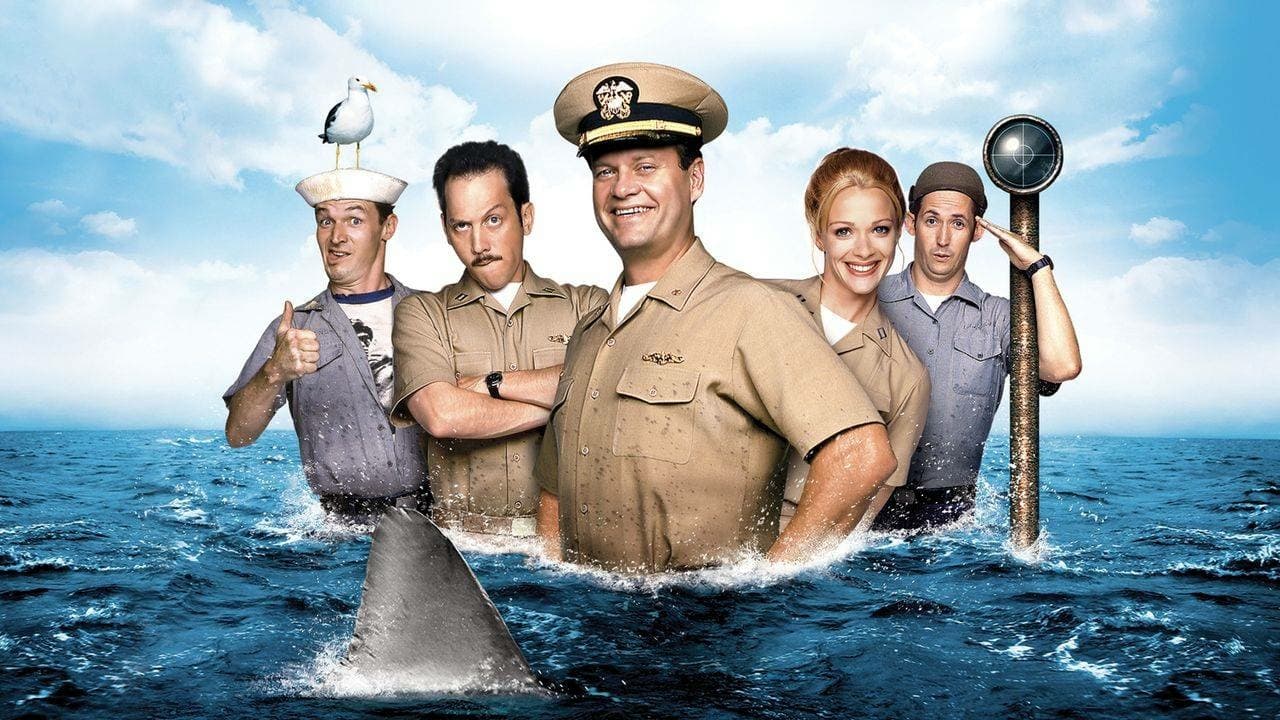
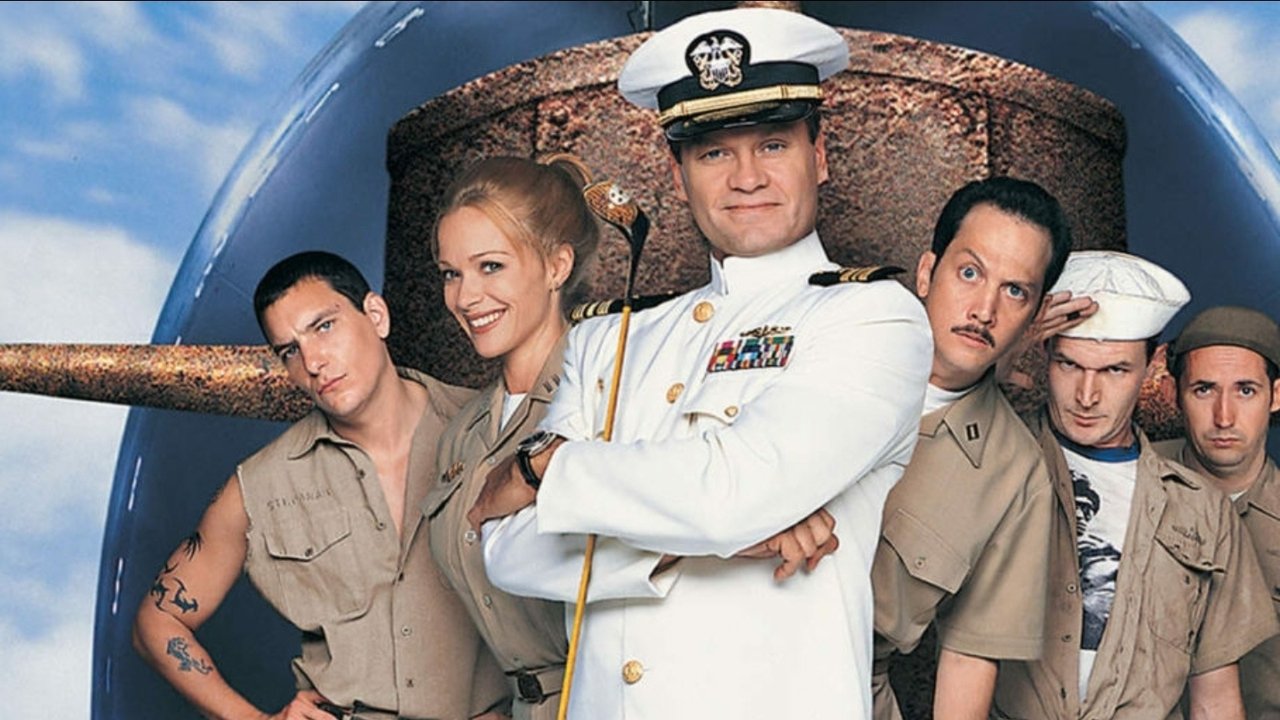
Make no mistake, this is very much a product of its time. The humor is broad, sometimes predictable, and occasionally dips into territory that might feel a bit dated now (though generally harmlessly so). There are pratfalls, misunderstandings, and authority figures who exist solely to be infuriated (Bruce Dern chews the scenery wonderfully as the antagonistic Admiral Graham). Yet, there’s an undeniable warmth and good nature to it all.
One of the neat "Retro Fun Facts" is the authenticity lurking beneath the silliness. While interiors were sets, the exterior shots and some sequences used the actual USS Pampanito (SS-383), a decommissioned WWII Balao-class submarine now serving as a museum ship in San Francisco. Knowing they filmed on a real piece of history adds a layer of cool to the proceedings. Apparently, the Navy initially balked at supporting the film due to the script's irreverence but eventually came around, allowing filming at naval bases in San Diego after some adjustments. It clearly didn't hurt the film's reception with audiences; on a budget of around $31 million, it pulled in a respectable $66 million worldwide – solid numbers for a mid-range comedy back then.
The film doesn't rely on elaborate effects, but the cramped submarine sets feel effective, adding to the slightly claustrophobic humor. The "action," such as it is, involves outsmarting the enemy through clever tactics rather than big explosions, fitting the underdog theme. Remember how Dodge uses that old diesel engine's noise signature to his advantage? It felt clever and earned back then, a testament to smarts over firepower.
### Still Worth Diving For?
Down Periscope isn't high art, nor does it try to be. It’s a comfortable, funny, and surprisingly endearing comedy that leverages its star's persona in an unexpected setting. It’s the kind of movie you’d happily rent on a Friday night, maybe with a pizza, and just enjoy the ride. The jokes mostly land, the cast is game, and the overall feeling is one of good-natured fun. It might not have spawned sequels or redefined the genre, but it carved out its own little niche in the 90s comedy landscape.
Rating: 7/10
Justification: Down Periscope earns a solid 7 for successfully transplanting Kelsey Grammer into an unlikely genre, surrounding him with a memorable supporting cast, and delivering consistent laughs within a classic underdog framework. While some humor is dated and the plot predictable, its charm, good nature, and effective use of its unique setting (including that real WWII sub!) make it a highly rewatchable piece of 90s comfort viewing.
Final Thought: In the vast ocean of 90s comedies, Down Periscope remains a buoyant and funny vessel, proving that even a stuffy psychiatrist can navigate the choppy waters of naval nonsense with surprising grace. Surface it from your memory banks; it holds up better than you might think.