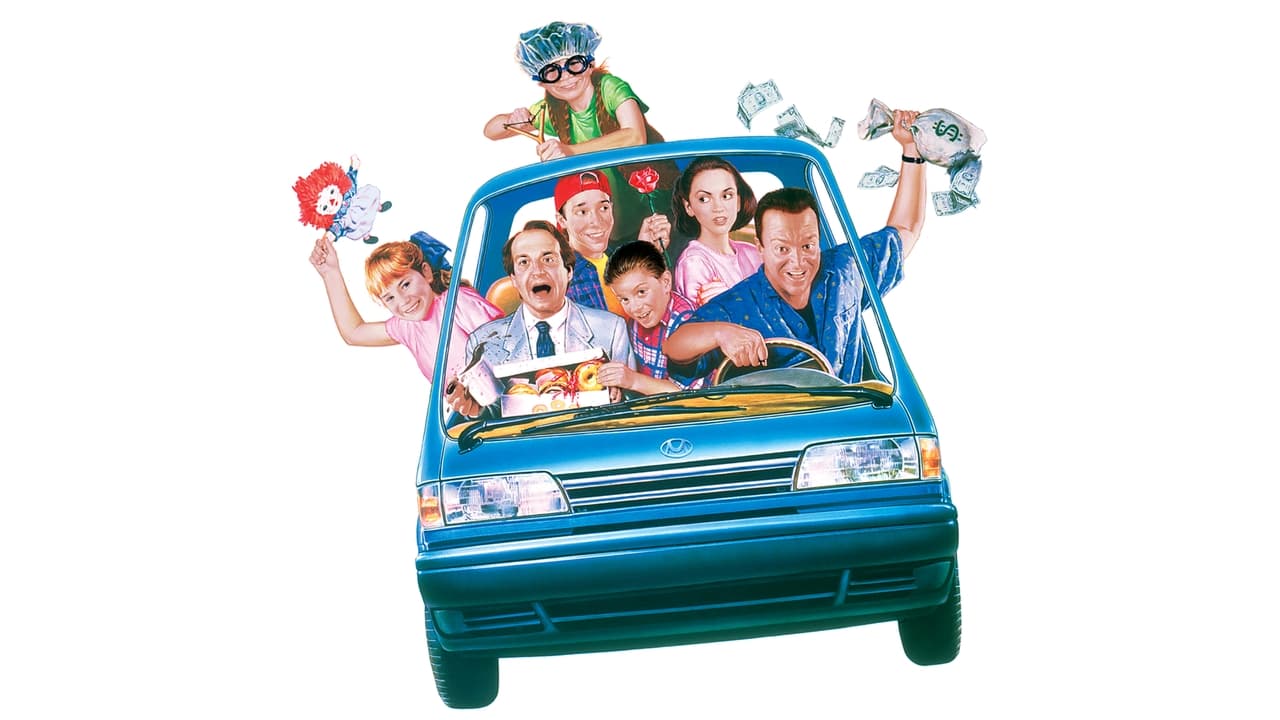
Alright, fellow tape travelers, let's rewind to the mid-90s. Picture this: you're wandering the aisles of Blockbuster, maybe Jumbo Video, the scent of plastic cases and slightly stale popcorn in the air. You're looking for something light, maybe something the whole family (or at least the older kids) can watch without too much fuss. Your eyes land on a brightly colored box featuring a frantic-looking Tom Arnold and a stressed-out David Paymer surrounded by a gaggle of kids. That tape, my friends, was likely 1996's Carpool. Does it hold up? Well, buckle up – it's going to be a bumpy, occasionally funny, and undeniably 90s ride.
### Suburban Nightmare, Carnival Getaway
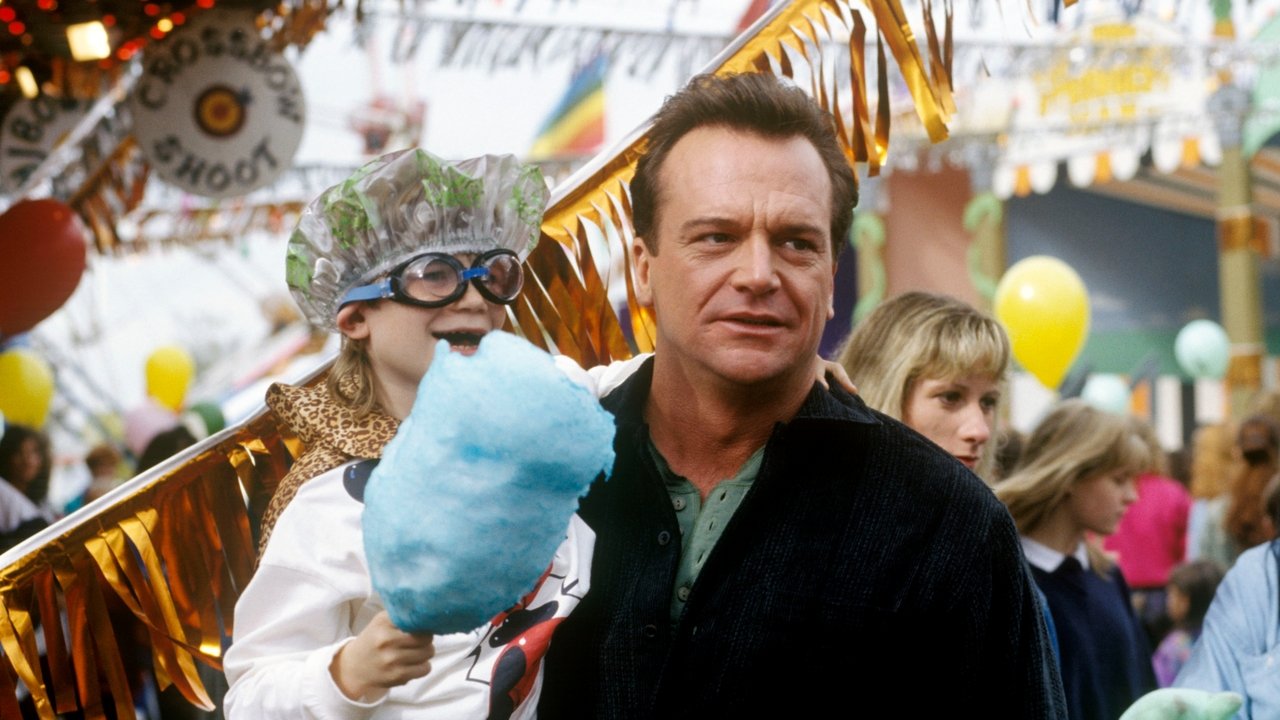
The premise is pure sitcom setup stretched to feature length: Daniel Miller (David Paymer, perfectly cast as the perpetually frazzled ad exec) is having the worst day. He needs to make a crucial presentation, but he's stuck driving the neighborhood carpool because his wife is sick. Enter Franklin Laszlo (Tom Arnold), a desperately down-on-his-luck carnival owner whose attempt to rob a grocery store goes sideways, leading him to hijack Daniel's minivan full of kids. What follows is less a tense hostage thriller and more a chaotic road trip comedy through Seattle (actually Vancouver, BC standing in – a classic 90s move for budget reasons!).
It’s a film that feels born from a studio executive saying, "Get me Home Alone meets Planes, Trains and Automobiles, but with Tom Arnold!" And honestly, that's not far off the mark. The energy is frantic, bouncing between Daniel's escalating panic, Franklin's surprisingly gentle (if inept) criminal antics, and the kids… oh, the kids. They run the gamut from smart-aleck to slightly oblivious, providing plenty of fodder for slapstick and exasperated reactions.
### Arnold and Paymer: An Unlikely Duo
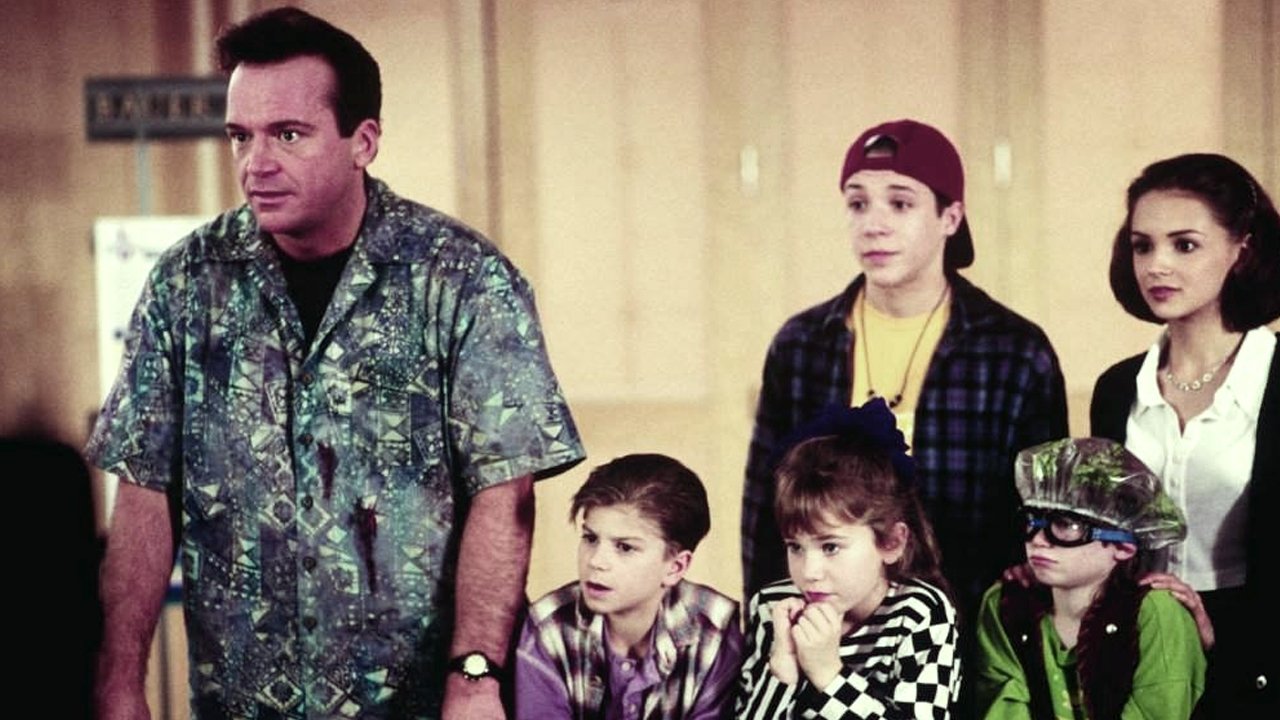
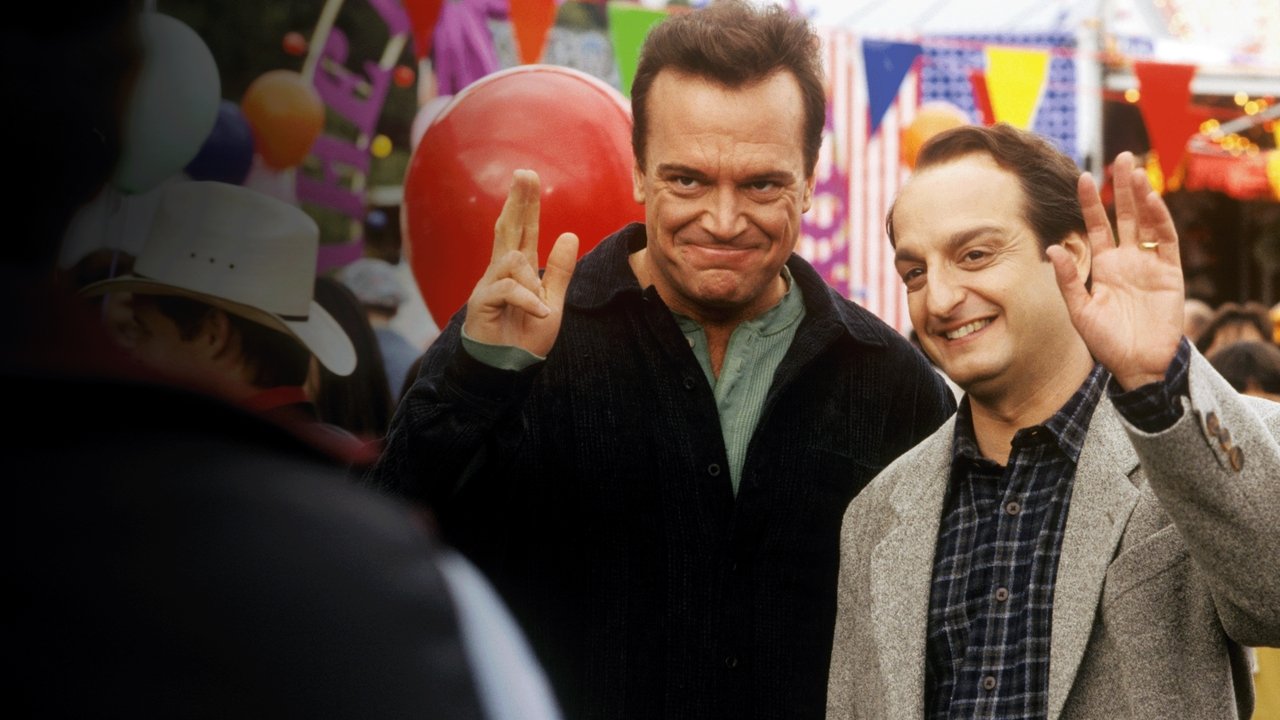
The whole film really hinges on the dynamic between Arnold and Paymer. Arnold, hot off his True Lies (1994) supporting role and still navigating his post-Roseanne fame, throws himself into the role of Franklin with gusto. He’s playing the lovable loser, the guy making terrible decisions for understandable (if misguided) reasons. It’s not subtle, but he brings a certain manic charm that keeps the character from being entirely unlikeable. Remember, this was peak Tom Arnold leading man era – a specific, sometimes bewildering, moment in Hollywood.
David Paymer, on the other hand, is the master of the slow burn, the king of quiet desperation. He’s the perfect foil to Arnold’s loudness, his performance grounded in the relatable stress of deadlines, traffic, and now, being kidnapped by a guy who just wants to save his failing carnival. Their back-and-forth generates most of the film’s genuine laughs. And let’s not forget Rhea Perlman popping up as a grumpy, meter-obsessed traffic cop hot on their trail, bringing her trademark Carla Tortelli-esque energy.
### Directed by... Who Now?
Here’s a fun fact that always raises an eyebrow: Carpool was directed by Arthur Hiller. Yes, the same Arthur Hiller who gave us tearjerker classics like Love Story (1970) and the brilliant Gene Wilder/Richard Pryor comedy Silver Streak (1976). Seeing his name attached to this kind of broad family comedy feels a bit like finding out Martin Scorsese directed an episode of Full House. It speaks volumes about the kind of projects veteran directors sometimes took on in the studio system of the 90s. While Hiller keeps things moving competently, you don't necessarily see the distinct touch he brought to his earlier, more acclaimed work. The script, penned by Don Rhymer (who later found significant success writing animated films like Rio and Surf's Up), hits fairly predictable beats, leaning heavily on situational absurdity.
The film reportedly had a budget around $17 million but struggled at the box office, pulling in less than $4 million domestically. It wasn't exactly a critical darling either, often criticized for its uneven tone – sometimes aiming for heartwarming, other times veering into surprisingly dark territory (like Franklin threatening people with a toy gun that looks real). But for those of us renting it on a Friday night, it was often just… there. A familiar, slightly goofy distraction.
### That Certain 90s Flavor
Watching Carpool now is like opening a time capsule. The fashion, the minivan, the sheer earnestness mixed with slapstick violence (mostly property damage and comical peril) feels very specific to its era. There aren’t grand practical effects extravaganzas here, but the few car chases and moments of physical comedy have that tangible, pre-CGI feel. You see the actual minivan careening through shopping malls (a trope we loved back then, didn't we?). It’s clumsy, sure, but it feels real in a way that slicker, modern sequences sometimes don't.
Does it fully work? Not entirely. The pacing flags, some jokes fall flat, and the blend of family comedy and crime never quite gels perfectly. But there’s an undeniable, almost comforting familiarity to it. It represents a type of mid-budget studio comedy that barely exists anymore – slightly edgy for kids, slightly goofy for adults, aiming squarely for the middle of the road and landing there with a shrug and a chuckle.
VHS Heaven Rating: 5/10
Justification: Carpool gets a solid 5 primarily for its nostalgic value and the genuinely amusing odd-couple chemistry between Tom Arnold and David Paymer. It’s a quintessential example of a mid-90s family comedy – flawed, formulaic, occasionally funny, and instantly forgettable yet somehow familiar. Arthur Hiller's direction is professional but anonymous, and the script hits predictable notes. It’s far from a hidden gem, but perfectly captures the kind of movie you’d grab from the video store when the pickings were slim.
Final Take: It’s the cinematic equivalent of finding an old, slightly worn sweatshirt in the back of your closet – not high fashion, maybe a bit stretched out, but it brings back a specific, fuzzy memory of a simpler time in movie rentals. Worth a nostalgic chuckle, perhaps, but manage those expectations.