Alright, fellow tapeheads, slide that well-loved copy of "See No Evil, Hear No Evil" into the VCR (mind the tracking!) because we're revisiting a prime slice of late-80s comedy gold. Forget intricate plotting or subtle character arcs for a moment. This 1989 gem throws one of the highest of high concepts right at you: What happens when a blind man and a deaf man team up after witnessing – or rather, not witnessing – a murder? The answer, delivered by the legendary comedic duo of Richard Pryor and Gene Wilder, is pure, unadulterated VHS-era hilarity.
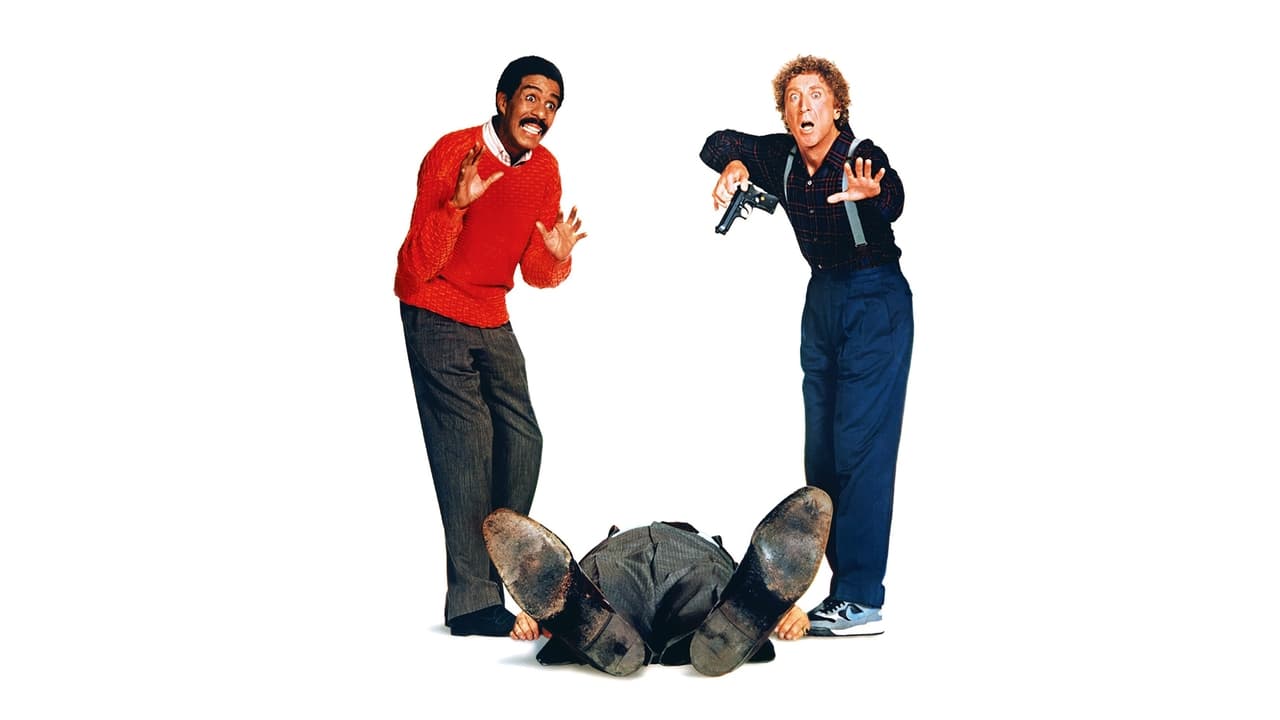
This wasn't just another studio comedy; it felt like an event. Seeing Pryor and Wilder back together (Arthur Hiller, who directed their first smash hit Silver Streak, was back at the helm too!) was enough to get anyone down to the rental store. The premise alone had you hooked from the trailer: Dave Lyons (Gene Wilder, who also co-wrote the script, pouring his own comedic genius into the dialogue) runs a newsstand but is profoundly deaf, relying on lip-reading. Wally Karue (Richard Pryor) walks in looking for a job, charmingly confident despite being completely blind. Minutes later, a man is shot right in front of them, and they become the prime suspects because, well, one saw nothing and the other heard nothing.
The Ultimate Odd Couple
What makes this movie still sing, despite some undeniably 80s sensibilities, is the sheer, undeniable chemistry between its leads. This was their third pairing, and their comfort and comedic rhythm are palpable. Wilder’s tightly-wound neurotic energy playing off Pryor’s sly, street-smart cool is just magic. They sell the central gag relentlessly. Watching Dave try to pass as sighted by mimicking Wally's head movements, or Wally attempting to bluff his way through conversations by guessing context, leads to sequences that are pure physical comedy brilliance.
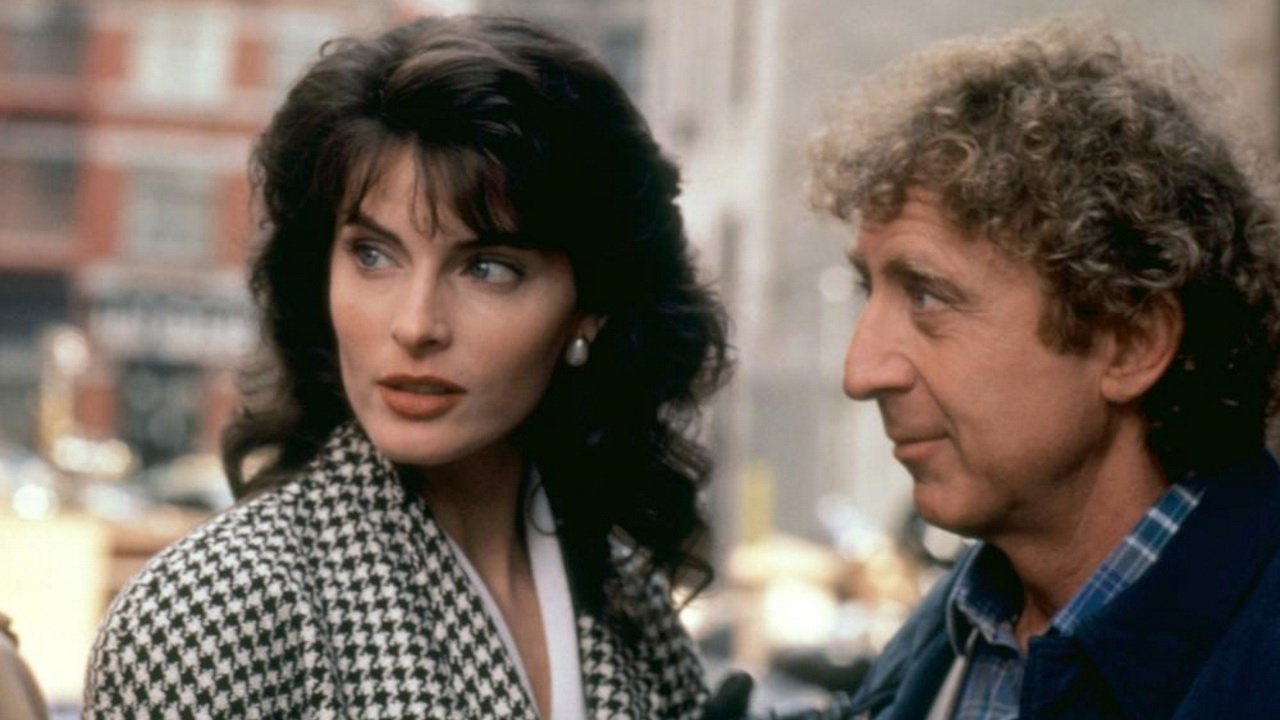
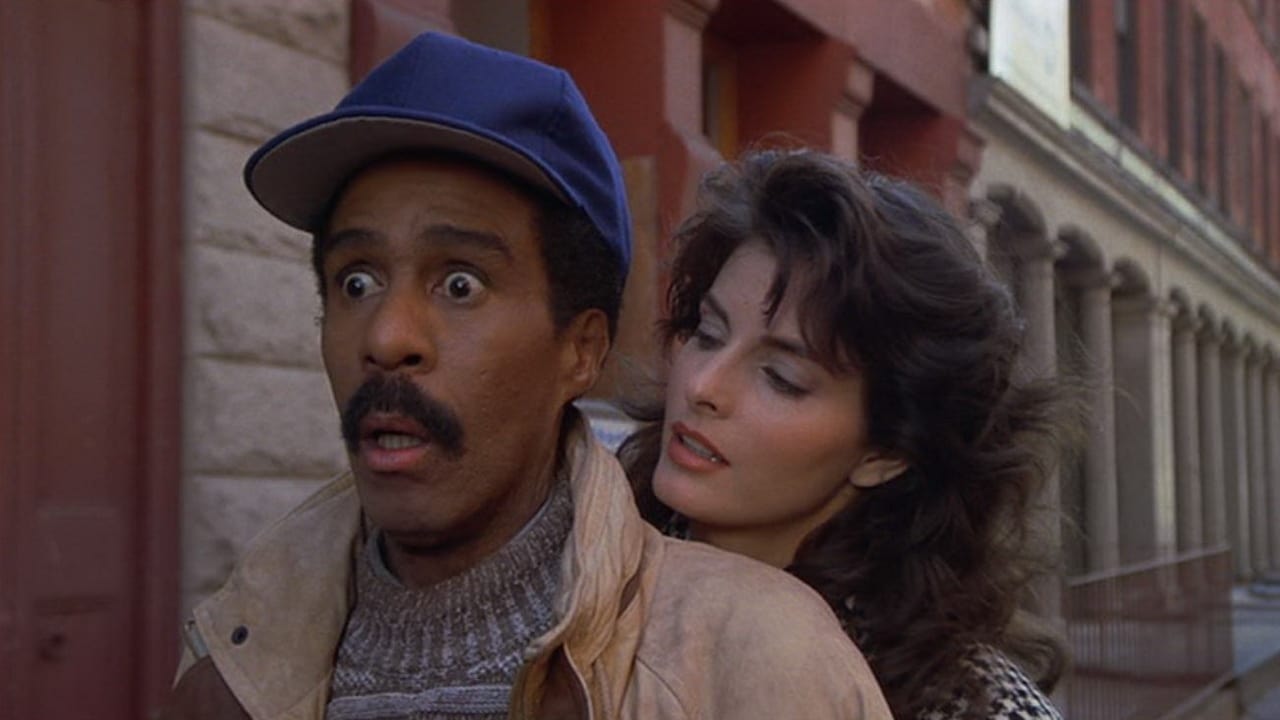
Think about the scene where they have to describe the killer – the impossibly glamorous Eve, played with perfect villainous poise by Joan Severance. Dave saw her legs ("The best legs I ever saw... attached to the meanest bitch who ever walked!") while Wally heard her perfume and the distinctive sound of her gun. It's absurd, it's clever, and it’s delivered with the kind of perfect timing that feels almost like a dance. It's a testament to their skill that they make you believe these two could actually function, albeit chaotically, as a single investigative unit.
Comedy in Motion
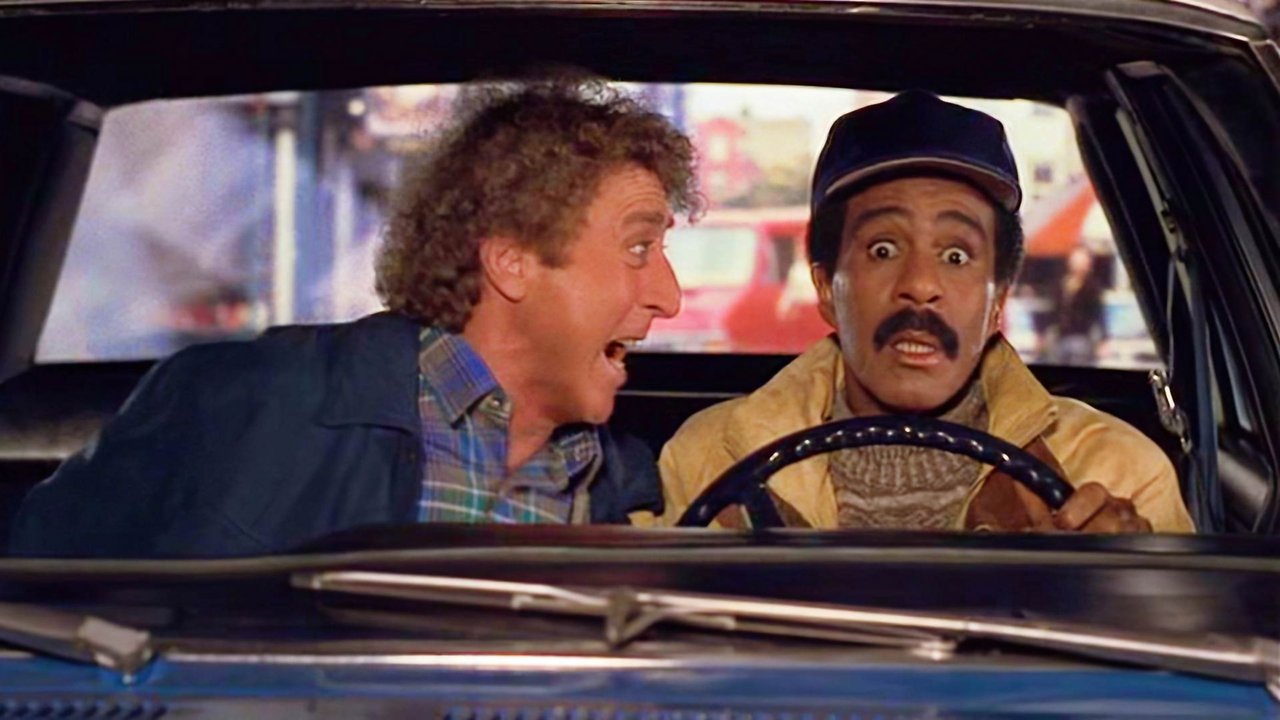
While not an "action" film in the traditional sense, the comedy here is the action. It’s physical, demanding, and relies entirely on the actors' commitment. Remember the sheer chaos of the police station escape? Or the scene where blind Wally ends up driving, taking frantic directions from deaf Dave? These set pieces feel earned because they spring directly from the characters' limitations and their desperate attempts to overcome them. There's a raw, slightly unpolished feel to these moments, a hallmark of the era before digital smoothing took over. You feel the near-misses, the bumps, the sheer panic, all heightened by the actors selling it with every fiber of their being.
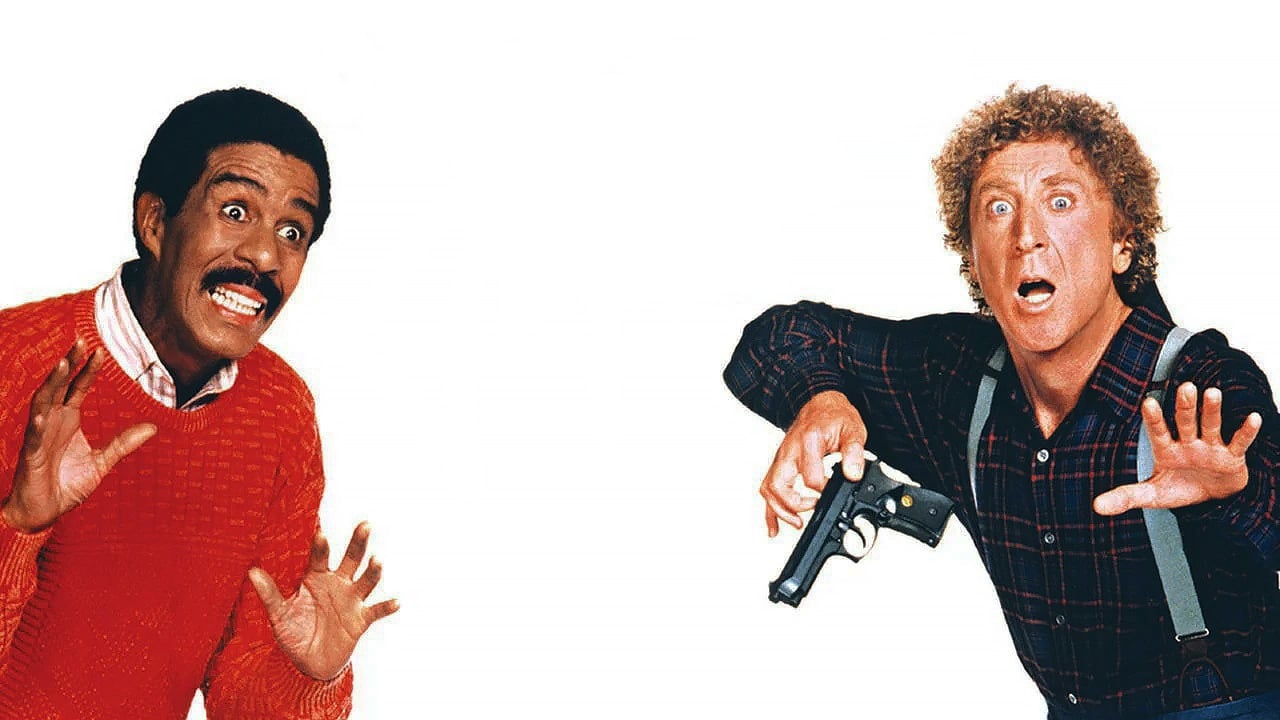
It's worth noting, poignantly, that Richard Pryor was battling Multiple Sclerosis during filming. While never explicitly referenced, knowing this adds another layer to his performance; his physical comedy, while still sharp, occasionally carries a subtle weight, a testament to his incredible dedication to his craft even while facing personal health challenges. The film itself was a solid hit, pulling in nearly $47 million on an $18 million budget, proving audiences were hungry for this pairing, even if critics at the time were somewhat divided.
Retro Fun Facts Woven In: The script went through several hands, but Gene Wilder's significant contribution really shaped the voice of his character, Dave. Filming primarily took place on location in New York City and nearby New Jersey, giving it that authentic late-80s urban grit that grounds the often outrageous comedy. Director Arthur Hiller, known for dramas like Love Story as much as comedies, brought a steady hand, ensuring the laughs landed without completely losing the thread of the underlying thriller plot involving stolen super-conductive microchips (remember those?).
Dated Charm, Enduring Laughs
Okay, let's address the elephant in the room. The humor revolving around blindness and deafness is definitely broad and, viewed through a modern lens, might make some viewers shift in their seats. The film did attract some protests from disability advocacy groups upon its release. However, within the context of 80s comedy and the film's own internal logic, it arguably treats Wally and Dave not as objects of pity, but as resourceful (if perpetually unlucky) individuals. Their disabilities are the premise, not just the punchline, and much of the humor comes from the world's reaction to them and their own ingenious, often disastrous, coping mechanisms. It’s a fine line, navigated mostly by the sheer likeability and comedic genius of its stars.
Supporting players like Kevin Spacey (in an early role as the cold-blooded British killer Kirgo) and Alan North as the perpetually exasperated police captain add to the fun, filling out the world around our central duo. The score, a typical synth-and-sax affair of the time, keeps things bouncy and light, even during the "tense" moments.
The Verdict:
"See No Evil, Hear No Evil" is a time capsule of late-80s high-concept comedy, powered entirely by the incandescent spark between two screen legends. The plot is thin, some jokes haven't aged perfectly, but the sheer joy of watching Pryor and Wilder navigate ludicrous situations with impeccable timing and infectious energy remains undeniable. It's funny, it's frantic, and it has a heart, thanks to its leads. Watching it again felt like catching up with old friends – slightly chaotic, undeniably dated, but guaranteed to make you smile.
Rating: 7.5 / 10
Why this score? The unparalleled chemistry and comedic timing of Pryor and Wilder elevate a potentially one-note premise into something truly memorable. Several set pieces are comedic gold, and the film successfully balances laughs with a (light) thriller plot. It loses points for some dated sensibilities regarding its subject matter and a plot that’s ultimately forgettable, but the star power carries it through triumphantly.
Final Thought: Forget slick CGI punchlines; this is comedy built on pure performative genius – a reminder that sometimes, the most explosive special effect is simply putting Richard Pryor and Gene Wilder in the same frame. Pure VHS comfort food.