Okay, rewind your minds with me for a second. Picture the turn of the millennium. The Y2K bug turned out to be a dud, frosted tips were somehow acceptable, and Blockbuster shelves were groaning under the weight of new releases transitioning from bulky VHS tapes to shiny new DVDs. And right there, demanding your attention with its audacious premise, was Big Momma's House (2000). It feels like yesterday, doesn't it? While technically kicking off a new decade, this one has the unmistakable feel of late-90s comedy energy, smuggled onto a tape (or disc) you definitely rented for a Friday night laugh.
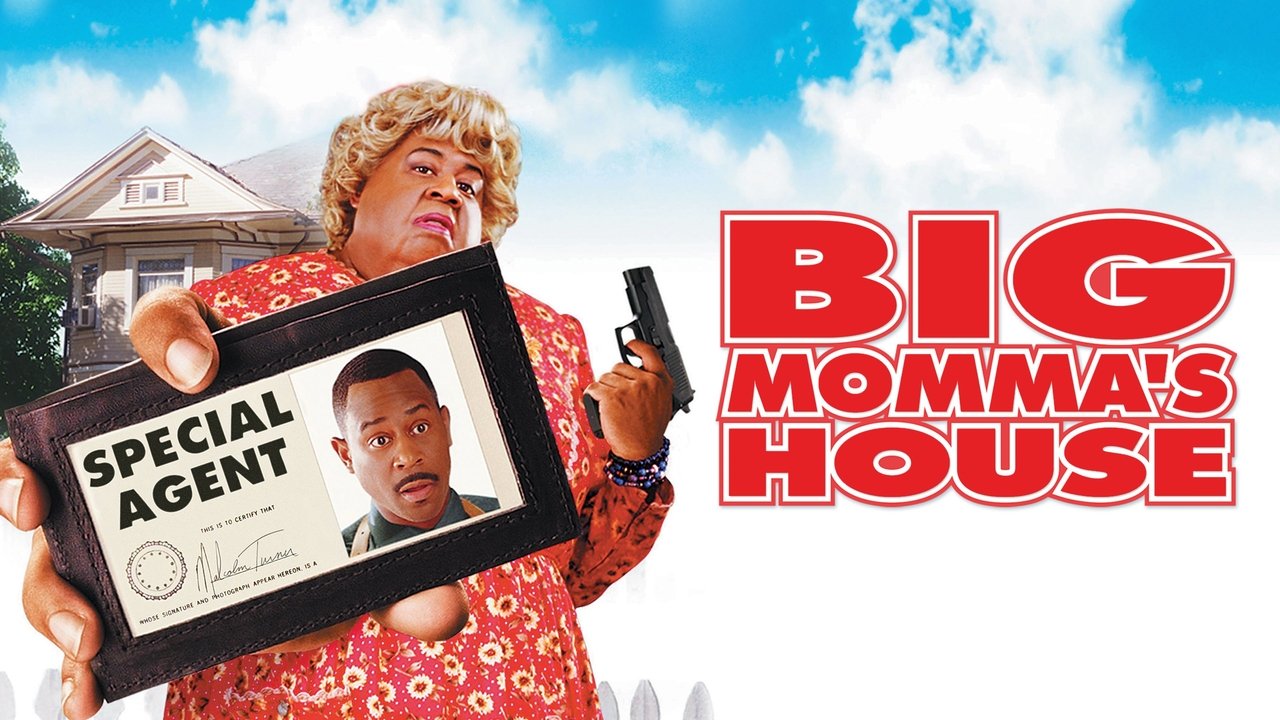
Let’s be honest, the concept is pure Hollywood high-concept gold, the kind that probably got greenlit before the pitch meeting was even over: FBI agent goes deep undercover as an overweight, elderly Southern matriarch to catch an escaped convict. It sounds utterly ridiculous, and it absolutely is, but the sheer commitment of Martin Lawrence as Agent Malcolm Turner, forced into the floral dresses and prosthetic bosom of Hattie Mae Pierce ("Big Momma"), is what elevated this from a one-joke premise into a bona fide box office smash.
Going Deep (Undercover and Under Latex)
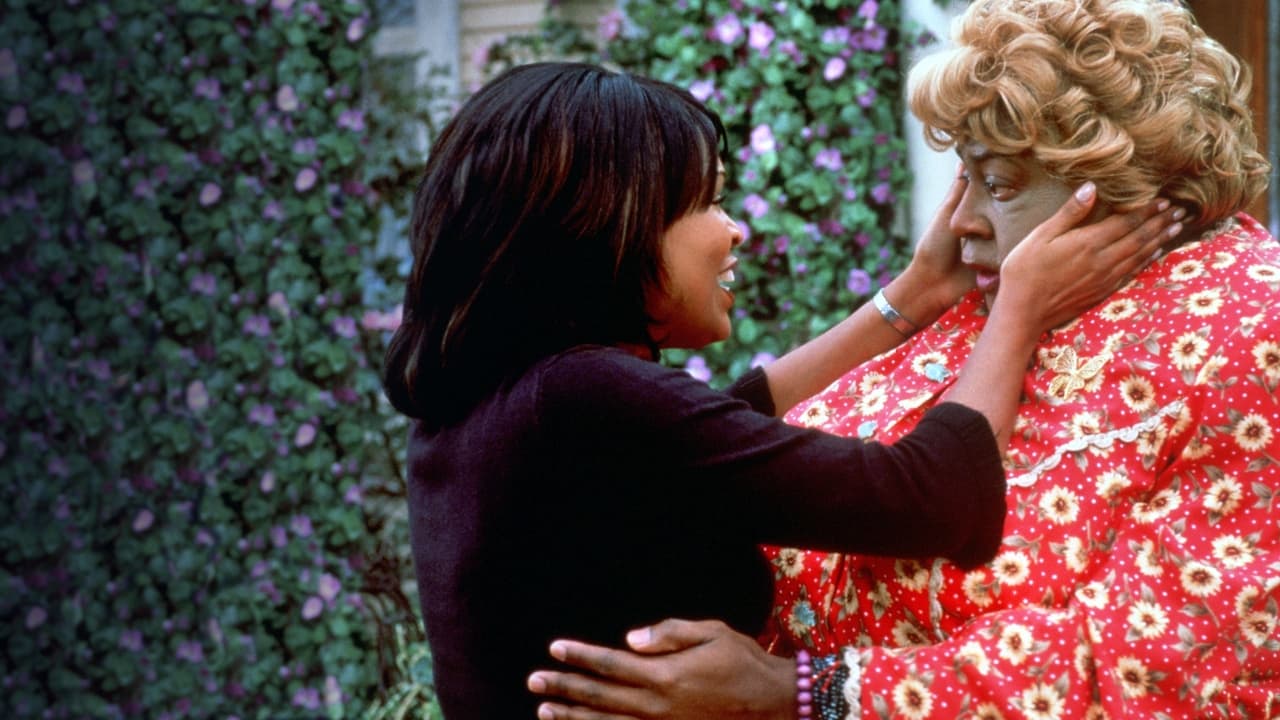
The setup is classic buddy-cop-adjacent fare. Malcolm and his partner John (Paul Giamatti, wonderfully exasperated long before Sideways made him a household name for wine snobbery) are tracking escaped bank robber Lester Vesco. They believe Lester will head to Cartersville, Georgia, to reconnect with his ex-girlfriend Sherry Pierce (Nia Long, radiating charm as always) and their son. The plan? Stake out the house of Sherry's estranged grandmother, the formidable Big Momma. But when the real Big Momma unexpectedly leaves town, Malcolm has mere hours to become her.

This is where the movie lives or dies, and Martin Lawrence throws himself into the role with fearless abandon. Forget subtle character work; this is about broad physical comedy, vocal gymnastics, and the inherent hilarity of a fit FBI agent trying to navigate life in a cumbersome, sweltering fat suit. And let's talk about that suit! Created by the legendary makeup effects artist Greg Cannom (who won Oscars for Mrs. Doubtfire, Dracula, and The Curious Case of Benjamin Button), applying the layers of foam latex, bodysuit, and makeup reportedly took hours each day. You can almost feel Lawrence sweating under there, adding a layer of frantic energy to his performance that feels entirely genuine. It’s a practical effect that is the movie, long before CGI could smooth over such transformations (and arguably, remove some of the tangible comedy).
More Than Just a Gag?
Director Raja Gosnell, who came up editing massive hits like Home Alone (1990) and Pretty Woman (1990) before directing Never Been Kissed (1999), keeps things moving at a brisk, sitcom-like pace. He knows the central gag is the engine and doesn't linger too long on any one scene. The comedy swings wildly from slapstick (Big Momma playing basketball, anyone?) and sight gags to moments of genuine warmth as Malcolm, disguised as Big Momma, starts to connect with Sherry and her son, Trent. Nia Long provides the necessary grounding, selling Sherry's vulnerability and making the slightly underdeveloped romantic subplot feel sweeter than it perhaps has any right to be.
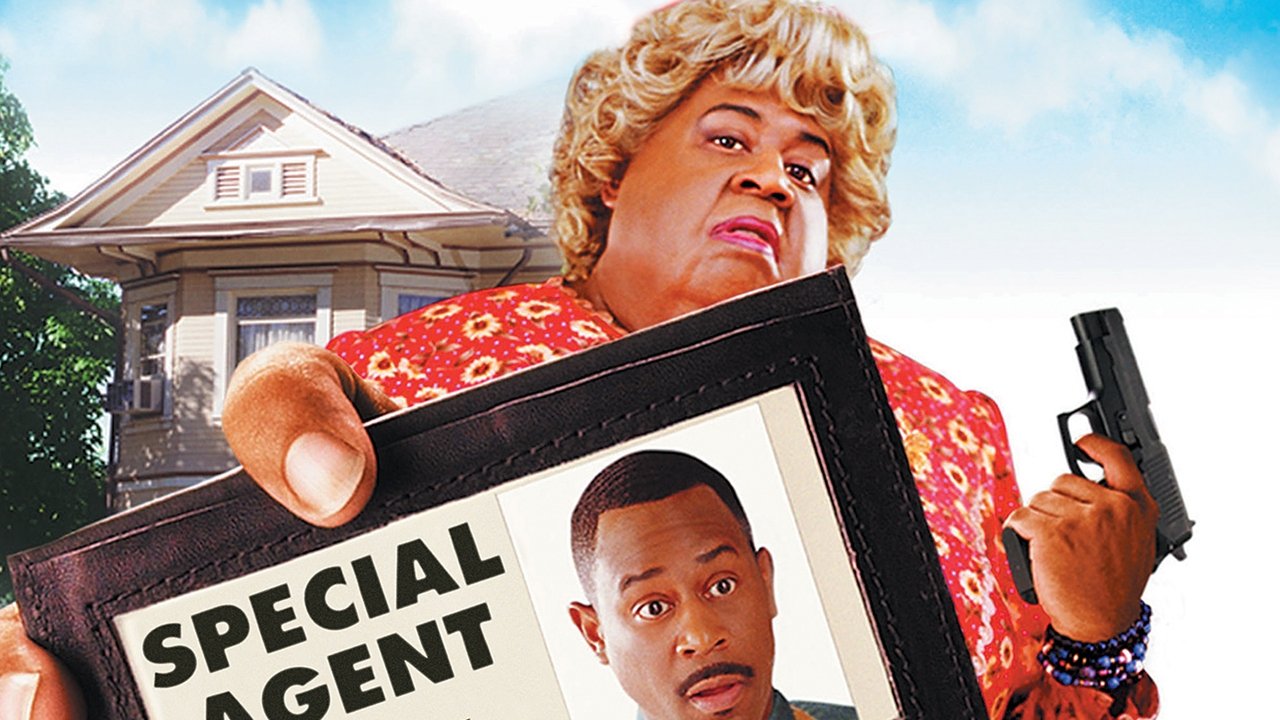
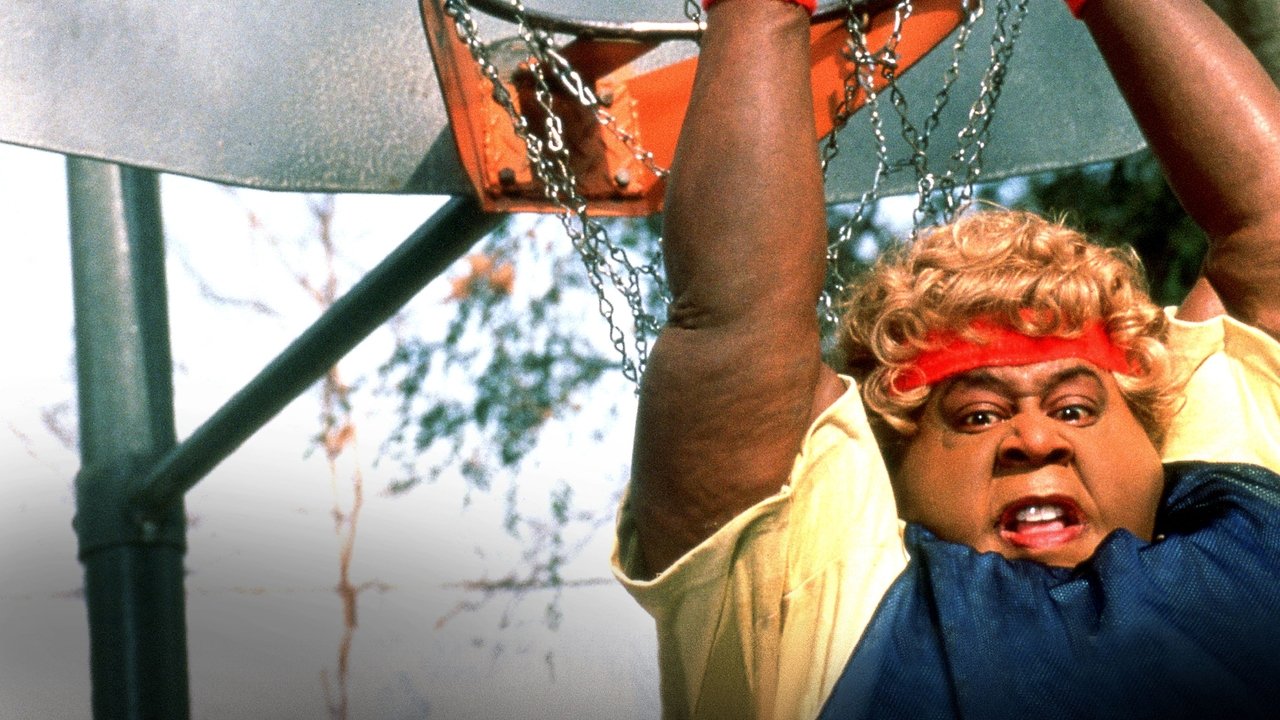
Sure, the plot mechanics involving the bank loot are pretty standard-issue, serving mostly to get Malcolm into and out of various predicaments while wearing the suit. And yeah, some of the humour definitely feels very "of its time" – let's just say comedic sensibilities have shifted a bit since 2000. But there's an undeniable energy here. Remember the church scene? Or Big Momma delivering a baby? These set pieces are designed for maximum comedic impact, relying on Lawrence's willingness to go big (pun absolutely intended).
A fascinating bit of trivia: the original script was apparently conceived as a much darker thriller! It underwent significant rewrites to become the broad comedy vehicle for Lawrence we know today. Made for around $30 million, Big Momma's House raked in a massive $174 million worldwide, proving audiences were more than ready for this brand of silliness, even if critics were largely unkind (it holds a distinctly "rotten" score on review aggregators from the time). It tapped into Lawrence's established TV persona from Martin and solidified his status as a bankable movie star, leading to two sequels of diminishing returns.
The Verdict on Big Momma
Rewatching Big Momma's House today is like opening a time capsule. It's unashamedly broad, occasionally crude, and relies heavily on its central gimmick. But it's also fueled by a genuinely energetic and physically demanding performance from Martin Lawrence. The practical makeup effects are impressive for their era, and there's a certain charm to its straightforward comedic aims. You can see the fingerprints of late 90s comedy structure all over it, aiming for laughs and succeeding often enough through sheer force of will (and latex). It’s not sophisticated, but it never pretends to be. It’s a comfort-food comedy from the turn of the century.
Rating: 6/10
Justification: The rating reflects the film's undeniable success as a crowd-pleasing comedy vehicle carried almost entirely by Martin Lawrence's commitment and the impressive practical makeup. It delivers on its premise with energy, even if the plot is thin and some humour hasn't aged gracefully. It earns points for sheer nostalgic value and being a memorable, if silly, artifact of its time.
Final Take: For all its dated moments, Big Momma's House remains a testament to the power of a killer high concept and a star willing to disappear, quite literally, into a role – a kind of practical-effects comedy spectacle we don't see much anymore. Fire it up if you need a reminder of Y2K-era laughs, pre-MCU ubiquity.