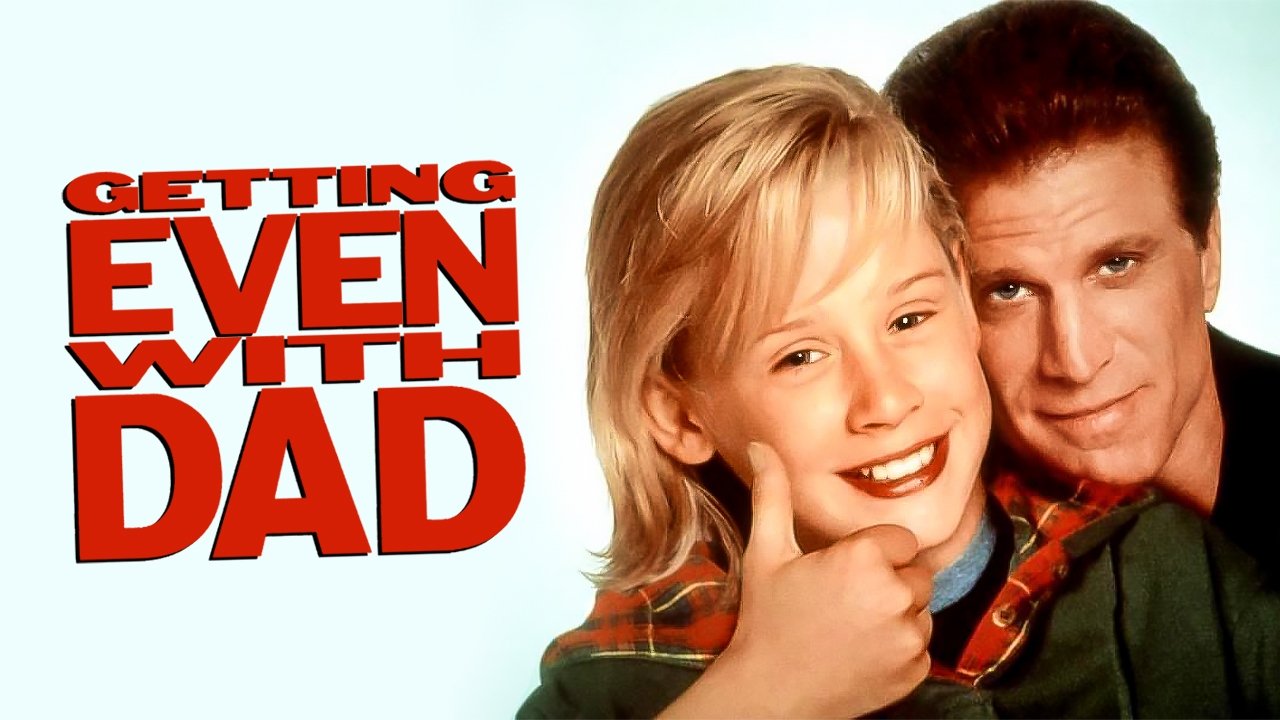
It feels like just yesterday you could walk into Blockbuster, the scent of popcorn and plastic lingering in the air, and spot that distinctive VHS cover: Macaulay Culkin, arguably the biggest child star on the planet, paired with the effortlessly charming Ted Danson of Cheers fame. 1994’s Getting Even with Dad promised a classic family comedy setup – a crafty kid and his estranged, slightly dodgy father forced together. It was the kind of movie practically designed for a weekend rental, a comfortable slice of 90s cinema that, revisiting it now, feels like opening a time capsule filled with questionable fashion and familiar heart-warming tropes.

### The Kidnapping Caper (Sort Of)
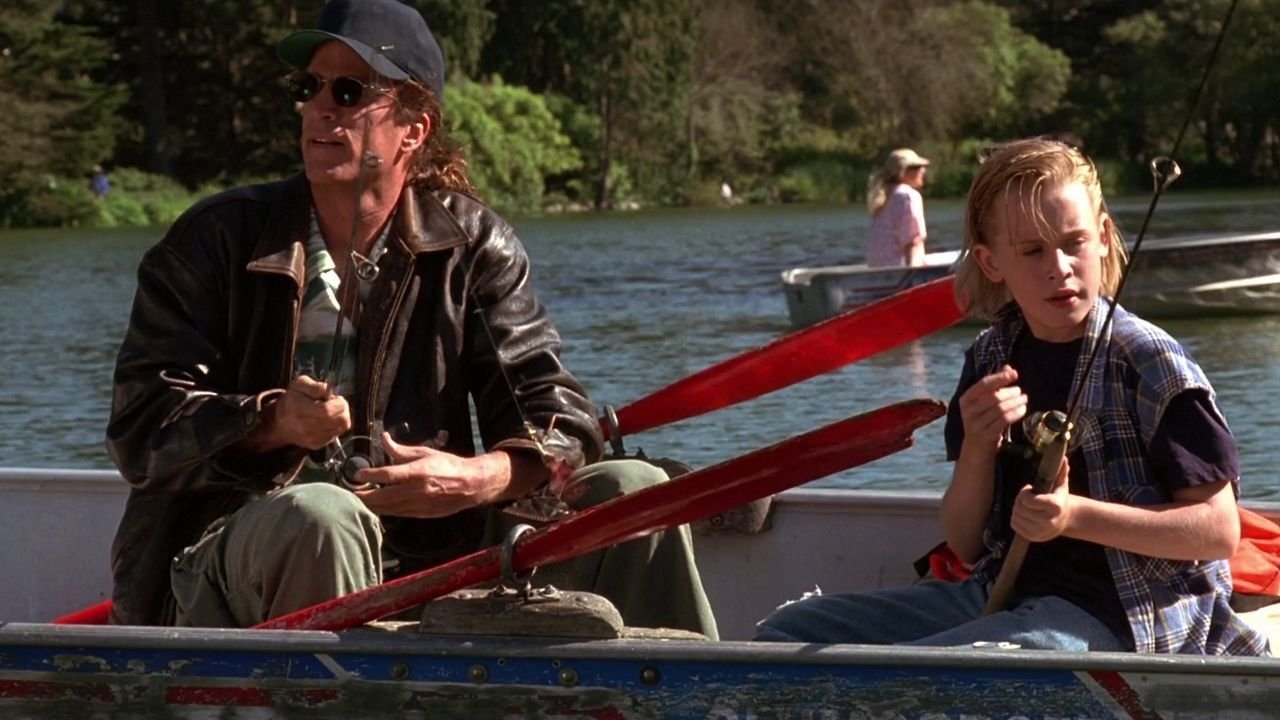
The premise itself is pure 90s high-concept: Timmy Gleason (Macaulay Culkin) arrives expecting to spend quality time with his dad, Ray (Ted Danson), only to discover dear old Dad is a small-time con man planning one last score involving rare coins with his bumbling associates (Saul Rubinek and Gailard Sartain). Timmy, fed up and surprisingly resourceful (a Culkin specialty by this point), hides the stolen coins and essentially blackmails his father – he’ll only return them if Ray spends a week actually being a dad, complete with trips to amusement parks, miniature golf, and baseball games. It’s a setup ripe for comedic clashes and eventual bonding, penned by a team including Tom S. Parker and Jim Jennewein, who also gave us the live-action The Flintstones (1994) and another Culkin vehicle, Richie Rich (1994).
You can almost picture the pitch meeting, can't you? Home Alone meets Paper Moon, maybe? The film leans heavily on the assumed chemistry between its leads. Danson, fresh off his legendary run as Sam Malone, slides easily into the role of the charming rogue, Ray Gleason. He’s got the charisma down pat, even if the script sometimes leaves him treading water. Culkin, meanwhile, was navigating that tricky post-Home Alone phase. He still had that undeniable screen presence, but Timmy Gleason isn't Kevin McCallister. He's less impish mischief, more calculated negotiator, a kid who seems weary beyond his years, which adds an interesting, if perhaps unintended, layer to the father-son dynamic.
### A Father-Son Deal with Strings Attached
Director Howard Deutch, known for bringing genuine heart to teen classics like Pretty in Pink (1986) and Some Kind of Wonderful (1987), tries to inject similar warmth here. There are genuinely sweet moments as Ray, initially resistant, starts to actually enjoy spending time with his son. The scenes where they awkwardly try to connect – Ray teaching Timmy how to bat, Timmy trying to understand his dad’s life – resonate with a familiar family film sincerity. The presence of the ever-wonderful Glenne Headly as Detective Theresa Walsh adds a touch of grounded warmth and potential romance, though her character feels somewhat underutilized amidst the main caper and bonding plotlines.
Despite its good intentions, the film sometimes struggles to balance its comedic heist elements with the central father-son story. The scenes with Ray's goofy partners often feel like they belong in a different, broader comedy, undercutting the emotional core Deutch is trying to build. Some behind-the-scenes tidbits add context: the film was shot primarily in San Francisco, giving it some nice visual backdrops for Timmy's enforced "fun week." It operated on a fairly substantial $30 million budget, hoping to capitalize on Culkin's star power, but it didn't quite ignite the box office, ultimately grossing just under $19 million domestically. Perhaps audiences were starting to move on from this specific brand of family comedy, or maybe the slightly convoluted premise didn't quite land. It's interesting to note that Culkin took a break from acting shortly after this and Richie Rich, marking the end of a significant chapter in child stardom.


### Nostalgia Goggles Required?
Watching Getting Even with Dad today is an interesting experience. It’s undeniably a product of its time – the pacing feels leisurely compared to modern family films, the plot beats are fairly predictable, and some of the humor feels a bit dated. Yet, there’s an undeniable comfort factor. It taps into that specific vein of 90s family entertainment where problems could be solved with a week of forced bonding and a conveniently timed change of heart. Danson remains effortlessly watchable, and even if Culkin seems a bit subdued compared to his iconic roles, there’s a certain satisfaction in seeing these two very different screen personas interact. The practical nature of the action, the look and feel of the era – it all contributes to a cozy, nostalgic watch, even if it doesn't quite reach the heights of the films it might evoke. It wasn't aiming to reinvent the wheel, just provide a pleasant diversion, and on those terms, it largely succeeds, even decades later. Remember those big, clunky mobile phones Ray uses? Peak 90s tech right there!
VHS Heaven Rating: 6/10
Getting Even with Dad is far from a perfect film, often feeling like a missed opportunity given the talent involved. The script meanders, and the tone wobbles between sentimental family drama and lighthearted crime caper. However, Ted Danson's charm is undeniable, the premise offers some decent moments, and it delivers a satisfying, if predictable, dose of 90s family film comfort food. It doesn't quite hit a home run, but it gets a solid base hit for nostalgic appeal and good-natured intentions.
It’s the kind of movie you’d happily watch on a rainy Sunday afternoon, perhaps remembering a time when hiding stolen coins seemed like a perfectly reasonable way to get your dad’s attention.