There's a certain unassuming charm to films that don't try to reinvent the wheel, but instead polish it to a familiar, comforting shine. Woody Allen's Small Time Crooks (2000) often feels like slipping into a pair of well-worn shoes – maybe not the most fashionable, but undeniably comfortable. Released at the dawn of a new millennium, it possesses a spirit that feels decidedly older, a throwback to the kind of character-driven, gently absurdist comedies that were once staples on the shelves of our beloved video rental stores. It doesn't grapple with existential dread or complex relationship dynamics like much of Allen's 90s output; instead, it asks a simpler, perhaps more resonant question: can sudden wealth truly buy happiness, especially for those delightfully unsuited for the upper crust?

### From Tunnel Vision to Cookie Empire
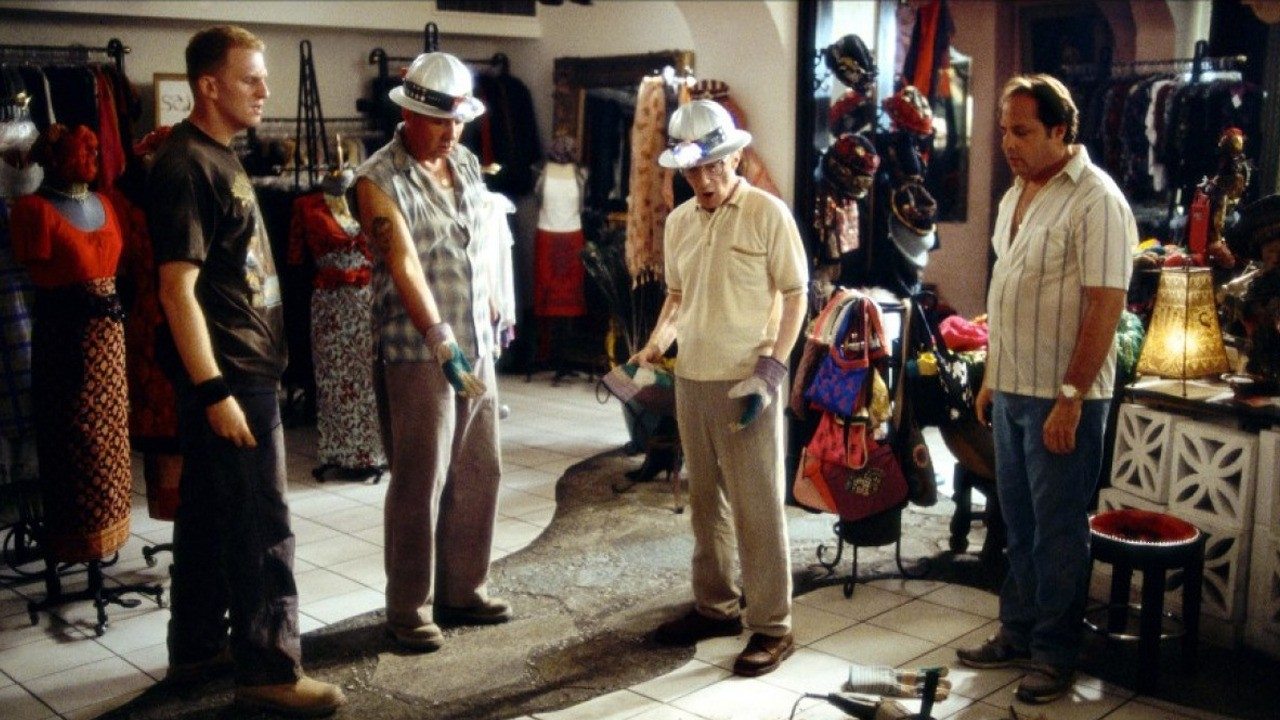
The premise is pure, classic caper comedy fodder. Ray Winkler (Woody Allen, playing a variation of his familiar neurotic schlub persona, albeit slightly more blue-collar) hatches a plan: rent a dilapidated pizza place next to a bank, tunnel into the vault, and live happily ever after. To maintain cover, his wife Frenchy (Tracey Ullman) will sell cookies out front. It's a ludicrous scheme, destined for failure, but Allen mines genuine humor from the sheer ineptitude of Ray and his equally dim-witted accomplices (played with reliable comic timing by actors like Michael Rapaport and Jon Lovitz). The initial setup, focused on the bumbling heist attempt, feels like a nod to Allen’s much earlier, sillier films like Take the Money and Run (1969).
But then, the film pulls its delightful switcheroo. The tunneling is a bust, but Frenchy's cookies? They become a runaway sensation. Suddenly, the Winklers are millionaires, catapulted from their working-class Queens existence into the rarefied air of Manhattan high society. And it's here, in this awkward transition, that Small Time Crooks finds its heart and its most potent observations.
### The Unbearable Lightness of Being Rich
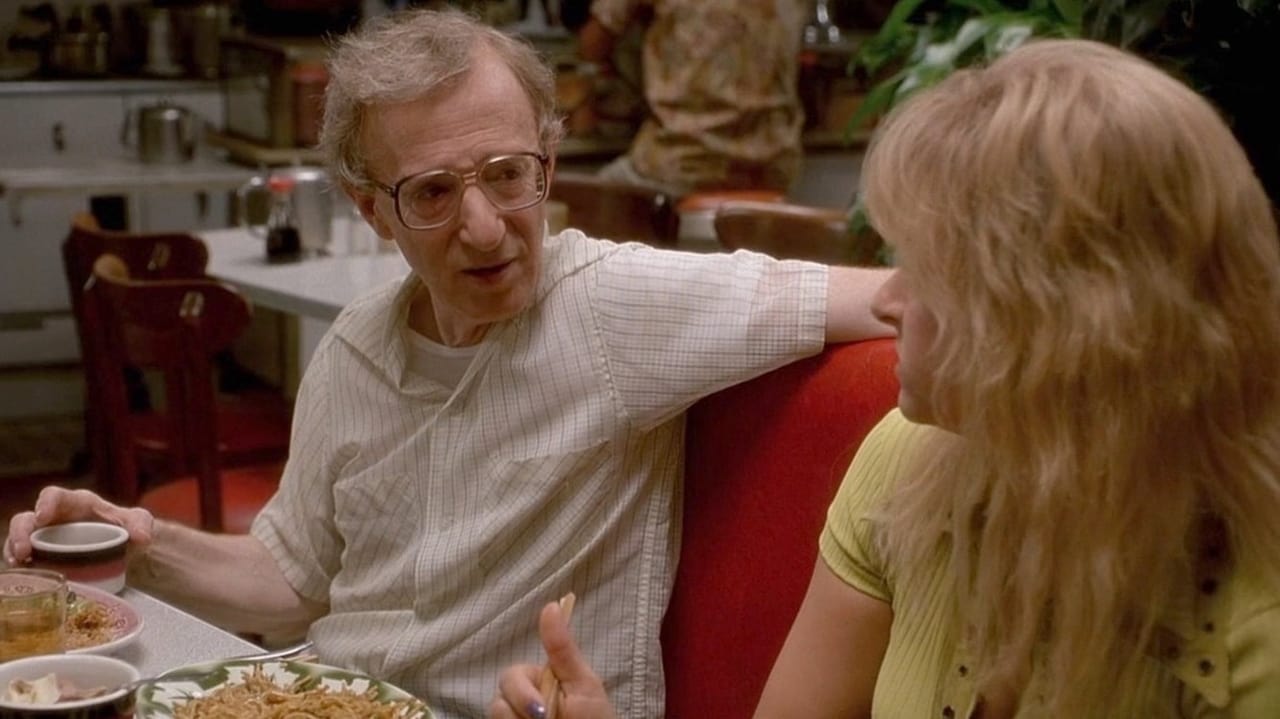
The real core of the film isn't the failed heist, but the fallout from unexpected success. Tracey Ullman is simply magnificent as Frenchy. She embodies the struggle of new money with hilarious, yet touching, authenticity. Decked out in garish outfits, desperate to acquire culture and sophistication overnight, Frenchy’s attempts to fit in are both funny and deeply sympathetic. Ullman doesn't just play the stereotype; she finds the yearning beneath the leopard print, the genuine desire for something more, even if she doesn't quite know what that is. Her Golden Globe nomination for Best Actress in a Comedy or Musical was thoroughly deserved; she elevates the entire picture. Allen, as Ray, remains stubbornly himself – unimpressed by fancy parties, missing his pizza and beer, utterly bewildered by the art world Frenchy tries to embrace. Their dynamic, the friction between her aspirations and his contentedness with simple pleasures, forms the film's warm, comedic engine.
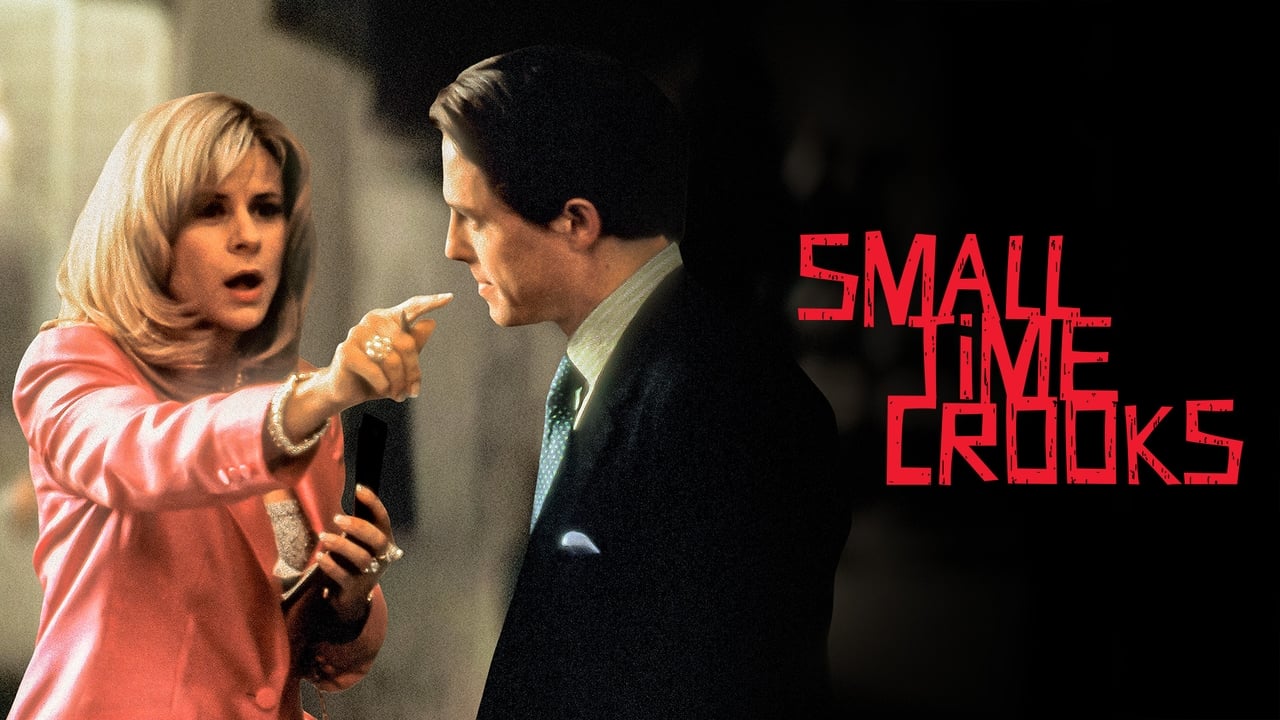
This journey into the unfamiliar territory of wealth introduces David (Hugh Grant), a suave, slightly predatory art dealer who takes Frenchy under his wing. Grant, perfecting the charming cad persona he explored in films like Four Weddings and a Funeral (1994), adds a layer of gentle conflict. Is he genuinely helping Frenchy, or merely exploiting her naivete? His presence forces the Winklers to confront what they truly value, and whether their newfound fortune is worth the loss of their comfortable, if unglamorous, past.

### A Sweet, Simple Treat
Small Time Crooks doesn't pretend to be high art. Its production feels relatively modest for an Allen film (reportedly budgeted around $18 million, grossing a respectable $29.9 million worldwide), relying on character interactions and witty dialogue rather than elaborate set pieces. Shot by Zhao Fei, who lens Allen's Sweet and Lowdown the year prior, it has a clean, unfussy look that serves the story well. It's interesting to note that this film marked a return to DreamWorks SKG for Allen after a period with other studios, and it seemed positioned as a more broadly appealing comedy compared to some of his more niche projects of the late 90s.
There's a definite nostalgic quality here, even beyond the specific release date. It feels like the kind of movie you'd happily stumble upon late at night on cable, or pick up on a whim from the video store based on the familiar faces on the cover. It’s filled out with wonderful supporting turns, including a memorable one from the legendary Elaine May as Frenchy's sweetly clueless cousin, May. The humor isn't biting or satirical; it's affectionate, observational, and rooted in the characters' relatable flaws and desires. Doesn't the awkwardness of trying to impress people, or the comfort found in old habits, resonate regardless of tax bracket?
It lacks the sharp edges or profound insights of Allen's greatest works, certainly. The plot takes predictable turns, and the resolution feels perhaps a touch too neat. But complaining about that feels like criticizing a chocolate chip cookie for not being a five-course meal. It achieves exactly what it sets out to do: provide warm, funny, character-driven entertainment.
Rating: 7/10
This score reflects a genuinely enjoyable, well-acted comedy that delivers consistent chuckles and a surprising amount of heart. Tracey Ullman's performance alone is worth the price of admission (or the rental fee, back in the day!). While not a groundbreaking film in Woody Allen's extensive catalogue, it doesn't need to be. It succeeds on its own terms as a light, charming, and ultimately sweet story about finding happiness not in what you gain, but in who you are.
Small Time Crooks might not be the first Allen film that comes to mind, but like one of Frenchy’s surprisingly popular cookies, it’s a simple, satisfying treat that leaves you feeling unexpectedly content.