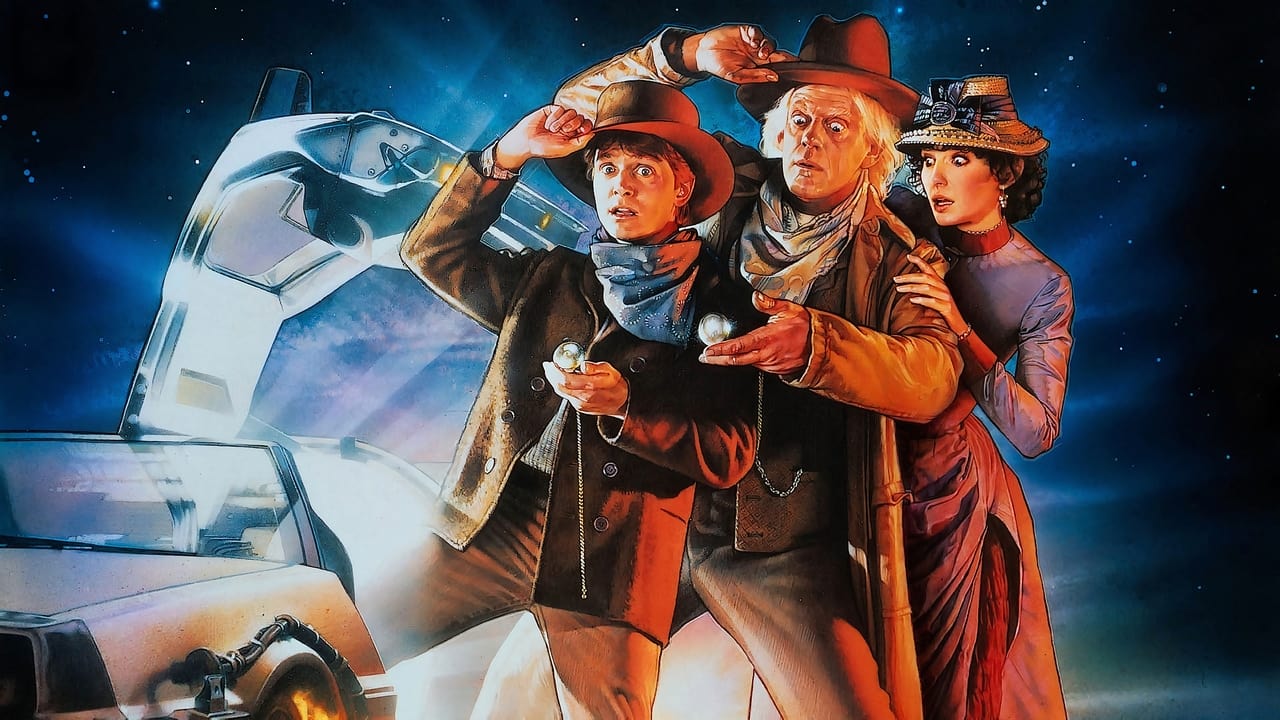
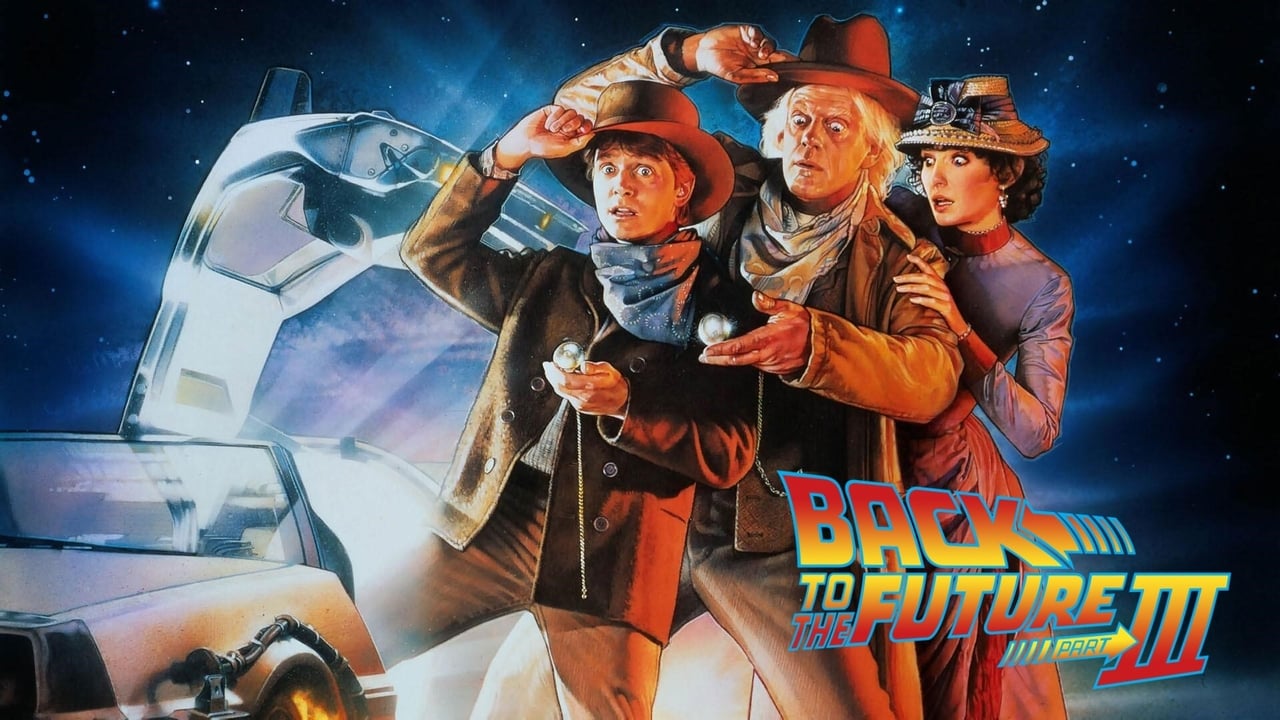
Dust off that trusty VCR head cleaner, folks, because we're taking the DeLorean for one last spin into the sunset. Forget the gleaming chrome and neon haze of 2015 or the nostalgic sock-hop vibes of 1955 for a moment. The final chapter of one of cinema's most beloved trilogies, Back to the Future Part III (1990), swaps hoverboards for horses and asks: what happens when Hill Valley goes Wild West? It was a bold move, announced with that thrilling "To Be Concluded..." teaser at the end of Part II, leaving us hanging not just by the cliff of 1955, but by the promise of spurs and saloons.
### Great Scott, We're in a Western!
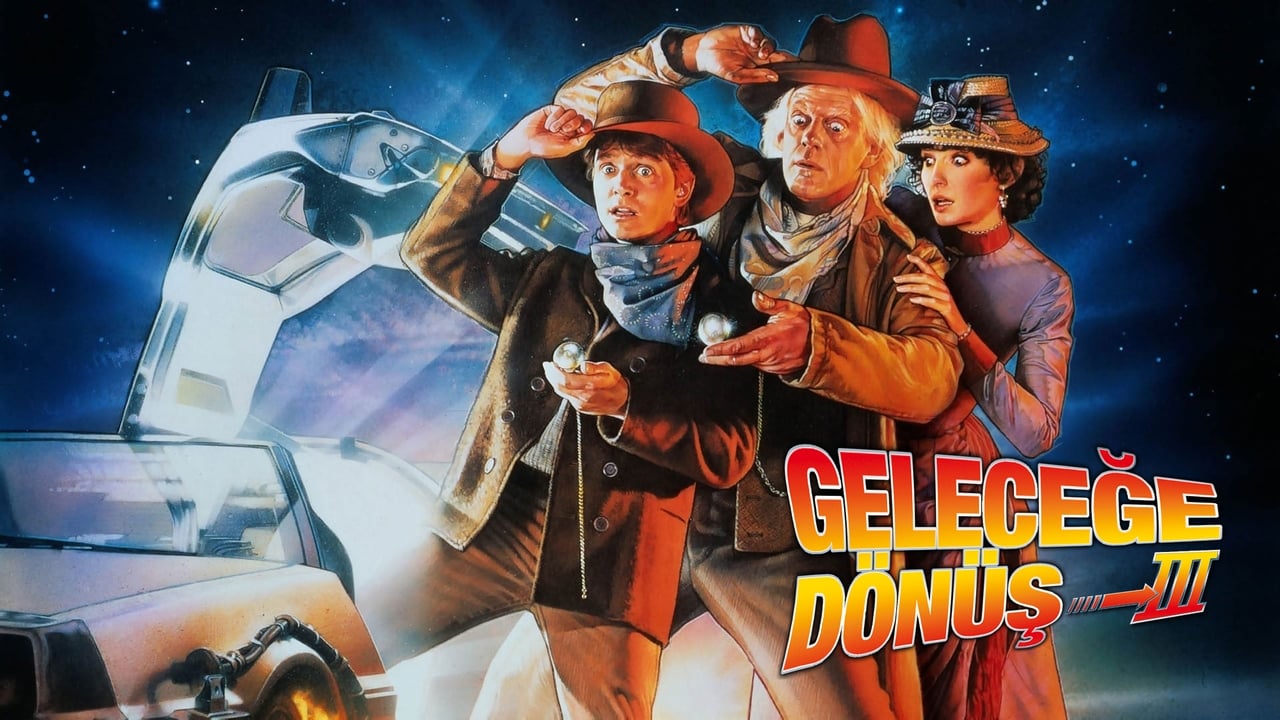
Picking up immediately where Part II left off, Marty McFly (Michael J. Fox) finds himself stranded once again in 1955, his time-traveling DeLorean kaput thanks to a stray lightning bolt. The shock, however, isn't just being stuck; it's discovering a weathered tombstone revealing that his eccentric mentor, Doctor Emmett Brown (Christopher Lloyd), didn't live out a peaceful life after being zapped back to 1885. Instead, he was tragically shot in the back by Buford "Mad Dog" Tannen (a delightfully snarling Thomas F. Wilson). What's a time-displaced teenager to do? With the help of the ever-resourceful 1955 Doc, Marty gears up for a rescue mission to the Old West, facing dusty trails, dubious outlaws, and the distinct lack of plutonium at the local general store.
Directed once again by the maestro Robert Zemeckis and penned by his trusty partner Bob Gale, Part III feels markedly different from its predecessors. It's less frantically paced than Part II, taking its time to breathe in the sprawling landscapes and dusty atmosphere of 1885 Hill Valley. This change of pace allows the characters, particularly Doc Brown, room to grow in unexpected ways. Filmed back-to-back with Part II – a Herculean logistical feat that undoubtedly tested the cast and crew – Part III benefits from a shared production design ethos but carves out its own distinct identity. You can almost feel the shift in the filmmakers' energy, moving from the complex temporal knot-tying of Part II to a more linear, character-focused adventure.
### Heart, Horses, and Hoverboards (of a Sort)
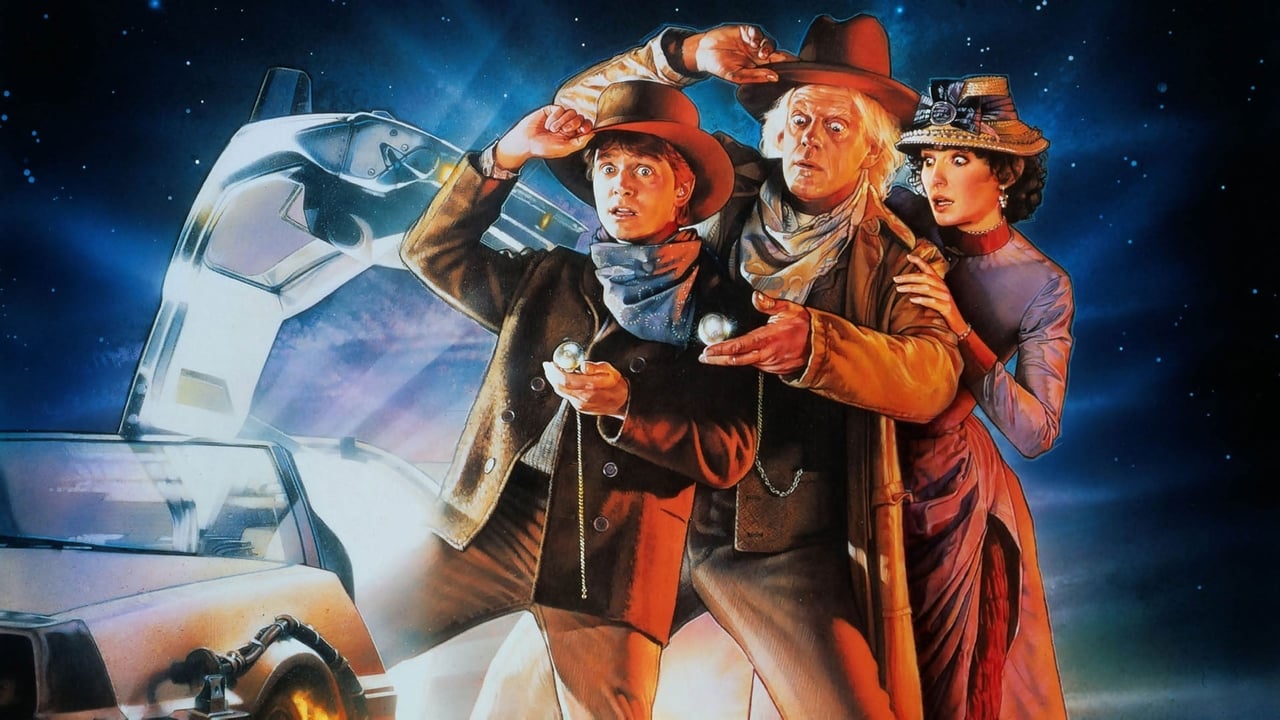
While Marty remains our anchor, grappling with Tannen family aggression across the centuries and learning not to rise to the bait of being called "chicken," the real heart of Part III belongs to Doc Brown. Christopher Lloyd, always a whirlwind of manic energy and scientific pronouncements, gets to explore Doc's softer side when he falls head over heels for the forward-thinking schoolteacher Clara Clayton (Mary Steenburgen). Their romance is genuinely sweet and charming, adding an emotional core that grounds the sci-fi antics. Steenburgen is simply wonderful, bringing intelligence and warmth to Clara, making her far more than just a damsel in distress; she's a kindred spirit for the good Doctor, someone who shares his fascination with the future and the stars (albeit through the lens of Jules Verne). Their chemistry is palpable, adding significant stakes to Doc's dilemma: return to his own time, or stay in the past with the woman he loves?
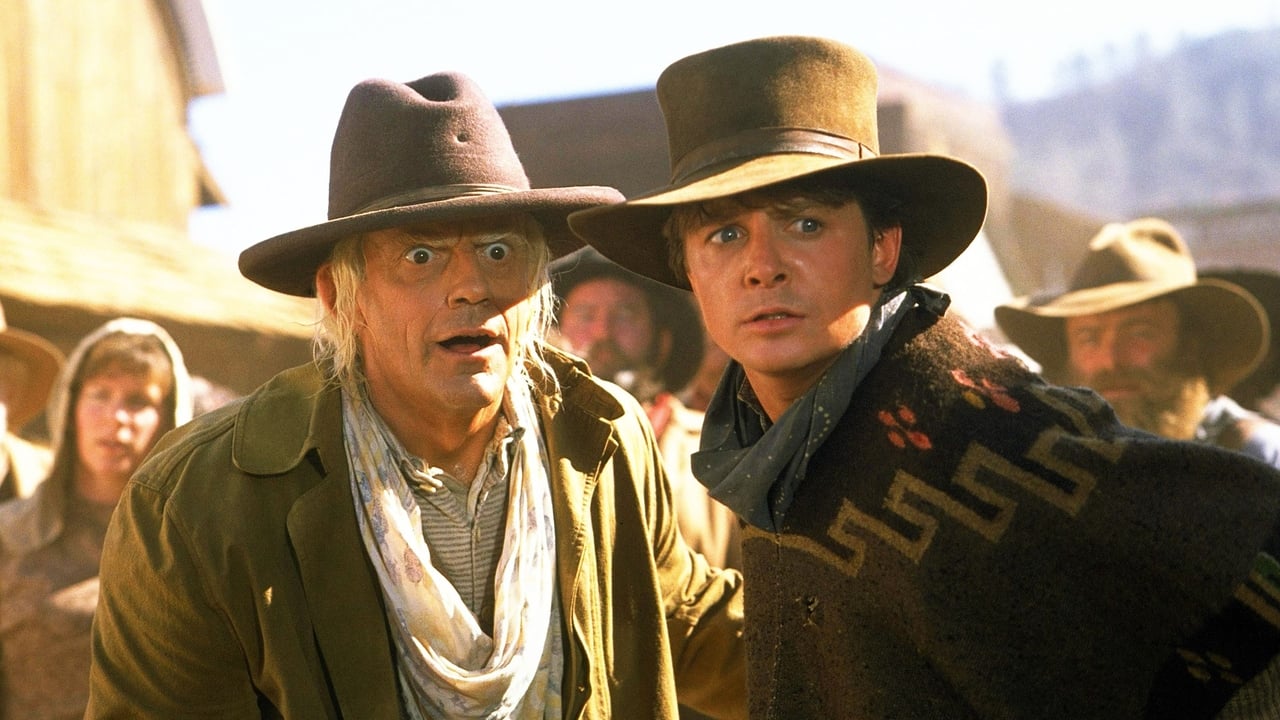
Of course, Michael J. Fox pulls double duty again, not only as Marty but also, briefly, as his own Irish immigrant ancestor, Seamus McFly. It's a fun nod to the series' running gags about lineage and inherited traits. Yet, his performance as Marty navigating the dangers of 1885 is where he truly shines. He gets to play cowboy, adopt the moniker "Clint Eastwood" (a fantastic running gag referencing the Man With No Name himself, complete with a clever poncho trick lifted straight from A Fistful of Dollars), and face down Mad Dog Tannen.
### Retro Fun Facts: Dangers and DeLorean Details
Behind the scenes, the shoot wasn't without its real dangers. In the scene where Marty is hanged by Buford's gang, Michael J. Fox very nearly suffocated for real. During one take, the rope tightened incorrectly, cutting off his airway until crew members realized he wasn't acting. It's a chilling reminder of the risks involved in practical stunt work, something this trilogy never shied away from.
And speaking of practicalities, the climactic train sequence is a masterclass in old-school filmmaking spectacle. Using a real locomotive (several, in fact, including custom builds) and miniatures for some of the more perilous moments, Zemeckis delivered a thrilling finale that perfectly blended the Western and sci-fi genres. Reportedly, just destroying the locomotive prop for its final plunge cost around $40,000-$50,000 – a hefty sum back then, showcasing the commitment to a tangible, explosive climax rather than relying solely on optical effects. The score by Alan Silvestri, who provided the iconic music for the entire trilogy, brilliantly incorporates classic Western motifs alongside his established themes, making the soundtrack itself a character in the film. Even ZZ Top got in on the action, appearing as the town band in the festival scene – a perfectly quirky 80s/90s touch.
### A Satisfying Ride into the Sunset
While some might miss the intricate plotting of Part II or the foundational charm of the original, Back to the Future Part III offers something arguably more valuable: a truly satisfying emotional conclusion. It wraps up the character arcs beautifully, especially for Doc Brown, giving him a future (or past?) filled with happiness. The film grossed a healthy $244.5 million worldwide against its $40 million budget, proving audiences were eager for one last trip. Critically, it was generally seen as a return to form after the slightly more divisive Part II, holding a respectable 81% on Rotten Tomatoes and a 7.4 on IMDb. It might be the most straightforward of the trilogy, but its warmth, humor, and genuine affection for its characters make it immensely rewatchable. It understands that the technology and time-bending paradoxes were always secondary to the friendship between a brilliant, eccentric scientist and an ordinary teenager caught up in extraordinary adventures.
Rating: 8.5/10
Back to the Future Part III earns this score by delivering a heartfelt and genuinely fun conclusion to one of cinema's most perfect trilogies. While perhaps not as groundbreaking as the first or as complex as the second, its successful blend of Western tropes with sci-fi adventure, superb character work (especially giving Doc his due), and thrilling practical finale make it a standout. The chemistry between Lloyd and Steenburgen is a highlight, and the film provides the kind of emotional closure that cements the trilogy's legendary status. It may have traded the flux capacitor for a steam engine temporarily, but the adventure remained pure Back to the Future.
It’s the perfect final reel – a reminder that even across centuries, friendship, courage, and maybe a little bit of scientific ingenuity can save the day. Now, where did I put that VHS copy...?