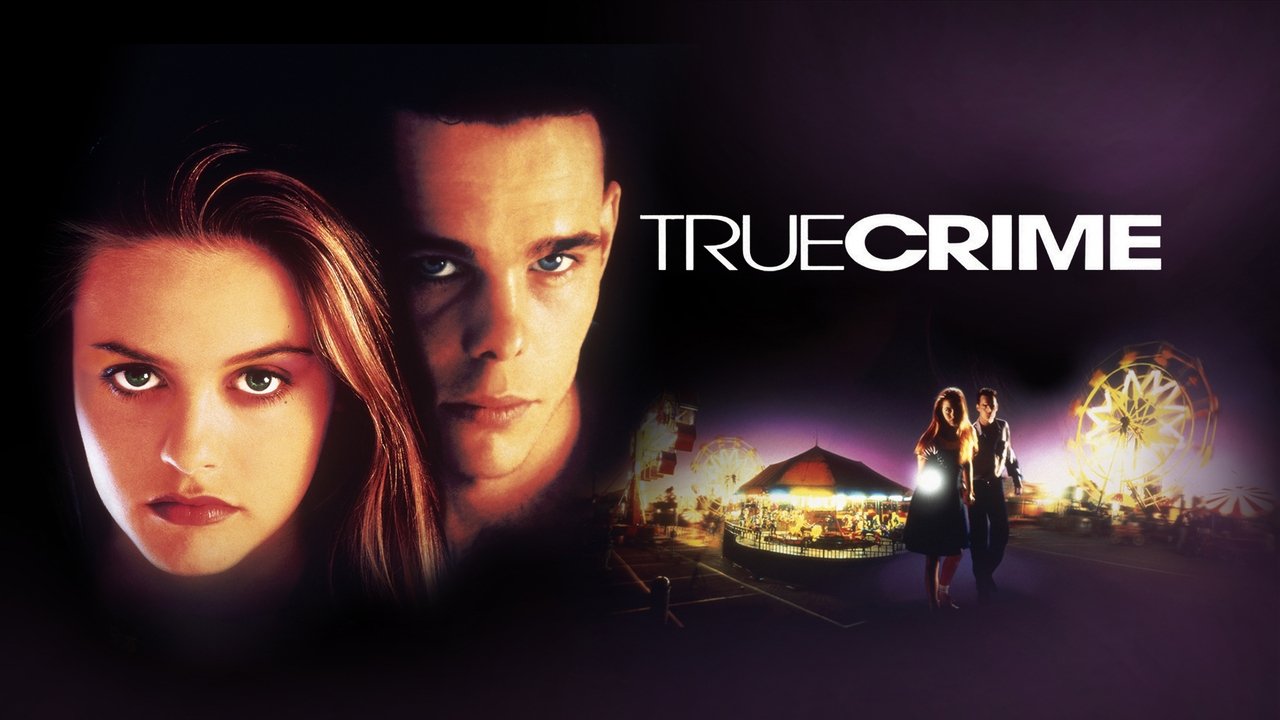
Welcome back to VHS Heaven, where the tracking is always adjustable, and the memories are sharp, even if the picture isn't. Today, we're dusting off a title that might have caught your eye back in '95, nestled perhaps between bigger hits on the rental store shelf: Pat Verducci's True Crime. It’s a film that arrived with little fanfare, yet holds a peculiar fascination, particularly when viewed through the lens of hindsight. What strikes me most, settling back to watch it now, isn't just the familiar gritty texture of mid-90s thrillers, but the face on the cover – one that was mere months away from defining a generation's comedic sensibilities, yet here plunges into far darker territory.
### A Shadow Before the Sunshine
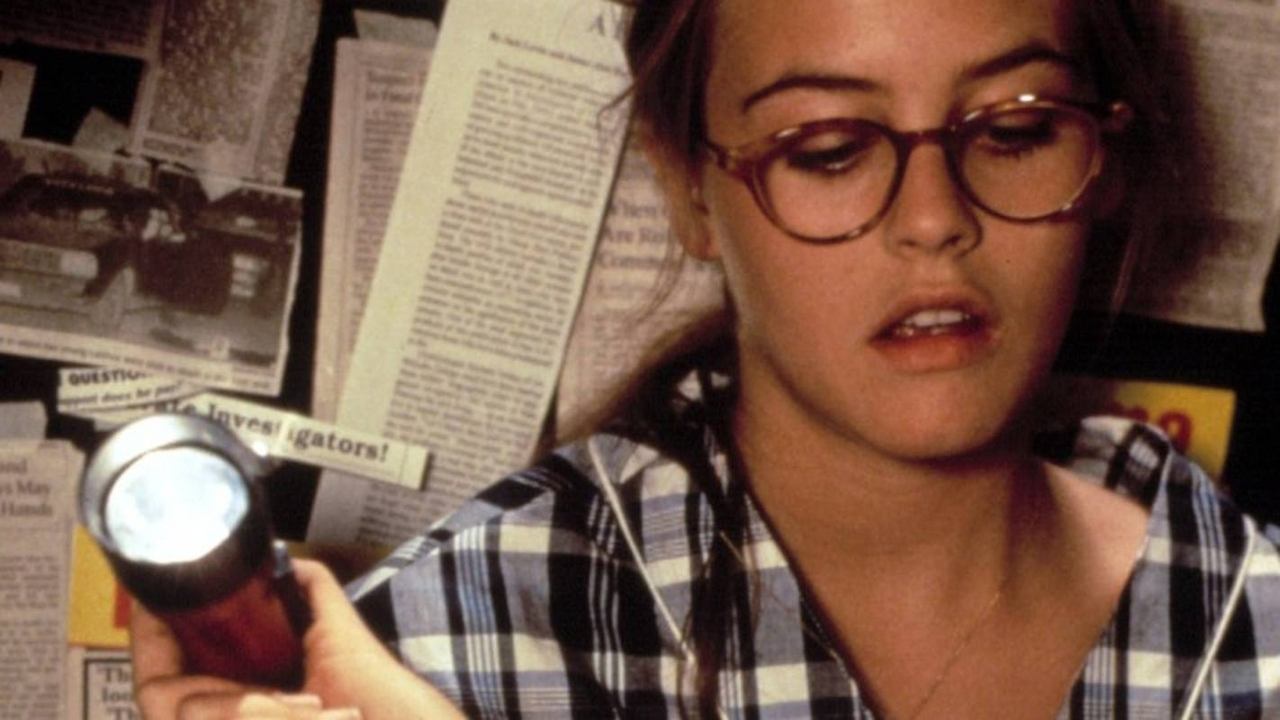
The central hook of True Crime involves Mary Giordano, a Catholic schoolgirl utterly consumed by detective magazines and the grim reality of unsolved murders. Played by Alicia Silverstone, this is a portrayal leagues away from the effervescent Cher Horowitz she would embody in Clueless, released later the same year. Seeing Silverstone here, earnest and intense, navigating a world of serial killers and police corruption, feels like discovering a slightly unnerving B-side to a beloved pop single. Mary isn't just curious; she's driven, bordering on obsessive, using her intellect and knowledge gleaned from pulp magazines to piece together clues the police seem to be missing about a local killer targeting young girls. It’s this fierce, almost reckless intelligence that makes her compelling, even when the script occasionally strains credulity. Doesn't it feel sometimes like the roles actors take just before hitting superstardom offer a unique, unfiltered glimpse of their range?
### Grit and Genre Tropes
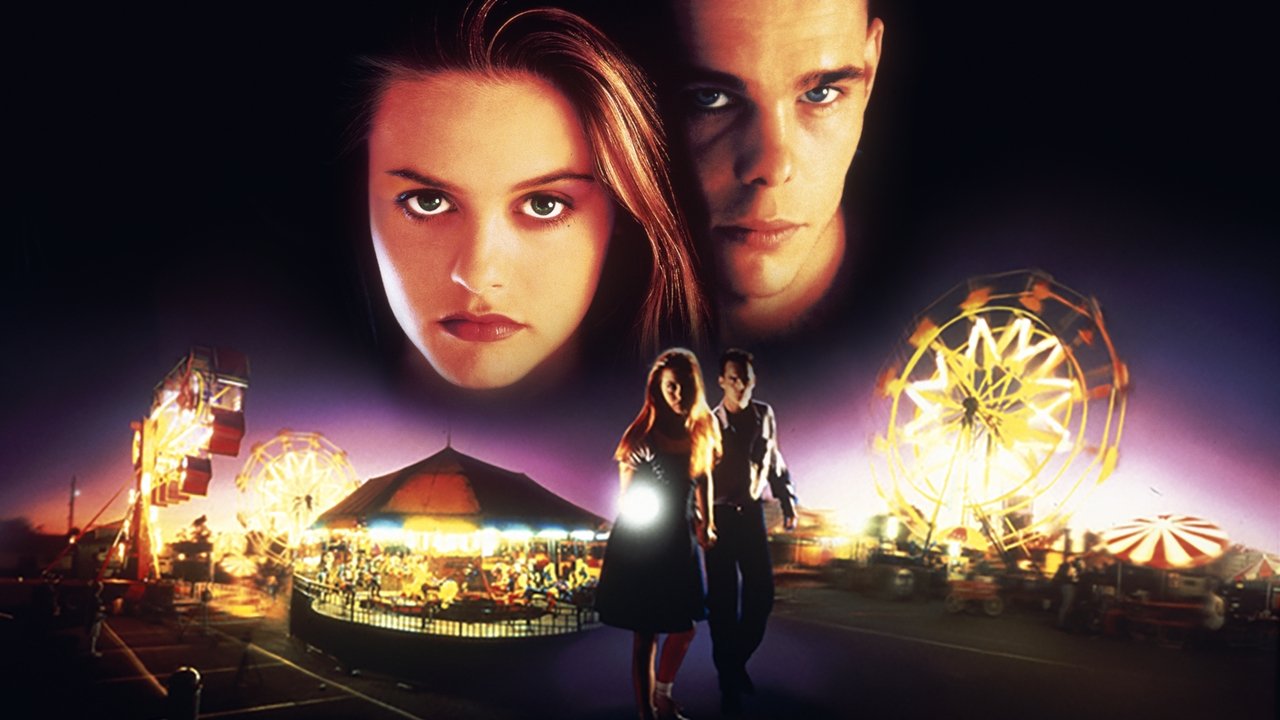
Mary's amateur sleuthing inevitably draws her into the orbit of Detective Tony Campbell, played by Kevin Dillon. Dillon, who already had intense roles like Bunny in Platoon (1986) under his belt, leans into the weary, hard-drinking cop archetype. He’s weathered, cynical, initially dismissive of Mary’s insights, but gradually drawn into her obsessive quest. Their dynamic forms the core of the film, a tense alliance forged in the face of grim proceedings. Bill Nunn, always a welcome presence (remember him from Spike Lee's Do the Right Thing?), provides solid support as Detective Jerry Guinn, Campbell's grounded partner, often acting as the voice of reason amidst the rising panic and procedural frustrations.
Director Pat Verducci, who also co-wrote the script with Andy Ruben, crafts a suitably grimy atmosphere. This isn't the glossy, high-budget dread of Silence of the Lambs (1991), which undoubtedly cast a long shadow over thrillers of this era. Instead, True Crime feels more grounded, almost working-class in its depiction of police work and the shadowy corners of its unnamed city (actually filmed in Los Angeles). Verducci, making her directorial debut here, reportedly drew inspiration from real-life cases and her own fascination with the psychology behind such crimes. There’s an earnestness to the filmmaking, an attempt to explore the psychological toll of violence, even if it sometimes bumps against genre conventions and budgetary limitations. Did these lower-budget thrillers sometimes capture a raw, unpolished reality that bigger productions smoothed over?
### Unearthing Retro Details
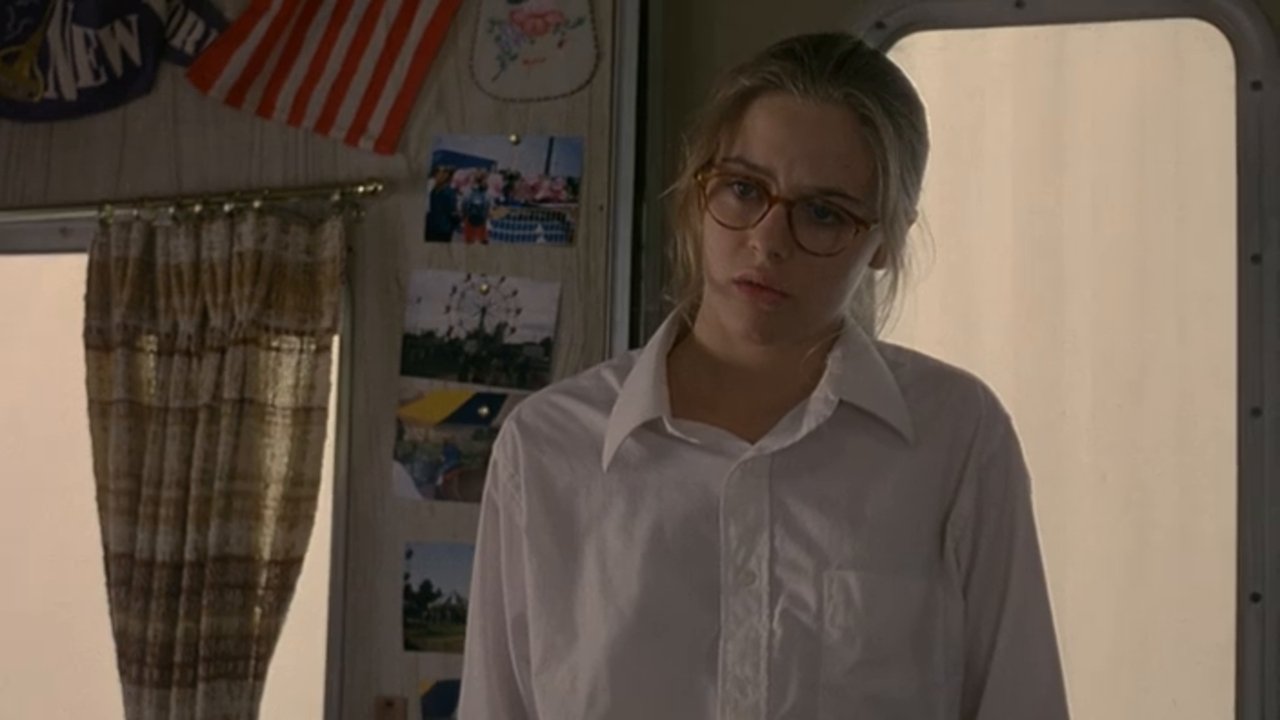
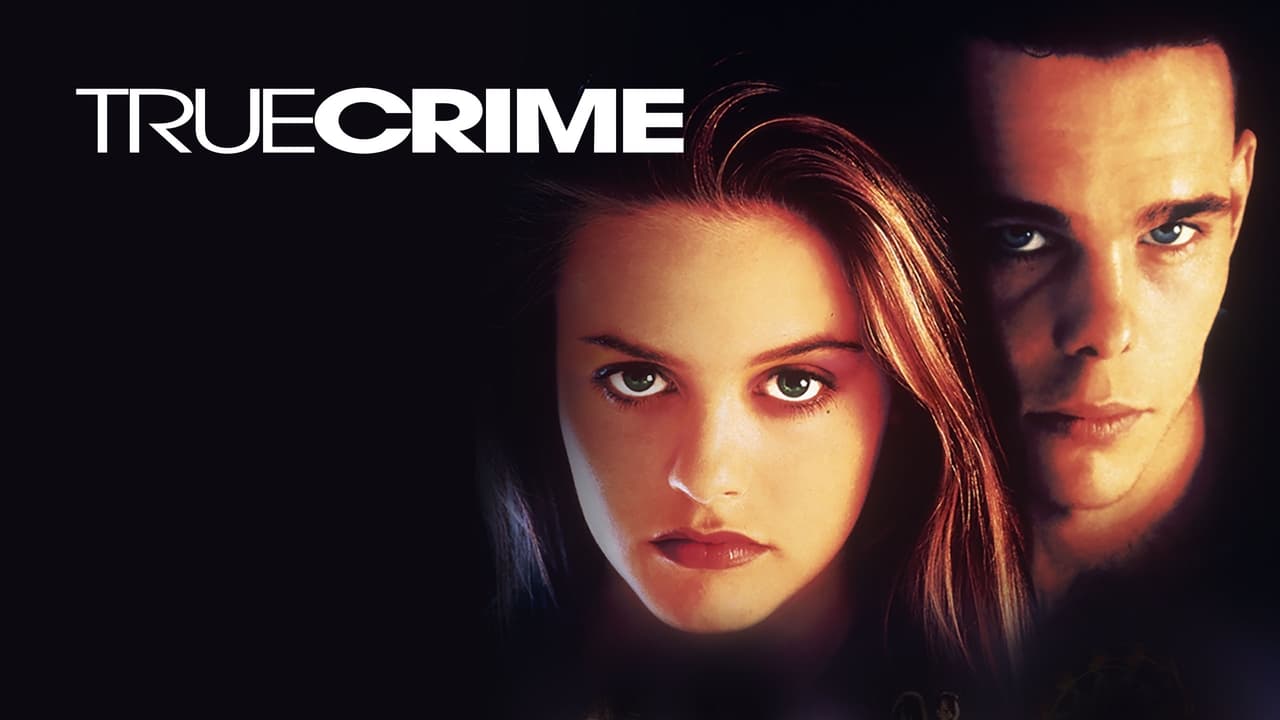
It's fascinating to consider True Crime's journey. Released by Trimark Pictures, known for distributing a mix of independent features and genre fare perfect for the booming home video market, it received only a limited theatrical run before finding its natural habitat on VHS shelves. This context is key. It wasn't trying to be a blockbuster; it was aiming for that Friday night rental crowd hungry for suspense. Knowing that Alicia Silverstone was on the precipice of Clueless fame adds a layer of "what if?" history to the viewing. Could this darker path have been her trajectory? The film itself, while not a massive financial success (details on its specific budget and box office are scarce, typical for smaller releases of the era), likely found its audience on home video, becoming one of those familiar box covers you saw week after week. Verducci didn't direct many features after this, which feels like a missed opportunity given the competence shown here, especially navigating a genre often dominated by male voices. Perhaps the industry wasn't quite ready, or maybe the film just didn't break through the noise of a crowded market.
The script itself walks a tightrope. Mary's almost preternatural deductive skills occasionally feel like a narrative shortcut, a common trope in amateur detective stories. Yet, Silverstone sells her character's intelligence and vulnerability. You believe her obsession, even when her actions push the boundaries of safety and common sense. What is it about the "precocious teen solves the crime" narrative that held such appeal, particularly in the 90s? Was it wish fulfillment, or a reflection of anxieties about unseen dangers lurking just beneath the surface of everyday life?
### Lasting Impressions
Watching True Crime today is an exercise in appreciating atmosphere and performance within the constraints of its time and budget. It’s a film that doesn't reinvent the wheel but spins it with a certain dark conviction. Silverstone delivers a committed performance that hints at a dramatic range often overshadowed by her comedic triumphs. Dillon embodies the cynical cop effectively, and the overall mood captures that specific mid-90s blend of noirish pessimism and procedural detail. It might follow certain formulas, and yes, some plot points require a healthy suspension of disbelief – but isn’t that part of the charm of revisiting these video store staples? It’s a snapshot of a moment in time, both for its star and for the genre itself. I remember renting this tape, probably drawn by Silverstone's familiar face even then, and being genuinely surprised by its darker tone. It stuck with me more than many slicker, bigger-budget thrillers from the same period.
Rating: 6/10
This score reflects a film that succeeds more than it fails, largely thanks to Alicia Silverstone's compelling lead performance and a consistently maintained grim atmosphere. It's hampered slightly by genre conventions and some predictable turns, but it remains a solid, engaging example of the direct-to-video-adjacent thrillers that were a backbone of the VHS era. It doesn't transcend its genre, but it delivers a respectable dose of suspense and serves as a fascinating prequel footnote to a major star's career.
What lingers after the tape ejects is the image of Mary Giordano, poring over crime scene photos, her youthful determination a stark contrast to the darkness she seeks to unravel. It’s a reminder that sometimes, the most interesting discoveries aren't the blockbusters, but the hidden corners of the video store shelf.