Okay, pull up a worn armchair and let's talk about a late-90s slice of Southern Gothic melodrama that probably graced more than a few video store shelves back in the day: Hush (1998). There’s a certain kind of chill that settles in not just from the plot, but from the very air the film breathes – the oppressive humidity of a Kentucky summer, the cloying sweetness hiding something rotten beneath. It’s the kind of movie that aims for simmering tension, even if it occasionally boils over into outright absurdity.
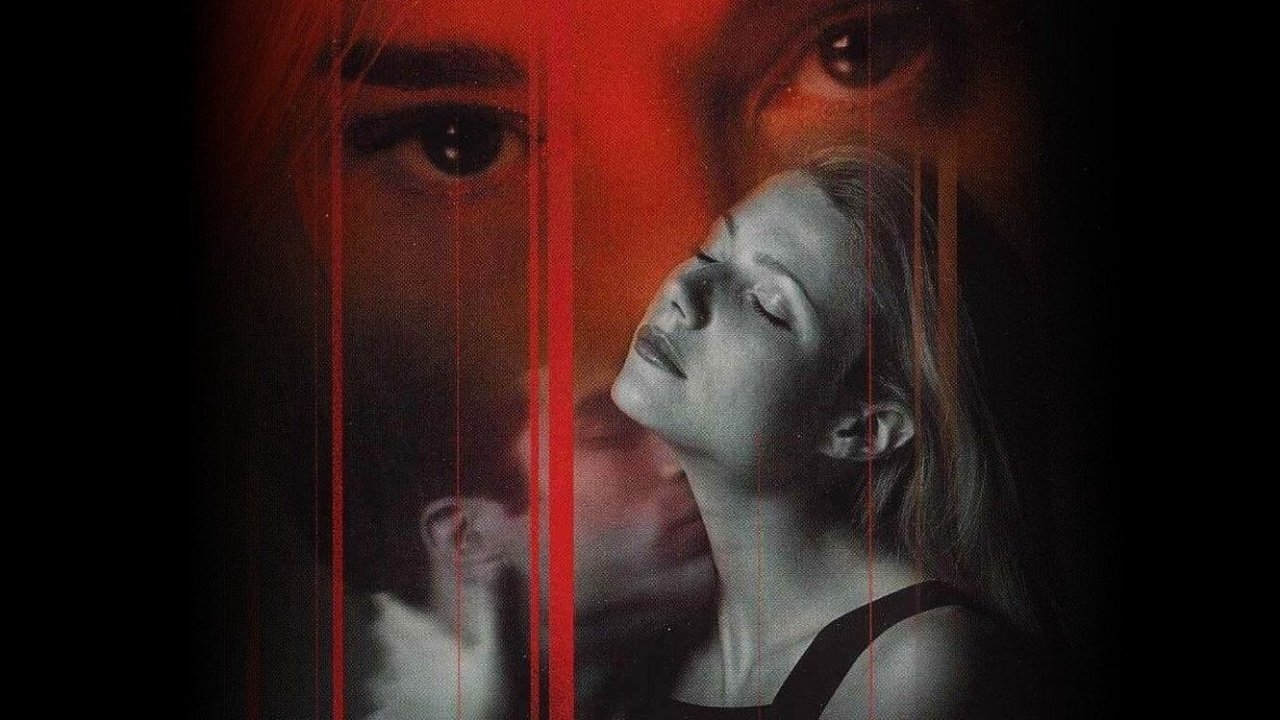
Beneath the Bluegrass Charm
The setup feels deceptively familiar, almost comforting in its genre trappings. Young, happy couple Helen (Gwyneth Paltrow, right on the cusp of her Shakespeare in Love superstardom) and Jackson Baring (Johnathon Schaech, fresh off being a heartthrob in That Thing You Do!) are expecting their first child. Life seems golden until they retreat to Jackson's ancestral home, the sprawling Kilronan stud farm, ostensibly to help his ailing mother recover from a hip injury. But the matriarch, Martha Baring, played with chilling intensity by the formidable Jessica Lange, is far from frail. She's a force of nature, possessive, manipulative, and deeply unnerved by Helen's presence threatening her iron grip on her son and the family legacy. What unfolds is less a whodunit and more a slow, unsettling reveal of just how far Martha will go.
A Masterclass in Menace
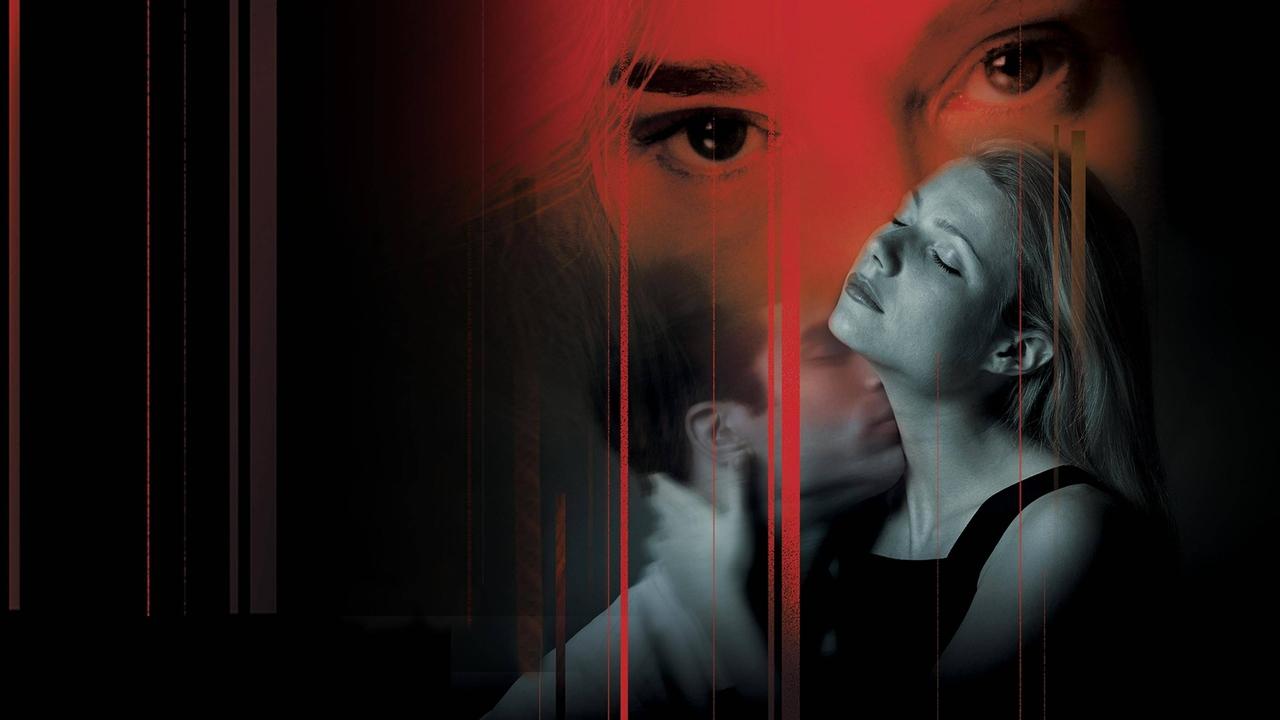
Let's be frank: the magnetic pull of Hush rests almost entirely on the shoulders of Jessica Lange. Fresh off winning her second Oscar for Blue Sky (1994), Lange dives into Martha with a commitment that elevates the material considerably. It’s not just the overt threats or manipulations; it’s the flicker in her eyes, the calculated sweetness that barely masks a terrifying resolve. She embodies that specific Southern archetype of the steely matriarch, laced with a poison that feels uniquely hers. There are moments where her performance borders on camp, threatening to tip the film into pure melodrama, but Lange possesses such inherent gravitas that she anchors even the script's more outlandish turns. You believe her malice, her desperation, her warped sense of love. Doesn't her portrayal tap into a universal fear – the outsider trying to navigate the treacherous waters of a deeply enmeshed family?
Paltrow, as Helen, serves primarily as the audience surrogate, her wide-eyed innocence gradually hardening into terrified resolve. It’s a competent performance, capturing Helen’s escalating panic and isolation effectively, though the script doesn't always give her the sharpest tools to fight back with. Schaech perhaps has the trickiest role as Jackson, caught between the two powerful women in his life. He effectively portrays the character's weakness and denial, though one often wishes Jackson would develop a spine much sooner.
Atmosphere Over Logic?
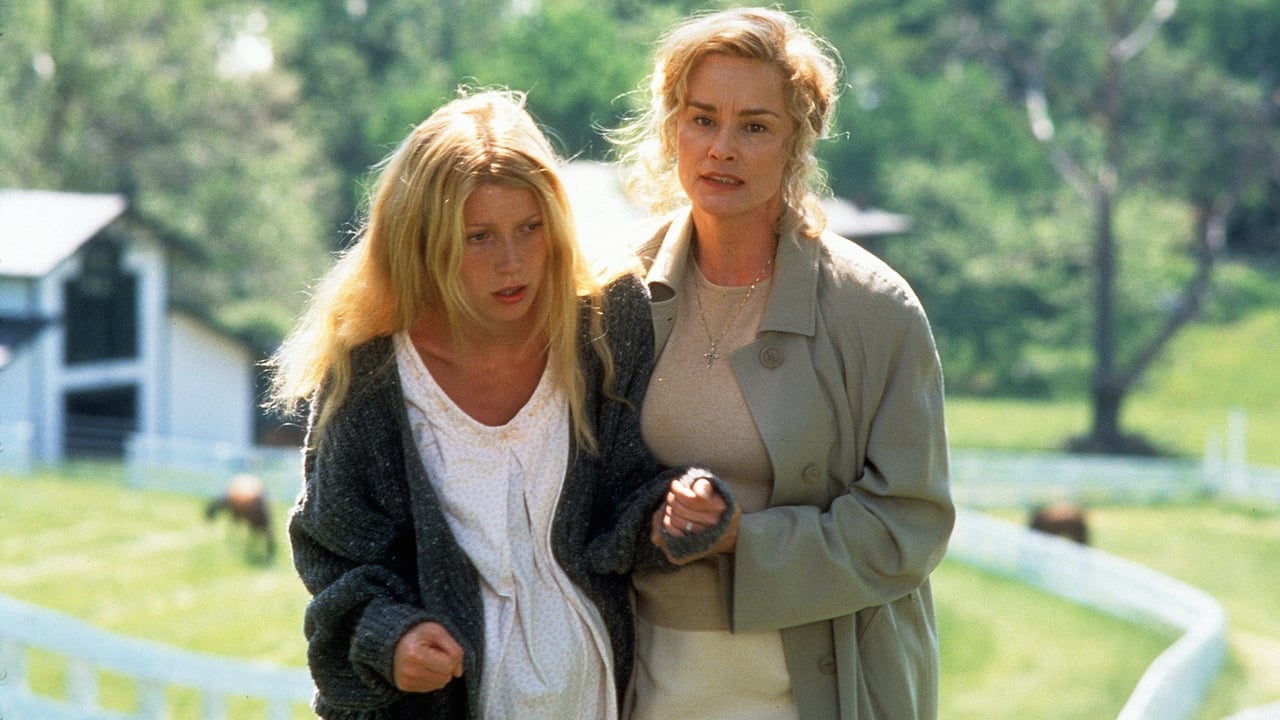
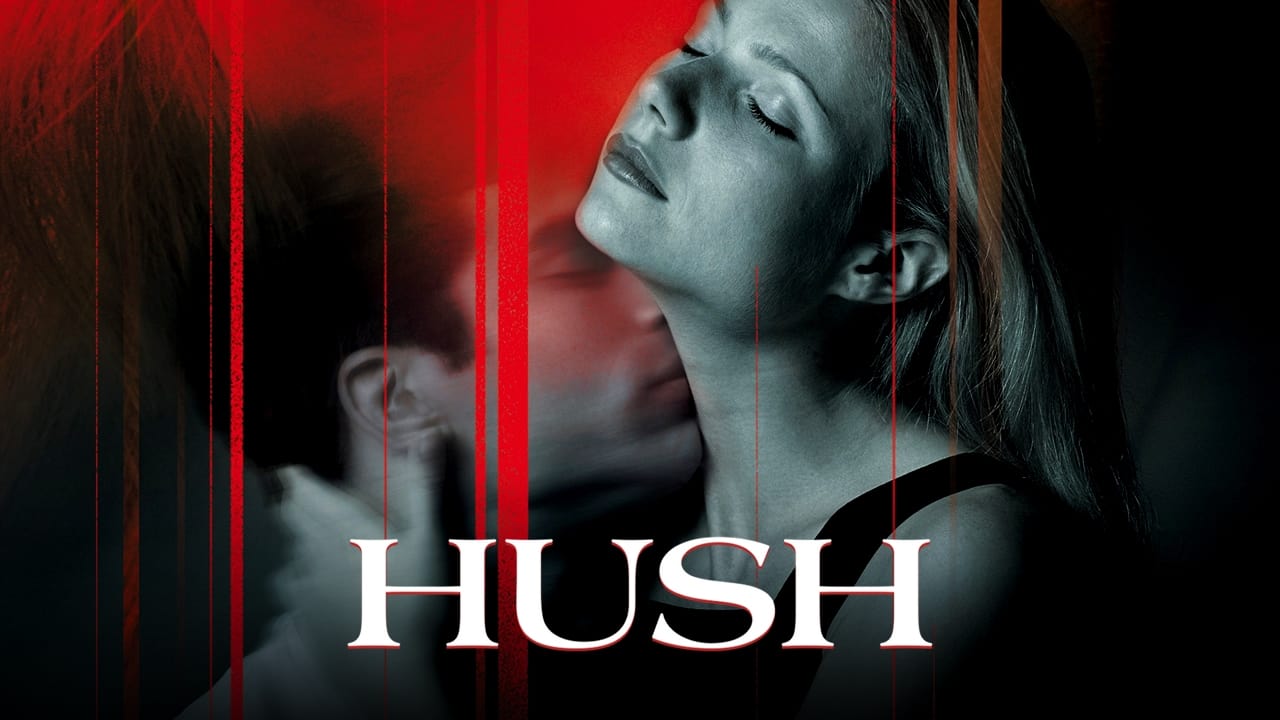
Director Jonathan Darby, making his feature debut here, clearly aimed for a specific mood. Working with cinematographer Andrew Dunn (who shot Gosford Park a few years later), he captures the beauty and claustrophobia of the Kilronan estate. Interestingly, while set in Kentucky, much of the filming took place far afield – the stunning Kilruddery House in County Wicklow, Ireland, stood in for the Baring homestead, with additional shooting in Virginia. This perhaps adds to the slightly unreal, heightened quality of the setting. The score by Christopher Young, a veteran of horror and thriller scores (Hellraiser, Species), effectively underscores the creeping dread, even when the plot mechanics feel a bit rusty.
The film often feels like it's reaching for the psychological depth of Tennessee Williams but lands closer to the soapy thrills of a 90s "woman-in-peril" flick, echoing films like The Hand That Rocks the Cradle (1992) or Single White Female (1992). The pacing can feel deliberate, sometimes even sluggish, building tension through stolen glances and loaded silences rather than overt action for much of its runtime. Does this slow burn work, or does it simply test the viewer's patience before the inevitable confrontation?
Retro Fun Facts & Reception
Hush wasn't exactly embraced upon release. Critics were fairly harsh, often pointing out the predictable plot twists and melodramatic tone. It landed with a bit of a thud at the box office too, grossing around $13.6 million domestically against a reported $20 million budget – not quite the hit Sony Pictures likely hoped for, especially with Paltrow's star rapidly ascending. You can almost picture the studio executives scratching their heads, wondering how a film with Lange and Paltrow couldn't connect more strongly. Perhaps the blend of slow-burn Gothic atmosphere and pulpy thriller plot points felt muddled to audiences expecting something more straightforwardly scary or suspenseful.
Lingering Unease
Watching Hush today feels like unearthing a specific kind of late-90s artifact. It’s glossy, features recognisable stars, and leans into familiar thriller tropes, yet it possesses a strange, almost uncomfortable intensity, primarily thanks to Lange. It’s not a lost classic by any stretch, and its flaws – predictability, some questionable character choices, moments that strain credulity – are readily apparent. But there’s something compelling about its commitment to its unsettling premise and its central, powerhouse performance. It captures that feeling of being trapped, not just physically on an isolated estate, but within the suffocating dynamics of a deeply damaged family.
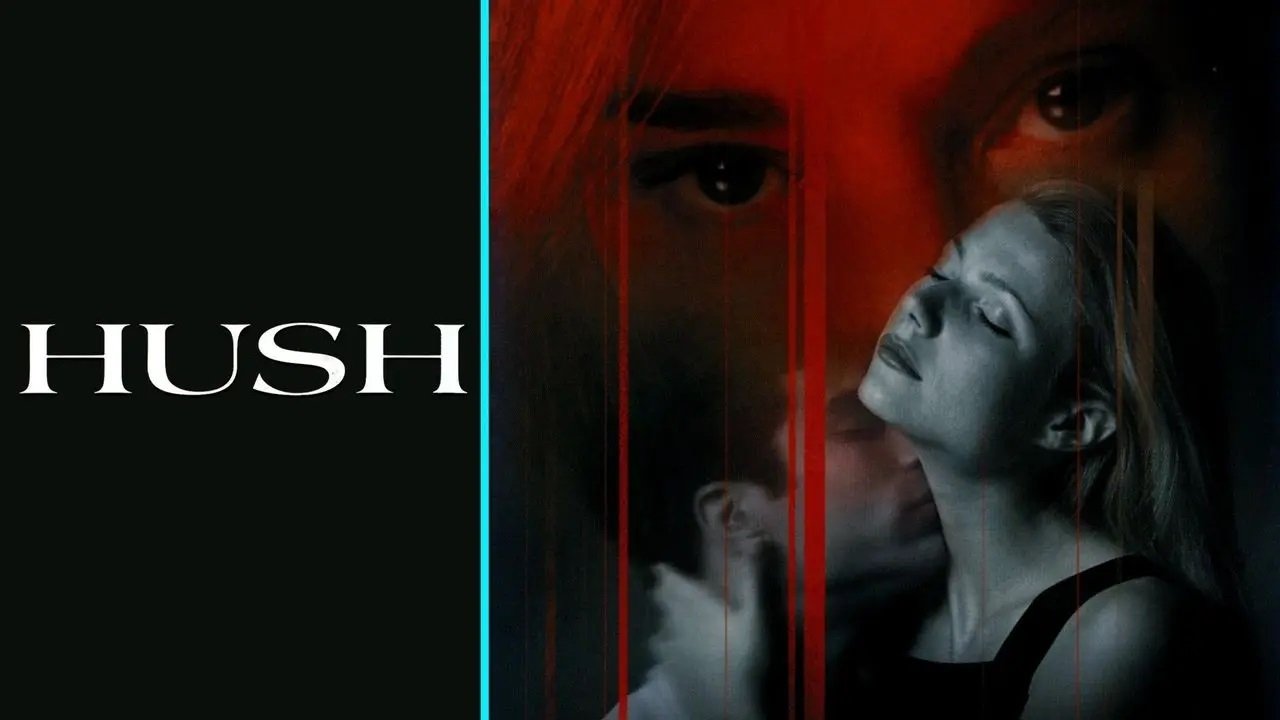
Rating: 6/10
The score rests heavily on Jessica Lange's chillingly effective performance, which single-handedly elevates the film above standard thriller fare. The atmospheric direction and setting contribute positively, but the predictable plot and occasionally sluggish pacing prevent it from reaching greater heights. It’s a solid rental night choice for fans of 90s thrillers and Lange completists, offering a specific flavour of Southern Gothic discomfort.
It leaves you wondering not so much about the plot twists, but about the quiet terror of familial obligation turned toxic – a theme that still resonates long after the VCR has clicked off.