Tall Tale: The Unbelievable Adventure
Picture this: the mid-90s, a time when Disney wasn't just dominating animation but also taking swings with ambitious live-action family fare. Amongst the talking animals and sports triumphs, a different kind of magic flickered onto VHS shelves – a whirlwind blend of American folklore, a dusty adventure served up with wide-eyed wonder. I'm talking about Tall Tale: The Unbelievable Adventure (1995), a film that tried to lasso Pecos Bill, Paul Bunyan, and John Henry into a single story, seen through the eyes of a disillusioned farm boy. Renting this felt like unearthing a forgotten legend itself, a promise of something epic spilling out of the family VCR.
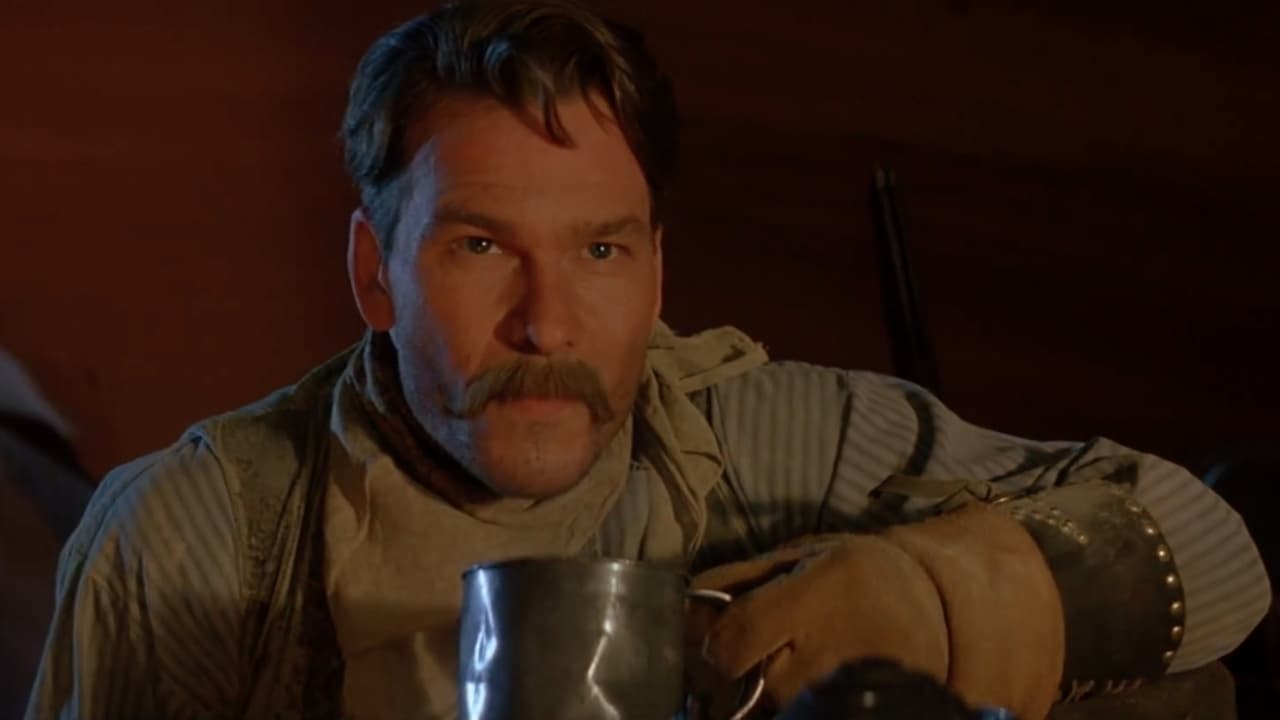
It wasn't just another kids' movie; there was a weight to it, a connection to stories that felt ancient even then. The premise hinges on young Daniel Hackett (Nick Stahl, who would later gain notice in films like In the Bedroom and Terminator 3) whose father's farm is under threat from a ruthless railroad developer (the perfectly villainous Scott Glenn). Feeling powerless, Daniel is knocked unconscious and awakens in a fantastical Old West populated by the very heroes his father told him stories about. It’s a classic "kid enters a fantasy world" setup, but infused with the specific grit and grandeur of American tall tales.
Legends Larger Than Life
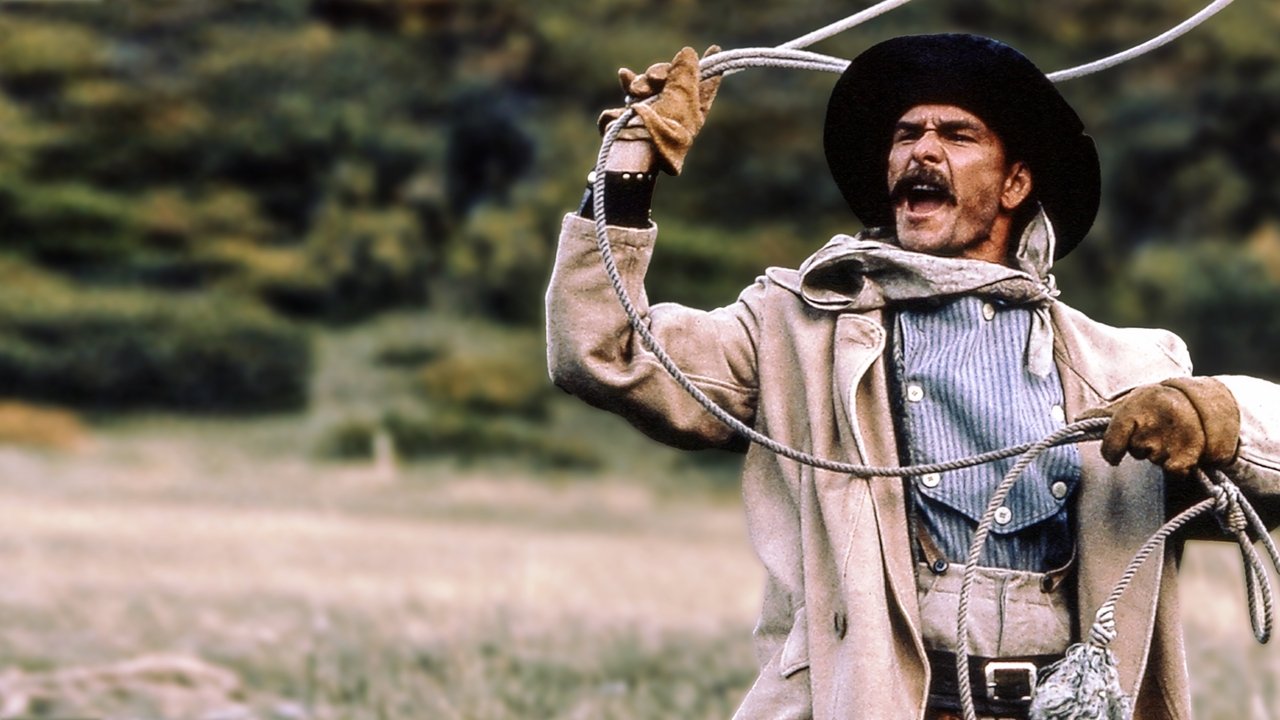
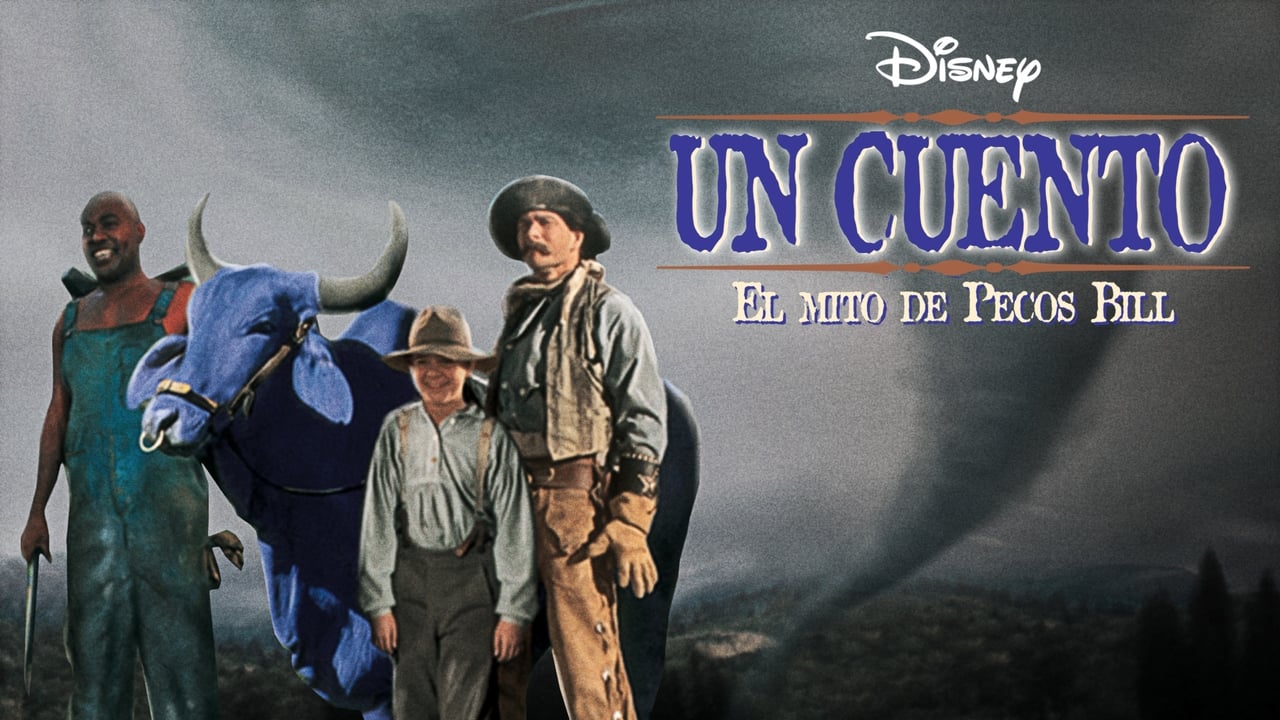
What truly made Tall Tale stand out was seeing these iconic figures brought to life with such gusto. You had the magnetic Patrick Swayze, hot off successes like Ghost (1990) and Point Break (1991), absolutely radiating charm and swagger as the whip-smart cowboy Pecos Bill. He rides a cyclone, shoots bullets out of the air, and embodies that effortless cool Swayze was known for. Then there’s the ever-reliable Oliver Platt as the gentle giant Paul Bunyan, bringing warmth and humor to the colossal lumberjack, often accompanied by his faithful (if somewhat undersized for the legend) blue ox, Babe. Rounding out the heroic trio is Roger Aaron Brown as John Henry, the steel-driving man, portrayed with stoic dignity and immense strength. Seeing them interact, bickering and bantering like a legendary super-team, was a pure delight.
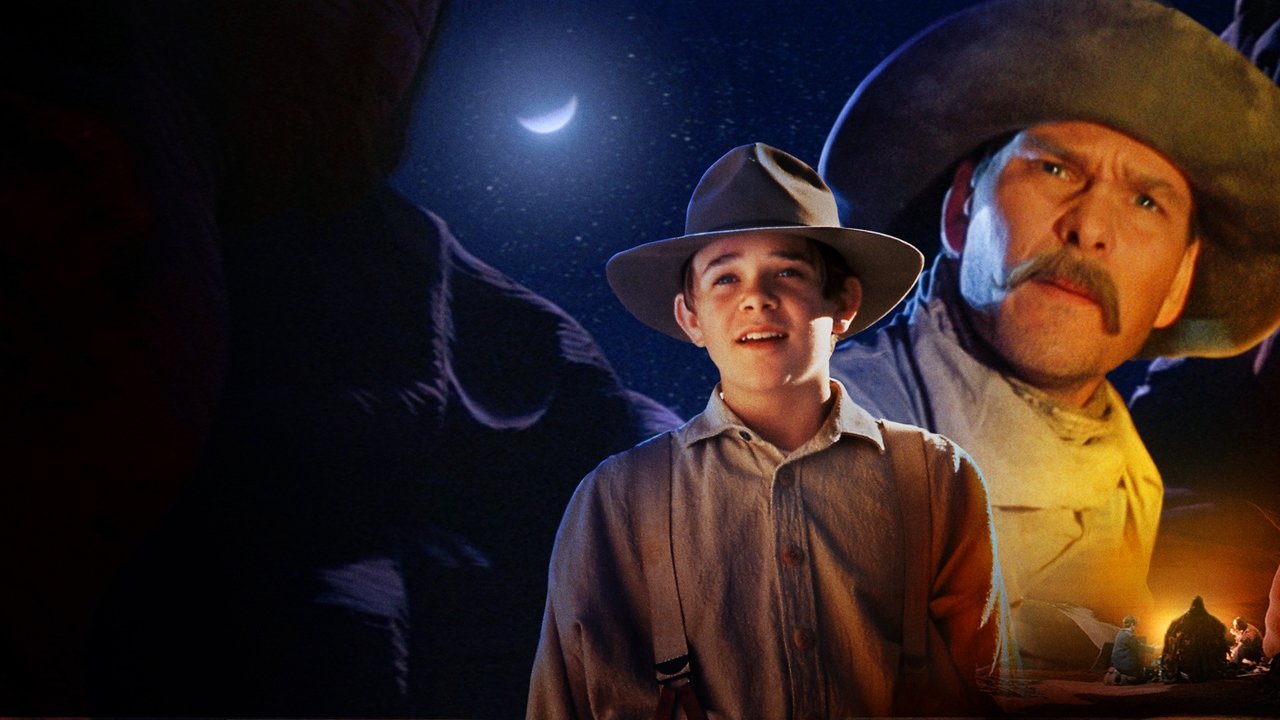
Director Jeremiah S. Chechik, perhaps best known for helming the holiday classic National Lampoon's Christmas Vacation (1989), tackled a very different kind of spectacle here. Written by Steven L. Bloom and Robert Rodat (who, in a fascinating career turn, would later script the intense WWII drama Saving Private Ryan), the film aimed for a blend of adventure, fantasy, and even some surprisingly earnest themes about community, environmentalism (the railroad barons are explicitly landscape-scarring villains), and holding onto hope.
Dust Devils and Movie Magic
For its time, Tall Tale boasted some impressive visuals. While maybe not seamless by today's standards, the blend of practical effects, forced perspective, and early digital compositing used to create Paul Bunyan’s scale or Pecos Bill riding that tornado felt genuinely magical back on a CRT screen. There’s a certain handcrafted charm to it all. Remember that scene where Pecos Bill lassos a train? Pure, unadulterated wish-fulfillment for any kid watching. The production design captured a storybook version of the West, dusty and vast, filmed partly in scenic Colorado locations and the iconic Vasquez Rocks in California (a landscape familiar to any fan of classic Star Trek or Westerns).
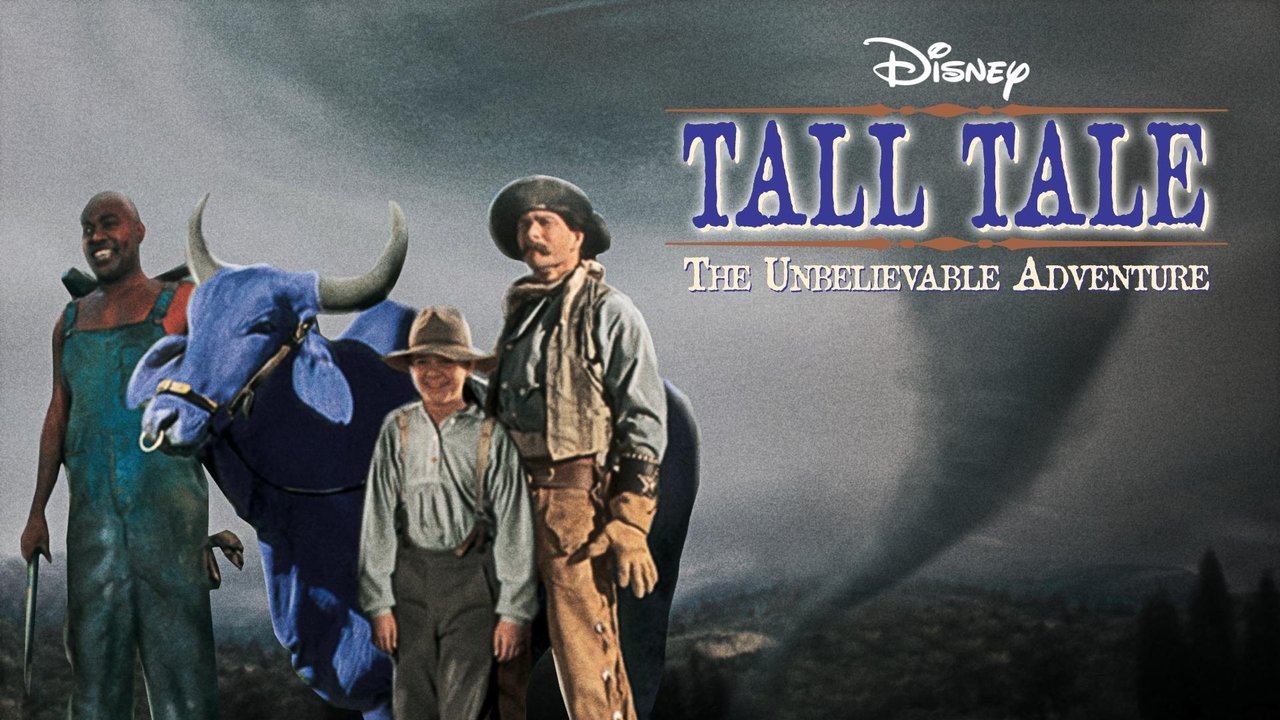
Of course, bringing such disparate legends together requires some narrative juggling. The plot, while heartfelt, can feel a bit episodic as Daniel journeys with each hero in turn. Yet, the film's earnestness is its strength. It believes wholeheartedly in the power of these stories, in the idea that courage and integrity can overcome greed. It carries a sincerity that feels distinctly mid-90s, a lack of cynicism that’s quite refreshing to revisit.
Retro Fun Facts Corner
- Despite its ambition and star power, Tall Tale didn't quite strike gold at the box office. Made for an estimated $32 million, it struggled to find a large audience, grossing only around $8.2 million domestically. This might explain why it feels like a slightly less-remembered gem from Disney's live-action catalogue of the era.
- The visual effects, particularly making Paul Bunyan appear gigantic next to regular-sized actors, involved a mix of techniques common in the pre-digital dominance era, including oversized props, bluescreen work, and careful camera angles – movie magic achieved through ingenuity!
- While generally a family-friendly adventure, the film doesn't shy away from slightly darker themes like loss and the threat of violence, giving it a touch more substance than some lighter kid-fare.
Why It Still Rides Tall
Tall Tale might not be a perfect film. Its pacing sometimes ambles, and the blend of folksy charm and action sequences isn't always seamless. But its heart is enormous. It's a celebration of American mythology, a visual treat fueled by charismatic performances and a genuine sense of adventure. Watching it again taps into that feeling of discovering larger-than-life heroes, the kind who could solve any problem with a swing of an axe, a crack of a whip, or the sheer force of their will. It captures a specific brand of earnest, effects-driven family fantasy that feels unique to its time.
Rating: 7/10
This score reflects the film's undeniable charm, the fantastic portrayals of the folk heroes (Swayze is a particular highlight), and its visual ambition for the era. It loses a few points for a somewhat predictable plot and occasional unevenness in tone, but its nostalgic appeal and heartfelt message shine through. Tall Tale remains a thoroughly enjoyable slice of 90s fantasy adventure, a loving tribute to the legends that shaped American folklore.
It’s a reminder that sometimes, the best adventures are the ones spun from the tallest tales, echoing across the plains and right onto our television screens. A true piece of VHS Heaven history.