Ah, the mid-90s. A time when family comedies often felt like they were assembled from a kit: take one established comedy star, add a beloved TV mom, throw in the hottest teen heartthrob of the moment, mix with a slightly contrived plot, and hope for magic. Sometimes it worked, sometimes... well, sometimes you got Man of the House. But let's be honest, even the ones that didn't quite hit cinematic gold often found a comfortable spot on our VCR shelf, didn't they? This 1995 offering, pairing the legendary Chevy Chase with the iconic Farrah Fawcett and teen idol Jonathan Taylor Thomas, is precisely that kind of pleasant, if slightly bumpy, ride down memory lane.
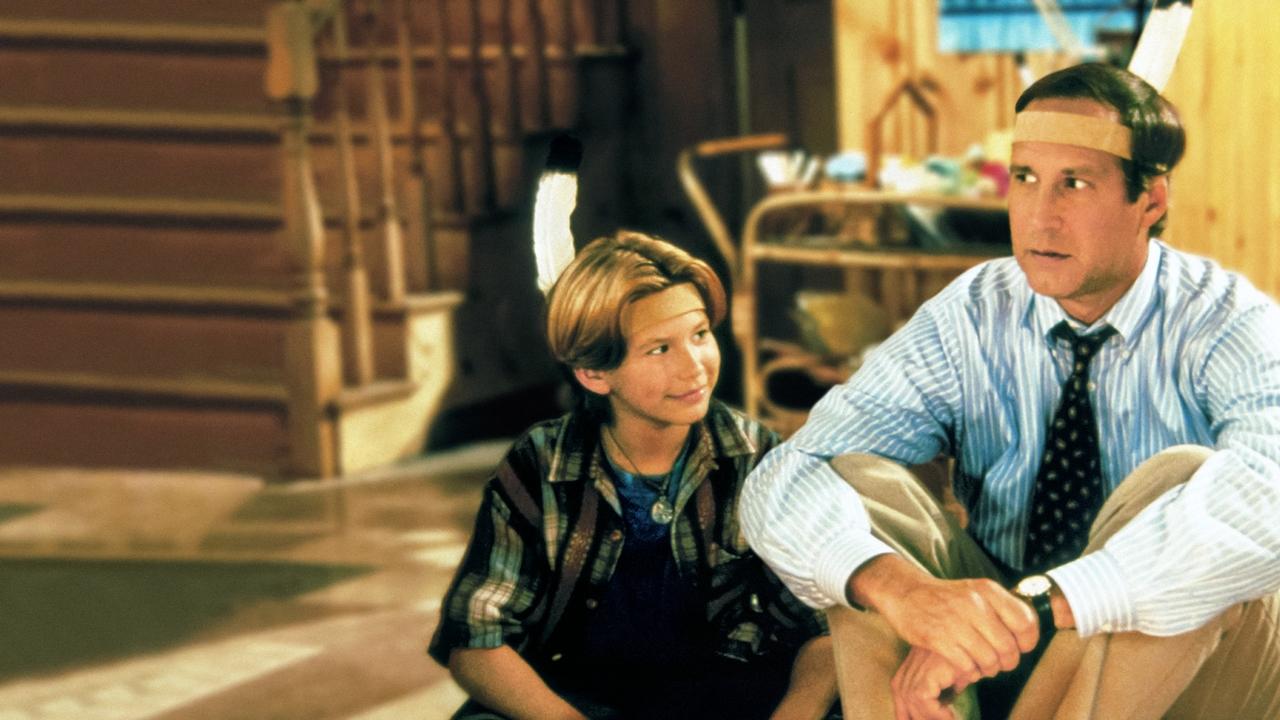
An Offer He Can't Refuse (But Tries To)
The setup is classic sitcom territory, expanded for the big screen. Young Ben Archer (Jonathan Taylor Thomas, peak JTT mania fresh off Home Improvement and The Lion King) lives a happy life with his single mother, Sandy (Farrah Fawcett, radiating warmth even in a fairly standard role). Enter Jack Sturges (Chevy Chase), a well-meaning federal prosecutor who falls for Sandy. Ben, fiercely protective and perhaps a little possessive, sees Jack not as a potential father figure, but as an unwanted intruder. His mission? Operation: Get Rid of Jack.
What follows is a series of escalating schemes masterminded by Ben, designed to expose Jack as unworthy, incompetent, or just plain annoying. It’s here that the film leans into its core conflict, playing Ben’s calculated sabotage against Jack’s increasingly desperate attempts to win him over. Some of these pranks land with a chuckle, others feel a touch mean-spirited even by 90s standards, but JTT sells Ben's motivations with that earnest intensity that made him such a star. You can practically feel the collective sigh of millions of teenagers watching him navigate this domestic battlefield.
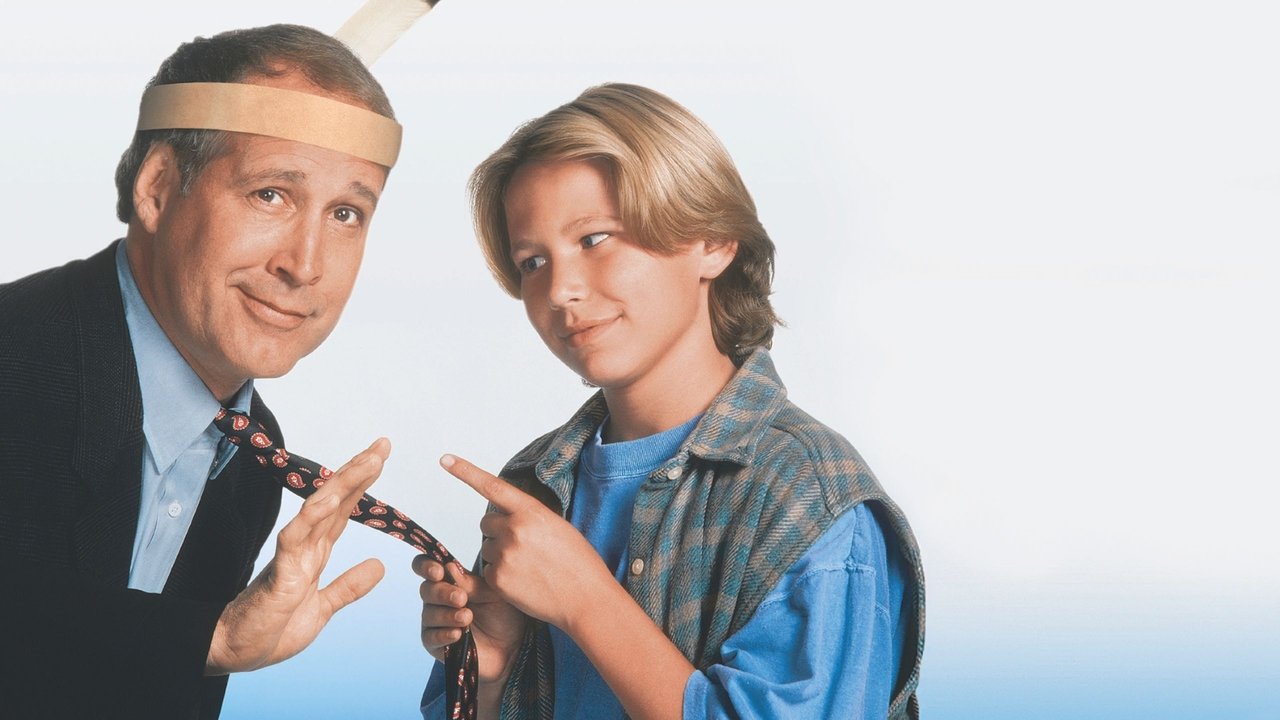
Chase in Dad Mode
For Chevy Chase, this role felt like a deliberate shift. Gone was the smug, sarcastic edge of Clark Griswold or Fletch. Jack Sturges is altogether... nicer. He’s patient, genuinely trying, and often the bewildered target of Ben's animosity. While Chase’s trademark physical comedy still gets moments to shine (often involving unfortunate encounters with furniture or nature), it’s a more restrained performance than his 80s heyday. Directed by James Orr (who also gave us the charming fantasy Mr. Destiny (1990)), the film aims for heartwarming over hilarious, placing Chase in a position where reacting, rather than initiating the chaos, is key. It’s perhaps not what die-hard Caddyshack fans were clamoring for, but it showed a willingness to adapt, even if the results were mixed.
Into the Woods We Go
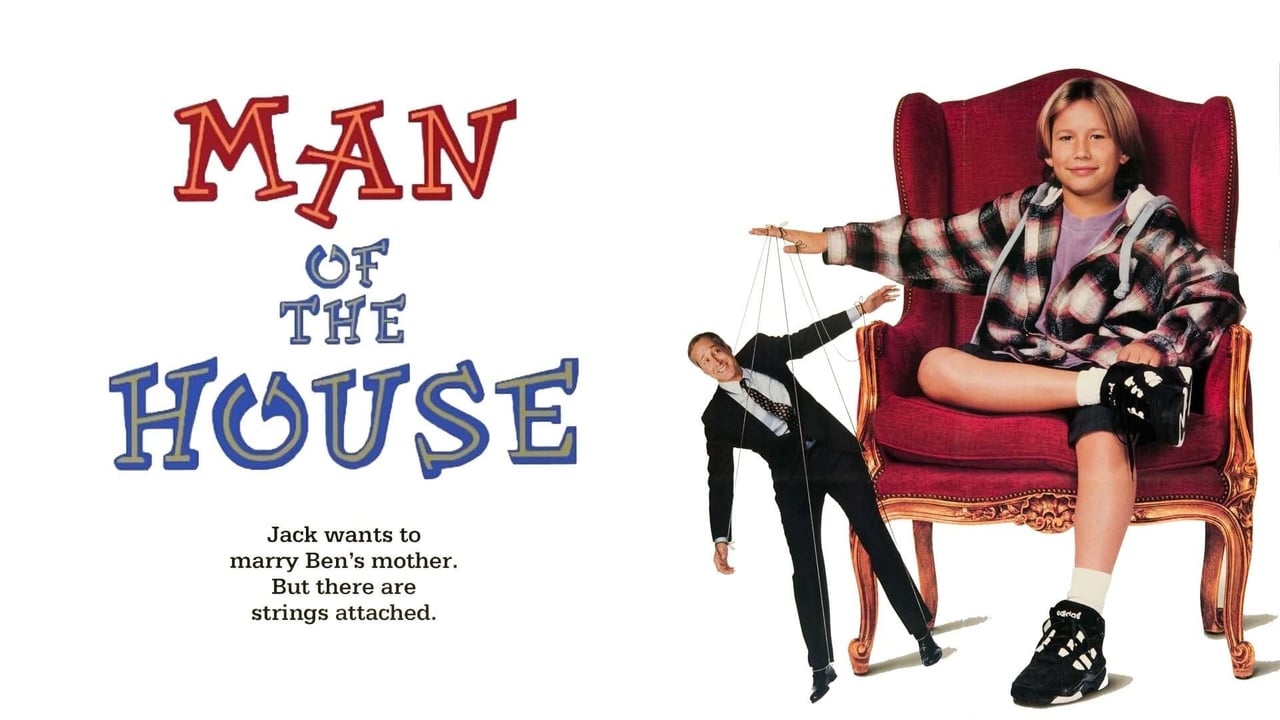
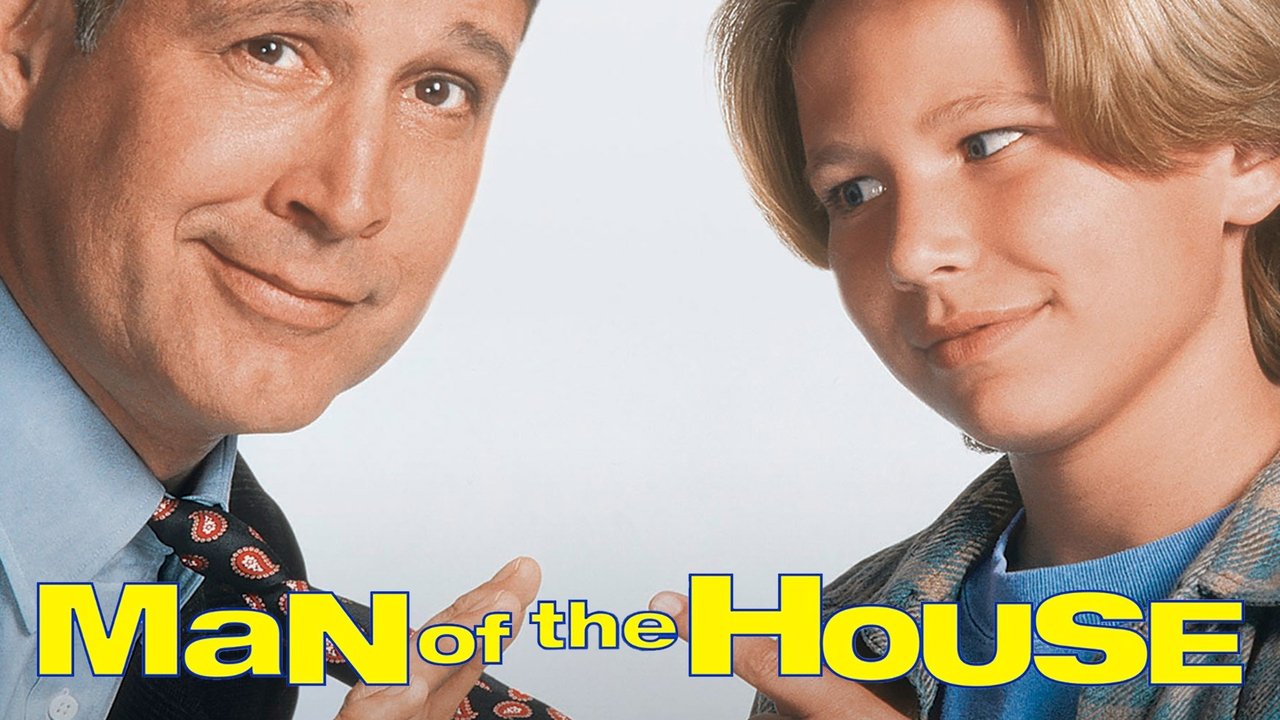
The film really finds its footing, or at least its central gimmick, when Jack reluctantly joins Ben’s "Indian Guides" troop (a real YMCA program, though renamed Y-Guides later) on a camping trip, hoping to bond. This wilderness excursion forms the movie’s main set piece, offering opportunities for slapstick, obligatory life lessons, and encounters with wildlife both real and imagined. Seeing Chase, the ultimate suburban dad, grapple with leaky tents, archery mishaps, and the general discomfort of the great outdoors provides some reliable laughs. Look closely and you'll spot George Wendt (Cheers) as the troop leader, adding another familiar face to the mix.
These scenes, largely filmed in the lush forests around Vancouver, British Columbia (doing a convincing job standing in for the film's Seattle setting), capture that specific brand of organized outdoor awkwardness many of us might remember from similar youth group adventures. It’s here the film leans heaviest into its "bonding through adversity" theme.
Retro Fun Facts & Mid-90s Vibes
Man of the House wasn't exactly a critical darling upon release (hovering around a 14% critic score on Rotten Tomatoes even today, with IMDb users landing it near a 5.4/10), but it performed reasonably well at the box office, pulling in around $40 million against a reported $22 million budget. It certainly benefited from JTT's star power at the time. Interestingly, one of the film's four credited writers is David Peckinpah, nephew of the famously intense director Sam Peckinpah – quite a different cinematic lineage! It was also apparently filmed under the working title "Pals Forever," which feels perhaps a little too on-the-nose. While the script, credited to Orr, Jim Cruickshank, Peckinpah, and Richard Jefferies, hits fairly predictable beats, it delivers the expected emotional payoff by the end.
A Cozy Corner in VHS Memory
Let’s be clear: Man of the House isn't a forgotten masterpiece. Its plot is foreseeable, some jokes feel dated, and the premise stretches credibility thin at times. Yet, watching it again evokes a certain undeniable mid-90s comfort. It’s the kind of movie you’d happily rent on a Friday night, maybe alongside a pizza and some homework you were definitely planning to do later. The chemistry between the leads is pleasant, JTT delivers exactly what his massive fanbase wanted, and Chase gamely plays the slightly befuddled straight man to a precocious kid's schemes.
It doesn't aim for high art; it aims for gentle laughs and a warm feeling, and on that level, it mostly succeeds. It captures a moment in time – the peak of JTT-mania, a softer side of Chevy Chase, and the reliable formula of the 90s family comedy. It’s a perfectly amiable way to spend 90 minutes, particularly if you have fond memories of seeing it plastered on the "New Releases" wall at your local video store.

VHS Heaven Rating: 6/10
The rating reflects a film that's undeniably flawed and predictable, but carries significant nostalgic weight and features likable performances from its key stars. It achieves its modest goals as a family-friendly comedy of its era, offering enough gentle humor and heartwarming moments to earn a fond, if not fervent, recommendation for those seeking a cozy trip back to the 90s.
It might not be the head of the household in the hall of fame, but Man of the House still offers a pleasant, lightly amusing visit, like catching up with an old, slightly goofy family friend.