Alright fellow tapeheads, slide that worn copy of Ernest Goes to Jail into the VCR, adjust the tracking just so, and prepare for a jolt of pure, unadulterated 1990s absurdity. Forget your gritty prison dramas; this is Ernest P. Worrell facing hard time, and it’s exactly as ridiculous, inventive, and strangely endearing as that sounds. KnowWhutIMean?
### More Than Just a Goofball
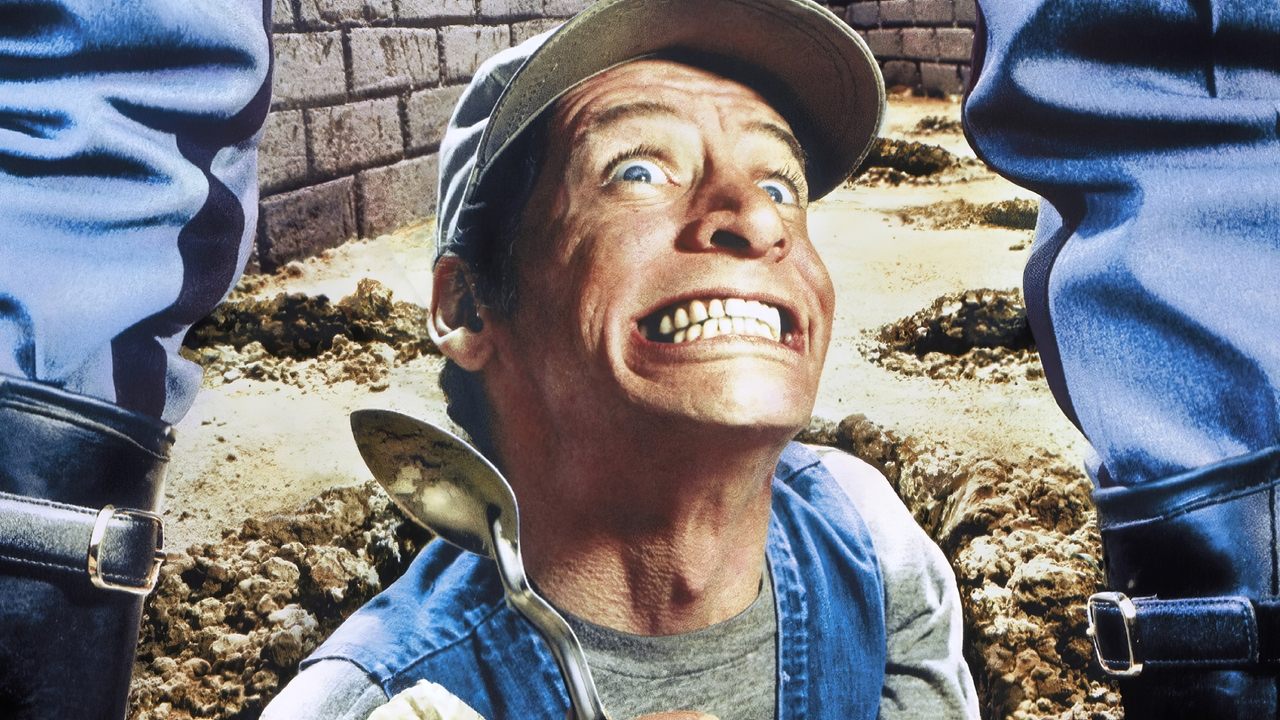
Let’s be honest, the Ernest character, born from countless regional TV commercials, could have easily worn out his welcome by his fourth feature film. Yet, Ernest Goes to Jail manages to feel surprisingly fresh, largely thanks to the often-underestimated talent of the late, great Jim Varney. This time, the premise hinges on a classic cinematic trope: the doppelgänger. Our beloved, denim-clad disaster magnet Ernest, while serving jury duty (a terrifying prospect in itself), ends up swapping places with ruthless death row inmate Felix Nash... who looks exactly like him.
This setup gives Varney a playground few actors ever get. We see him flip between the familiar, rubber-faced, well-meaning buffoonery of Ernest and the cold, calculating menace of Nash. It’s genuinely impressive watching Varney dial down the gags and project legitimate threat as Nash, often in the same scene where he’s delivering classic Ernest malapropisms. It’s a reminder that beneath the catchphrases was a truly gifted physical comedian and character actor. Longtime Ernest collaborator John R. Cherry III, who directed most of Ernest's cinematic adventures, clearly understood Varney’s range and lets him run wild here.
### Jailhouse Shock and Practical Sparks
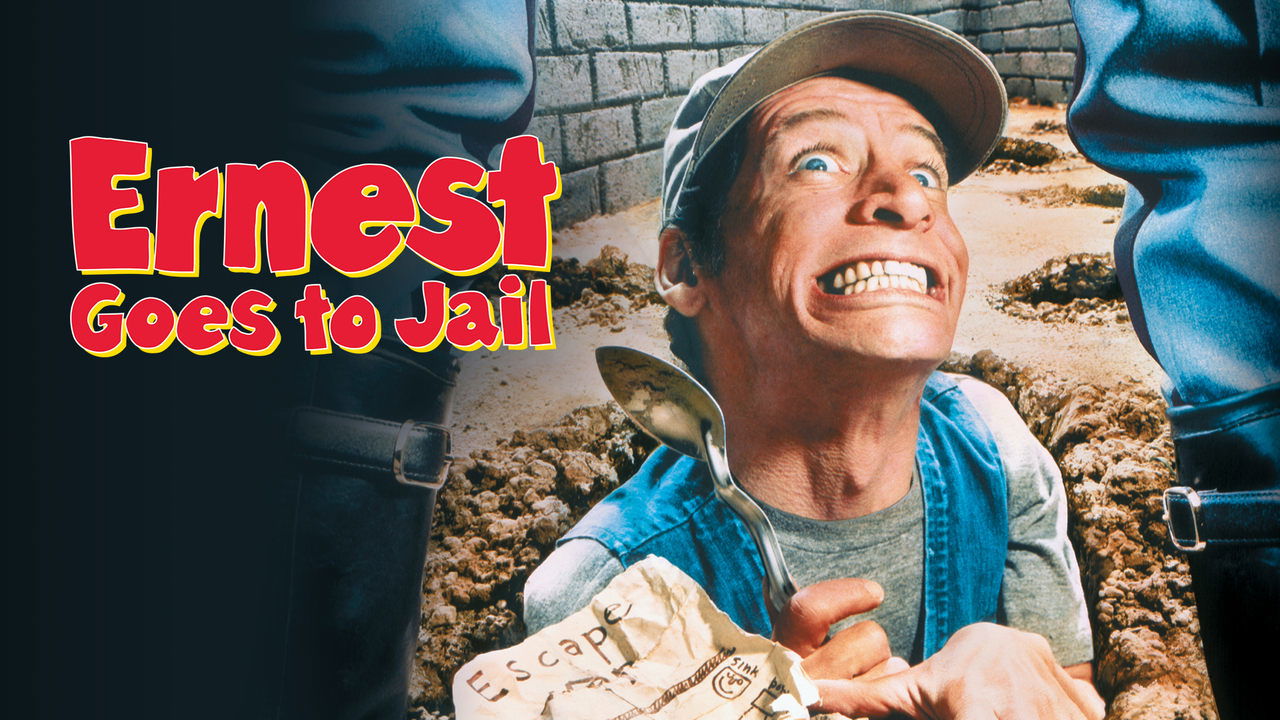
The plot, involving Nash’s plan to rob the bank where Ernest works as a night janitor, is mostly a framework for a series of increasingly elaborate slapstick sequences. And this is where Ernest Goes to Jail truly embraces its VHS-era charm: the practical effects. Remember that scene where Ernest accidentally gets electrocuted during a botched escape attempt and gains magnetic powers? Forget slick CGI – this was the era of tangible chaos! Sparks fly (real ones!), objects whip across the room on barely-hidden wires, and Varney sells the physical comedy with incredible commitment. There’s a raw, almost dangerous energy to these gags that feels worlds away from today’s polished digital wizardry.
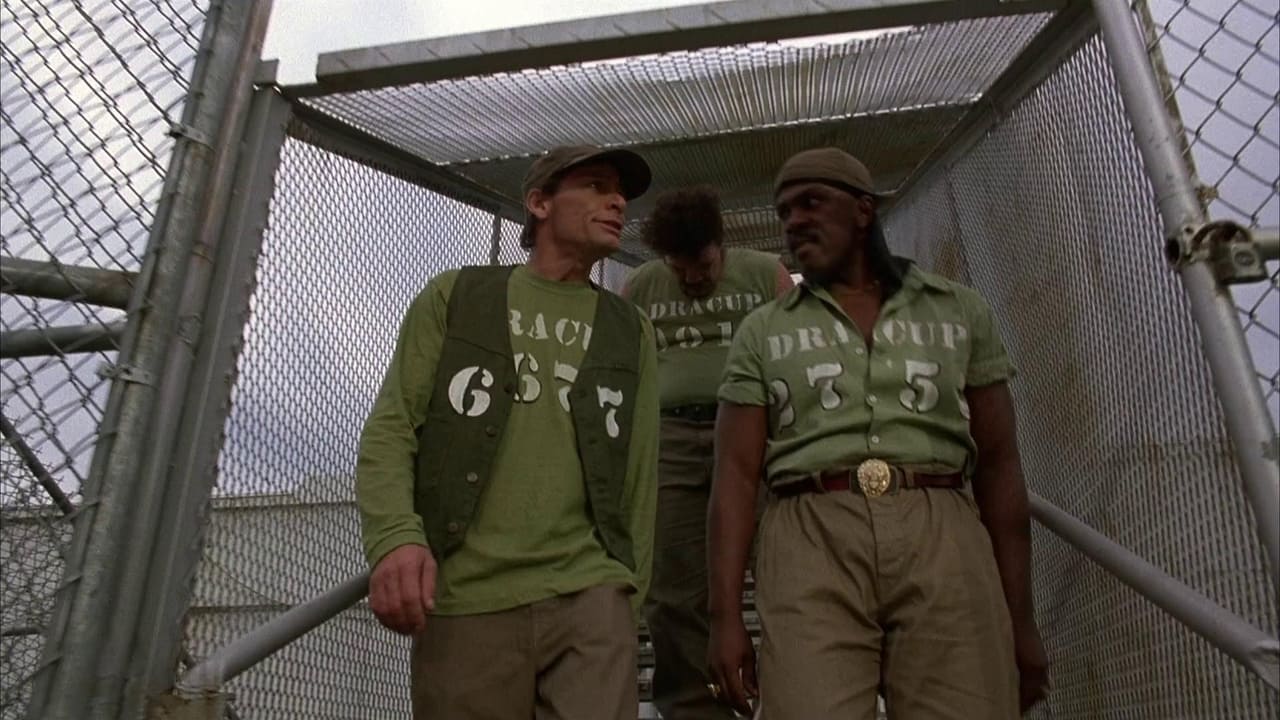
It’s reported the film operated on a budget around $9 million – not shoestring, but certainly modest for a studio picture aiming for big laughs and effects. This likely forced the crew into creative, hands-on solutions. You can almost feel the crew rigging props just off-screen, timing the sparks, and relying on Varney’s willingness to throw himself into the fray. It lends the film a certain tactile quality, like you could almost reach through the fuzzy CRT screen and touch the mayhem. The sequences filmed at the imposing, and very real, Tennessee State Penitentiary in Nashville add an unexpected layer of gritty atmosphere that contrasts hilariously with Ernest's antics.

### Familiar Faces and Felonious Fun
Of course, Ernest wouldn’t be Ernest without his loyal (if not always helpful) buddies, Chuck and Bobby, played with reliable comedic timing by Gailard Sartain and Bill Byge. Sartain, who impressively balanced his Ernest appearances with dramatic roles in films like Mississippi Burning (1988) and Fried Green Tomatoes (1991), brings his usual exasperated warmth as Chuck, the eternally patient straight man to Ernest’s chaos. Their dynamic provides familiar anchor points amidst the escalating insanity of prison life and mistaken identity.
The film knows exactly what it is: a vehicle for Varney’s unique brand of comedy, packed with sight gags, goofy inventions (who could forget Ernest weaponizing cleaning supplies?), and that signature Ernest earnestness. Sure, some of the humor feels distinctly of its time, and the plot logic occasionally stretches thinner than prison gruel, but it’s all delivered with such relentless energy and good nature that it’s hard not to get swept up in the fun. Was it a critical darling back in 1990? Absolutely not. Critics mostly scoffed, as they often did at Ernest. But it found its audience, pulling in a respectable $25 million at the box office and cementing itself as a fan favorite within the Ernest canon, a reliable weekend rental for families across the country.
### The Verdict

Ernest Goes to Jail is a prime example of late-era Ernest, showcasing Jim Varney at the height of his physical comedy powers and even letting him flex some dramatic muscle as the villainous Nash. The plot is pure silliness, but it’s executed with inventive practical effects and an infectious energy that perfectly captures the feel of early 90s family comedies. It’s goofy, it’s dated in spots, but it’s undeniably fun and possesses a handmade charm often missing today.
Rating: 7/10 - The rating reflects Varney's terrific dual performance, the genuinely amusing practical gags (especially the magnetic sequence), and the pure, unadulterated nostalgia factor. It loses points for some predictable plot beats and humor that hasn't all aged gracefully, but the core entertainment value holds up surprisingly well.
Final Thought: For a dose of wacky, high-voltage 90s comedy where the sparks felt real and the star committed 110% to the gag, you could do a lot worse than breaking Ernest Goes to Jail out of home video solitary confinement. Eeeeewwwww!