It arrived like a vibrant tide washing over the late 80s cinematic landscape, a dazzling burst of color, music, and pure fairytale magic that felt both timeless and utterly new. There was a buzz around The Little Mermaid (1989) that was different, a sense that Disney animation, after a period of relative quiet, had found its voice again – and what a voice it was. For many of us glued to our CRT screens, perhaps clutching a worn rental VHS copy, this wasn't just another cartoon; it was the beginning of a new golden age, a film that redefined what an animated musical could be.
A World We Longed to Be Part Of
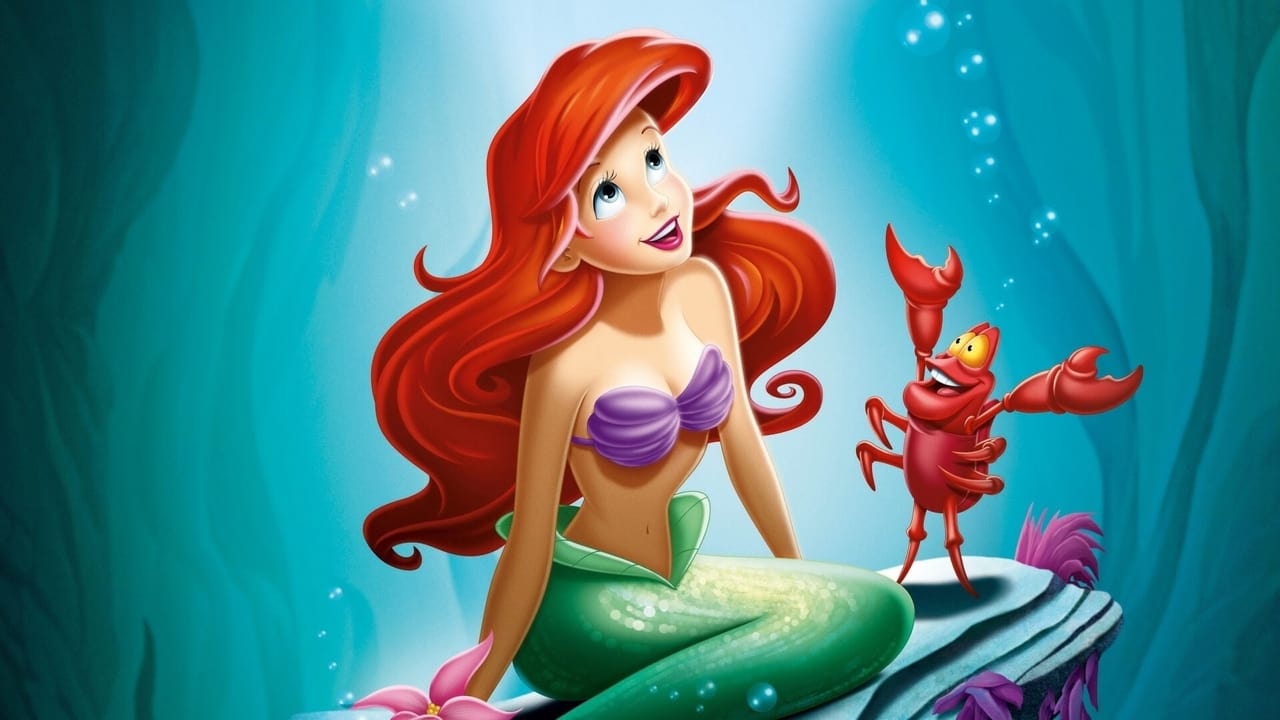
Directed with infectious energy by Ron Clements and John Musker, who would later gift us Aladdin (1992) and Hercules (1997), The Little Mermaid retold Hans Christian Andersen's bittersweet tale with a distinctly modern (well, modern for 1989!) sensibility. At its heart is Ariel (Jodi Benson), a mermaid princess brimming with curiosity and a rebellious spirit, captivated by the forbidden human world above. Benson's voice performance is legendary; she perfectly captures Ariel's yearning, wide-eyed wonder, and youthful determination. That moment when she belts out "Part of Your World," surrounded by her trove of human treasures ("thingamabobs," anyone?), wasn't just a song – it felt like an anthem for anyone who ever felt like they didn't quite belong, dreaming of somewhere else. It’s a testament to the power of that song, and Benson’s delivery, that producer Jeffrey Katzenberg initially wanted to cut it, fearing it slowed the film down! Thankfully, wiser heads (including lyricist Howard Ashman) prevailed.
The story itself – Ariel trading her voice to the sea witch Ursula for human legs and a chance at love with Prince Eric (Christopher Daniel Barnes) – is classic fairytale stuff, but the execution felt fresh. The pacing is brisk, propelled by unforgettable characters and, of course, that music. The underwater kingdom pulsates with life, a stark contrast to the slightly more conventional, albeit charming, human world above.
Music That Made Waves
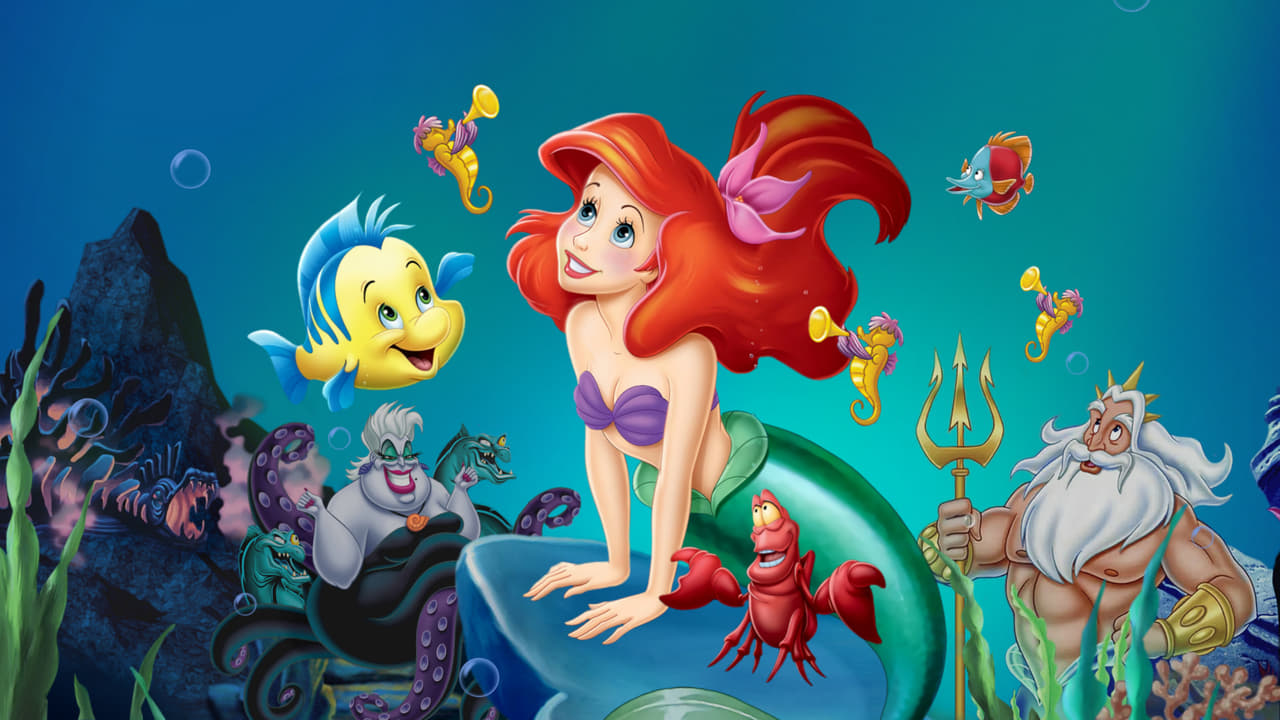
Let's be honest: you can't talk about The Little Mermaid without humming the tunes. The collaboration between composer Alan Menken and the brilliant lyricist Howard Ashman (who tragically passed away just a couple of years later) resulted in one of the most iconic soundtracks in cinema history. From the infectious, Oscar-winning calypso beat of "Under the Sea" (performed with gusto by Samuel E. Wright as Sebastian the crab) to the sweetly romantic "Kiss the Girl" and Ursula's deliciously theatrical "Poor Unfortunate Souls," the songs weren't just musical numbers; they were integral narrative devices, revealing character and driving the plot forward in a way that felt revolutionary for Disney at the time. This Broadway-style approach became the blueprint for the Disney Renaissance that followed. It snagged Oscars for Best Original Score and Best Original Song ("Under the Sea"), cementing its musical legacy.
A Villain for the Ages
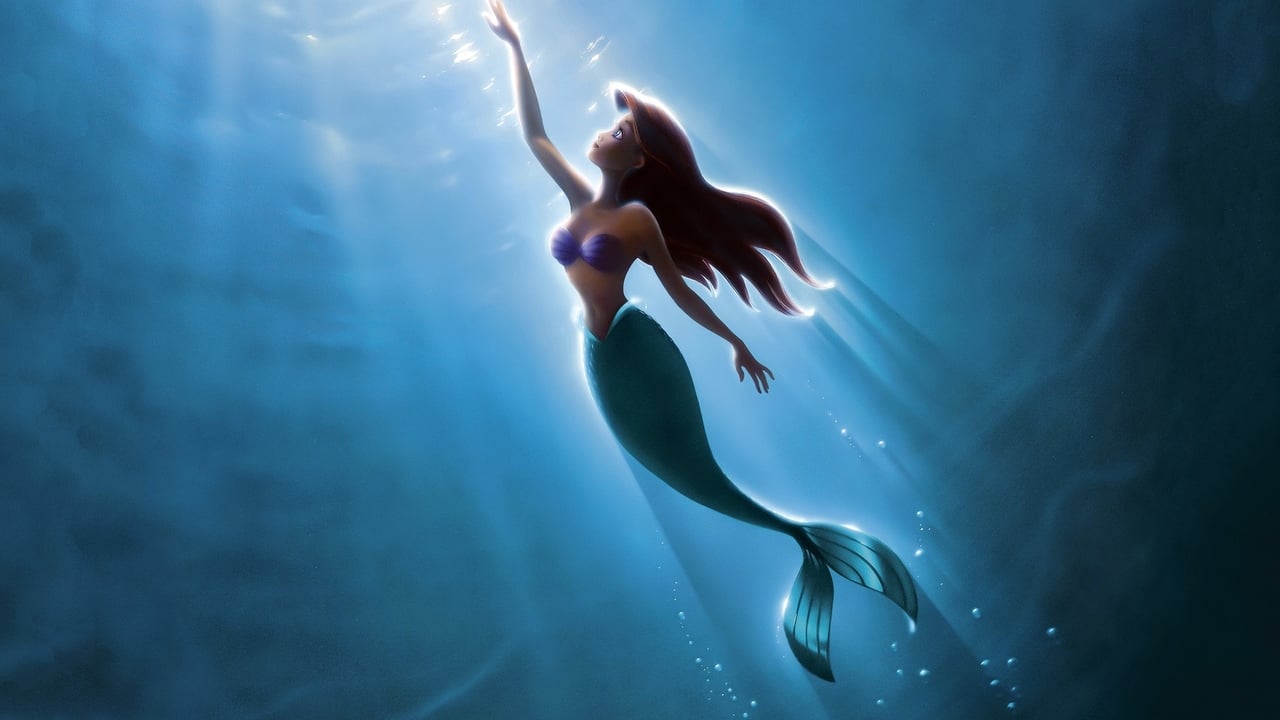
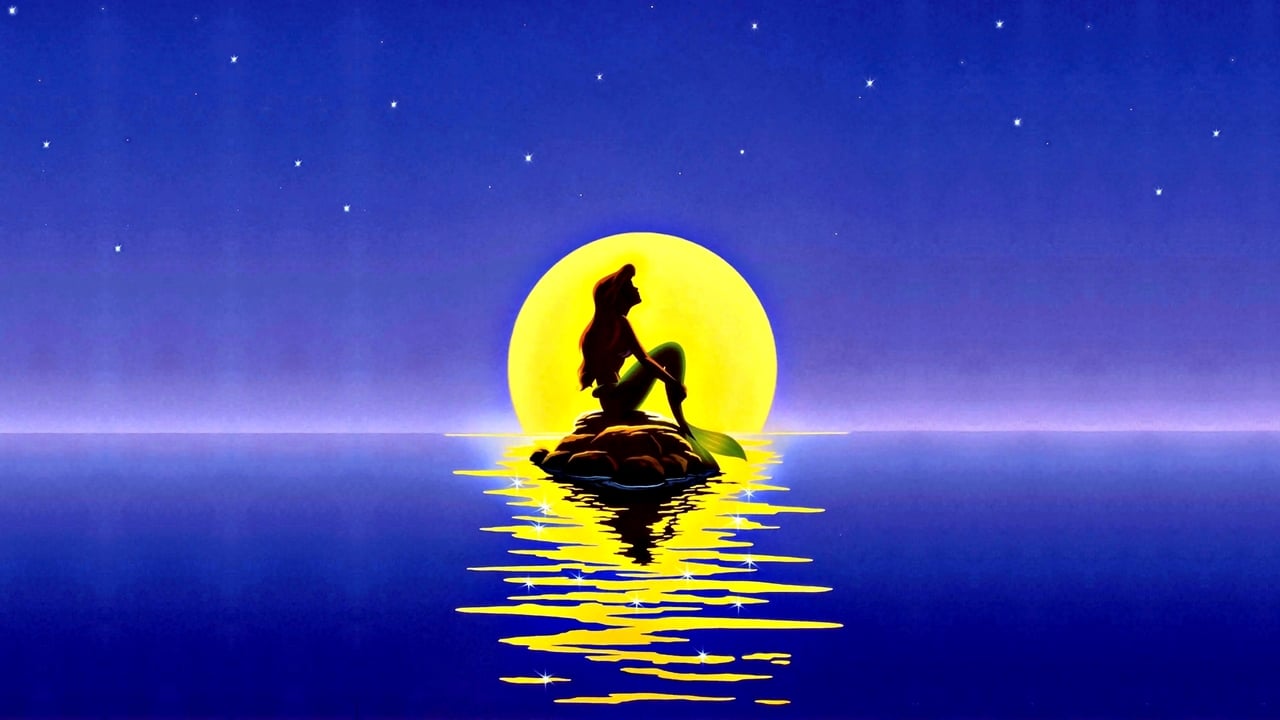
Every great fairytale needs a truly memorable villain, and Pat Carroll delivered an absolute masterclass as Ursula, the sea witch. Part diva, part con artist, with tentacles that writhed with malevolent energy, Ursula was genuinely intimidating yet impossibly charismatic. Inspired in part by the drag queen Divine, Carroll’s deep, commanding voice dripped with sarcastic confidence and theatrical flair. "Poor Unfortunate Souls" isn't just a song; it's a performance, a seduction, a masterclass in manipulation that still sends shivers down the spine. Finding the right voice was crucial; reports suggest Bea Arthur and Elaine Stritch were considered before Carroll snagged the role and made it utterly her own.
The Dawn of a Renaissance
Visually, The Little Mermaid was a feast. While later films would more extensively use the CAPS (Computer Animation Production System) pioneered by Disney and Pixar, Mermaid showcased a richness and fluidity in its traditional animation that felt like a significant leap forward. The way Ariel's hair flowed underwater, the expressive character animation, the sheer scale of the underwater world and the climactic storm sequence – it all signaled a renewed ambition and artistry at Disney Feature Animation. It wasn't just a hit; it was a phenomenon, grossing over $84 million domestically (around $210 million today) against a $40 million budget, proving that audiences were hungry for this kind of epic animated storytelling. It kicked open the door for Beauty and the Beast (1991), Aladdin (1992), and The Lion King (1994), launching what we now fondly call the Disney Renaissance.
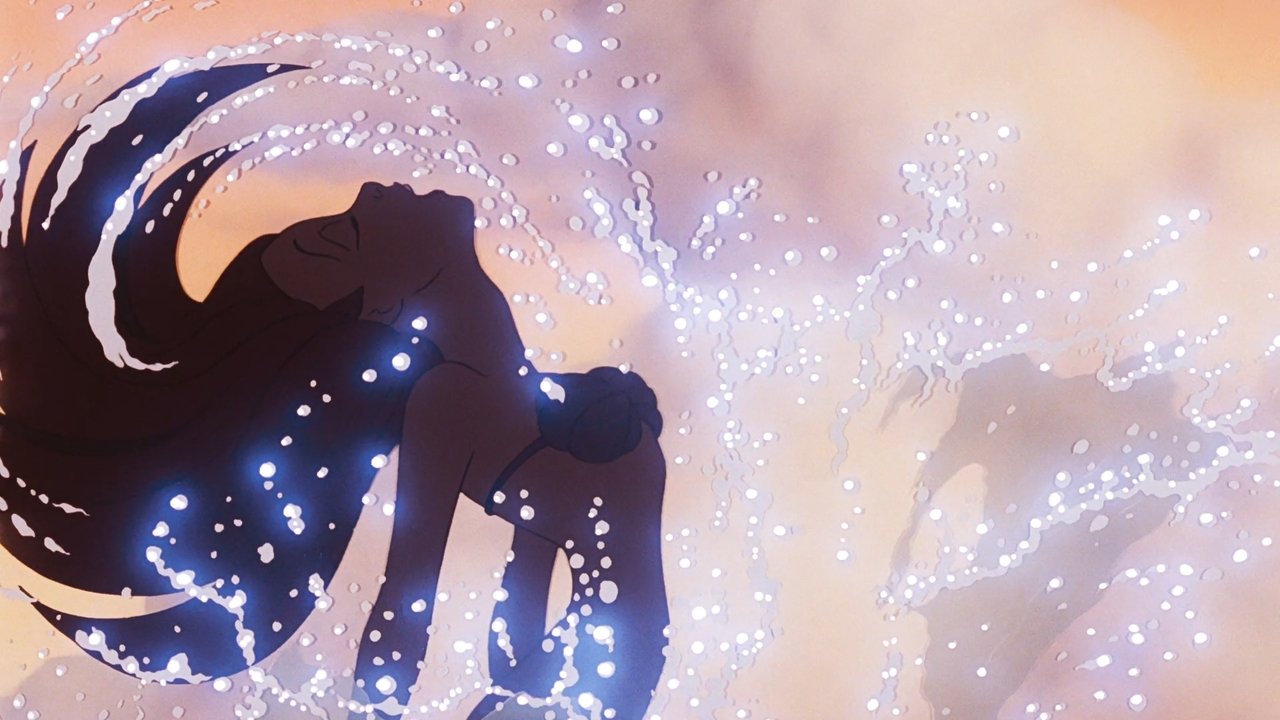
While some elements, like the fairly passive Prince Eric, might feel a little dated by modern standards, the film's core strengths – its vibrant heroine, unforgettable villain, groundbreaking music, and sheer visual splendor – remain undeniable. It captured the imaginations of a generation, reminding us of the power of dreams, the allure of the unknown, and the importance of finding your own voice (even if you have to temporarily trade it away!). It spawned direct-to-video sequels and a prequel series (familiar sights on video store shelves!), and its legacy continues with the recent live-action adaptation, proving the story's enduring appeal.
VHS Heaven Rating: 9/10
This rating reflects the film's monumental impact, its near-perfect blend of music, character, and animation, and its undeniable nostalgic power. While perhaps not flawless in every narrative detail compared to later Renaissance entries, its role as the catalyst and its sheer joyous energy are undeniable. The Little Mermaid wasn't just a movie; it was a pivotal moment, the vibrant splash that reawakened a sleeping giant and brought fairytale magic back to the big screen in spectacular fashion. It remains a treasure, a film that feels like diving back into a cherished, shimmering memory every single time.