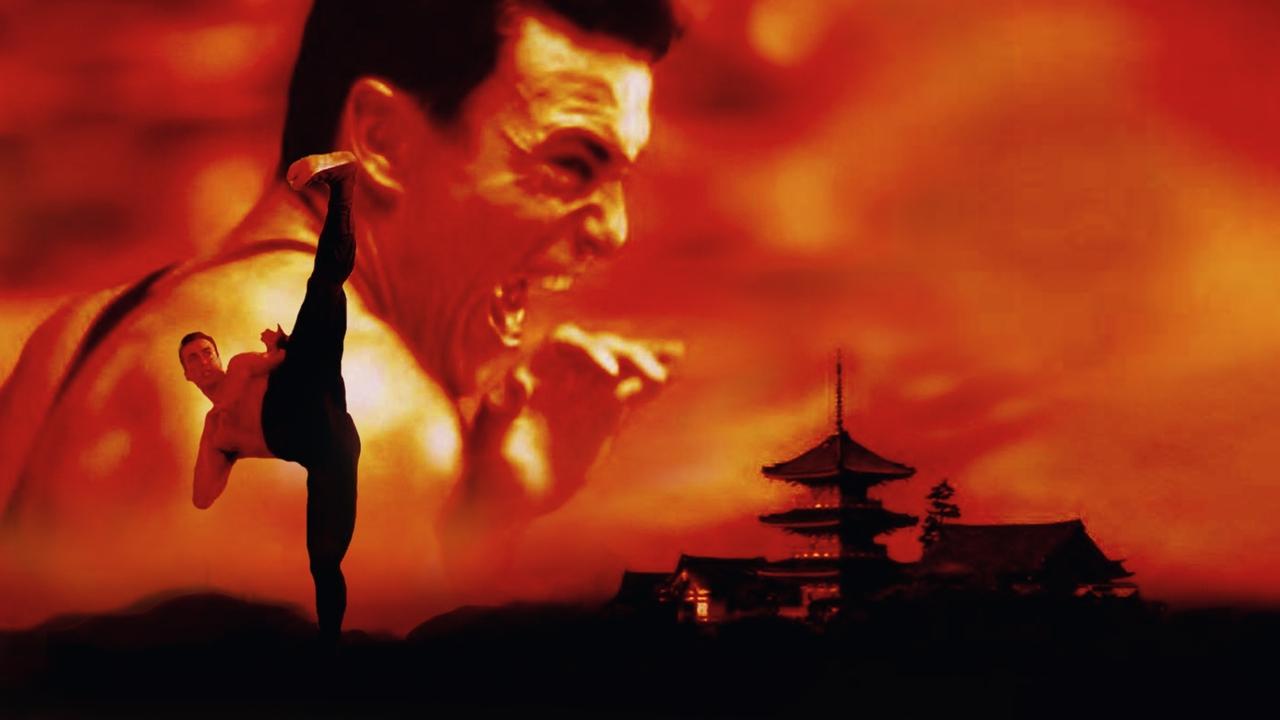
Alright, fellow tapeheads, settle in. Remember that feeling? Scanning the towering shelves of the Action section at Blockbuster, maybe grabbing that worn-out clamshell case with the slightly faded cover art? Sometimes you struck gold, sometimes… well, sometimes you got exactly what the box promised, for better or worse. And nestled somewhere between the big-budget blowouts and the truly bizarre low-budget wonders, you might have found Bloodsport III (1996), a testament to the enduring power – and diminishing returns – of a certain kind of 90s martial arts sequel.
### Another Trip to the Kumite? Sort Of...
Let's be honest, following up the iconic, era-defining original Bloodsport (1988) was always going to be tough. Jean-Claude Van Damme left some big, flexible shoes to fill. After Bloodsport II: The Next Kumite (1996) introduced us to Daniel Bernhardt as Alex Cardo, the third installment arrived hot on its heels, practically smelling of the same dubbing stage. Directed once again by Alan Mehrez, who clearly found a formula he liked (or, perhaps more accurately, a formula that was cost-effective), Bloodsport III doesn’t exactly reinvent the wheel. Or the roundhouse kick.
Bernhardt returns as Cardo, the skilled thief-turned-Kumite champion. This time, he’s trying to live a quiet life, but wouldn’t you know it, a ruthless crime boss named Duvalier (played with simmering menace by the great John Rhys-Davies, yes, Sallah from Indiana Jones!) wants Cardo to fight in his private tournament. When Cardo refuses, Duvalier targets his mentor/spiritual guide, Sun (James Hong, the legendary face from everything, including Big Trouble in Little China). So, guess what Alex Cardo has to do? Yep. More fighting.
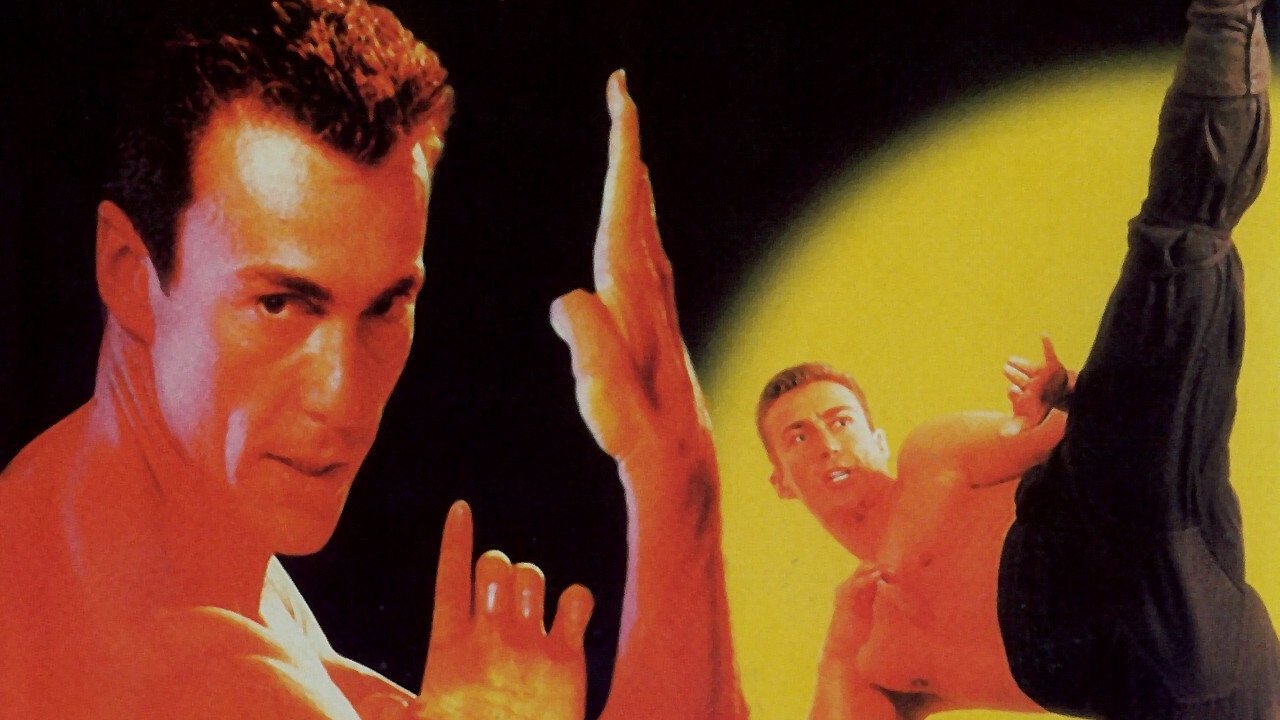
It's a plot structure familiar to anyone who rented more than three action movies in the 90s. Hero wants peace, villain forces hero's hand, hero must fight. Rinse, repeat, add training montage. But dismissing it purely for its formula misses the specific charm, the particular flavour of mid-90s direct-to-video action that Bloodsport III delivers.
### Bernhardt Steps Up (and Kicks High)
While Daniel Bernhardt isn't Van Damme, he brings his own legitimate martial arts prowess to the table. A former model who transitioned into action, Bernhardt clearly has the physical skills. The fight choreography here feels grounded, even if it lacks the cinematic flair of the original. It’s less about impossible splits and slow-motion agony, more about rapid-fire exchanges and practical stunt work. You feel the impacts, even if the editing is sometimes a bit choppy, a hallmark of the quick turnaround DTV world.
Remember how real those hits looked back then, before digital blood spray and wire removal became commonplace? Bloodsport III relies on the performers selling the pain, the thud of body blows captured raw on film. There's an earnestness to the action; stunt performers are visibly taking falls, kicks are landing with force (or cleverly angled near-misses), and there’s minimal CGI trickery muddying the waters. It might look less polished than today's hyper-stylized fights, but there's an undeniable physicality that resonates with that VHS viewing experience – slightly grainy picture, maybe some tracking lines, but the thwack of fist on flesh cutting through the mono speaker.
Interestingly, Bernhardt actually worked as a stunt double for Van Damme on occasion, which perhaps made him seem like a natural fit to take over the franchise mantle, at least in the producers' eyes. He certainly commits fully here.
### Character Actors Cashing Cheques? Maybe, But Still Fun.
The presence of John Rhys-Davies and James Hong adds a touch of unexpected class, or at least familiar comfort. Rhys-Davies brings his trademark gravitas and booming voice to the villain role, chewing scenery with enjoyable gusto. It’s always a treat seeing established actors pop up in these kinds of films – you imagine them having a bit of fun, maybe enjoying a nice location shoot (parts were filmed in India, adding some visual difference). Hong, as always, is a masterclass in presence, lending wisdom and warmth as the mentor figure, a role he’s perfected across countless films. Their involvement elevates the material slightly, giving Bernhardt solid scene partners to work against between the fight sequences.
The supporting cast of fighters features a predictable gallery of international stereotypes and fighting styles, much like the original. It’s part of the simple, almost naive charm of the Bloodsport formula – bring together diverse warriors, give them distinct looks, and let them clash. It’s straightforward, easy to follow, and delivers the core promise: tournament fighting.
### The Verdict on the Tape
Look, Bloodsport III isn't high art. It wasn’t trying to be. It was designed to fill a specific niche on the video store shelf, offering reliable martial arts action for fans hungry for more after the original captured their imagination. Released directly to video, it bypassed critical scrutiny for the most part, finding its audience squarely in the home video market. It knew exactly what it was: a reasonably budgeted action programmer built around a capable lead and a familiar brand name.
Does it hold up? Well, your mileage may vary. If you approach it expecting the raw energy and iconic status of the 1988 original, you’ll be disappointed. But if you remember the joy of finding any decent martial arts flick on a Friday night, especially one with familiar faces and non-stop (if repetitive) action, then Bloodsport III offers a pleasant jolt of nostalgia. Bernhardt gives it his all, the practical fights have that tangible 90s feel, and seeing Rhys-Davies and Hong is always a bonus.
Rating: 5/10 - It delivers exactly what you'd expect from a mid-90s DTV Bloodsport sequel: competent fights, a threadbare plot, and familiar faces. It lacks the magic of the original but provides solid, if unremarkable, VHS-era martial arts entertainment.
Final Thought: While it never reached the dizzying heights (or splits) of its predecessor, Bloodsport III is a perfectly preserved specimen of 90s sequelitis – earnest, action-packed, and unapologetically straightforward. Pop it in if you crave that specific flavour of tournament fighting, minus the Van Damme charisma but with its own workmanlike charm.