Alright, pop that tape in, ignore the tracking lines for a second, and let’s talk about a film that truly tested the limits of pristine carpets and uptight detectives everywhere: 1989’s Turner & Hooch. If you were anywhere near a video store back then, you remember the cover: Tom Hanks, looking exasperated, next to a gloriously slobbery Dogue de Bordeaux. It promised chaos, comedy, and maybe a little bit of crime-solving, and boy, did it deliver on the chaos.
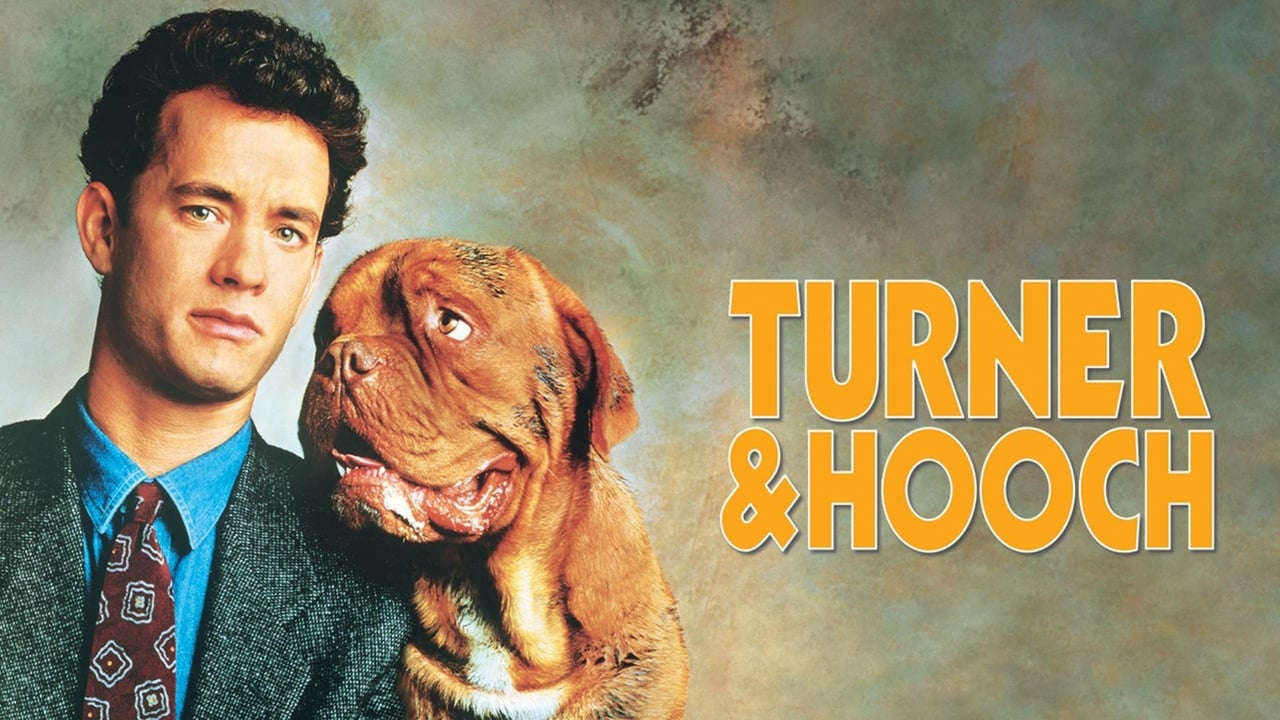
This wasn't Hanks the Oscar-winner quite yet; this was Hanks solidifying his position as America's most relatable leading man, even when paired with 110 pounds of pure, drooling canine mayhem. He plays Detective Scott Turner, a man whose life is so meticulously organized, his socks probably have their own filing system. Turner thrives on order, anticipating a move to a cleaner, more prestigious job in Sacramento. Fate, however, has other plans, delivered in the furry, four-legged form of Hooch.
### Order Meets Chaos (and Drool)
Hooch is the only witness to the murder of his owner, Amos (played by the wonderfully crusty John McIntire in one of his final roles). To protect the "witness" and hopefully sniff out the killer, Turner reluctantly takes Hooch in. What follows is pure, unadulterated physical comedy gold, grounded entirely in the practical reality of a massive, untrained dog colliding with obsessive neatness. Forget CGI animals reacting perfectly on cue; this was the real deal. Hanks is brilliant, reacting with escalating frustration and eventual grudging affection to Hooch chewing through his car upholstery, shaking slobber onto every conceivable surface, and generally turning his life upside down. I distinctly remember watching this on a grainy CRT, the sheer wetness of Hooch’s drool practically seeming to seep through the screen. It felt hilariously, tangibly real.
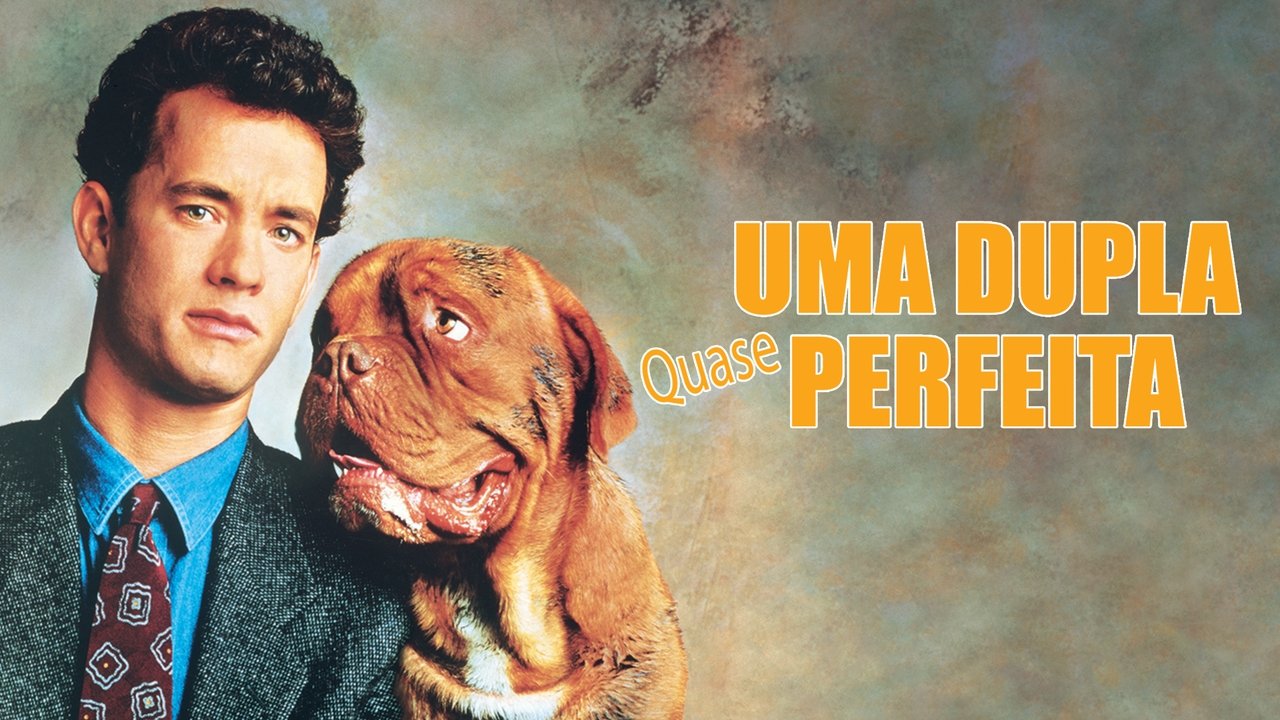
The plot itself is a fairly standard late-80s cop thriller framework – a local murder tied to bigger smuggling operations, a charming potential love interest in veterinarian Emily Carson (Mare Winningham, bringing warmth and common sense), and a menacing local seafood magnate, Walter Boyett (Craig T. Nelson, perfectly cast against his later Coach persona as a genuinely intimidating heavy). But the crime plot often feels secondary to the developing relationship between man and beast.
### The Slobber Was Real, Folks
Let's talk about Hooch, played primarily by Beasley the Dog (with a couple of stunt doubles, naturally). Beasley wasn't just a dog; he was Hooch. Director Roger Spottiswoode, who would later helm the Bond film Tomorrow Never Dies (1997) but also directed the acclaimed political thriller Under Fire (1983), reportedly faced immense challenges working with the canine star. Dogues de Bordeaux aren't exactly known for their eagerness to hit marks. There's a wonderful authenticity to Hooch's behaviour – the stubbornness, the sudden bursts of energy, the sheer presence of him. You believe Hanks is genuinely struggling with this beast because, well, he probably was! It's a testament to the trainers and Hanks' comedic timing that their scenes work so well. Remember that stakeout scene where Hooch just will not stop barking? Pure, unfiltered animal chaos meeting human exasperation.

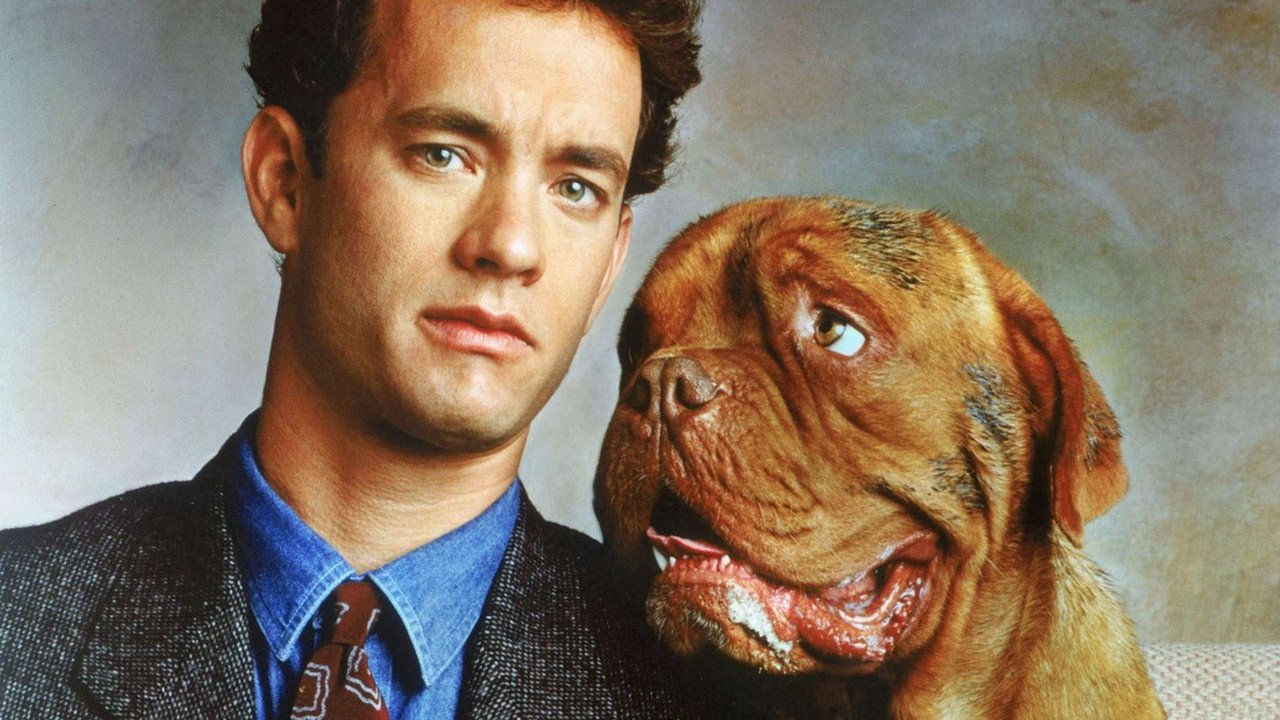
Interestingly, Henry Winkler was originally slated to direct Turner & Hooch but was fired relatively early in production due to creative differences. Spottiswoode stepped in, bringing a slightly grittier edge to the action sequences than one might expect from a "dog movie." Those moments, like the dockside confrontation, have a weight that reminds you this isn't just a comedy. The practical stunt work, the real locations (like scenic Pacific Grove, California), it all adds to that tangible 80s action feel we remember so fondly.
### More Than Just Man's Best Friend?
While the laughs are plentiful, the film isn’t afraid to tug at the heartstrings. The bond that forms between Turner and Hooch is genuinely earned. Turner starts seeing the value in messiness, in connection, in letting someone (or something) disrupt his carefully controlled world. Hanks sells this transformation beautifully, moving from clenched-jaw frustration to genuine affection. Winningham provides a lovely, grounded counterpoint, her interactions with both Turner and Hooch feeling natural and warm.
Now, we can’t talk about Turner & Hooch without mentioning its ending (Spoiler Alert for a 30+ year old movie!). The original cut featured Hooch dying after saving Turner, a gut-punch ending that test audiences famously hated. Jeffrey Katzenberg at Disney reportedly insisted on a happier resolution, leading to reshoots that gave us the ending where Hooch survives long enough to see his puppies born, one of whom becomes Turner's new companion. It's a softer landing, for sure, but one that undeniably contributed to the film's crowd-pleasing appeal and box office success – it pulled in a healthy $71 million against a $13 million budget (that's like making over $175 million today!), significantly more than the similarly themed K-9 released the same year.
***
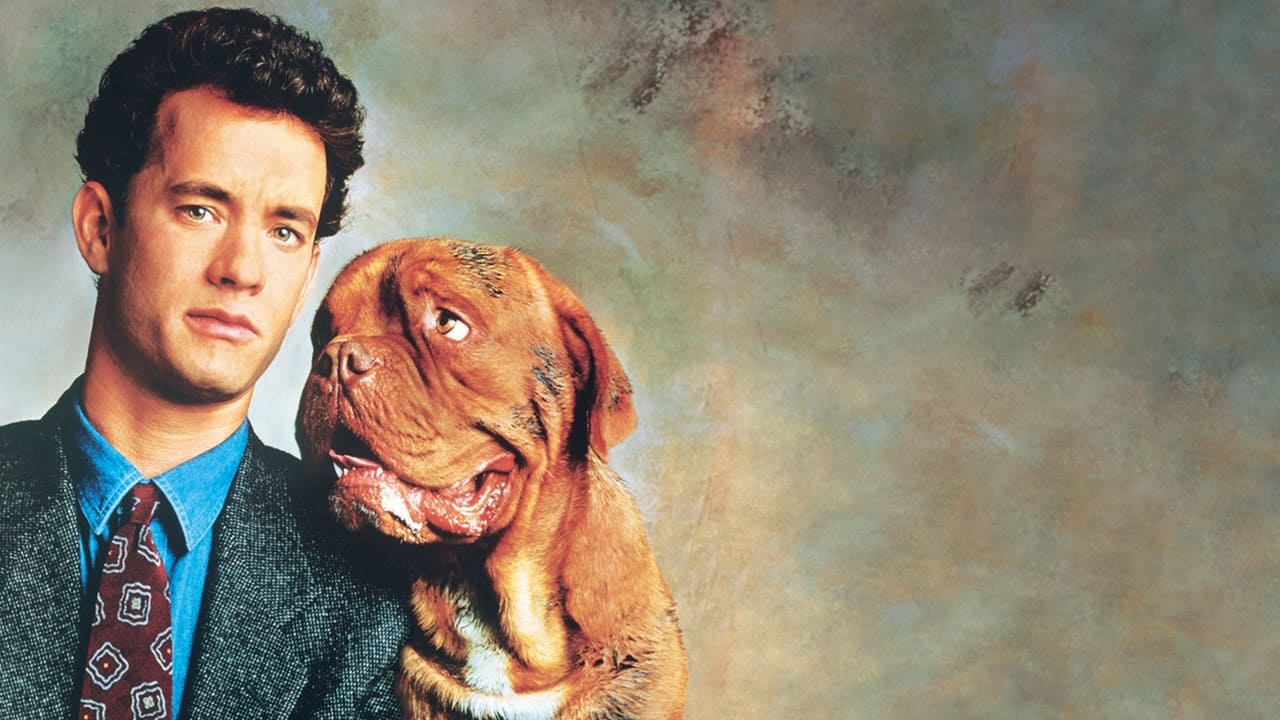
VHS Heaven Rating: 7/10
Justification: Turner & Hooch earns a solid 7 for Tom Hanks' fantastic comedic and physical performance, the undeniable star power of Beasley the Dog as Hooch, and the sheer nostalgic joy of its premise. The blend of slapstick comedy, buddy cop action, and genuine heart works surprisingly well, thanks largely to the leads (human and canine). It loses a few points for a somewhat predictable crime plot and the slightly abrupt tonal shift necessitated by the reshot ending, but the core charm is undeniable.
Final Thought: This is prime late-80s comfort viewing – a film that perfectly captured the chaotic charm of working with real animals before digital trickery smoothed everything out, anchored by a star on the cusp of greatness. It’s a reminder that sometimes, the best partners come with four legs, a tail, and an industrial supply of drool. Still fetches a good time, even after all these years.