There’s a certain kind of thrill in rediscovering a film that felt slightly off the beaten path, even back in the video store days. It wasn't the A-list blockbuster everyone grabbed first, but it had that cover, maybe a familiar face, promising adventure with a twist. Bertrand Tavernier’s La Fille de d'Artagnan (1994), or D'Artagnan's Daughter as we knew it on VHS, is precisely that kind of film – a swashbuckler brimming with Gallic charm and a surprisingly fiery heart, centred not on the legendary father, but on the formidable spirit of his offspring.
A Different Kind of Dumas
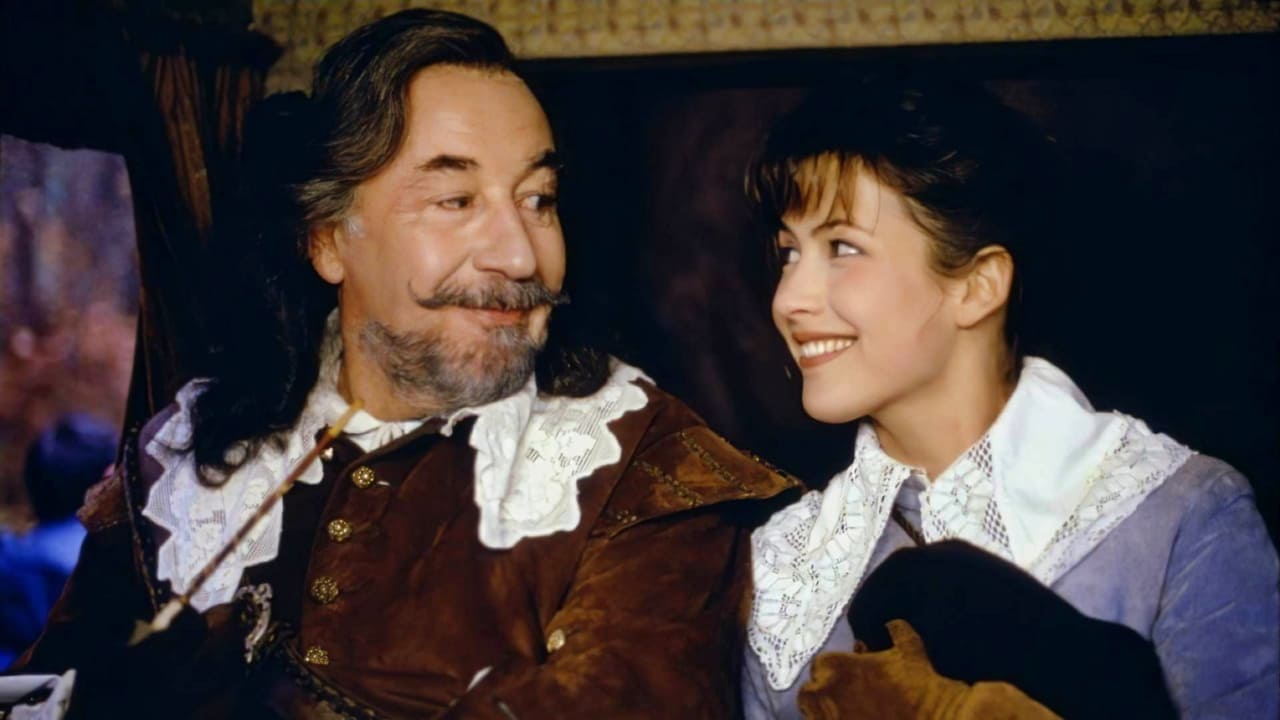
What strikes you immediately is the premise itself. We've seen countless adaptations of Dumas' heroes, forever brave, forever bold. But here, the focus shifts. Eloïse, portrayed with incandescent energy by Sophie Marceau, isn't waiting to be rescued; she is the catalyst. Living in a convent, she overhears a plot involving the Duke de Crassac (Claude Rich) and the assassination of the young King Louis XIV. Her immediate instinct? Action. It’s a refreshing inversion, placing a fiercely intelligent and capable young woman squarely at the centre of a genre traditionally dominated by men. She seeks out her estranged father, the legendary D'Artagnan, now weary and running a fencing school, played with magnificent world-weariness by the great Philippe Noiret (Cinema Paradiso). The dynamic between the idealistic, impetuous daughter and the cynical, retired hero forms the film's emotional core.
Marceau's Fiery Spirit
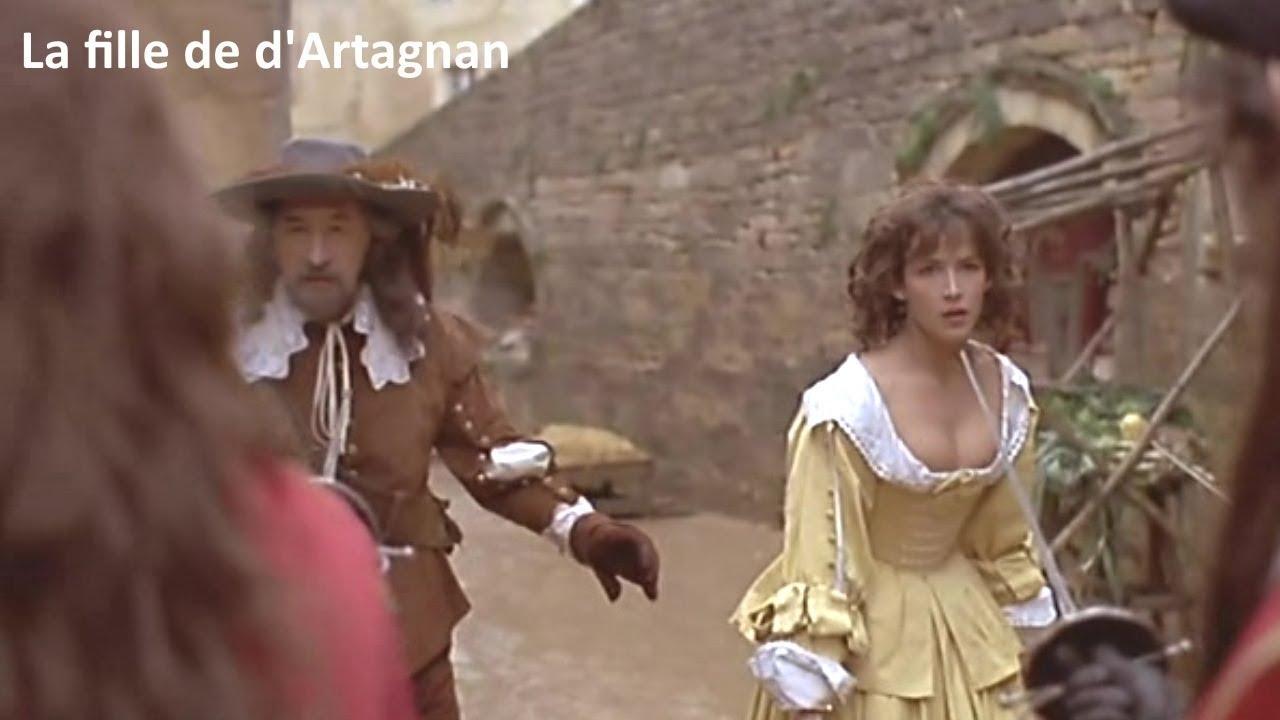
Let's talk about Sophie Marceau. Already a major star in France since her debut in La Boum (1980), and just a year away from international recognition in Braveheart (1995), she ignites this film. This isn't just a passive heroine; Marceau throws herself into the role with gusto. Her Eloïse is intelligent, passionate, adept with a sword (Marceau reportedly trained extensively for the fencing scenes), and utterly believable as someone who could inspire the aging Musketeers back into action. There's a scene where she confronts her father, demanding he live up to his legend – it’s not petulance, it’s righteous fury, and Marceau sells every moment. You can almost see the spark in Noiret's eyes as his character realizes this is truly his daughter, embodying the spirit he thought long dormant. It's fascinating to note that Tavernier initially hesitated to cast Marceau, perhaps fearing her established star persona might overshadow the character, but her screen tests reportedly convinced him immediately. Her sheer force of personality makes Eloïse a compelling protagonist, not just a plot device.
Legends in Twilight
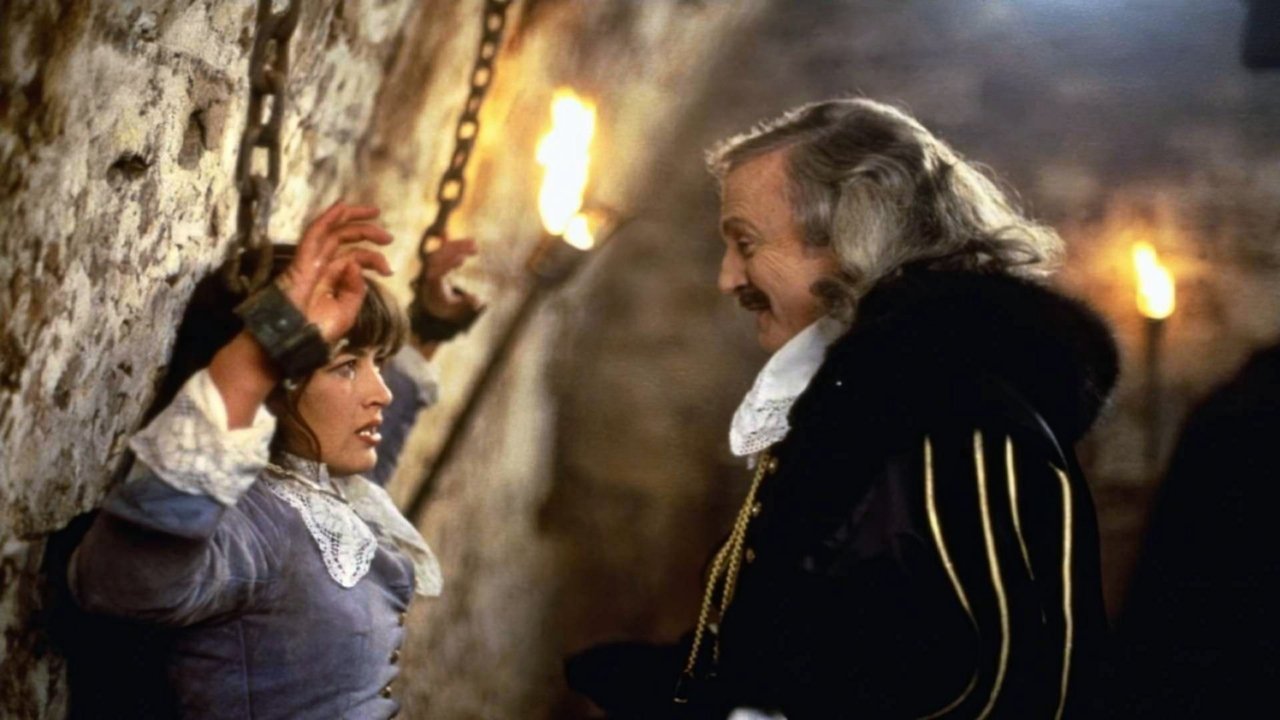
Opposite Marceau's youthful fire, Philippe Noiret delivers a masterclass in understated performance. His D'Artagnan isn't the dashing hero of youth; he's burdened by memories, perhaps regrets, content with a quieter life. Noiret conveys this history through subtle gestures, a tired glance, the slight slump of his shoulders. Yet, when Eloïse forces his hand, you see the old fire rekindle, the muscle memory of adventure taking over. It’s a nuanced portrayal of aging and legacy. The reunion with Porthos and Aramis (Athos is mentioned but absent, adding a touch of melancholy) carries a similar weight. These aren't caricatures; they feel like old friends who've seen too much, reluctantly drawn back into a world they thought they'd left behind. Claude Rich as the villainous Duc de Crassac provides a suitably hissable antagonist, embodying the corrupt power structures Eloïse rails against.
Tavernier's Historical Sweep
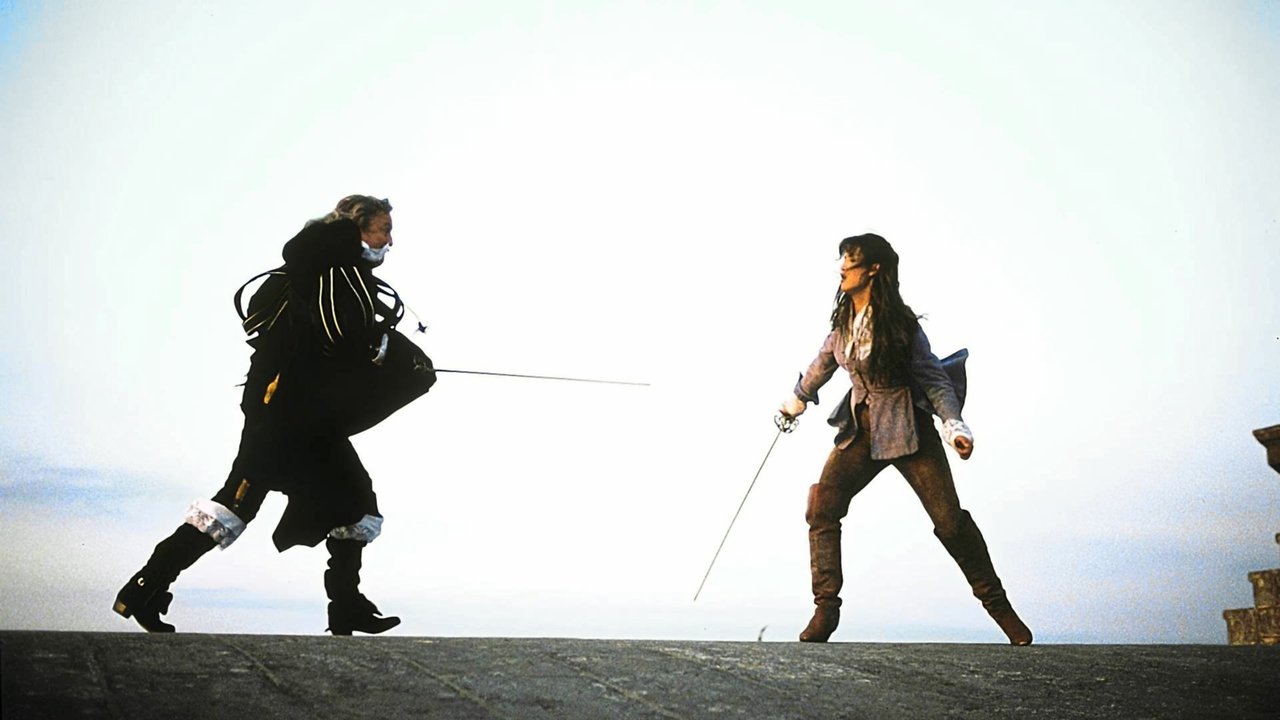
Director Bertrand Tavernier, known more for his gritty dramas and historical pieces like Life and Nothing But (1989) or Captain Conan (1996), brings a certain weight and visual richness to the proceedings. This isn't the light, almost cartoonish feel of some Hollywood swashbucklers. Tavernier, co-writing with Jean Cosmos and Michel Léviant (working from an initial story idea by Riccardo Freda and Eric Poindron that leaned more towards comedy-adventure), grounds the adventure in a tangible sense of 17th-century France. The costumes feel authentic, the locations – stunning French chateaux and countryside – add immeasurably to the atmosphere. Filming reportedly took place across picturesque spots like the Château de Biron and locations in Portugal, lending the production a genuine European scope. While the budget wasn't enormous by Hollywood standards (reportedly around 90 million French Francs, a decent sum for a French film then), Tavernier uses his resources effectively, focusing on character and atmosphere alongside the requisite swordplay. The action sequences are well-staged, emphasizing practicality and Eloïse's fierce determination rather than overly elaborate choreography.
A VHS Gem Worth Seeking
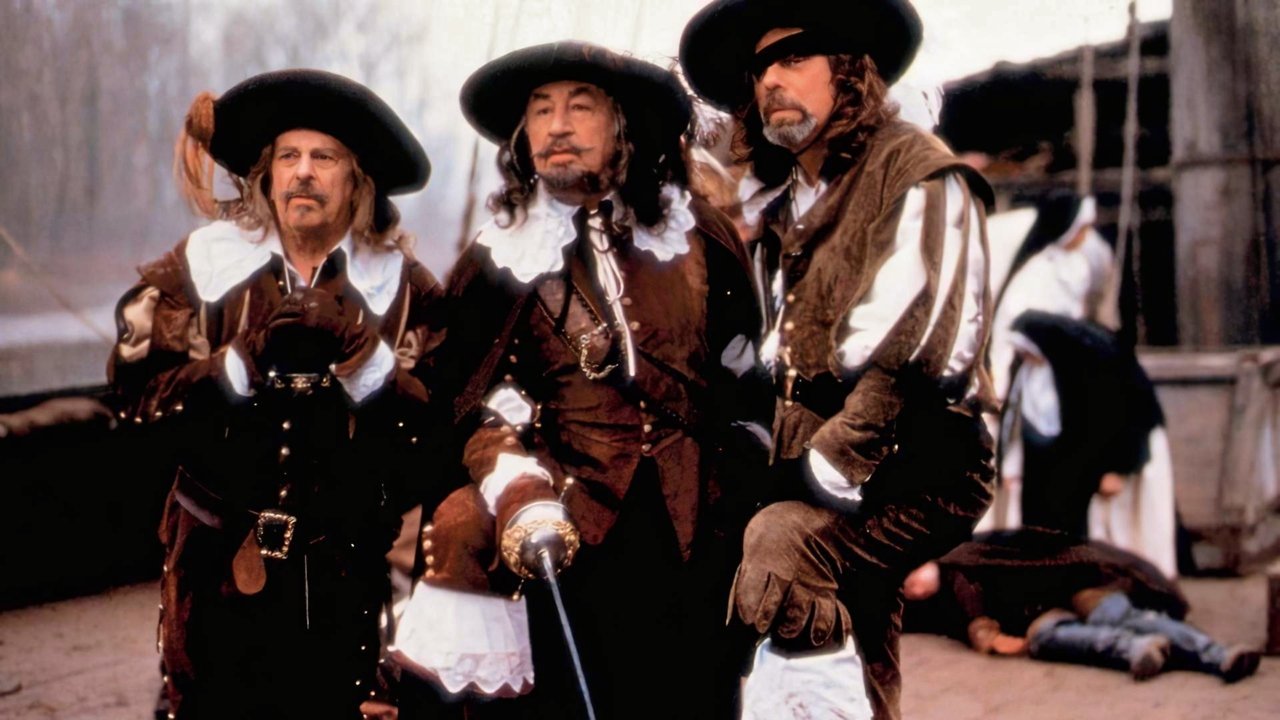
Watching D'Artagnan's Daughter today evokes that specific pleasure of discovering something slightly unexpected on the rental shelf. It blends adventure, humour (often stemming from the clash between Eloïse's idealism and the Musketeers' cynicism), and genuine heart. It asks interesting questions about legacy – must the children always live in the shadow of their parents? Can the old spirit of heroism be rekindled in a jaded world? The film received mixed reviews upon release, with some finding the tone occasionally uneven, shifting between earnest adventure and moments of broader comedy. Yet, it performed reasonably well at the French box office, proving there was an audience for this female-led take on a classic tale. Does it perfectly balance all its elements? Perhaps not always. The pacing occasionally dips, and some plot points feel a little convenient. But the conviction of the performances, particularly from Marceau and Noiret, and the sheer charm of its premise overcome these minor quibbles. I remember seeing the VHS box, intrigued by Marceau taking centre stage, and finding the film a surprisingly robust and entertaining ride.
Rating: 7.5/10
This rating reflects a genuinely entertaining and well-crafted adventure with standout performances and a refreshing perspective on a familiar legend. Sophie Marceau is captivating, Philippe Noiret brings welcome gravitas, and Bertrand Tavernier lends it an air of historical authenticity. While not flawless, its spirit and charm are undeniable, making it a worthy addition to any 90s retro film collection. It's more than just a footnote to the Musketeer saga; it’s a spirited reminder that heroism knows no gender, a sentiment that resonates perhaps even more strongly today. What lingers most is the image of Eloïse, sword in hand, proving she's every bit her father's daughter, and then some.