Ah, the familiar crackle of a well-loved tape sliding into the VCR... sometimes, popping in an old favourite feels less like watching a movie and more like revisiting old friends. And what a reunion The Return of the Musketeers offered us back in 1989! Fifteen long years after their last swashbuckling adventure (The Four Musketeers: Milady's Revenge, 1974), director Richard Lester managed the near-impossible: getting Michael York, Oliver Reed, Frank Finlay, and Richard Chamberlain back together, swords in hand, for one last ride. Seeing those iconic faces, weathered by time but spirit intact, felt like a minor miracle pulled straight from the video store shelf.
All for One, Once More
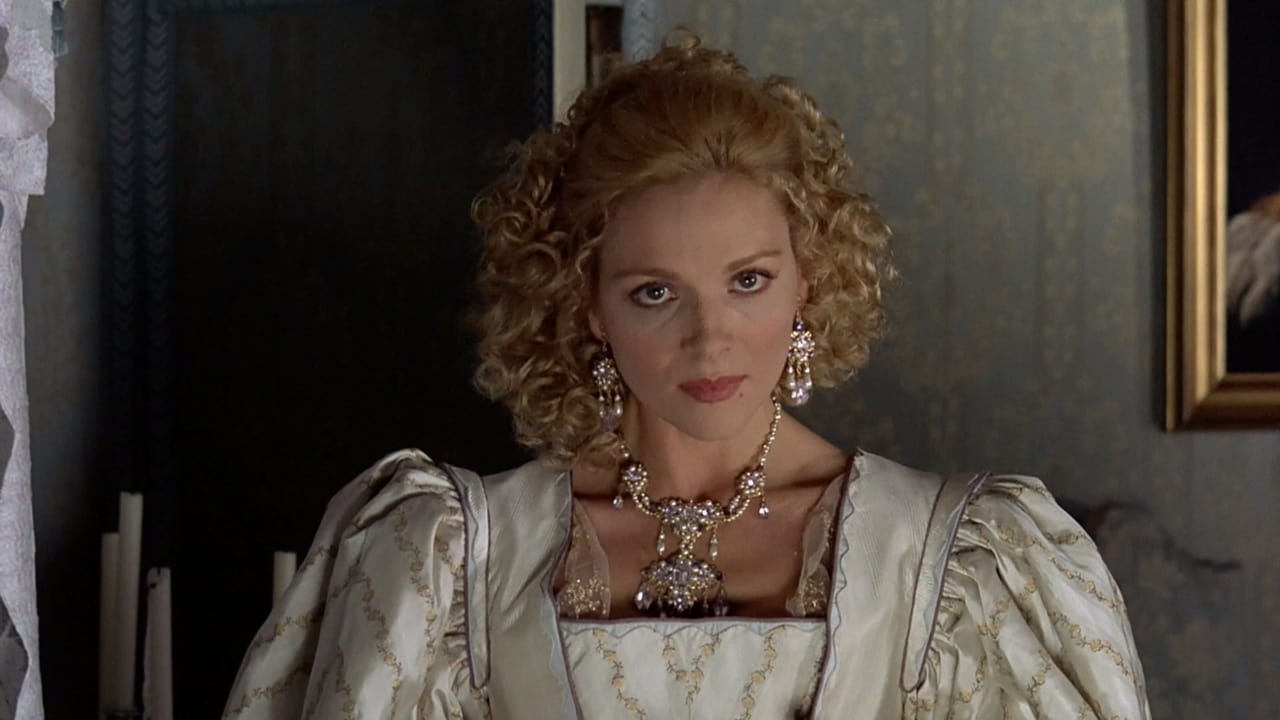
Based, rather loosely at times, on Alexandre Dumas' novel Twenty Years After, the film catches up with our heroes in middle age. France is again simmering with political intrigue under Cardinal Mazarin (Philippe Noiret), and Queen Anne (Geraldine Chaplin, also returning) needs the loyalty of her aging protectors. D'Artagnan (York) is world-weary but still dashing, Athos (Reed) is trying to enjoy retirement and raise his son Raoul (C. Thomas Howell, fresh off 80s hits like Red Dawn), Porthos (Finlay) is wealthy but bored, and Aramis (Chamberlain) is now a conflicted Bishop. Their mission involves protecting the young King Louis XIV and navigating plots involving the Duke of Beaufort (Eusebio Lázaro) and the vengeful daughter of Milady de Winter, Justine, played with icy relish by Kim Cattrall, years before she’d conquer Manhattan.
Lester's Lads Return
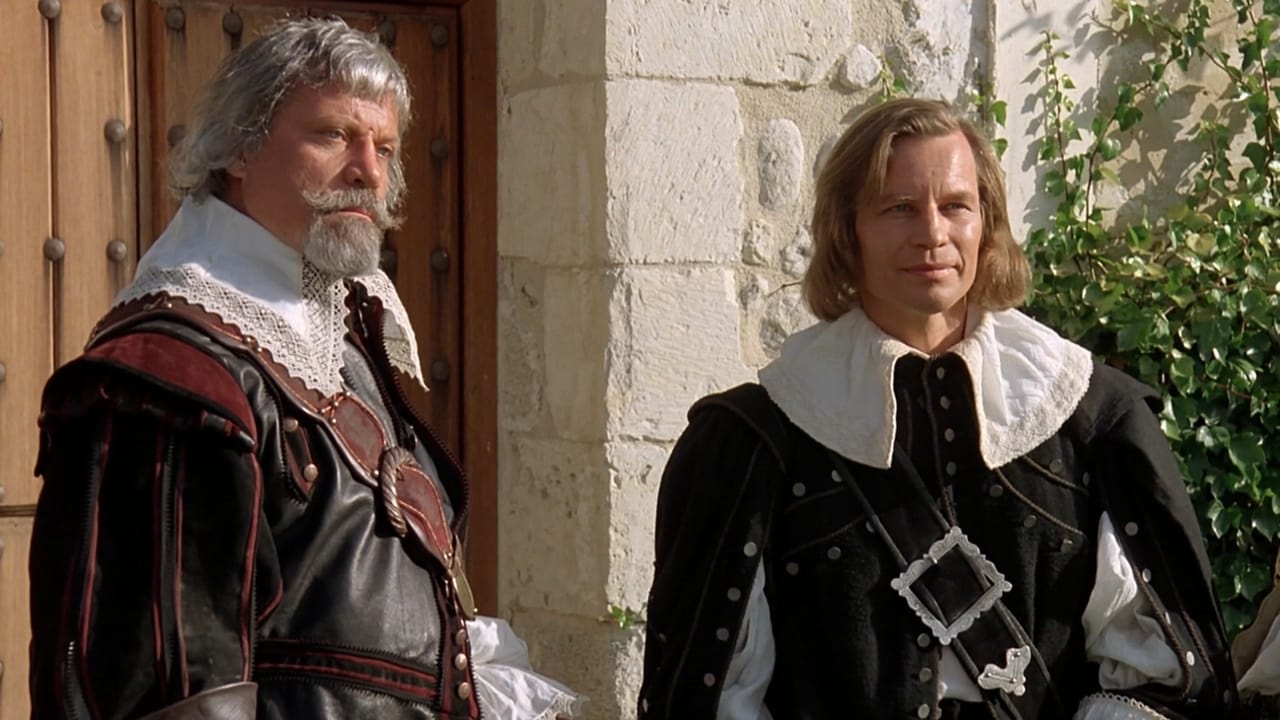
Richard Lester, the energetic director who gave us the frenetic fun of The Beatles' A Hard Day's Night (1964) and the first two Musketeer romps, brings back much of his signature style. The action sequences still have that slightly scrappy, almost chaotic energy – less polished than modern blockbusters, perhaps, but brimming with practical stunts and a tangible sense of physicality. Remember that frantic escape down the laundry chute? Classic Lester! There's a delightful blend of historical adventure and wry, often anachronistic humour, much of it expertly delivered by George MacDonald Fraser's witty script. He knew these characters inside and out, having penned the previous two installments. The chemistry between the four leads remains the heart of the film; their banter feels lived-in, their camaraderie effortless even after a decade and a half apart. York is still the anchor, Reed radiates weary nobility, Finlay provides boisterous comic relief, and Chamberlain smoulders with conflicted piety. It’s genuinely heartwarming to see them together again. Even Christopher Lee makes a welcome, albeit brief, return as the one-eyed villain Rochefort!
A Shadow Amidst the Swashbuckling
However, discussing The Return of the Musketeers without acknowledging the profound sadness surrounding its production is impossible. During filming in Spain in September 1988, the beloved actor Roy Kinnear, who played d'Artagnan's loyal servant Planchet with such wonderful warmth and humour across all three films, tragically died following a horse-riding accident on set. He fell from his horse in Toledo, sustaining a broken pelvis and internal bleeding, passing away in hospital the following day. It was a devastating blow to the cast and crew, many of whom, like Lester, had worked with Kinnear for decades.
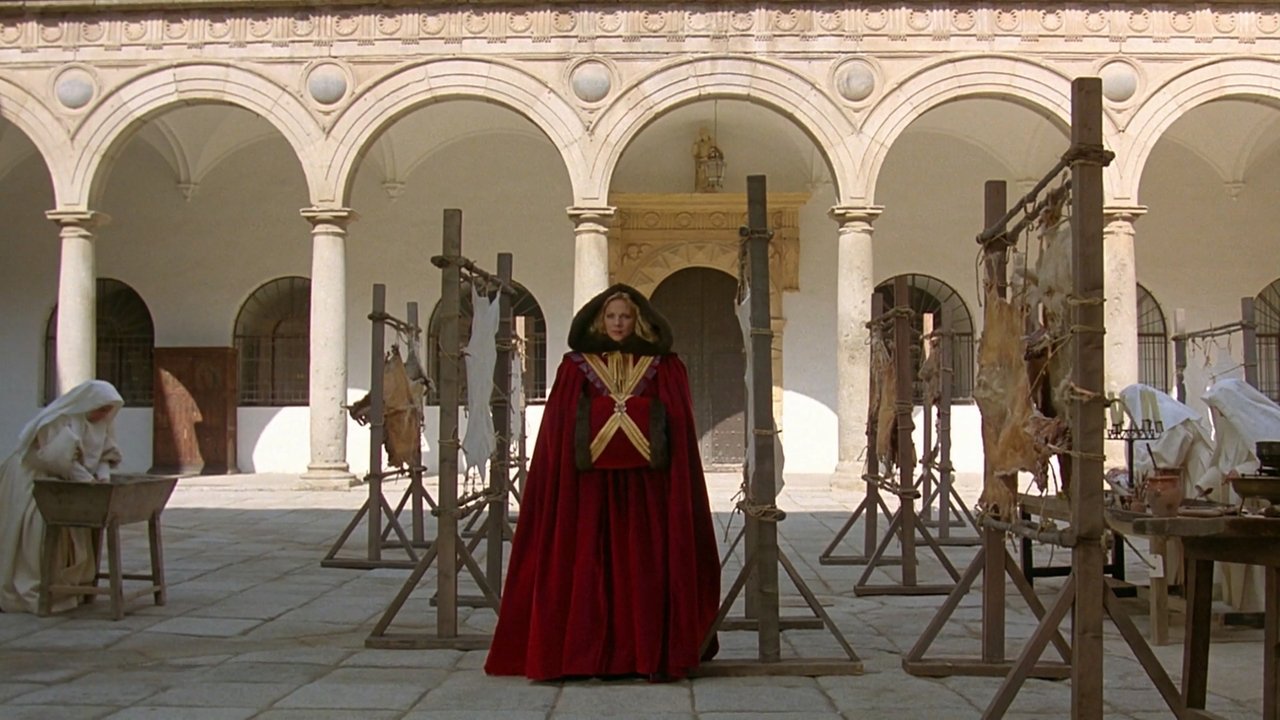

His absence hangs heavy over the latter parts of the film. You can almost feel the shift in mood. While Lester completed the film, dedicating it to Kinnear's memory, he largely stepped away from directing features afterwards, deeply affected by the loss. Knowing this backstory lends a certain poignancy to the adventure; the Musketeers’ on-screen reunion feels intertwined with a real-world farewell. Watching Kinnear’s final scenes as Planchet, forever bustling and loyal, is incredibly bittersweet. It’s a stark reminder of the risks involved in filmmaking, especially with the kind of ambitious practical stunt work common in the era, and the very real human cost behind the on-screen escapism we cherish. The film reportedly carried a budget around $10 million, but its box office performance was modest, perhaps overshadowed by the tragedy and the changing tastes of the late 80s.
Retro Fun Facts
Beyond the central tragedy, there are other interesting nuggets. The 15-year gap wasn't just a plot point; it reflected the real time passed since The Four Musketeers, which was famously shot back-to-back with The Three Musketeers (1973) but released separately – much to the actors' surprise (and financial chagrin, leading to the "Salkind Clause" in actors' contracts ensuring multi-part films are paid as such). Filming largely took place on stunning historical locations across Spain, adding authentic scope and grandeur. Finding a young actor to play Athos' son Raoul led them to C. Thomas Howell, a familiar face to any kid who haunted the video store's drama and action aisles in the 80s.
One Last Hurrah?
So, how does The Return of the Musketeers hold up on a rewatch? It's undeniably a different beast than its predecessors. The tone is more uneven, swinging between lighthearted adventure and moments shaded by the actors' ages and the inescapable knowledge of Kinnear's fate. The plot, juggling Dumas' sprawling narrative with the need for reunion moments, can sometimes feel a little episodic. Yet, the core appeal remains potent. It's a joy to see the original quartet back in action, their charisma undimmed. The action, while perhaps less frequent, still crackles with Lester's inventive staging. And there's a certain melancholy charm to seeing these heroes grapple with age and changing times, a theme that resonates perhaps even more strongly now. It’s not quite the lightning-in-a-bottle perfection of the first film, but it’s a worthy, if bittersweet, final chapter for this beloved cinematic team.
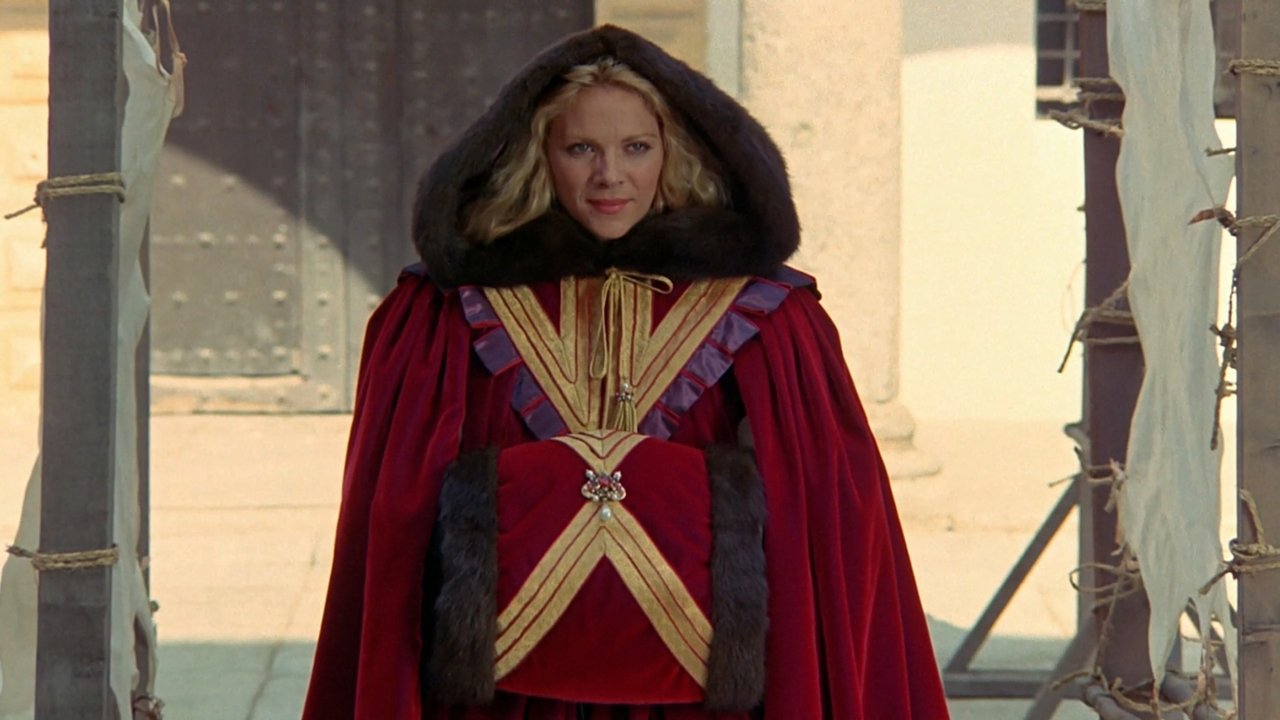
VHS Heaven Rating: 7/10
This rating reflects the undeniable magic of seeing the original cast reunited and Lester's unique directorial flair, delivering solid swashbuckling fun and genuine heart. The point deduction acknowledges the slightly uneven tone compared to the first two films and the unavoidable shadow cast by the tragic loss of Roy Kinnear, which lends the film a poignant, bittersweet quality that colours the viewing experience. It's a heartfelt effort, filled with nostalgia, but tinged with sadness.
It may not have recaptured the full glory of the originals, but The Return of the Musketeers remains a cherished tape on the shelf – a final, fond salute to a legendary screen ensemble, forever bound by camaraderie, adventure, and the echoes of "All for one, and one for all!"