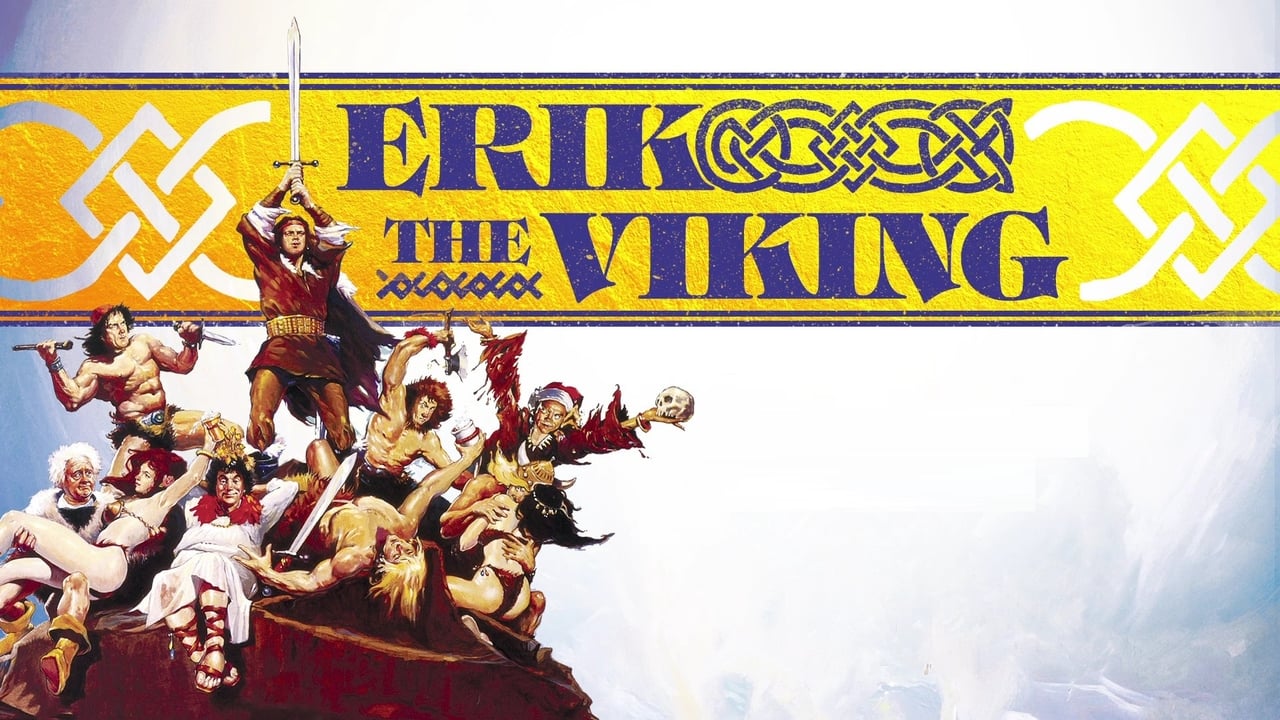
Alright, rewind your minds with me. Picture this: it's late Friday night, the VCR is humming that familiar mechanical tune, and you've just popped in a tape with a cover promising horned helmets, high adventure, and maybe... just maybe... a bit of Python-esque absurdity. That's the vibe hitting you square in the face when you press play on Terry Jones' 1989 oddity, Erik the Viking. Forget your blood-soaked berserkers; this Viking is having an existential crisis.

Wait, Vikings Don't Do That... Do They?
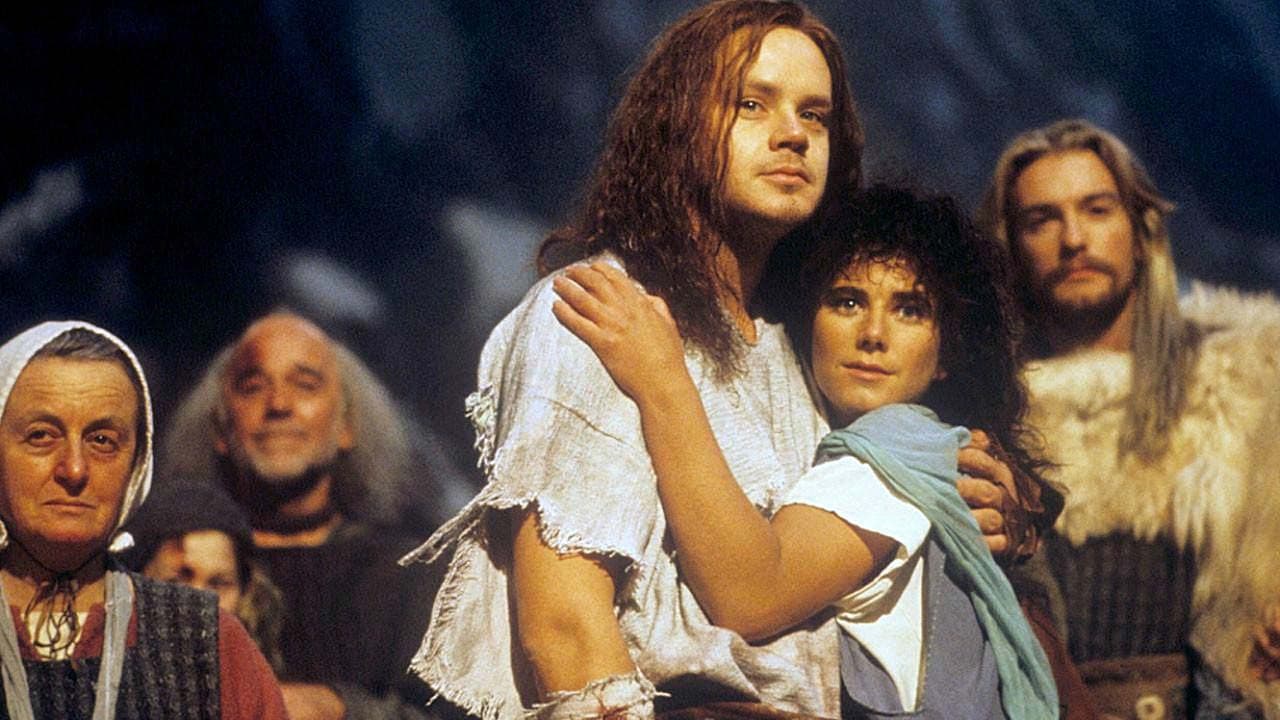
The premise alone is wonderfully bizarre. Tim Robbins, long before Shawshank but already showing that affable screen presence, plays Erik, a Viking who, during a particularly unpleasant raid (aren't they all?), accidentally kills an innocent woman and has a sudden pang of conscience. He decides pillaging and plundering just isn't him anymore. Even worse, he suspects the perpetual gloom and violence plaguing his people – the Age of Ragnarök – might be, you know, bad. His solution? Sail off the edge of the world, wake the gods at Asgard, and politely ask them to knock it off with the apocalyptic prophecies. Standard Viking stuff, right?
This isn't your typical swords-and-sandals epic, nor is it pure Python, though the DNA is undeniable. Terry Jones, pulling triple duty as writer, director, and King Arnulf, brings a unique flavour. Having helmed parts of Monty Python and the Holy Grail (1975) and directed Life of Brian (1979) and The Meaning of Life (1983), Jones knows his way around blending the historical with the hysterical. Erik the Viking feels like a slightly more earnest, perhaps less consistently funny, cousin to those classics. It was actually inspired by a children's book Jones wrote for his son, which explains some of the slightly gentler, more storybook elements woven into the satire.
A Ship of Eccentrics
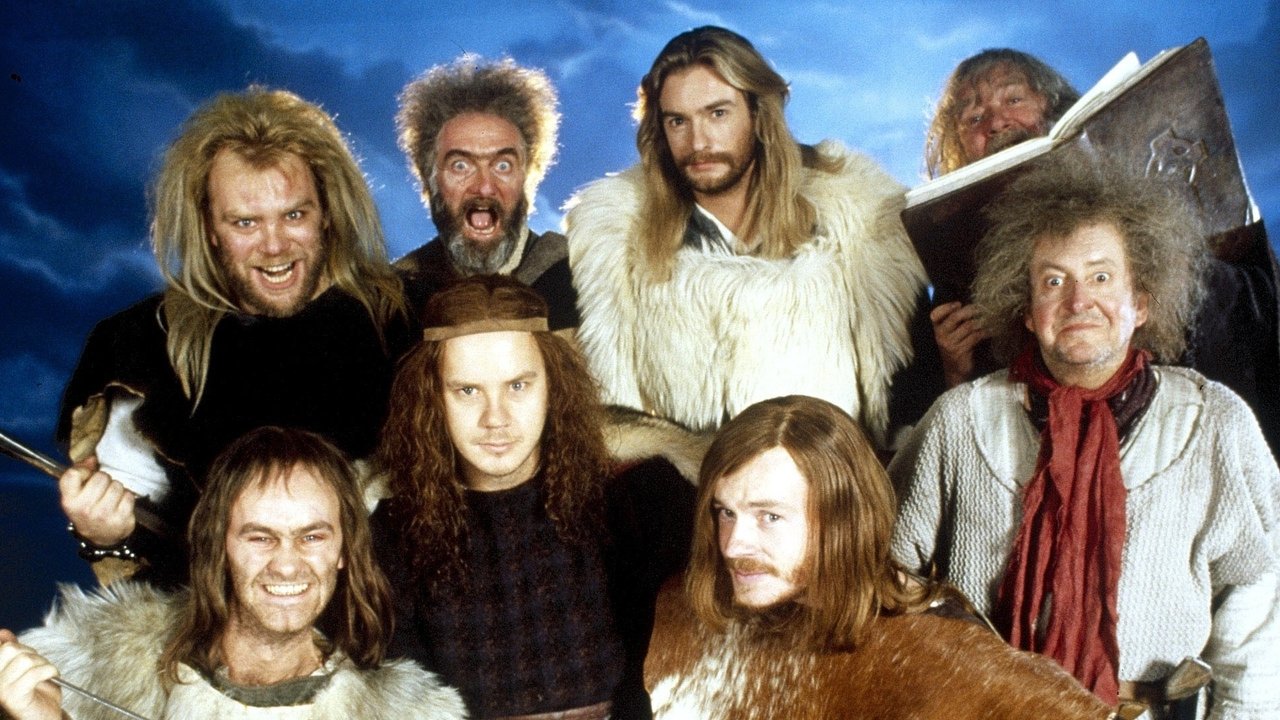
What truly elevates Erik beyond a mere curiosity is its absolutely bonkers cast. Robbins anchors it with a performance that’s surprisingly sincere amidst the chaos, playing Erik as a genuinely thoughtful soul utterly bewildered by the violent world around him. But surrounding him is a gallery of glorious scene-stealers. Mickey Rooney, bless his legendary heart, chews the scenery as Erik's grandfather, clinging to the old ways. Eartha Kitt absolutely purrs and commands as the goddess Freya – a piece of casting so inspired it feels mythical in itself.
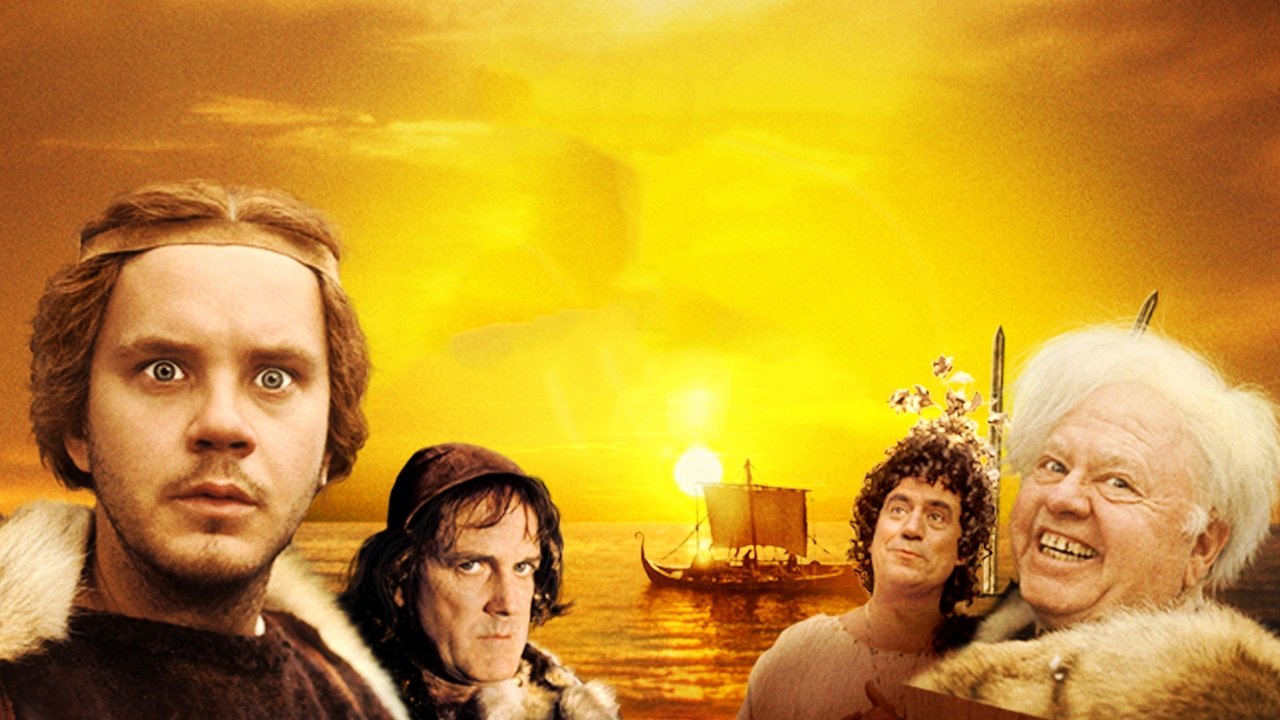
And then there's the Python contingent. John Cleese swans in as Halfdan the Black, a villain whose primary motivation seems to be performative cruelty and dramatic pronouncements. Jones apparently wrote the part specifically for Cleese, and it shows – it’s tailor-made for his particular brand of towering, slightly unhinged menace. Jones himself pops up as the ruler of Hy-Brasil, a mythical land bathed in perpetual sunlight where the inhabitants… sing. A lot. It's all wonderfully strange. Keep an eye out too for Python collaborator Neil Innes amongst the Hy-Brasilians!
Ambitious Visions on a VHS Budget
Visually, Erik the Viking swings for the fences. Filmed on location in Malta and Norway, and at Shepperton Studios in the UK, there’s a genuine sense of scale here. They built full-sized Viking longships! Hy-Brasil looks appropriately ethereal, and the journey across storm-tossed seas feels tangible. Sure, some of the effects might look a bit quaint now – the disappearing sun, the dragon guarding the entrance to Asgard – but you have to admire the ambition. This was the era of practical magic, miniatures, and matte paintings trying to conjure entire worlds. Remember how impressive that giant sea serpent (or whatever it was!) felt looming out of the mist on your fuzzy CRT screen? There's a certain charm to seeing the seams, a reminder of the ingenuity required before CGI smoothed everything over. They reportedly spent around £5 million (roughly $8 million USD back then), and you can see they stretched every penny trying to realize Jones’ vision.
The "action," such as it is, leans more towards chaotic brawling and fantastical set pieces than tightly choreographed combat. It’s often played for laughs, emphasizing the absurdity and incompetence of the Vikings rather than their prowess. It works within the film's peculiar tone, but anyone renting this expecting Conan the Barbarian (1982) was likely in for a surprise.
A Quirky Voyage Through Time
Erik the Viking didn't exactly set the world on fire upon release. Critics were mixed, often finding the tone uneven, caught somewhere between adventure, satire, and outright silliness. Audiences didn't flock to it either, making it more of a cult discovery on home video – precisely the kind of film that defines "VHS Heaven." It’s a movie you might have stumbled upon, intrigued by the cast or the Python connection, and found yourself charmed by its sheer, earnest weirdness. It’s worth noting that Terry Jones was reportedly unhappy with the original theatrical cut, leading his son, Bill Jones, to release a shorter, punchier "Director's Son's Cut" years later, aiming for a pacier, more comedic feel.
***
VHS Heaven Rating: 7/10
Justification: Erik the Viking earns a solid 7 for its sheer audacity, brilliant flashes of Pythonesque humour, and an unforgettable ensemble cast clearly having a bizarre amount of fun. It’s undeniably uneven, and the pacing sometimes lags, but its ambition, unique premise, and genuinely charming central performance from Tim Robbins make it stand out. The practical effects and production design, while dated, possess a tangible quality that adds to its retro appeal. It's a film with more heart than perhaps even its creators intended.
Final Thought: A gloriously imperfect oddity from the back shelves of the video store, Erik the Viking is proof that sometimes the strangest voyages yield the most memorable treasures – even if they involve asking the gods to please stop ending the world. A truly unique flavour of 80s fantasy-comedy.