Flickering fairy lights on a plastic Christmas tree, the comforting whir of a VCR rewinding, and the promise of holiday magic contained within a chunky cassette. While 1993 offered its share of action heroes and animated wonders on home video, one tape promised something different, something almost ethereal: Emile Ardolino's film adaptation of George Balanchine's The Nutcracker. Seeing that familiar New York City Ballet staging, but headlined by the biggest child star on the planet, Macaulay Culkin, felt like a curious, slightly dazzling event – a collision of high art and pure 90s pop culture power.
### Bringing Balanchine Home
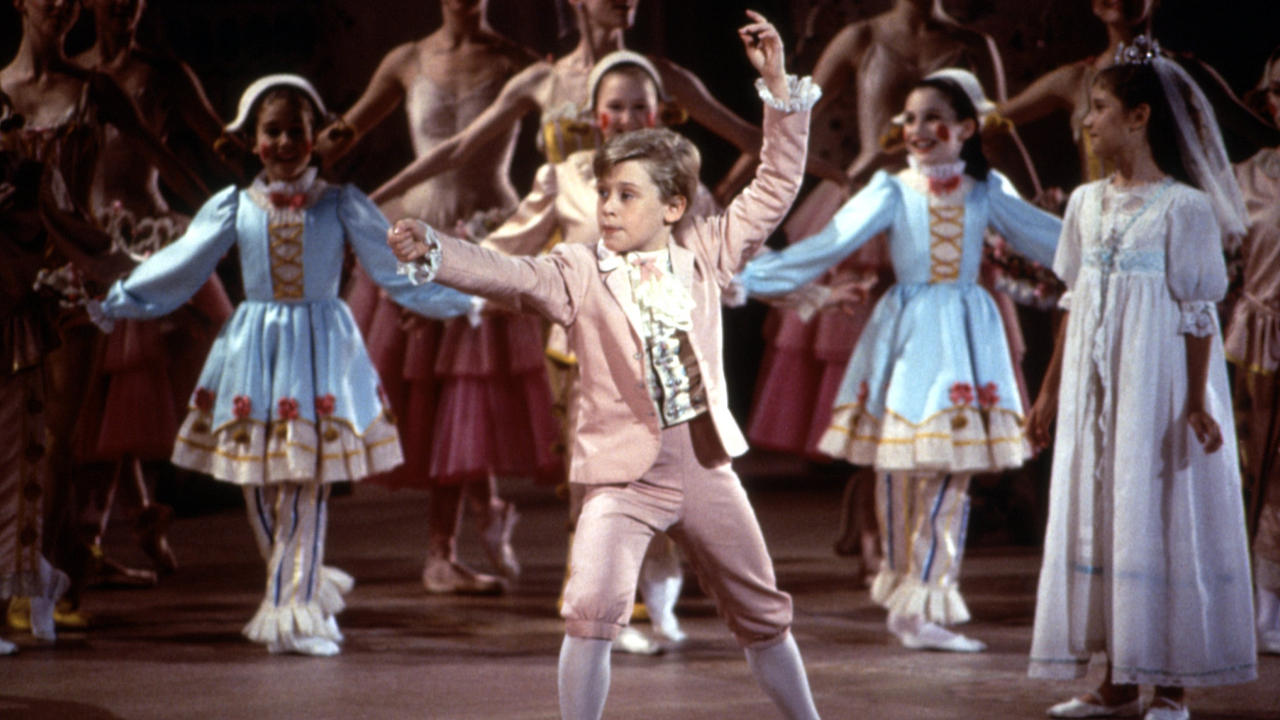
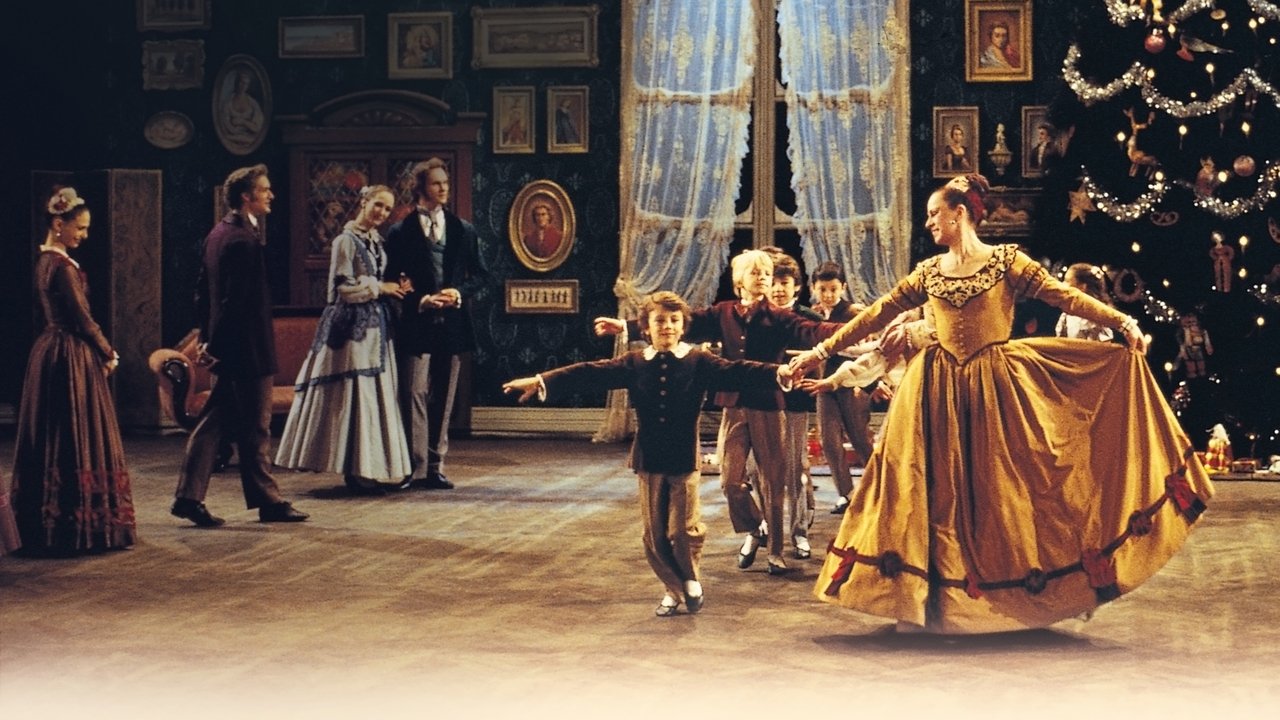
This wasn't just any Nutcracker; it was the George Balanchine version, a beloved holiday tradition for New York audiences since the 1950s. The film's greatest strength lies in its faithfulness to that specific, iconic production. Director Emile Ardolino, already known for bringing dance vibrantly to the screen with hits like Dirty Dancing (1987) and Sister Act (1992), aimed to essentially transport the Lincoln Center experience into living rooms across the country. Filmed primarily at the Performing Arts Center at Purchase College, SUNY, the production design, costumes (designed by Karinska), and, crucially, the choreography are all meticulously preserved. For many kids like myself, living far from major metropolitan centers, this VHS tape might have been our very first encounter with professional ballet, a window into a world of pointe shoes, pirouettes, and Tchaikovsky's enchanting score. The warm, almost painterly cinematography captures the magic beautifully, especially in the transformation scenes and the Land of Sweets sequences.
### The McCallister in Tights Phenomenon
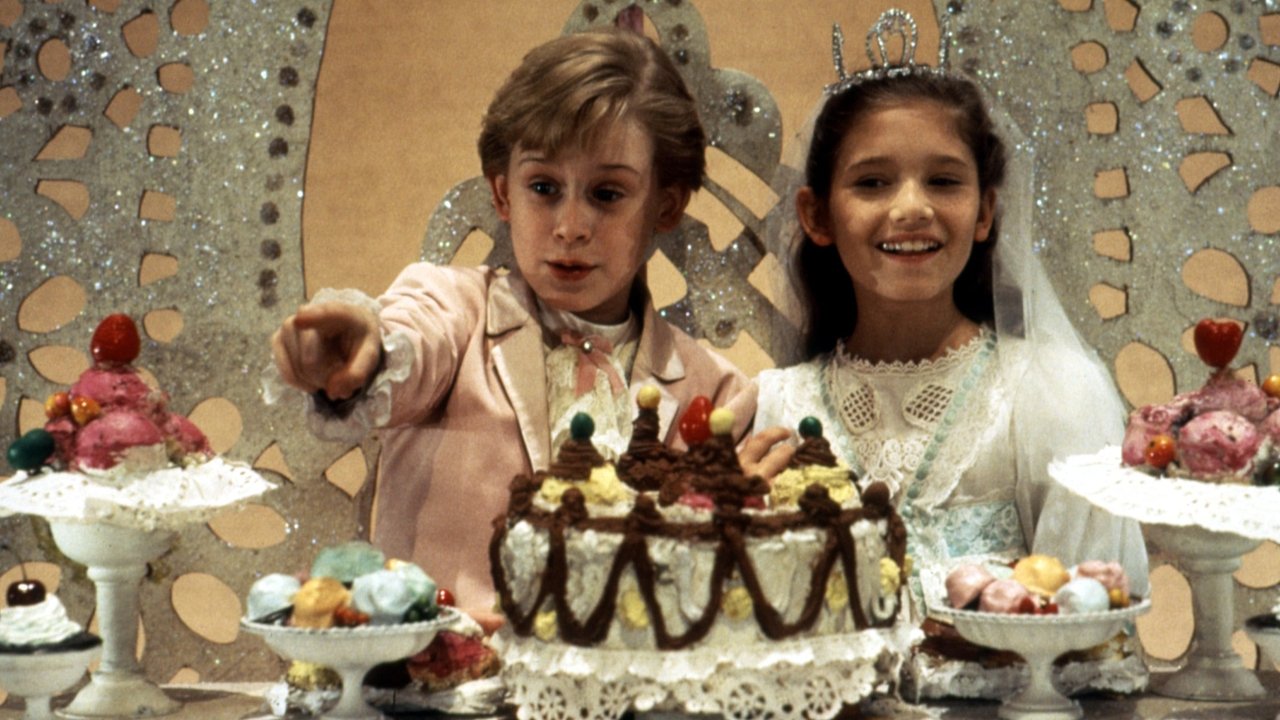
Let's be honest, a huge part of the buzz surrounding this release was the casting of Macaulay Culkin. Riding high on the phenomenal success of the Home Alone films, his face plastered on the VHS cover was undoubtedly meant to draw in families who might otherwise skip a ballet film. His role as the Nutcracker Prince, however, is surprisingly brief and notably non-dancing. While he brings his characteristic charm to the mime sequences – reportedly learning his lines phonetically – he feels somewhat separate from the fluid grace of the professional dancers surrounding him. It's less a star turn and more a strategic cameo, a fascinating artifact of peak Culkin-mania. Seeing him transformed from mischievous kid hero to a regal, slightly stiff prince was certainly... memorable.
### The True Stars Twirl
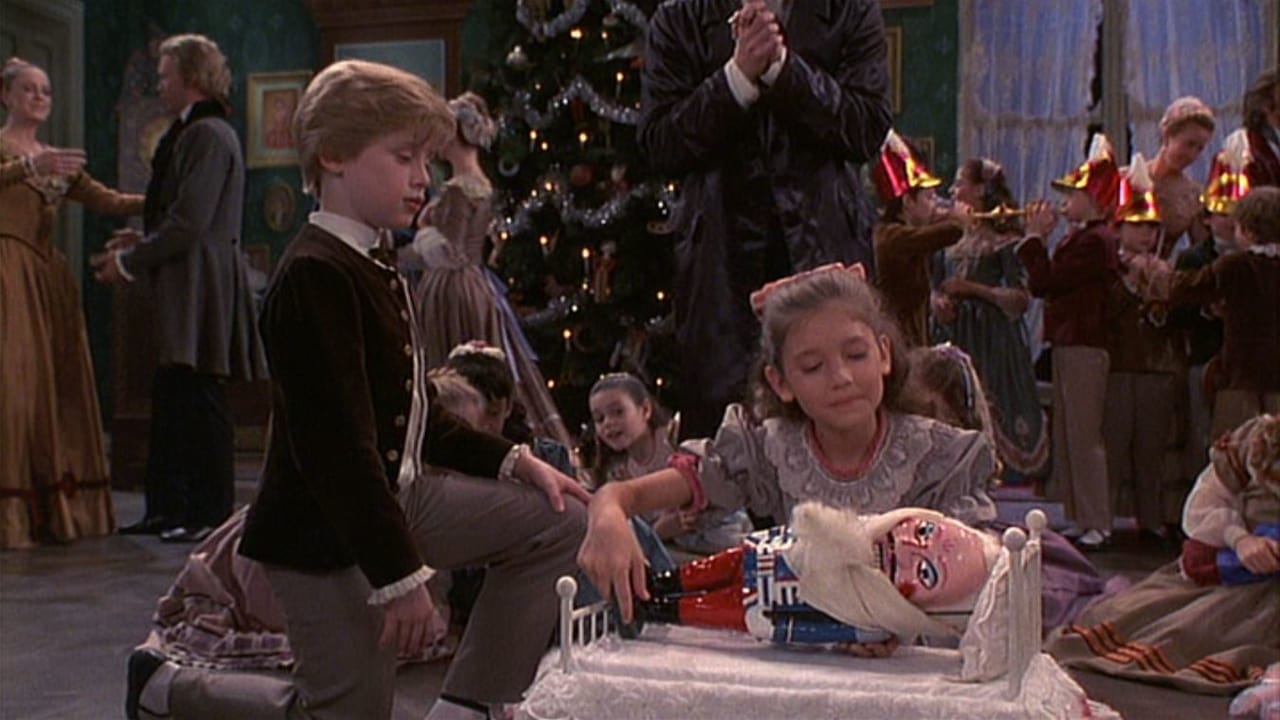
While Culkin provided the Hollywood hook, the film truly belongs to the dancers of the New York City Ballet. Jessica Lynn Cohen is endearing and expressive as Marie (Clara in some versions), the young girl whose Christmas dream unfolds before us. Her sense of wonder feels genuine, providing the audience's emotional anchor. And then there's the sheer artistry of the principal dancers. Darci Kistler as the Sugarplum Fairy is luminous, embodying the elegance and technical brilliance that Balanchine's choreography demands. Her pas de deux with Damian Woetzel as her Cavalier is a highlight, showcasing the breathtaking skill that makes this ballet timeless. The film serves as a valuable record of these specific performers interpreting these iconic roles. Even the supporting dancers, from the energetic Harlequin and Columbine to the mesmerizing Arabian coffee sequence, are captured with reverence.
### A Bittersweet Bow
Adding a layer of poignancy to the film is the knowledge that this was the final work of director Emile Ardolino. He sadly passed away from complications related to AIDS just before the film's release in November 1993. Knowing this casts a different light on the production; it feels like a final, gentle offering from a director who clearly had a passion for translating performance to the screen. While some critics at the time found the filming perhaps too stage-bound, lacking dynamic cinematic flair, there's an argument to be made that Ardolino's approach prioritised preserving the integrity of the ballet itself. He lets the dancers and the choreography speak for themselves, framed by Kevin Kline's soothing, storybook narration. It wasn't a box office smash – reportedly making only $2.1 million against a $16 million budget – perhaps indicating audiences weren't quite ready for a star-studded ballet film, making the VHS release even more crucial for its afterlife.
### A Flawed Gem in the Holiday Trove
Watching George Balanchine's The Nutcracker today is a specific kind of nostalgic experience. It’s undeniably beautiful, a faithful preservation of a world-class ballet production brought into homes via the magic of VHS. Tchaikovsky's score remains utterly transportive, and the dancers are magnificent. Yet, it also feels distinctly like a product of its time – the slightly static camera work, the slightly awkward integration of its celebrity guest star. It lacks the cinematic re-imagining some might crave, opting instead for respectful documentation. But maybe that’s its charm? It introduced a generation to Balanchine and the beauty of ballet, wrapped in the familiar comfort of a movie night at home.

VHS Heaven Rating: 7/10
This score reflects the film's success in beautifully capturing the iconic Balanchine ballet and featuring stunning performances from the NYCB dancers (a huge plus). Its value as a nostalgic piece, particularly for introducing ballet via the accessible Culkin hook, is undeniable. However, it loses points for the somewhat stage-bound direction that doesn't fully translate the energy to the screen and the slightly jarring, albeit understandable, stunt casting of its main star.
Ultimately, this Nutcracker remains a lovely, if slightly flawed, holiday time capsule – a chance to revisit not just a classic ballet, but a specific moment when high art and 90s kid stardom collided on our VCRs. A unique bauble on the cinematic Christmas tree, indeed.