Flickering onto the screen after the slightly bombastic Cannon Films logo, some VHS finds promised high adventure, others low-budget thrills. And then there were the Cannon MovieTales – a curious, often charmingly awkward collection of musical fairy tales beamed directly into our living rooms in the late 80s. Nestled amongst adaptations of Puss in Boots and Rumpelstiltskin sits 1988’s Hansel and Gretel, a version of the classic Grimm tale that feels distinctly, sometimes delightfully, of its time. It wasn't Disney, that's for sure, but for kids browsing the fantasy section of the video store, its colourful cover promised magic, candy, and just a touch of peril.
Into the Woods, Cannon Style
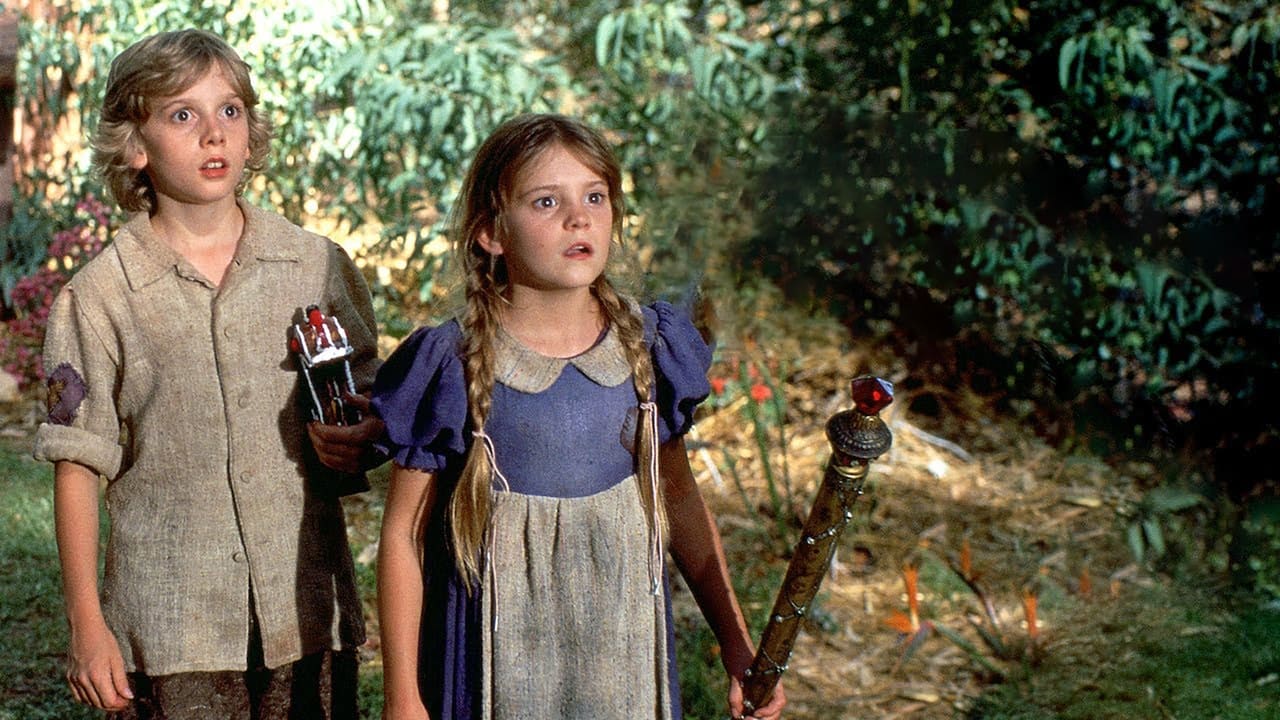
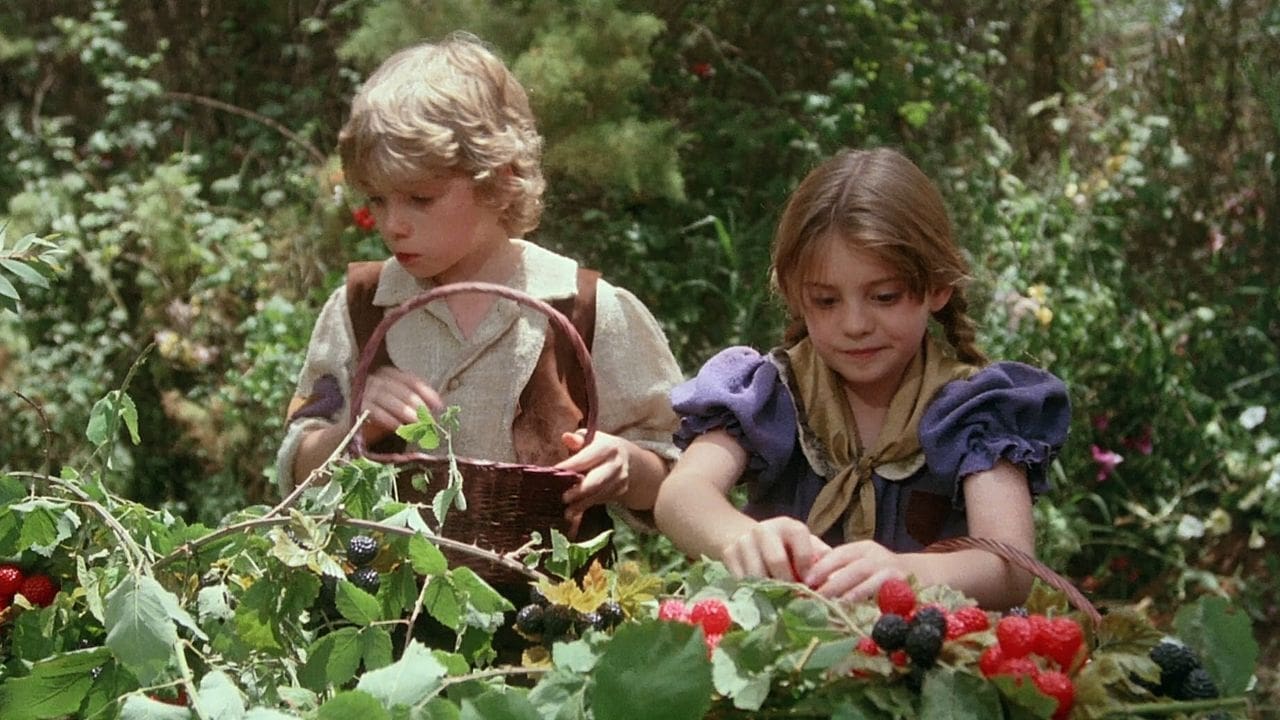
Directed by Len Talan, who also co-wrote the screenplay with Nancy Weems, this Hansel and Gretel sticks fairly close to the familiar story beats. Two poor children, Hansel (Hugh Pollard, recognisable to many as the young hero from 1987’s Masters of the Universe) and Gretel (Nicola Stapleton), are led into the woods by their desperate father (the ever-watchable David Warner) at the urging of their cruel stepmother. Lost and alone, they stumble upon that house – a confectionary construction belonging to the seemingly sweet, but decidedly sinister, witch Griselda.
What sets this version apart isn't radical storytelling, but its specific late-80s, straight-to-video musical aesthetic. Filmed, like many of its MovieTales brethren, on location in Israel to maximize production value on a modest budget, the film has a particular look. The woods feel genuinely woodsy, if perhaps a bit sun-drenched for Grimm territory, but it’s the witch’s cottage that truly embodies the era’s fantasy design – brightly coloured, looking almost edible yet undeniably artificial, a perfect blend of tempting and slightly unsettling.
A Spoonful of Sugar (and Ham)
The real magic, arguably, comes from the casting of the villains. Cloris Leachman absolutely devours the role of Griselda the witch. Fresh off decades of acclaimed work (including her Oscar for The Last Picture Show (1971)), Leachman dives into the character with unrestrained glee. Forget subtle menace; this is pure, cackling, theatrical villainy, complete with musical numbers where she extols the virtues of her candy house and, later, her nefarious plans. It’s a performance pitched perfectly to younger viewers – scary enough to be memorable, but broad enough not to be truly terrifying. You can almost picture her having an absolute blast on set, hamming it up beautifully.
Opposite her, David Warner, a veteran of imposing figures in films like Tron (1982) and Time Bandits (1981), brings a surprising amount of pathos to the Woodcutter. His internal conflict and regret are palpable, even within the confines of a family musical. He makes the father’s difficult decision feel weighted, adding a touch of melancholy often glossed over in simpler adaptations. The stepmother, played by Emily Richard, fulfills her role as the catalyst for cruelty effectively, though overshadowed by Leachman’s powerhouse presence.
Retro Fun Facts: The Cannon Touch
Understanding Hansel and Gretel means understanding the Cannon MovieTales project. Spearheaded by producers Menahem Golan and Yoram Globus, Cannon Films aimed to create a library of classic fairy tales, churned out efficiently and often reusing sets, locations (like those Israeli landscapes), and sometimes even crew members across multiple productions. This assembly-line approach gives the MovieTales a certain uniformity – the slightly repetitive songs, the earnest but sometimes stiff choreography, the practical effects that are endearing in their simplicity. Hansel and Gretel's budget wasn't enormous, likely hovering in the low millions typical for these productions, meaning creative solutions were key. That gingerbread house, for instance, while eye-catching, likely relied more on clever painting and set dressing than expensive materials. The musical numbers, while perhaps not Sondheim, possess a certain earworm quality characteristic of 80s children's entertainment – simple melodies, direct lyrics, designed to be catchy rather than complex. There weren't tales of massive on-set dramas or groundbreaking effects here; the story is one of efficient, workmanlike filmmaking aimed squarely at the burgeoning home video market.
Does the Candy Still Taste Sweet?
Watching Hansel and Gretel today is undeniably a nostalgia trip for those who encountered it on a worn-out VHS tape. The child actors, Pollard and Stapleton, are suitably wide-eyed and resilient, delivering their lines and songs with the earnestness typical of young performers of the era. The pacing feels leisurely compared to modern children's films, allowing scenes to breathe, particularly the journey through the woods and the initial exploration of the candy house.
Of course, it’s not without its quirks. The musical numbers can feel a tad shoehorned in, and the production values, while charmingly retro, are clearly not on par with bigger studio fantasies of the day like Labyrinth (1986) or Willow (1988). Yet, there's an undeniable sincerity to it. Len Talan’s direction keeps things moving, focusing on the core emotional journey of the siblings and delivering on the expected fairy tale moments. It doesn't reinvent the wheel, nor did it likely intend to. It aimed to be a solid, entertaining video rental for families, and in that, it largely succeeded.
***
VHS Heaven Rating: 6/10
This rating reflects Hansel and Gretel (1988) as a charming, if slightly creaky, piece of 80s nostalgia. It earns points for Cloris Leachman's gloriously over-the-top performance, David Warner's grounded presence, and its status as a quintessential example of the unique Cannon MovieTales aesthetic. The production limitations are evident, and the musical numbers are more functional than fantastic, keeping it from reaching classic status. However, its earnestness, combined with that specific late-80s direct-to-video vibe, makes it a genuinely warm and fuzzy watch for those who grew up with it, or for anyone curious about this particular niche of fairy tale filmmaking.
It might not be high art, but this Hansel and Gretel is like finding a slightly melted, but still fondly remembered, piece of candy in the pocket of an old coat – a sweet, simple treat from the video store days.