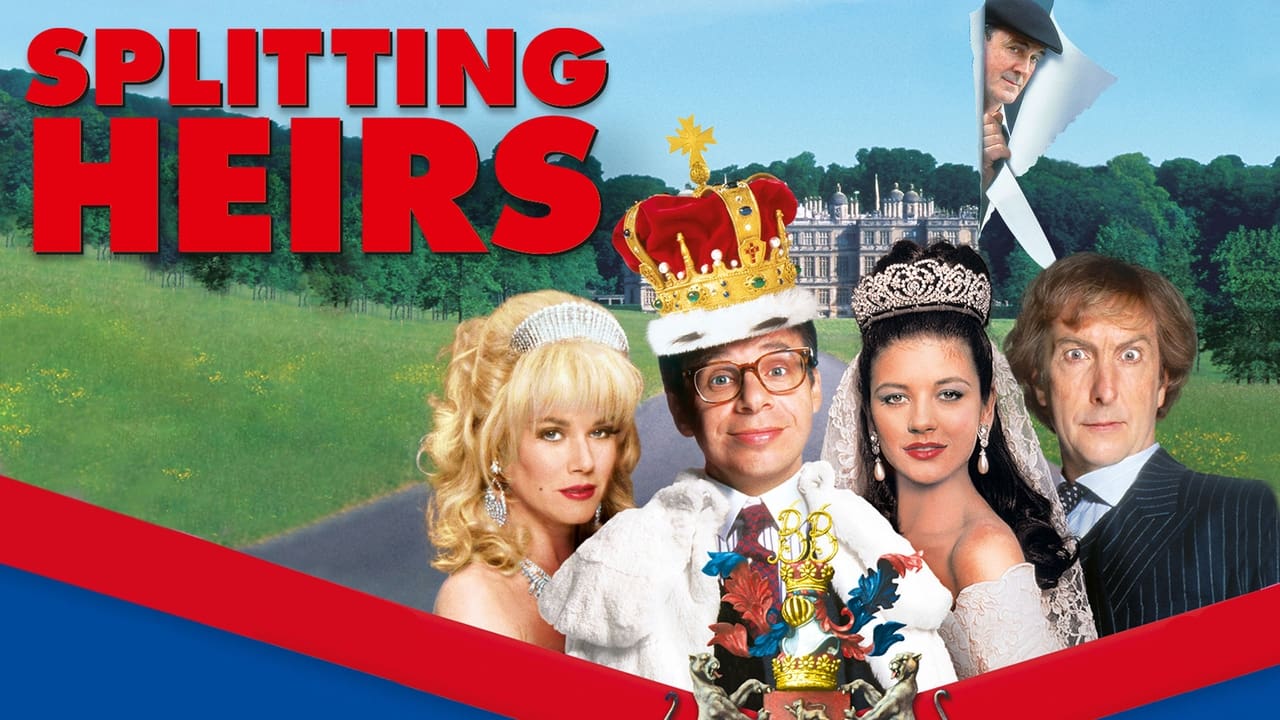
Alright, settle back into that comfy armchair, maybe pop some corn, and let's rewind the tape to 1993. Remember stumbling across Splitting Heirs in the comedy section of the local video palace? The cover promised a madcap British romp, featuring the unmistakable comedic timing of Eric Idle alongside the ever-likable Rick Moranis. It felt like a guaranteed laugh riot, didn't it? What we got was... well, something uniquely of its time, a quirky transatlantic farce that’s definitely worth revisiting, even if it’s more of a peculiar curiosity than a stone-cold classic.
Heir Today, Gone Tomorrow
The premise itself is pure, delightful silliness ripped straight from the pages of classic farce. A mix-up in the swinging sixties leaves the rightful heir to the vast Dukedom of Bournemouth, Tommy Patel (Rick Moranis), growing up a regular bloke in America, completely unaware of his aristocratic lineage. Meanwhile, the wrong baby, Henry Martin (Eric Idle), enjoys a life of pampered privilege as the 15th Duke. When Tommy finally pieces together his true identity and heads to England to reclaim his birthright, Henry, egged on by his scheming mother, the Dowager Duchess (Barbara Hershey), decides that fratricide might be preferable to giving up the ancestral pile. What follows is a series of increasingly elaborate, and increasingly disastrous, attempts on Tommy’s life, all wrapped up in the stiff upper lips and hidden agendas of the British upper crust.
A Transatlantic Comedy Collision

The casting is arguably the film's most intriguing element. Seeing Rick Moranis, the quintessential North American nice guy known for Ghostbusters and Honey, I Shrunk the Kids, dropped into this very British scenario is half the fun. He plays the bewildered, good-natured Tommy with his usual charm, reacting to the absurdity around him much like we might. Eric Idle, pulling double duty as writer and star, leans into the hapless, slightly dim-witted nature of Henry, the accidental Duke who’s perhaps more manipulated than truly malevolent. His script attempts to blend Python-esque absurdity with broader physical comedy, a combination that yields mixed, though often amusing, results.
It's fascinating that Idle wrote this himself, perhaps aiming for the kind of clever, character-driven farce seen in Ealing comedies or even John Cleese's own A Fish Called Wanda (1988). Indeed, seeing Cleese pop up here in a brilliantly deadpan cameo as Henry’s lawyer, "Raoul P. Shadgrind," feels like a direct nod to that comedic heritage. He delivers lines about potential assassination methods with the same dry gravity he might use discussing tax law. Pure gold.
Stately Homes and Bungled Assassinations
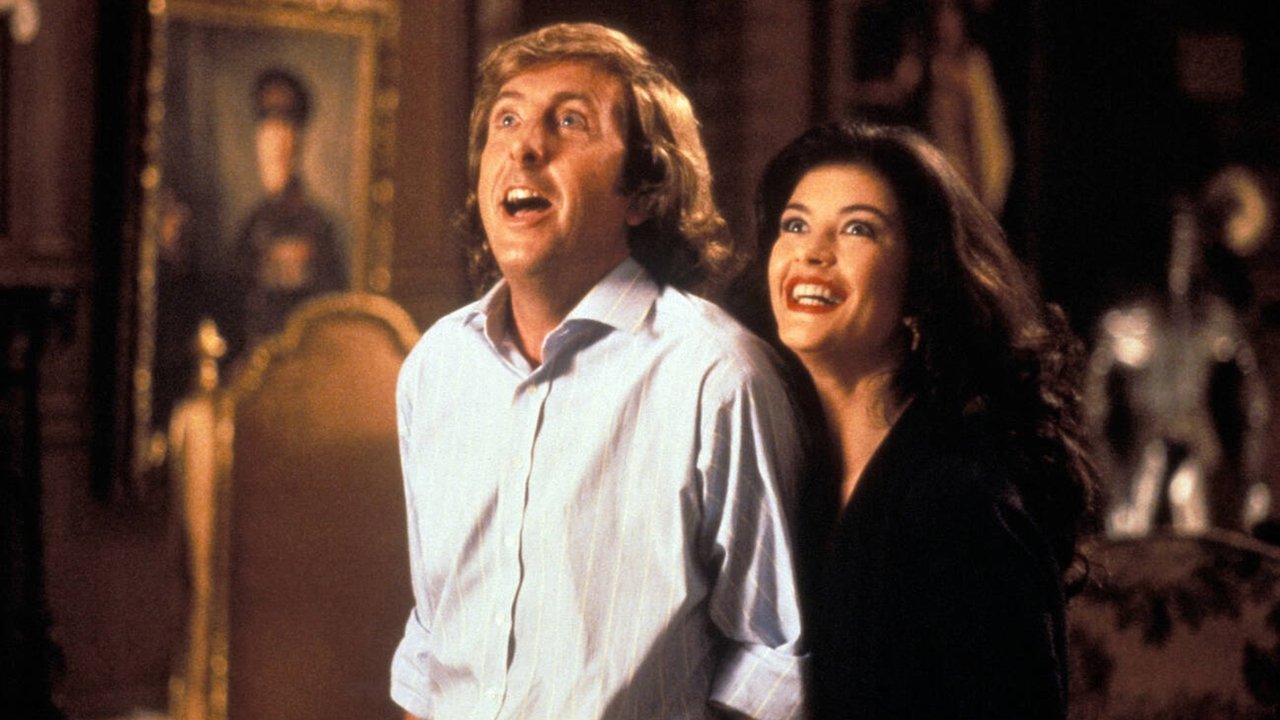
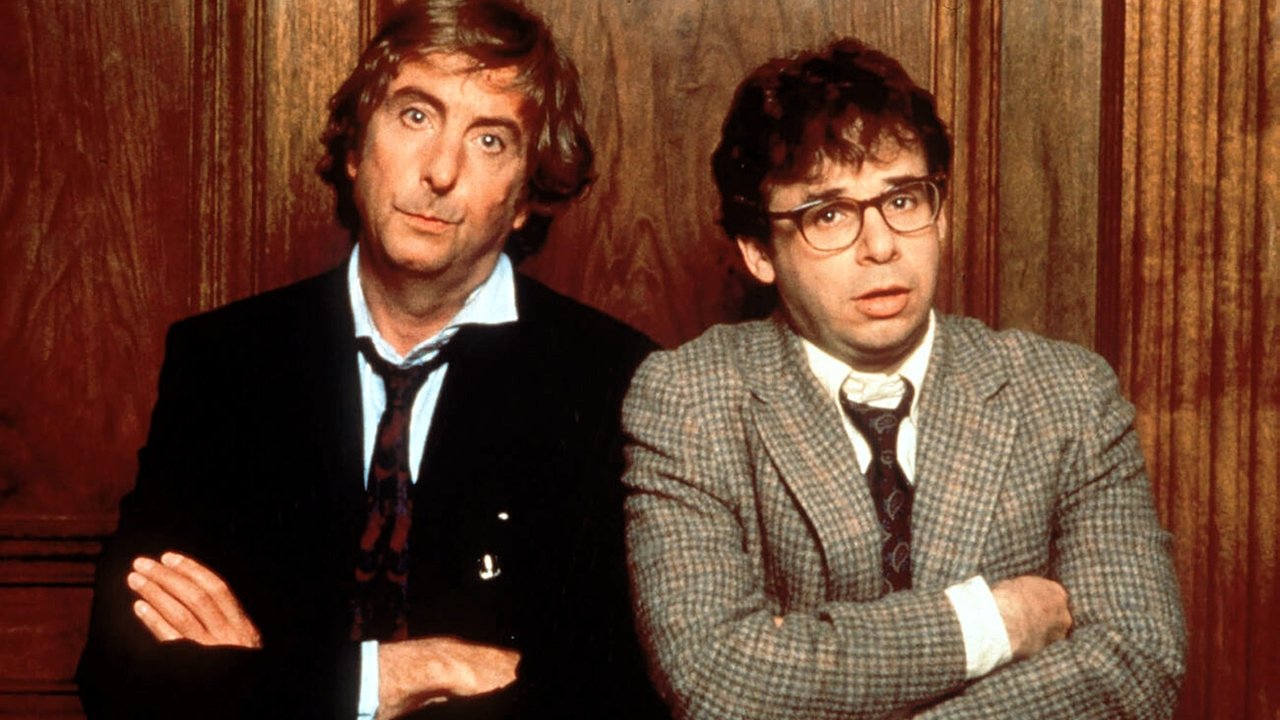
The film makes great use of its setting. Much of the action unfolds at the magnificent Longleat House in Wiltshire, doubling as the fictional Bournemouth estate. Seeing this grand location, familiar from countless period dramas, used as the backdrop for bungled murder plots involving everything from faulty wiring to poisoned pâté adds a layer of visual irony. Director Robert Young, who would later direct Cleese and other Python alums in Fierce Creatures (1997), keeps the pace relatively brisk, leaning into the farcical elements.
Remember the scene with the malfunctioning electric chair hidden in the Duke's favourite armchair? Or the disastrous clay pigeon shoot? There's a certain analogue charm to these sequences. No CGI cleaning things up here – just good old-fashioned timing, props, and performers committing to the gag. It feels tangible in a way modern comedies sometimes miss. We also get Barbara Hershey clearly having a ball as the manipulative Duchess, and a young Catherine Zeta-Jones turning heads as Henry's gold-digging fiancée, showcasing the charisma that would soon make her a major star.
A Cult Oddity, Not a Smash Hit
Let's be honest, Splitting Heirs wasn't exactly a box office sensation. It reportedly grossed just over $3 million in the US, a disappointing return, and critical reviews at the time were largely unkind. It wasn't sharp enough for the hardcore Python crowd, perhaps too British for mainstream American audiences expecting a broader Moranis vehicle, and maybe just a bit too slight overall. Yet, watching it now on a lazy afternoon, there’s an undeniable nostalgic appeal. It feels like a genuine product of the early 90s, caught between different comedic sensibilities.
It lacks the razor-sharp wit of Wanda or the anarchic genius of Python, but it has its own gentle, silly charm. The plot mechanics creak a bit, and some gags definitely land better than others, but the cast is game, and the central idea remains amusing. Finding this tape felt like unearthing a slightly overlooked entry in the filmographies of its beloved stars. It was the kind of movie you rented on a whim, enjoyed for what it was, and then maybe forgot about until you saw it again years later, sparking a fond, fuzzy memory.
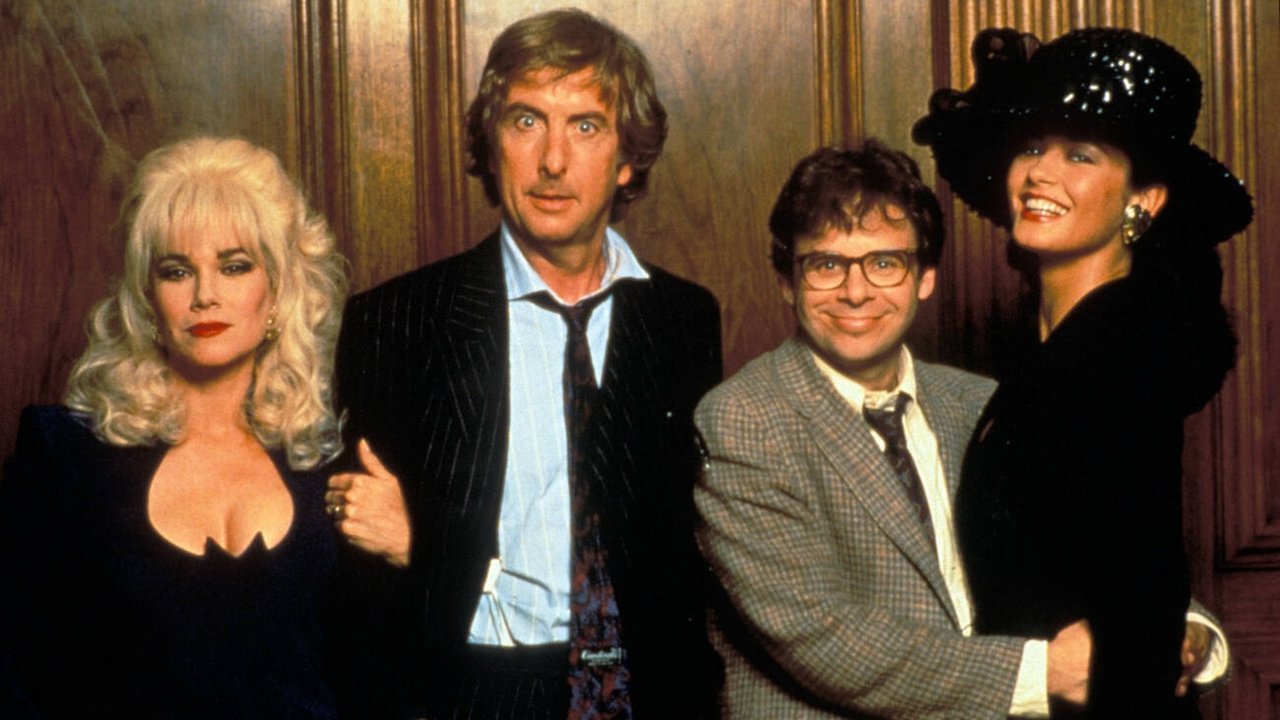
VHS Heaven Rating: 6/10
Why the score? Splitting Heirs earns points for its delightful cast, classic farce premise, and the sheer nostalgic pleasure of seeing Moranis and Idle share the screen in such a distinctly British setting. The Cleese cameo is worth the rental price alone. However, it loses points for its uneven tone, sometimes sluggish pacing, and jokes that don't always hit the mark. It never quite reaches the comedic heights it seems to aspire to.
Final Thought: It might not be comedic royalty, but Splitting Heirs is a perfectly pleasant, slightly eccentric cousin you wouldn't mind bumping into again – a charmingly flawed piece of 90s silliness best enjoyed with modest expectations and a fondness for its stars. A true video store discovery, if not quite a hidden treasure.