Okay, rewind that tape. Hear that satisfying clunk as it slots into the VCR? Let’s talk about a film that probably graced quite a few rental shelves back in the mid-90s, maybe picked up on a whim because, hey, it starred Rick Moranis! I’m talking about 1996's Big Bully, a movie that promised family-friendly laughs but delivered something... else. Something a bit darker, a bit stranger, and honestly, kind of fascinating in its awkwardness.
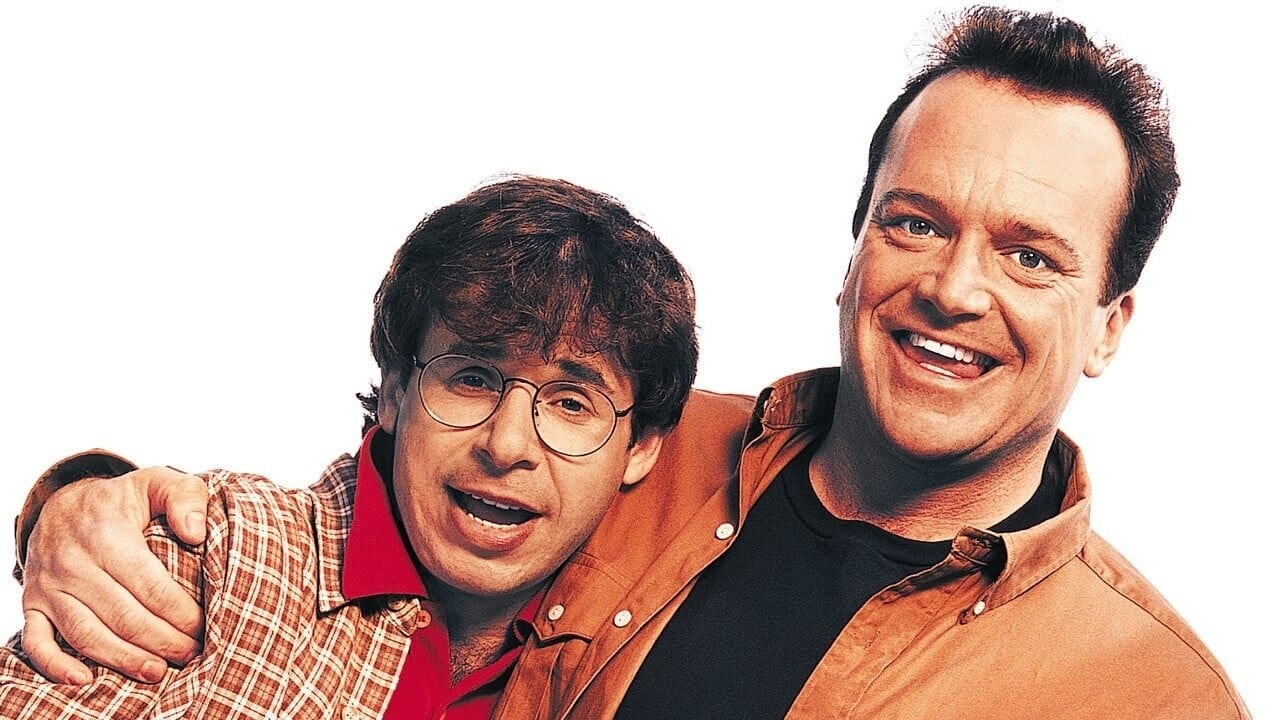
This wasn't your typical lighthearted romp. It felt like someone tried to stuff the lingering trauma of childhood bullying into a script meant for broad, silly gags, and the result is a tonal rollercoaster that’s uniquely... 90s?
### Back to School Blues
The setup is classic revenge-comedy fodder: David Leary (Rick Moranis, forever beloved from Ghostbusters and Honey, I Shrunk the Kids), a successful author haunted by memories of his childhood tormentor, Roscoe "Fang" Bigger (Tom Arnold), returns to his hometown to teach creative writing. Guess who still lives there, works at the school, and hasn't forgotten David either? Yep, it's Fang. What starts as awkward recognition spirals into an escalating, increasingly unhinged war between two grown men acting like vengeful children.
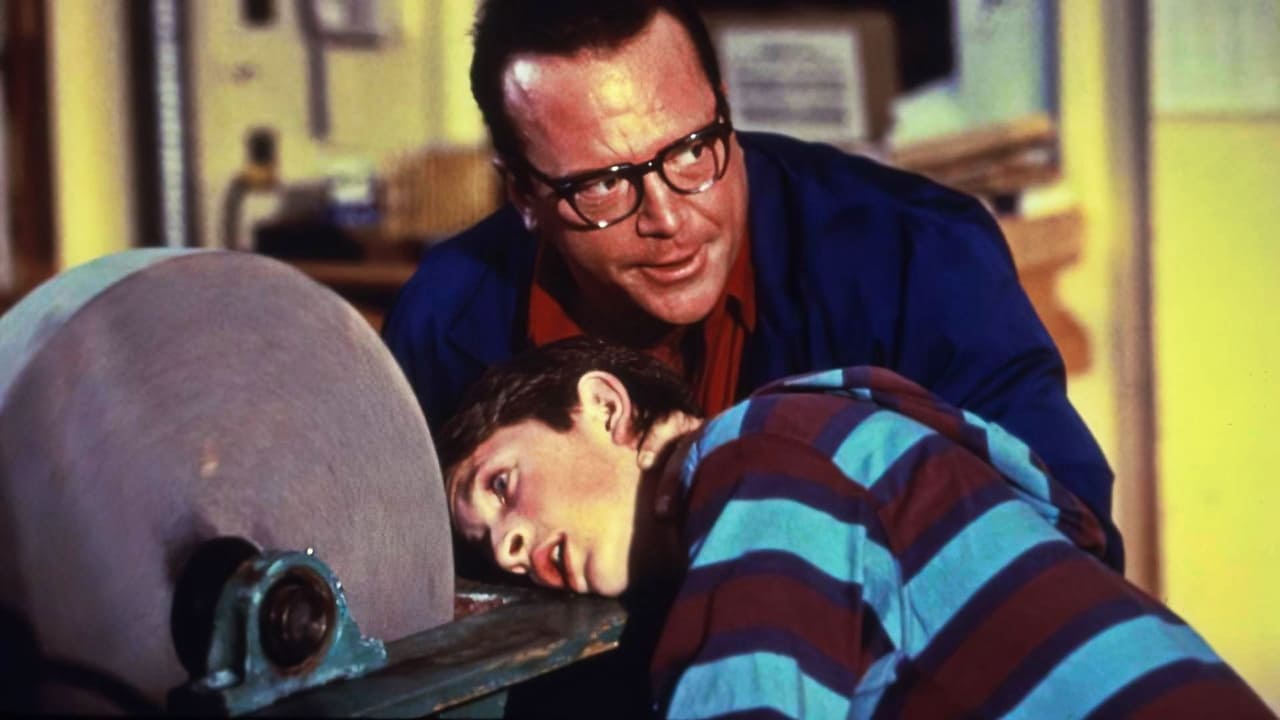
Moranis, in one of his last major film roles before stepping away to focus on his family (a move we can all respect), plays the familiar nebbish, but with a simmering resentment that occasionally boils over. He’s the relatable anchor, the guy we should be rooting for. Opposite him, Tom Arnold, then riding high on his True Lies (1994) fame, dives headfirst into Fang's manic energy. Arnold really commits to the bit, portraying Fang not just as a simple bully, but as a guy whose own life hasn't exactly turned out golden, channeling his frustrations back onto his old target. Their chemistry is… intense, maybe not always comedic 'ha-ha', but definitely watchable in a "what are they going to do next?" kind of way.
### When Slapstick Gets Personal
The comedy here leans heavily into physical confrontations and property destruction. Remember when comedies could have actual, tangible consequences without feeling the need to wink too hard at the camera? The escalating pranks feel weirdly grounded, even as they become absurd. It’s not slick CGI – it’s Moranis looking genuinely stressed navigating a sabotaged classroom, or Arnold physically intimidating him with sheer presence. There's a certain tactile reality to their feud, reminiscent of playground scraps blown up to adult proportions. You feel the impacts, even if they're played for laughs. Was it always funny? Debatable. But it felt physical in a way that stands out now.
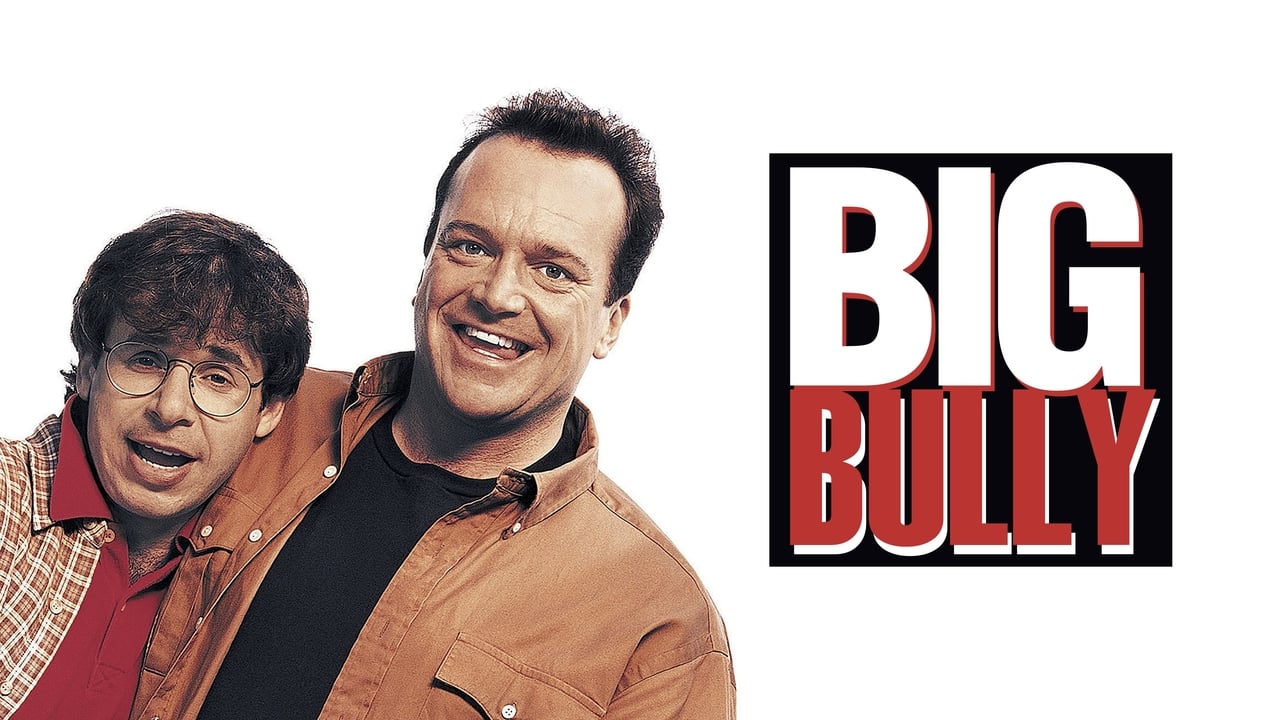
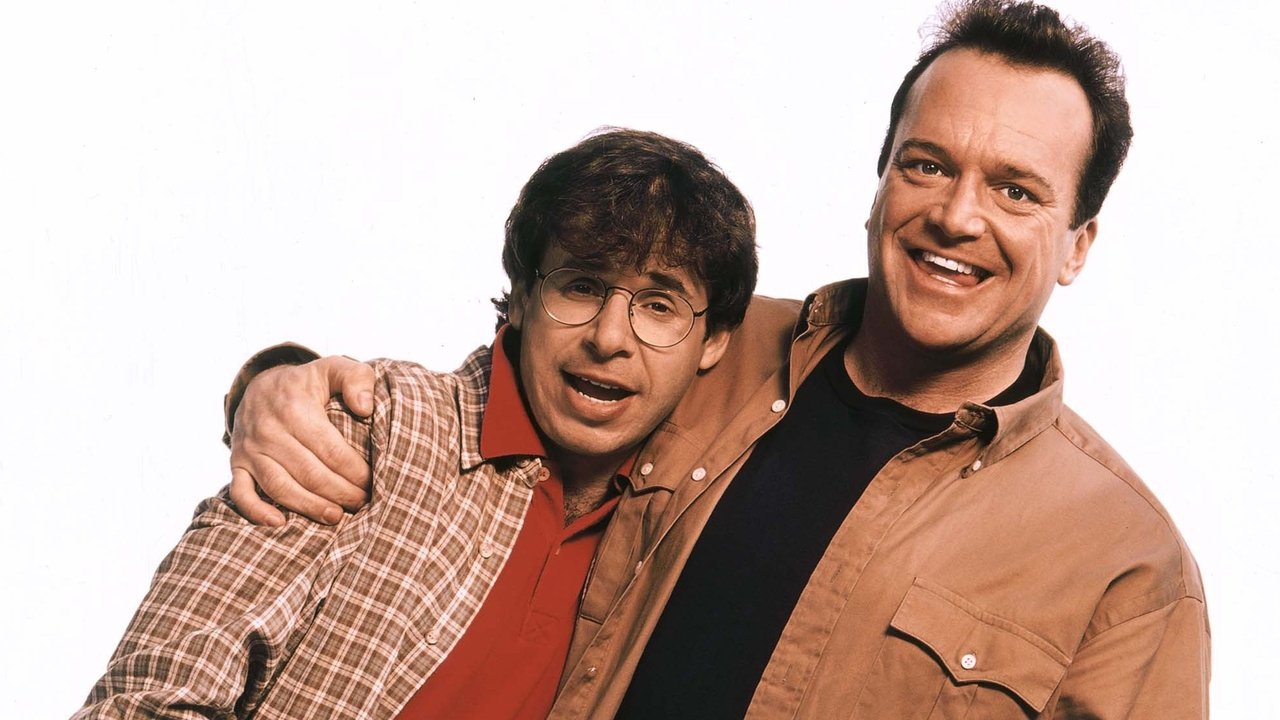
Interestingly, the film was directed by Steve Miner. Yeah, the same Steve Miner who gave us Jason Voorhees finding his stride in Friday the 13th Part 2 (1981) and Part III (1983), plus Halloween H20: 20 Years Later (1998)! Bringing a horror director known for tension and visceral shocks into a family comedy project? It certainly explains some of the film's darker, more aggressive undertones. It feels like Miner is trying to find the menace within the mundane, which sometimes clashes violently with the script's goofier moments.
### That Awkward Phase
Speaking of the script, it was penned by Mark Steven Johnson, who would later go on to direct comic book adaptations like Daredevil (2003) and Ghost Rider (2007). You can almost see the seeds of exploring damaged characters here, but maybe the comedic container wasn't quite the right fit. Big Bully tries to tackle genuine themes – the long shadow of childhood trauma, cycles of abuse, the way the past shapes us – but it often fumbles the execution, veering wildly between uncomfortable psychodrama and scenes involving, say, projectile Hostess Sno Balls.
Here's a Retro Fun Fact that puts things in perspective: Big Bully was filmed largely in Vancouver, BC (a classic 90s movie move!), but it sadly tanked at the box office. On a reported budget of $15 million, it pulled in just over $2 million domestically. Ouch. Audiences and critics at the time were largely baffled or unimpressed, and it quickly faded into the "Remember that weird movie with Rick Moranis and Tom Arnold?" category. It wasn't exactly a high note to go out on for Moranis, though his departure from acting was for personal reasons, not because of this film's reception.
The supporting cast, including Julianne Phillips as David's former flame and Carol Kane and Jeffrey Tambor as fellow teachers, do their best, but they often feel like bystanders watching a slow-motion train wreck between the two leads.
### So, Does It Still Pack a Punch?
Watching Big Bully today is like excavating a peculiar time capsule. It’s a testament to a period where studios weren't quite sure how to blend darker themes with broad comedy, resulting in fascinatingly uneven films. It’s not a forgotten classic, nor is it conventionally "good" by most metrics. The tone is all over the place, some jokes land with a thud, and the premise itself feels inherently uncomfortable if you think about it too much.
And yet... there's something compelling about its earnest strangeness. Moranis and Arnold commit fully, the direction has flashes of unexpected intensity, and it captures a certain mid-90s aesthetic – the fashion, the school environments, the sheer lack of irony in moments that probably needed it. I remember renting this one, probably drawn in by Moranis, and being vaguely perplexed but unable to look away. It stuck with me, maybe not for the right reasons, but it stuck.
---
VHS Heaven Rating: 4/10
Justification: The rating reflects the film's undeniable flaws – its tonal inconsistency, weak box office performance, and overall awkwardness. However, it avoids a lower score due to the committed performances (Moranis's last major role adds poignancy, Arnold's manic energy is something to behold), the nostalgic value of its specific mid-90s vibe, and its sheer oddity as a studio comedy attempting dark themes. It’s a fascinating failure rather than just a boring one.
Final Thought: Big Bully is like finding that one tape at the back of the box with a slightly unsettling cover – maybe not destined for frequent rewatches, but a weirdly memorable artifact of 90s comedy trying (and mostly failing) to grow up.