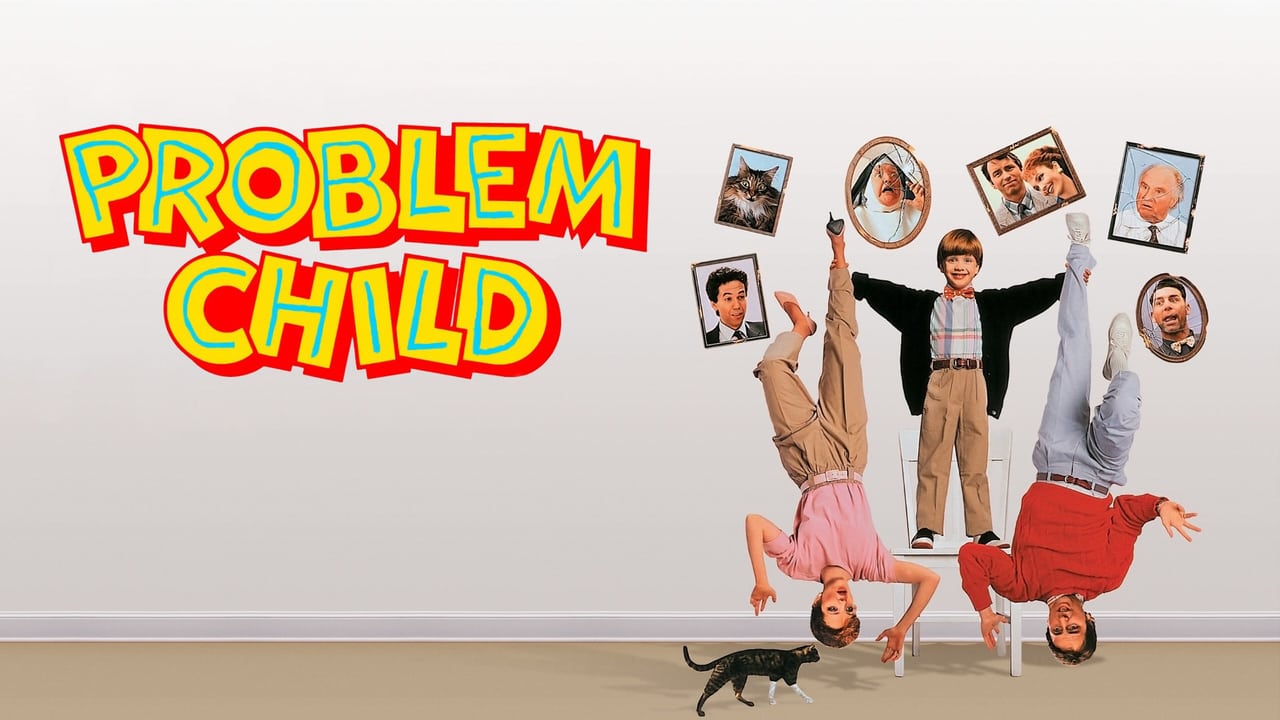
Alright, settle back into that worn spot on the couch, maybe grab a Jolt Cola if you can find one, because we're diving into a film that landed like a tiny, bow-tie-wearing grenade in the middle of the wholesome family movie landscape of 1990: Problem Child. Forget gentle hijinks; this flick, directed by Dennis Dugan (who’d later helm many Adam Sandler hits), gleefully embraced chaos and a mean streak that felt almost revolutionary – or maybe just plain wrong – when you first slid that tape into the VCR.

Remember seeing that poster? The angelic-looking kid, Michael Oliver, photoshopped with devil horns and a mischievous glint? That image perfectly captured the film’s bait-and-switch. You thought you were getting a cheeky kids' movie, but what unwound on that fuzzy CRT screen was something darker, weirder, and frankly, way funnier for anyone with a slightly warped sense of humor. It’s the story of Ben Healy (John Ritter, absolutely perfect), a genuinely sweet guy desperate for a child, who adopts seven-year-old Junior. Little does he know, Junior isn't just mischievous; he's a pint-sized agent of pure pandemonium, returned to the orphanage thirty times and leaving a trail of destruction that includes nuns, Little League games, and fragile family heirlooms.
The Anarchy Engine
What makes Problem Child stick in the memory isn't just the premise, it's the execution. The film operates on a logic of pure escalation. Junior sets fire to his bedroom? Check. Causes a massive pile-up at a baseball game with strategically placed rocks? Naturally. Ruins a camping trip with a bear and strategically deployed stink bombs? Of course! These weren't just jokes; they were elaborate setups often relying on good old-fashioned practical effects and stunt work that felt genuinely unhinged for a "kids'" movie. Think about that birthday party scene – the sheer bedlam, the projectile vomiting clown, the exploding cake – it’s pure slapstick mayhem cranked up to eleven, staged with a physical commitment that feels miles away from today's digitally smoothed-out chaos. You felt the impact, even through the tracking lines on your tape.
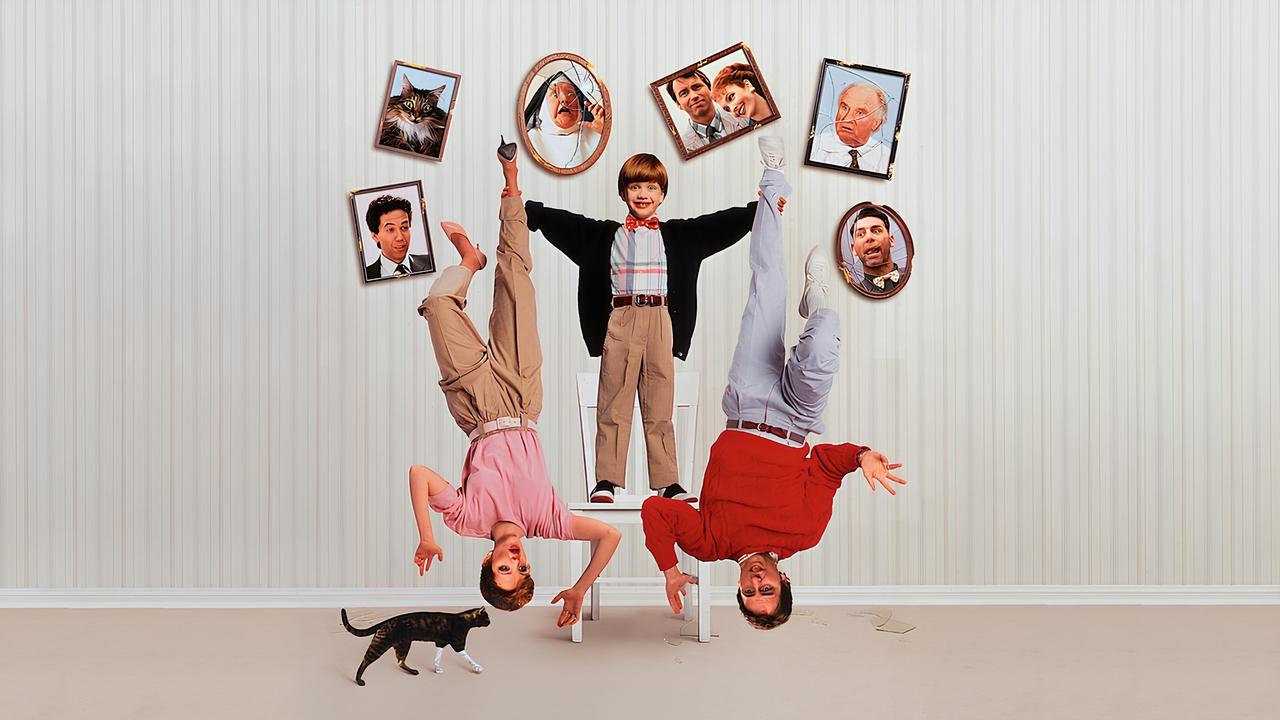
It’s fascinating to know that the script, penned by Scott Alexander and Larry Karaszewski (who would later write much more prestigious biopics like Ed Wood and Man on the Moon – talk about range!), was loosely inspired by a real, and rather grim, 1988 LA Times article about a couple struggling with a deeply troubled adopted child. The film obviously twists that into farce, but knowing the kernel of reality adds another layer to its dark comedy. Universal Pictures reportedly had a tough time marketing it, initially trying to sell it as straightforward family fun, which led to some shocked parents and scathing reviews from critics who just didn't get the joke (or actively disliked it).
Ritter's Reaction is Everything
While Michael Oliver became instantly iconic as the deadpan little terror (apparently chosen from thousands partly for his ability to stare blankly after causing chaos), the movie truly hinges on John Ritter. His performance as Ben Healy is a masterclass in comedic desperation. He’s not just a foil; he’s the relatable heart of the film. You see his hope, his denial, his slow descent into exhausted acceptance, and finally, his strange, unwavering love for this destructive force he brought into his life. Ritter’s physical comedy and exasperated line deliveries are gold. Remember his face when Junior hands him the bill for the fire damage? Priceless. He grounds the absurdity, making the audience root for him even as his life unravels spectacularly.
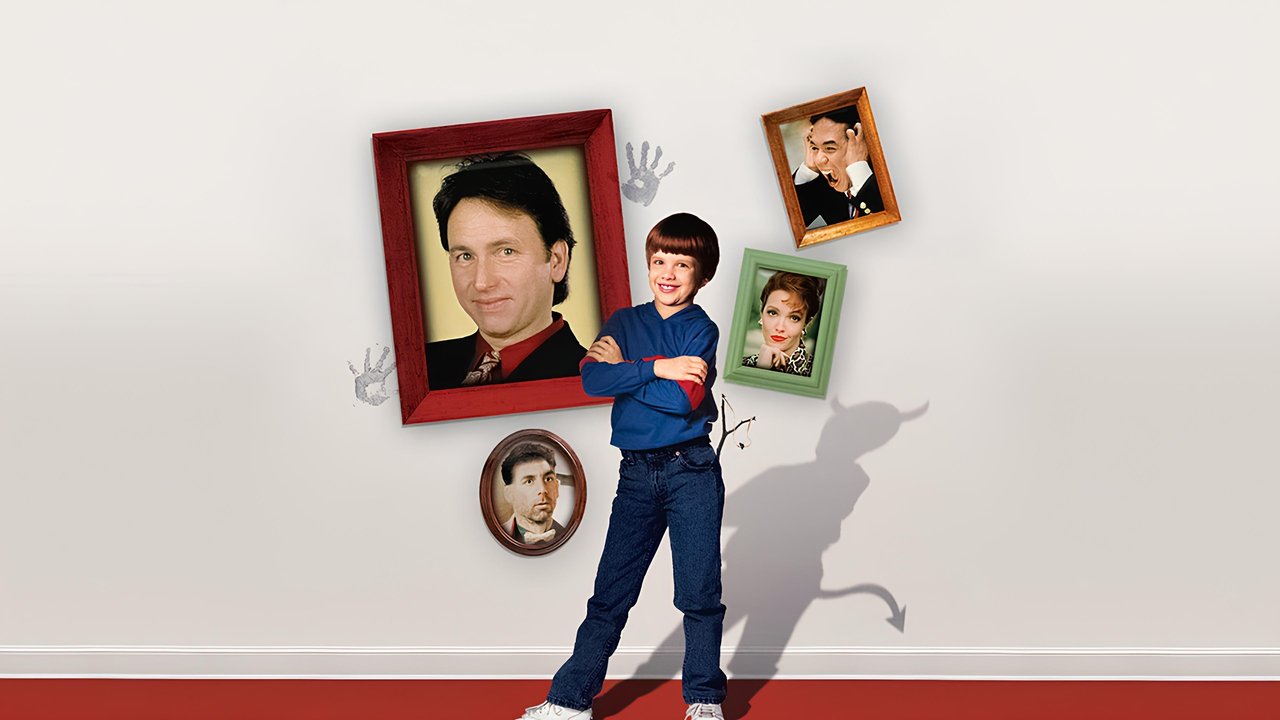
And let's not forget the supporting cast! Jack Warden is reliably crusty and hilarious as Ben's bullying, self-obsessed father, "Big Ben" Healy, a mail-order tycoon who despises Junior. And who could forget Gilbert Gottfried stealing scenes as Mr. Peabody, the perpetually apoplectic adoption agent? His screeching delivery is peak Gottfried. Amy Yasbeck (who would later marry Ritter in real life) also makes an impression as Ben’s social-climbing, utterly awful wife, Flo.
More Than Just Mean-Spirited?
Okay, let's be real. Problem Child is mean. Junior's antics often target innocent bystanders, animals, and anyone who slightly inconveniences him. The humor pushes boundaries, especially viewed through today’s lens. But beneath the surface-level shock value, there’s a weirdly resonant theme about unconditional love and finding connection in unexpected, even destructive, places. Ben chooses to love Junior, despite everything, recognizing a fellow outcast. It’s twisted, sure, but there's an odd sweetness buried under the rubble.
The film was a surprise hit, grossing over $53 million domestically against a $10 million budget, proving audiences were hungry for something edgier than the usual family fare. This success, despite critical drubbing, led to Problem Child 2 (which brought back most of the main cast and somehow felt even more chaotic) and a less-remembered TV movie and animated series. Apparently, the original cut of the first film was even darker, but negative test audience reactions led Universal to soften Junior slightly and add the voiceover narration to make him a tad more sympathetic. Imagine that!
Watching it now takes you right back to that feeling of discovering something slightly forbidden on the video store shelf. It’s undeniably dated in places, and the humor won't land for everyone, but its anarchic energy and John Ritter's brilliant performance still shine through the static.
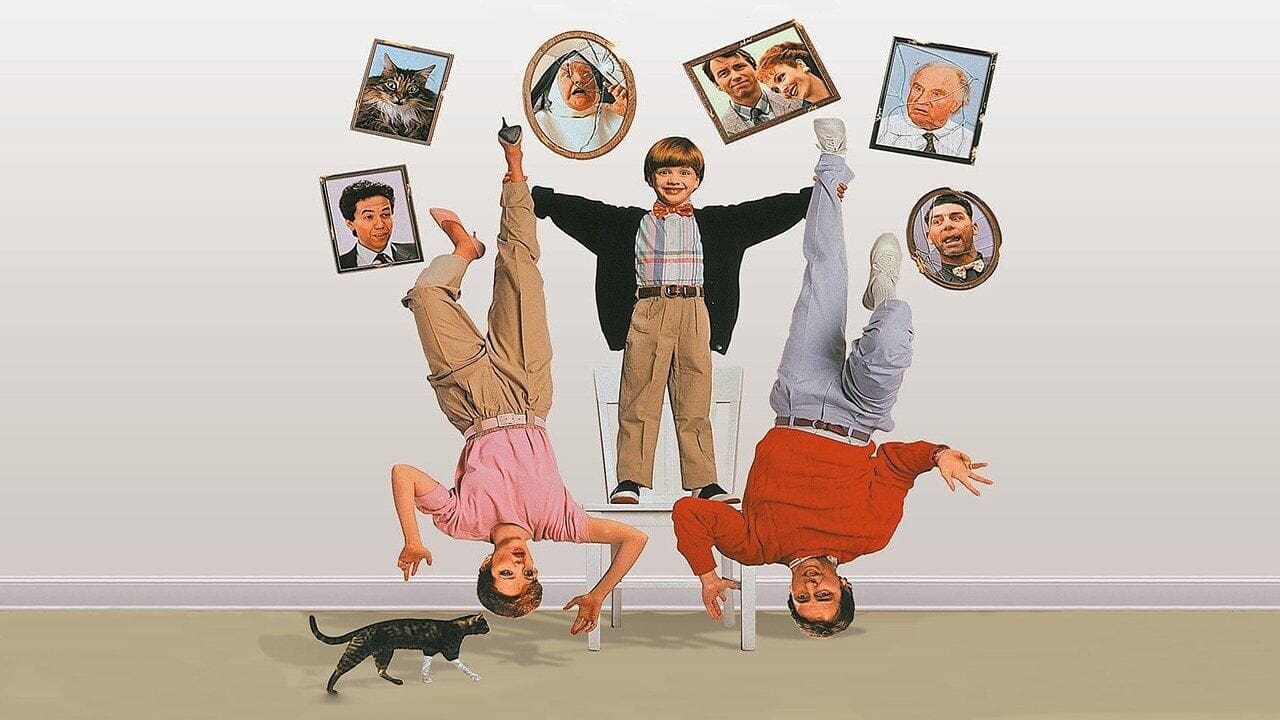
Rating: 7/10
Justification: It earns a solid 7 for its sheer audacity in 1990, John Ritter's comedic genius, its memorable practical gags, and its enduring status as a slightly toxic but undeniably watchable cult classic. It loses points for its uneven tone and mean streak that sometimes crosses the line, but its nostalgic pull and boundary-pushing (for its time) humor keep it firmly lodged in VHS Heaven.
Final Thought: Problem Child is the cinematic equivalent of finding fireworks in your wholesome cereal box – shocking, probably ill-advised, but undeniably memorable and a testament to when "family films" dared to have real, sharp little teeth.