### Gearing Up for Midnight Ops

There's a certain grainy thrill that comes embedded in the magnetic tape of action films from the turn of the 90s. It’s a specific flavor – part Cold War hangover, part Gulf War prelude, all high-tech swagger and explosive catharsis. And few films tried to bottle that lightning quite like 1990’s Navy SEALs. Forget the nuanced geopolitical thrillers that would follow; this was about the door-kickers, the guys with the cool gear emerging silently from the water, ready to dispense extreme prejudice against cartoonishly evil terrorists. Watching it again now, that initial feeling returns – maybe not quite dread, but the undeniable tension of a mission about to go hot.
### Boots on the Ground
Directed by Lewis Teague, who had already proven his mettle with creature features (Cujo, Alligator) and adventure romps (The Jewel of the Nile), Navy SEALs dives headfirst into the then-shadowy world of America’s elite sea, air, and land teams. The plot is pure 90s action template: a team of Navy SEALs, led by the pragmatic Lt. James Curran (Michael Biehn, bringing his signature weary intensity honed in films like The Terminator and Aliens), must recover stolen Stinger missiles from Middle Eastern terrorists. The wildcard in his unit is Lt. Dale Hawkins (Charlie Sheen, fresh off Platoon and Wall Street but leaning hard into his burgeoning maverick persona), a hotshot who’s as likely to crack a joke mid-firefight as he is to disobey a direct order. Adding a touch of journalistic intrigue (and frankly, often feeling slightly shoehorned in) is Claire Varrens (Joanne Whalley), a reporter with connections who gets entangled with the team.

The setup is simple, almost rudimentary, serving primarily as a framework to hang a series of increasingly elaborate action set pieces upon. From extracting downed airmen to infiltrating enemy strongholds, the film aims to showcase the diverse skillset and cutting-edge (for 1990) technology employed by the SEALs. Does it always succeed? Well, let's just say dramatic license gets deployed as liberally as blank ammunition.
### The Real Deal vs. Reel Deal
One of the most fascinating aspects, looking back, is the involvement of Chuck Pfarrer, credited with the story and as co-writer. Pfarrer wasn't just some Hollywood screenwriter; he was a former Navy SEAL team leader himself. You'd expect a level of gritty realism, and perhaps it's there in the details – the way they handle weapons, the terminology, the focus on teamwork (when Hawkins isn't going rogue). However, the film often veers into pure Hollywood fantasy. The Department of Defense was reportedly quite reluctant to cooperate initially, wary of revealing too much about SEAL operations. Their eventual support lent the production access to hardware and locations, but it feels like the Pentagon's gain was authenticity's loss, sanding off the rough edges for a more recruitment-poster feel. Pfarrer himself later expressed dissatisfaction with the final product, feeling the studio pushed it towards more generic action tropes. It's a classic Hollywood tale: the expert brought in for realism watches as his experience is filtered through the blockbuster machine.

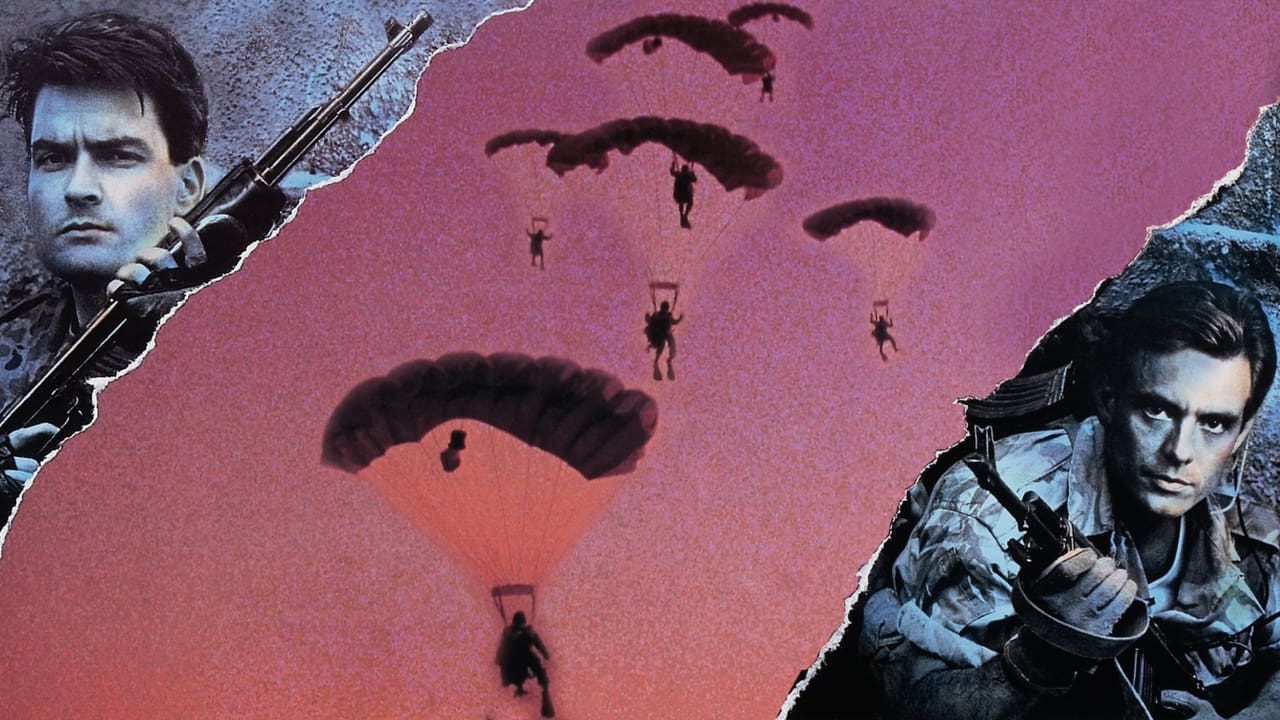
Still, there’s an undeniable thrill in watching the practical effects and stunt work. Remember seeing those underwater propulsion units glide through the murky depths on your CRT TV? Back then, it felt incredibly high-tech and dangerous. The firefights are loud and chaotic, punctuated by explosions that feel satisfyingly tangible compared to today's often weightless CGI. Teague orchestrates these sequences with competent flair, even if the overall narrative structure feels episodic – mission, brief downtime, next mission. One memorable sequence involving a golf course rescue definitely stretches credulity, but it's executed with a certain gung-ho energy that's hard to completely dislike. It cost Orion Pictures around $21 million to make, pulling in just under $25 million domestically – not exactly a blockbuster, but enough to find a solid life on home video, becoming a perennial favorite in rental stores everywhere.
### Sheen vs. Biehn: A Clash of Styles
The dynamic between Sheen and Biehn is central to the film's appeal, such as it is. Sheen’s Hawkins is cocky, undisciplined, and often reckless – the quintessential movie hotshot. Biehn’s Curran is the stoic, burdened leader, constantly trying to rein him in. It’s a familiar archetype, but the actors commit. Biehn, especially, radiates a quiet command, making you believe he could lead these men, even when the script gives him lines that feel pulled from a G.I. Joe playset. Sheen, well, he’s peak Charlie Sheen here – energetic, charismatic, and seemingly having a blast playing soldier. Their friction provides most of the film's non-explosive drama, though it rarely delves deeper than surface-level conflict. Joanne Whalley does her best with a somewhat thankless role, mostly serving as an exposition device and a potential romantic interest that never quite sparks.
### Legacy on Magnetic Tape
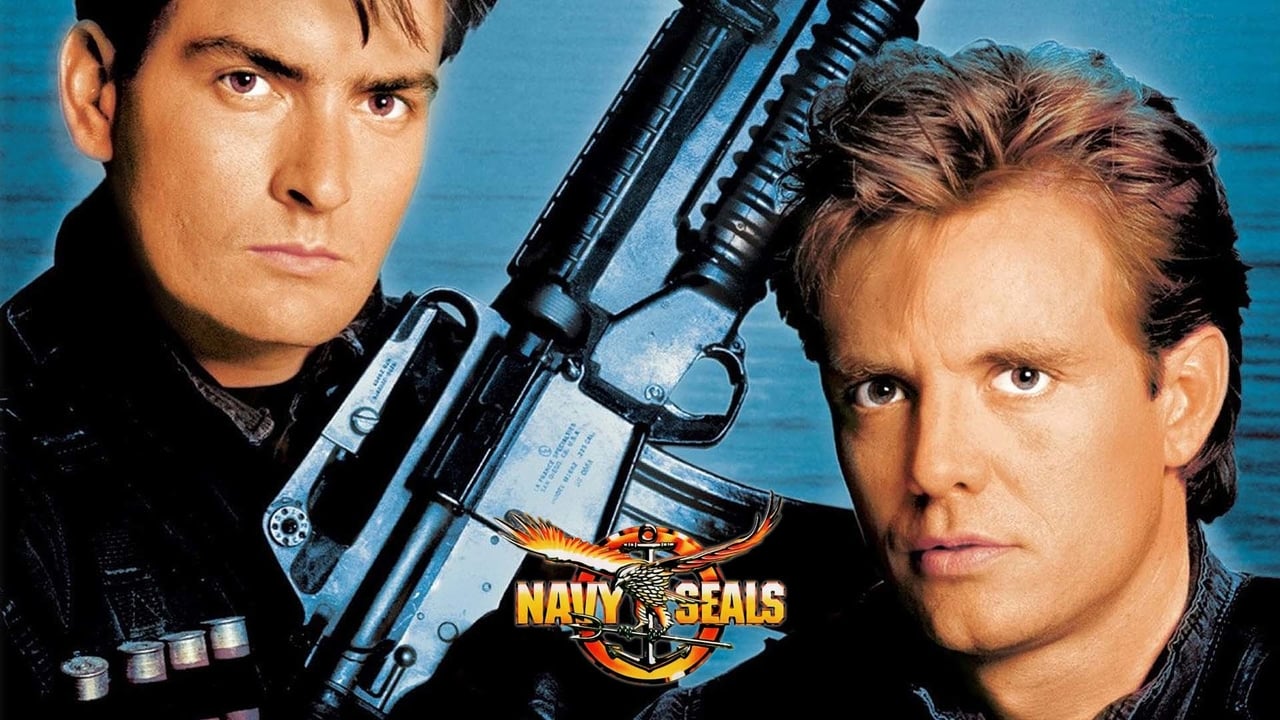
Navy SEALs isn't a masterpiece of the action genre. Its plot is thin, its characters are archetypes, and its politics are unapologetically jingoistic in that specific late-80s/early-90s way. There’s a certain earnestness, though, a commitment to delivering straightforward action thrills wrapped in the mystique of elite special forces. For many of us prowling the aisles of Blockbuster or Hollywood Video back in the day, the cool cover art featuring guys in scuba gear and weaponry was an irresistible draw. It promised excitement, and in its own B-movie way, it delivered. It tapped into that fascination with clandestine operations and guys who could handle any situation, no matter how explosive. Did it accurately portray the life of a Navy SEAL? Almost certainly not. Did it make for a fun Friday night rental with a bowl of popcorn? Absolutely.
It’s a film that exists perfectly in its era – a time capsule of action filmmaking before the slickness of the later 90s and the post-9/11 shift in tone took hold. It’s loud, a bit dumb, but undeniably entertaining if you approach it with the right mindset – remembering the thrill it gave you then, perhaps chuckling at the more dated elements now.
Rating: 6/10
Justification: The rating reflects the film's competent action sequences, the solid (if stereotypical) performances from Biehn and Sheen, and its undeniable nostalgic pull as a quintessential early 90s military action flick. It loses points for its thin plot, underdeveloped characters outside the leads, occasionally clunky dialogue, and a sense of generic formula adherence despite Pfarrer's insider background. It delivers on the basic promise of explosive action, but rarely transcends its B-movie roots.
Final Thought: Navy SEALs might not be high art, but it's a perfect slice of VHS-era action comfort food – best enjoyed late at night, volume up, critical thinking mostly disengaged. Hoo-yah?