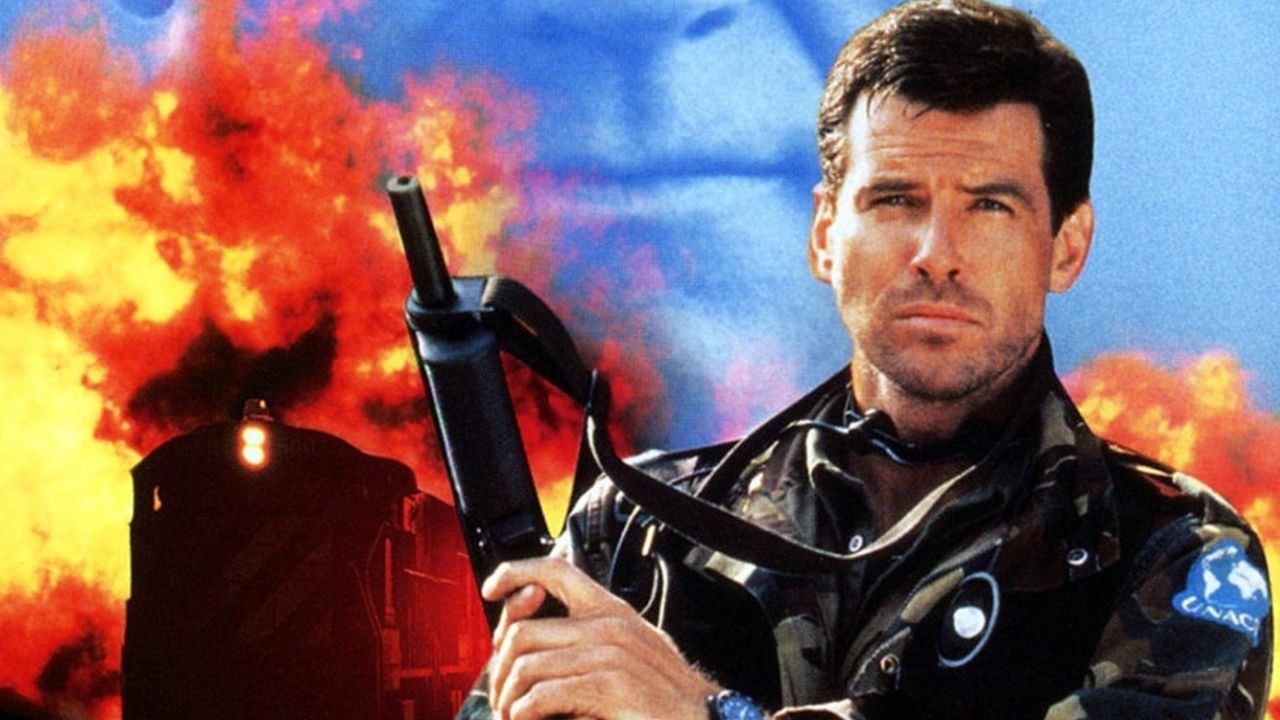
The cold steel rails sing a prelude to disaster. Not the mournful whistle of a midnight passenger line, but the urgent, terrifying rhythm of something unstoppable hurtling towards catastrophe. That's the immediate dread that grips you in Death Train (also known as Detonator), a 1993 made-for-TV thriller that weaponizes the familiar comfort of railway travel into a vessel of pure, high-stakes tension. Forget shadowy ghosts; the chill here comes from the chillingly plausible – a stolen nuclear weapon aboard a speeding locomotive, a countdown clock ticking away across the European landscape.
Collision Course with Terror
Based on a novel by the master of tightly-plotted suspense, Alistair MacLean (whose name alone guaranteed a certain level of intricate plotting, think Where Eagles Dare or The Guns of Navarone), the premise is brutally effective. A rogue Russian general, disillusioned and greedy, orchestrates the theft of two atomic bombs, planning to sell them to Iraq. His chosen transport? A heavily modified freight train thundering across Europe. Enter the United Nations Anti-Crime Organisation (UNACO), led by the sharp, determined Mike Graham (Pierce Brosnan), tasked with stopping the train before it reaches its destination, or worse, detonates its payload. It’s a race against time, confined to the claustrophobic corridors and speeding carriages of the titular train, a scenario MacLean specialized in. David S. Jackson adapted MacLean's story for the screen, helmed by director David Jackson (no relation, known for numerous TV movies and series episodes).
Stars Aligning for Action

What truly elevated Death Train above typical TV movie fare back in '93 was its cast. Pierce Brosnan, just two years shy of inheriting the Walther PPK as James Bond in GoldenEye (1995), radiates the suave intensity and action-hero readiness that would soon make him a global superstar. Seeing him here, lean and focused as UNACO agent Graham, feels like watching potential energy about to spectacularly convert to kinetic. It’s fascinating to revisit, knowing the cinematic explosion that was just around the corner for him after years of TV work like Remington Steele and near-misses with the Bond role itself in the late 80s.
And then there's Patrick Stewart. Deep into his iconic run as Captain Jean-Luc Picard on Star Trek: The Next Generation, Stewart brings instant gravitas and commanding presence as Malcolm Philpott, the mastermind behind the mercenary operation hijacking the train. It's always a thrill seeing Stewart play against type, channeling cold ruthlessness instead of Starfleet nobility. His verbal sparring matches with Brosnan crackle with understated menace. Rounding out the main UNACO team is Alexandra Paul, familiar to many from Baywatch, lending capable support as Sabrina Carver.
Tracking the Tension
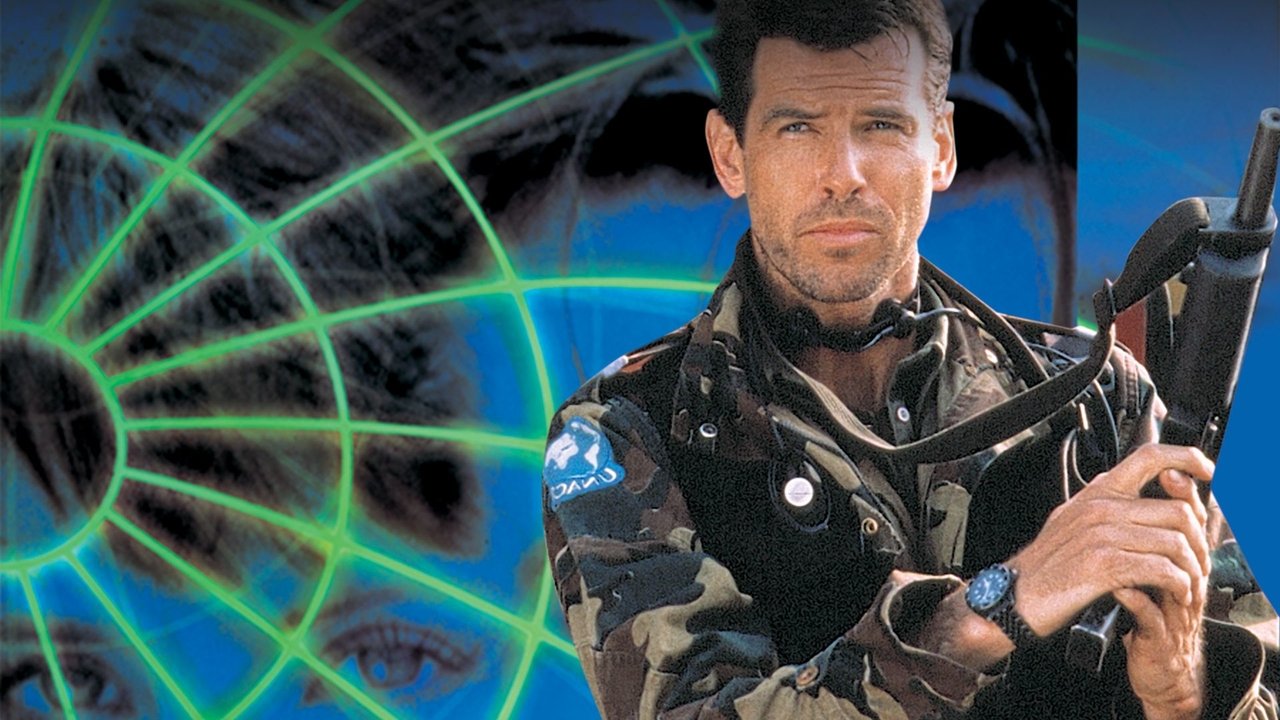
For a television production, Death Train punches above its weight in delivering suspense. While you won't find Michael Bay levels of explosive mayhem, the action feels grounded and practical, focusing on infiltration, close-quarters combat within the train cars, and the relentless forward momentum of their steel prison. The European locations, primarily filmed in Slovenia and Croatia, add a distinct, slightly gritty flavor that differentiates it from Hollywood gloss. There’s a palpable sense of vulnerability – these aren't superheroes, but skilled operatives facing overwhelming odds in a confined, constantly moving battlefield. Reportedly, the logistics of filming complex action sequences on and around moving trains presented significant challenges, requiring careful choreography and coordination, especially on a TV budget (estimated around $5-6 million, substantial for TV then, but lean for a feature). Doesn't that shot of the helicopter attempting to deploy troops onto the speeding train still feel genuinely precarious?
A Relic of its Time?
Watching Death Train today inevitably highlights its origins. The geopolitical landscape feels distinctly early 90s, caught in the immediate aftermath of the Cold War's thaw but before the full complexities of the modern era emerged. Some of the tech might look quaint, and the pacing occasionally betrays its television roots. Yet, the core tension remains surprisingly effective. The practical stunts and the sheer imposing presence of the locomotive itself lend a weight often missing from more CGI-reliant modern thrillers. My own battered VHS copy, rented countless times from the local video store, certainly got a workout. There was something undeniably gripping about this kind of grounded, high-stakes Euro-thriller that felt sophisticated for TV at the time.
The film was successful enough to spawn a sequel, Detonator II: Night Watch (1995), also starring Brosnan and based on another MacLean story outline, rushed into production to capitalize on Brosnan’s imminent Bond debut.
Final Stop
Death Train is a solid, well-crafted 90s action thriller that delivers exactly what it promises: suspense, decent action, and the undeniable star power of Brosnan and Stewart facing off. It might not be a forgotten masterpiece, but it's a compelling example of the high-quality entertainment television could produce in the era, and a fascinating showcase for its leads at pivotal career moments. It captures that specific thrill of a MacLean plot – intricate, relentless, and focused.
Rating: 6.5/10
Justification: The rating reflects a competently made and engaging TV thriller elevated significantly by its star cast and classic premise. It delivers effective tension and serviceable action within its budget constraints. While dated in some aspects and lacking the polish of a theatrical feature, its core strengths – particularly Brosnan and Stewart – and the inherent drama of the scenario make it a worthwhile watch for fans of 90s action and straightforward suspense storytelling. It's a strong example of the genre for its format and time.
For those hunting through the digital crates or dusty VHS shelves, Death Train offers a satisfying jolt of 90s thriller nostalgia, a reminder of a time when a speeding train carrying nuclear weapons felt like the peak of cinematic peril.