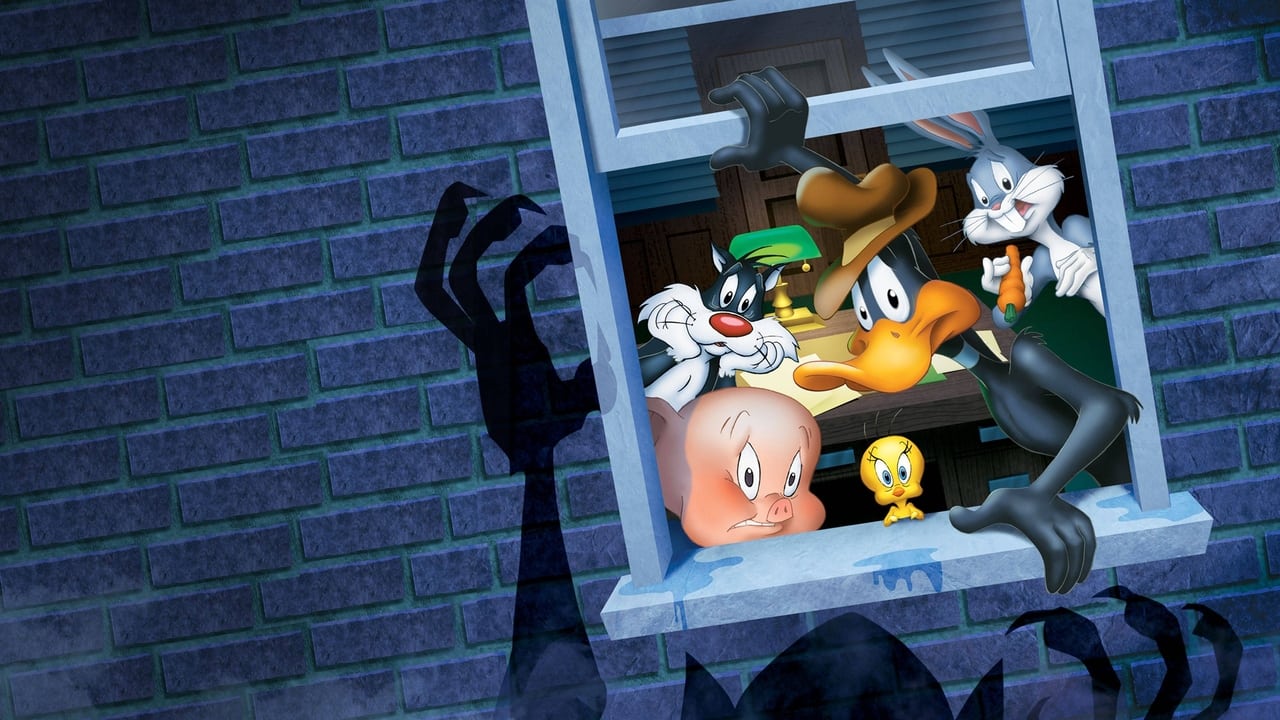
It’s a premise almost too perfect, really: Daffy Duck, arguably Warner Bros. Animation's most enduringly greedy, egomaniacal, and hilariously insecure character, inherits a fortune... with a catch. He has to use the million dollars left by unseen benefactor J.P. Cubish for the public good, promising honesty and decency. Naturally, Daffy twists this into founding a paranormal investigation agency, figuring chasing spooks is the closest he can get to "good" without actually being, well, good. Thus began Daffy Duck's Quackbusters, hitting screens (and soon after, video store shelves) in 1988, offering a delightful blast of classic Looney Tunes mayhem wrapped in a clever new package.
Who You Gonna Call? Daffy, Apparently.
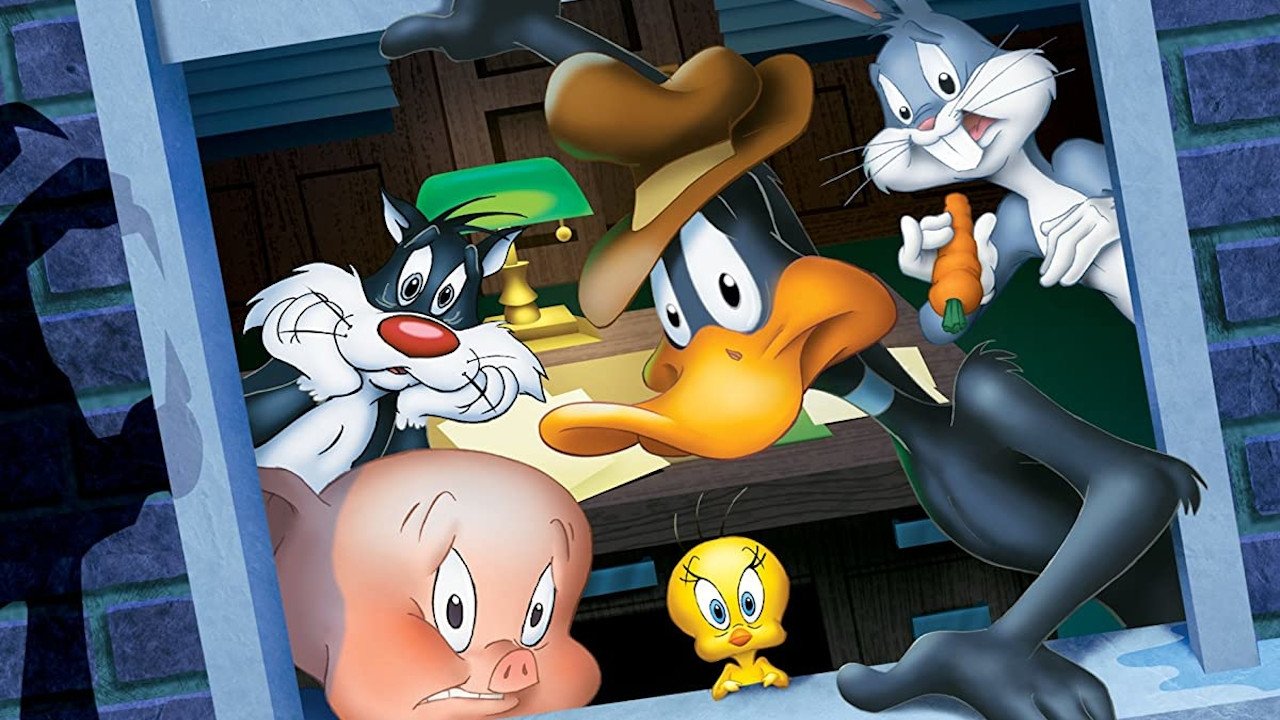
Directed by animation historians and filmmakers Greg Ford and Terry Lennon, who also co-wrote with John W. Dunn, Quackbusters wasn't just a random collection of shorts. It employed newly created animation to weave a narrative thread around Daffy's ghost-hunting enterprise. He ropes in Porky Pig (naturally plagued by spectral shenanigans at home) and a perpetually hungry Sylvester (battling a diminutive, yet surprisingly formidable, ghost mouse in their office). Bugs Bunny hangs around, mostly to mock Daffy's inevitable failures, delivering lines with that signature cool detachment that Mel Blanc perfected over decades. Seeing these brand-new animated sequences, designed to mimic the classic style while fitting the 80s vibe, felt like a real treat back then – a genuine effort to give fans something more than just a lazy repackaging. The Ghostbusters (1984) parody is obvious, right down to the name and premise, but it feels less like a rip-off and more like an affectionate Looney Tunes take on a contemporary blockbuster phenomenon.
A Golden Age Hit Parade

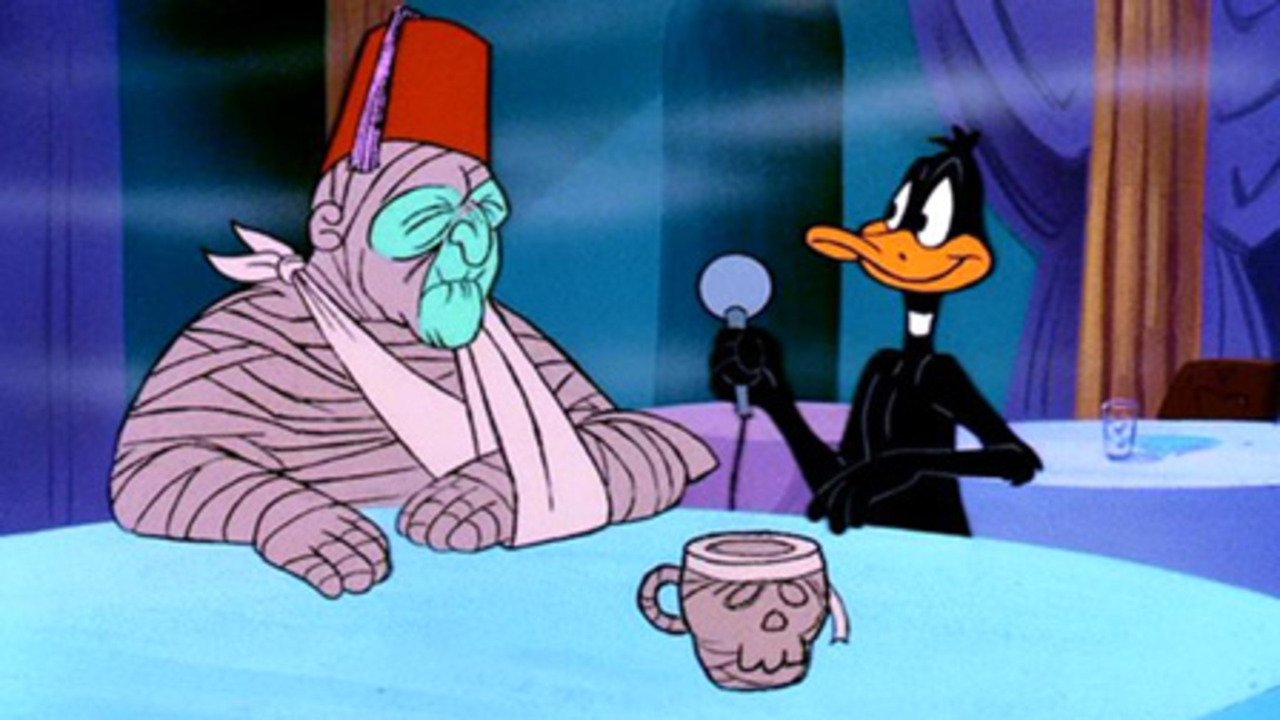
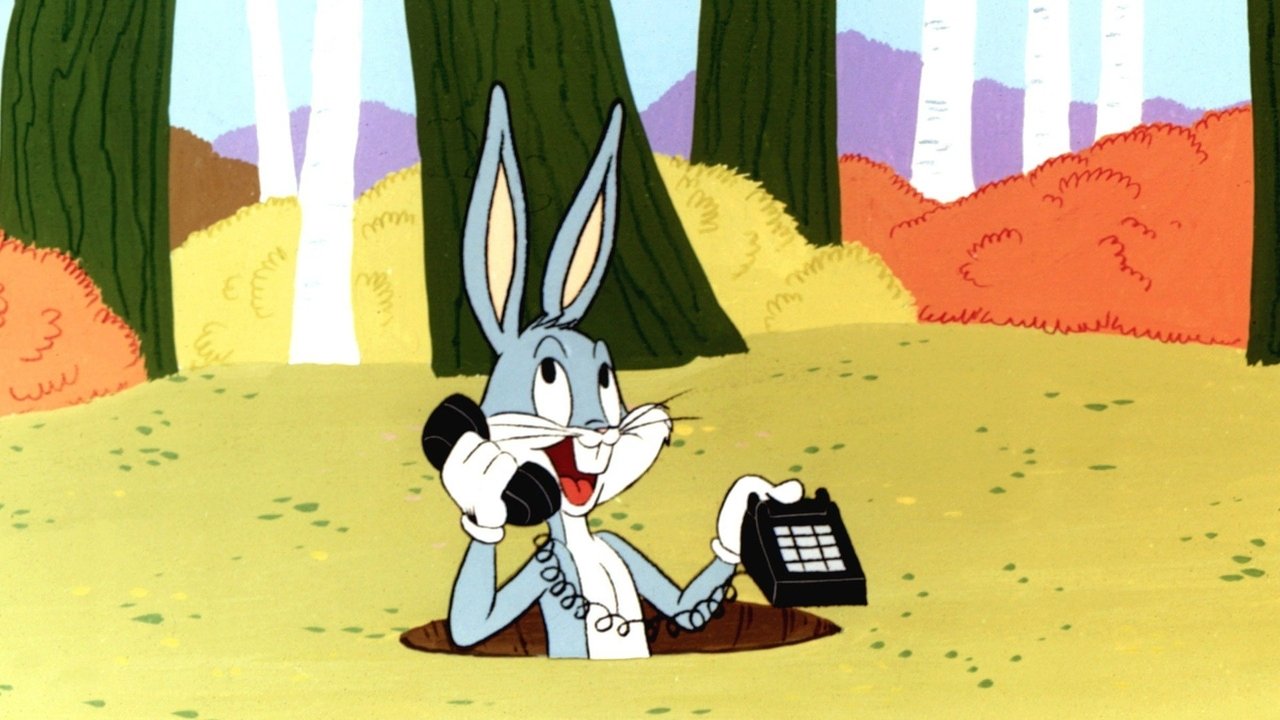
Of course, the main draw remains the selection of brilliant Golden Age shorts cleverly integrated into the plot. Daffy's initial attempts to drum up business lead us into classics like "The Duxorcist" (a direct inspiration for the film's theme) and the hilarious "Transylvania 6-5000" where Bugs checks into a vampire's castle. Porky's haunting introduces the surreal delights of "Claws for Alarm" and the atmospheric chills of "The Wearing of the Grin," featuring those unsettling green leprechauns. Sylvester's plight incorporates the charming "Hyde and Go Tweet," showcasing Tweety's monstrous transformation. Each short feels strategically placed, triggered by Daffy's narration or the unfolding events of the framing story. It’s a masterclass in curated nostalgia, reminding us just how inventive, anarchic, and visually stunning the peak Looney Tunes era truly was. Directors like Chuck Jones, Friz Freleng, and Robert McKimson, whose original shorts are featured, remain titans of the medium.
The Man of a Thousand Voices (Literally)
You simply cannot talk about Quackbusters without paying tribute to the legendary Mel Blanc. Released just a year before his passing in 1989, this film stands as one of his final major voice-acting showcases, providing the voices for Daffy, Bugs, Porky, Sylvester, Tweety, and numerous others. Hearing him slip effortlessly between these iconic personalities in the new bridging animation is both joyous and poignant. His energy is palpable, his comic timing impeccable even after all those years. The film also features a fun cameo from sports commentator Roy Firestone and the smooth singing voice of Mel Tormé performing the title tune, adding another layer of distinctively late-80s flavor.
Retro Fun Facts & Quacking Good Trivia
The idea for Quackbusters actually grew out of the positive reception to earlier compilation films and TV specials Ford and Lennon had worked on. They were passionate about preserving and celebrating the classic shorts, and this felt like a creative way to introduce them to a new generation (or reintroduce them to older fans) in cinemas. While exact budget figures are elusive for compilation projects like this, its theatrical release was a modest affair, finding its true home, like so many films of its era, on VHS. I distinctly remember seeing that clamshell case on the rental shelves, Daffy striking a pose against a spooky backdrop – instant grab! It’s also notable for being one of the very few original Looney Tunes features produced between the classic era and the 90s animation renaissance kicked off by films like Space Jam (1996). The selection process for the shorts was meticulous, aiming for thematic relevance while showcasing the breadth of the Looney Tunes library.
Still Worth Investigating?
Absolutely. While it might feel slightly episodic due to its compilation nature, the framing story holds together surprisingly well, thanks largely to Daffy's enduringly hilarious character flaws. The new animation, while clearly distinct from the Golden Age masterpieces, is charming in its own right and serves its purpose effectively. It’s a celebration – of Daffy, of Mel Blanc, of the timeless genius of Looney Tunes. Watching it today provides not just laughs, but a warm wave of nostalgia for Saturday morning cartoons, trips to the video store, and the sheer, unadulterated joy these characters brought into our living rooms. It captures that specific late-80s moment when classic animation was being rediscovered and repackaged for a market hungry for familiar comfort.
VHS Heaven Rating: 8/10
Daffy Duck's Quackbusters earns a solid 8 for expertly blending hilarious classic shorts with a fun, well-executed framing narrative. It's a fantastic showcase for Mel Blanc's legendary talent in one of his last major roles, a loving tribute to the Looney Tunes legacy, and a prime slice of late-80s animated nostalgia. While perhaps not as groundbreaking as the original shorts themselves, the clever concept and affectionate execution make it a delightful trip down memory lane.
It's more than just a collection of cartoons; it's proof that even a greedy, ghost-busting duck could capture our imaginations, one des-picable scheme at a time.