The chill doesn't always come from the shadows or the jump scare. Sometimes, it seeps in quietly, a slow-dawning dread that lingers like frost on a windowpane. It's the unsettling feeling that something is fundamentally wrong beneath a placid surface, a feeling masterfully captured in David Twohy's 1992 directorial debut, Timescape (often found lurking on video store shelves under its alternate, perhaps more revealing title, Grand Tour: Disaster in Time). This isn't your typical explosive sci-fi spectacle; it’s a story that creeps under your skin, posing questions that echo long after the VCR whirs to a stop.
### The Unwelcome Guests
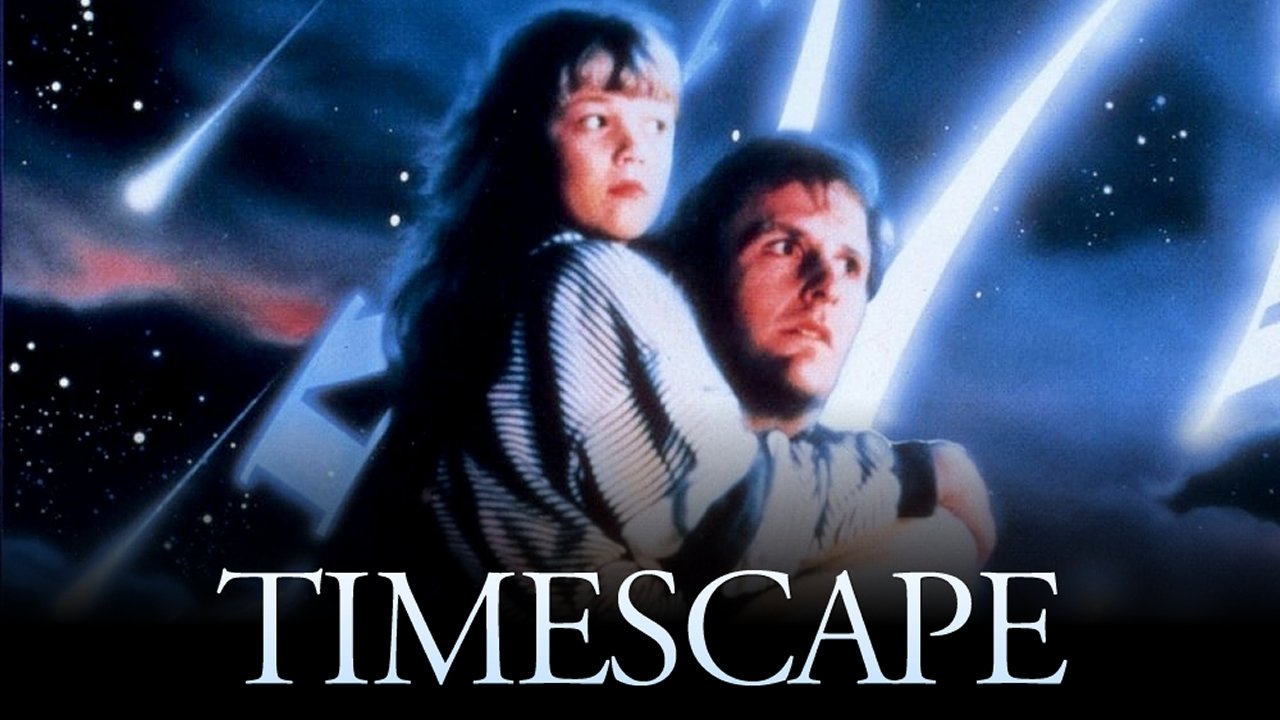
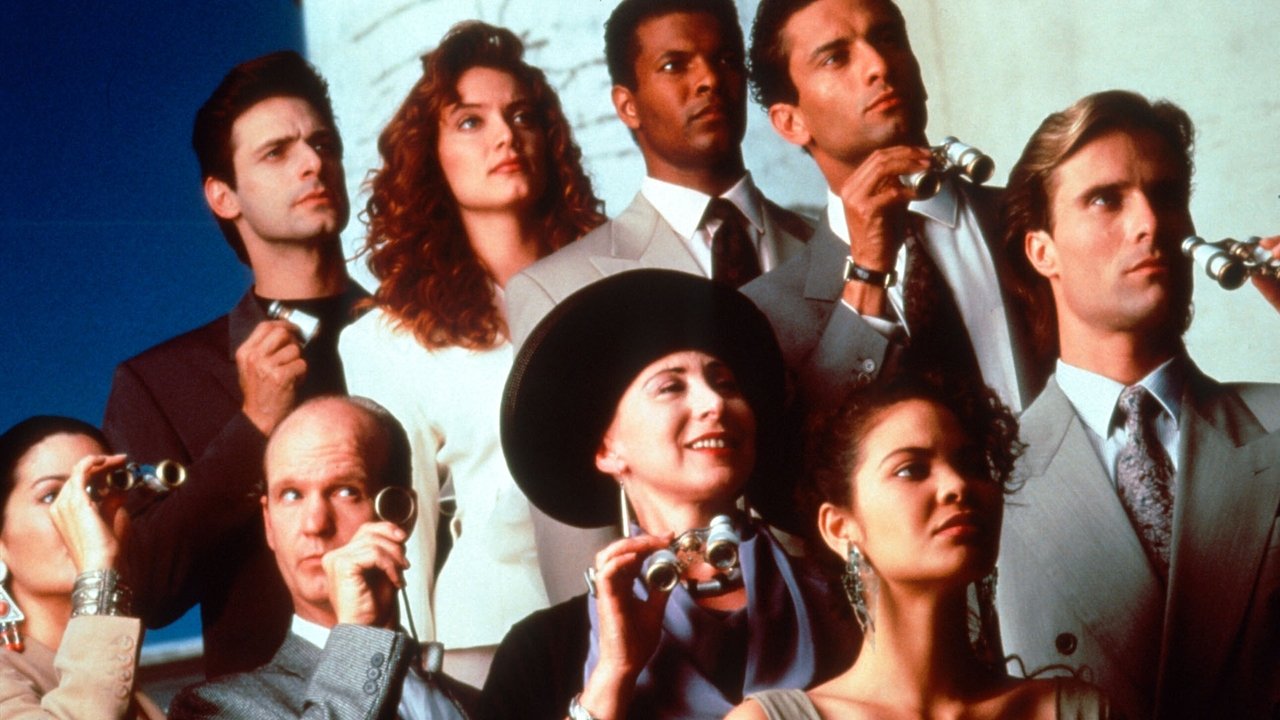
We're dropped into the life of Ben Wilson (Jeff Daniels), a widower renovating an old hotel in pastoral Greenvale, North Carolina, alongside his young daughter, Hillary (Ariana Richards). Their grief is palpable, a quiet backdrop to the arrival of a group of enigmatic tourists led by the unnervingly serene Mr. Quish (George Murdock). They are polite, immaculately dressed, oddly formal, and possess an unsettling fascination with impending local tragedies – a bus crash, a catastrophic fire. Their cameras are always ready, their observations detached, their presence feeling increasingly parasitic. It's a setup that slowly twists the knife of unease. What kind of person treats catastrophe like a theme park attraction?
### A Different Kind of Chill
Timescape excels in building atmosphere over overt action. Twohy, who also penned the script adapting the classic 1946 novella "Vintage Season" by Henry Kuttner and C. L. Moore, understands that the horror here isn't monstrous, but human – or perhaps, post-human. The dread comes from the dawning realization of who these visitors are and why they're there. They are time travelers, disaster tourists from the future, passively observing history's most tragic moments. The film doesn't rely on flashy temporal effects; the unsettling power comes from the cold, observational nature of the visitors and the profound ethical questions their presence raises. There's a quiet melancholy that permeates the film, amplified by Mark Isham's subtly effective score, perfectly complementing the small-town setting, filmed beautifully amidst the genuine atmosphere of Grants Pass, Oregon.
Jeff Daniels, always a reliable anchor, brings a weary authenticity to Ben. His grief feels real, making his protective instincts towards his daughter and his dawning suspicion about the visitors deeply resonant. And speaking of his daughter, it's fascinating to see a young Ariana Richards here, just a year before she’d be running from velociraptors in Jurassic Park. She delivers a natural and affecting performance as Hillary, serving as the film’s emotional core alongside Daniels. The tourists, particularly Murdock as Quish and Emilia Crow as the seemingly more empathetic Reeve, maintain a careful distance, their performances hinting at a future society perhaps desensitized to the horrors they witness.
### Retro Fun Facts: Weaving Through Time

It’s interesting to note that Timescape marked David Twohy’s first time in the director's chair, though he already had writing credits on films like Warlock (1989) and Critters 2: The Main Course (1988), and would later co-write the screenplay for The Fugitive (1993) before helming sci-fi favorites like Pitch Black (2000). You can see the seeds of his later work here – the focus on flawed protagonists facing extraordinary circumstances, the careful world-building, and the exploration of moral grey areas. The film's relatively modest budget (reportedly around $5 million) likely dictated its more character-focused, atmospheric approach, which ultimately works in its favor, preventing it from becoming just another effects-driven time travel yarn. The choice to adapt "Vintage Season," a story lauded for its sophisticated take on time travel tourism decades before the concept became more common, was an inspired one, lending the film a literary weight often missing from genre fare of the era. I distinctly remember finding this tape under the Grand Tour title, the box art giving little away, making the unfolding mystery all the more rewarding. Didn't those slightly clunky future-gadgets feel strangely plausible back then on a flickering CRT?
### The Burden of Knowing

The film’s true power lies in the ethical dilemma it forces upon Ben, and by extension, the viewer. Once he understands the truth, can he stand by and let tragedy unfold? Does foreknowledge necessitate intervention, even if it means risking temporal paradoxes or unforeseen consequences? Timescape doesn't offer easy answers. It presents the allure and the horror of witnessing history firsthand, questioning the morality of passive observation when lives are at stake. The tension ramps up effectively in the final act as Ben grapples with his conscience and the potential devastation heading for Greenvale. It’s less about how time travel works and more about the human cost, both for the observed and the observers.
Rating: 7/10
Timescape earns its score through strong performances, a compellingly unsettling premise drawn from classic sci-fi literature, and David Twohy's assured, atmospheric direction. It avoids typical genre pitfalls, favoring character and ethical quandaries over spectacle. While its pace is deliberate and its budget constraints occasionally show, the film's thoughtful exploration of grief, responsibility, and the chilling implications of disaster tourism makes it a standout piece of early 90s sci-fi. It might not have the explosive legacy of other time travel films, but Timescape remains a quietly haunting gem, a perfect late-night watch that leaves you pondering its uncomfortable questions long after the credits roll. It's a reminder that sometimes the most disturbing futures are the ones where humanity has lost its empathy.