Here we go, another spin in the VCR time machine...
### Accidental Wisdom and Down-Home Charm
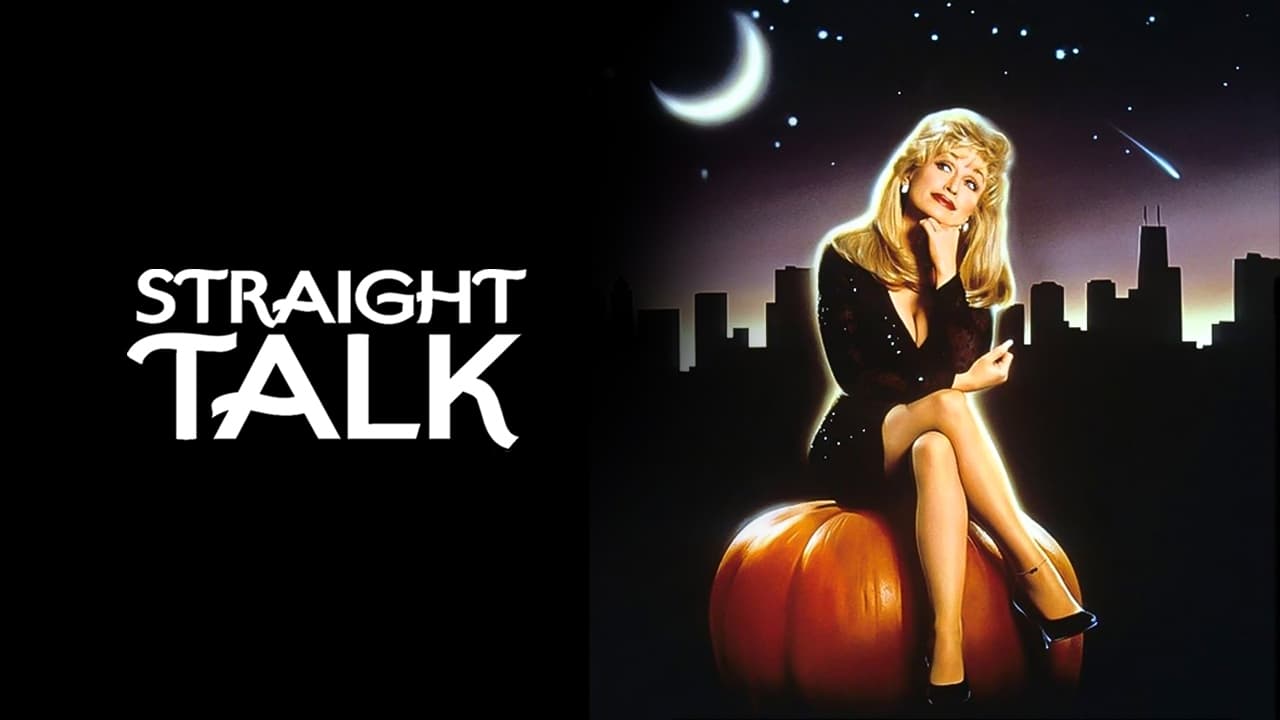
There’s a certain kind of magic woven into the premise of Straight Talk (1992), isn't there? The idea that someone utterly unqualified, propelled by sheer circumstance and innate empathy, could accidentally become a voice of reason for thousands. It feels like a fable tailored for the burgeoning self-help culture of the early 90s, wrapped in the undeniable charisma of its star, Dolly Parton. Watching it again now, decades removed from its initial release, it’s like rediscovering a cozy sweater tucked away in the back of the closet – familiar, perhaps a little dated, but undeniably comforting.
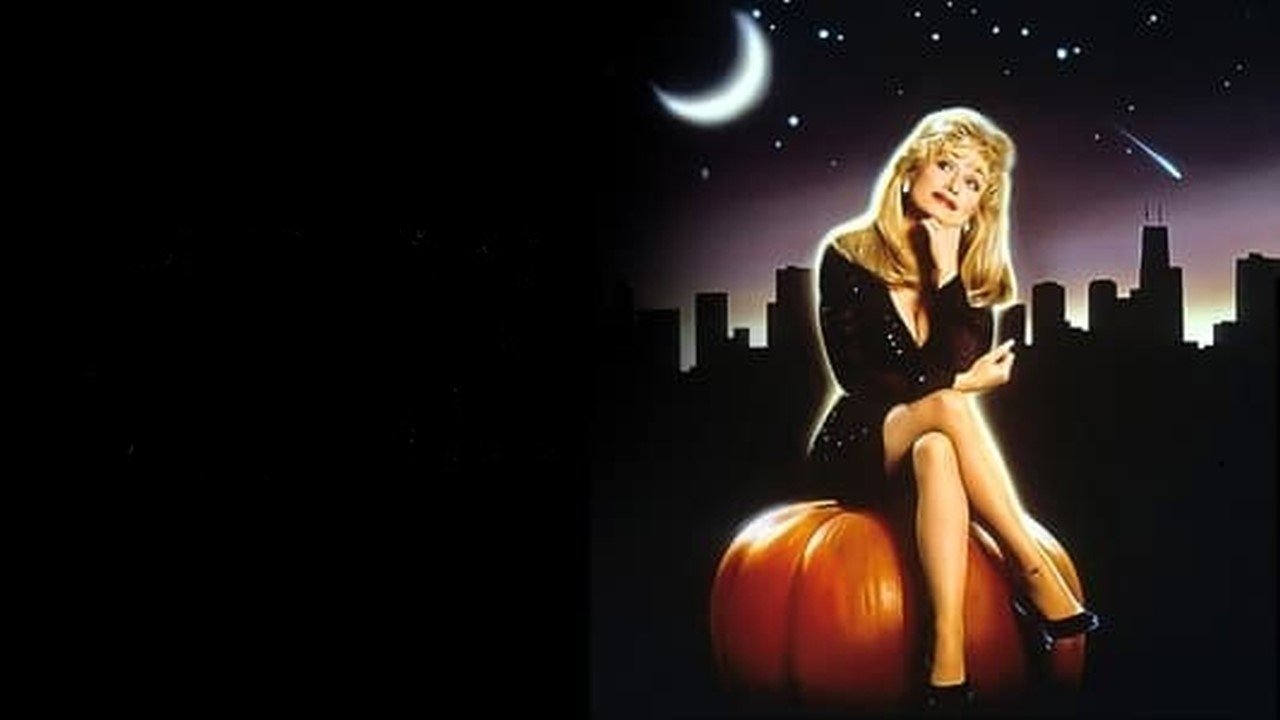
The setup is pure Hollywood high-concept: Shirlee Kenyon (Dolly Parton, radiating that unique blend of vulnerability and strength she patented long before this film), a dance instructor from Arkansas fed up with her going-nowhere relationship, impulsively bolts for the big city – Chicago. Through a classic case of mistaken identity and desperation, she lands a receptionist job at WNDY radio. One fateful moment puts her live on air, mistaken for the station's new call-in psychologist, and her plainspoken, empathetic advice – devoid of jargon, full of heart – becomes an overnight sensation. Suddenly, "Doctor Shirlee" is the city's hottest talk radio personality, dispensing wisdom she doesn't technically possess.
### The Unmistakable Star Power of Dolly
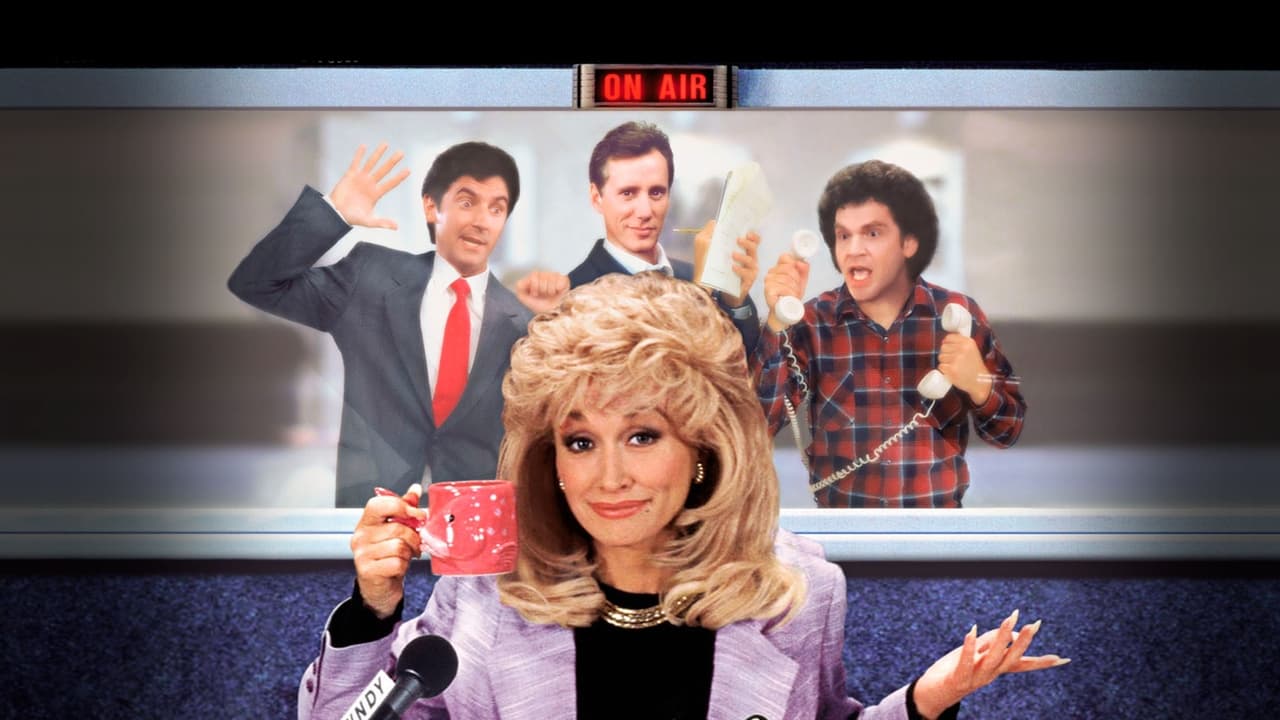
Let's be honest, the engine driving this picture is Dolly herself. Shirlee Kenyon feels less like a character Parton is playing and more like an extension of the public persona we’ve come to adore: warm, witty, surprisingly grounded despite the glamour, and possessing a core of steel beneath the homespun charm. It's a role that feels intrinsically tailored to her strengths, allowing her natural comedic timing and genuine warmth to shine. This wasn't just a starring role for Parton; she was deeply involved, contributing multiple original songs to the soundtrack, which adds another layer of personal investment that comes through on screen. You believe Shirlee could win over a city because Dolly Parton herself feels like she could achieve just about anything with a smile and a sharp observation. Remember her commanding presence in 9 to 5 (1980)? That same effortless likeability is on full display here, albeit in a softer, more romantic context.
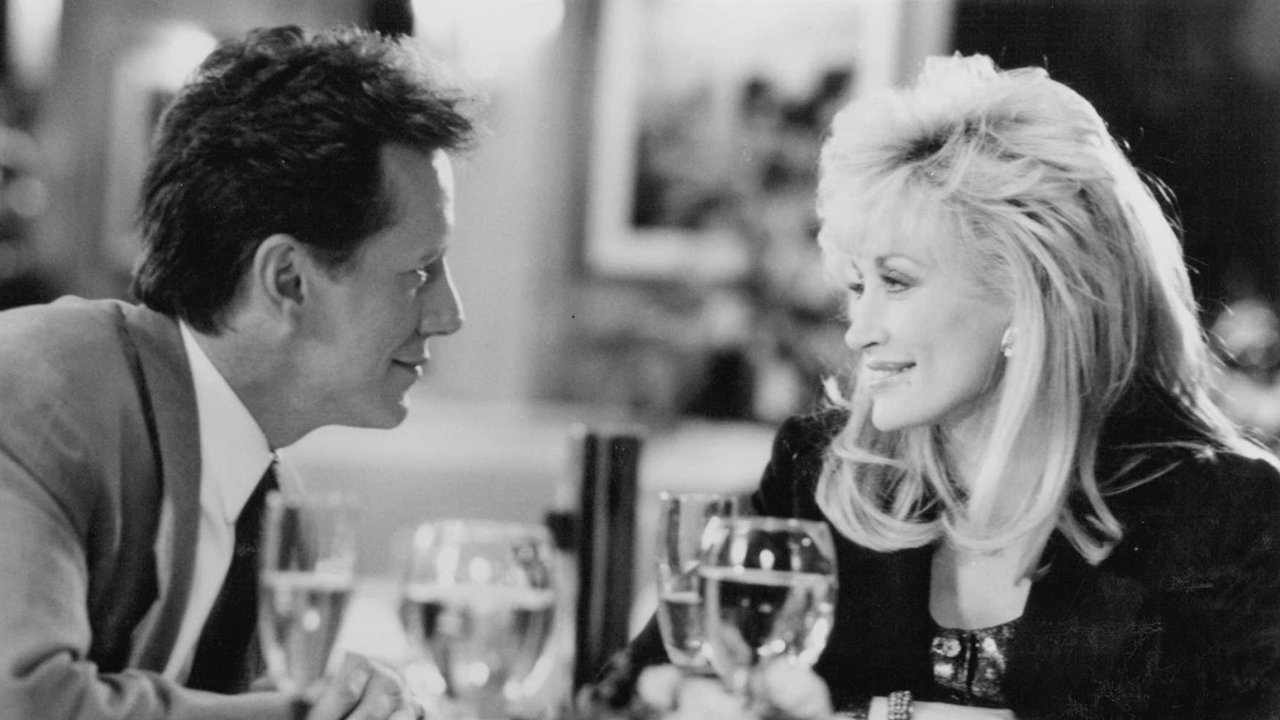
A Word on the Co-Star: Pairing Parton with James Woods as Jack Russell, the hard-nosed investigative reporter determined to uncover Doctor Shirlee's secret, was certainly... a choice. Woods, often known for his intense, sometimes unsettling energy in films like David Cronenberg's Videodrome (1983) or later in Casino (1995), plays against type here as the romantic lead. Does the chemistry fully ignite? That’s debatable. There’s an awkward charm to their interactions, a friction that sometimes feels genuine and sometimes just slightly mismatched. Woods brings his trademark intelligence and simmering intensity, but channels it into a sort of cynical weariness that contrasts interestingly with Parton’s earnestness. He’s believable as a journalist chasing a story, perhaps slightly less so as a man swept off his feet, but their dynamic provides the necessary narrative tension.
### More Than Just Talk: Behind the Broadcast
The film was directed by Barnet Kellman, a name many might associate more with acclaimed television comedies like Murphy Brown and Mad About You. You can perhaps feel that sitcom sensibility in the film's rhythm – a focus on dialogue-driven scenes, a certain brightness in its look, and a generally brisk pace. It keeps things moving, even when the plot mechanics feel a touch predictable. The Chicago locations add a nice sense of place, grounding the somewhat fantastical premise in a real-world environment.
Retro Fun Facts:
- The journey of the script, penned by Craig Bolotin (who also wrote Black Rain (1989)), is interesting. It reportedly existed in various forms for years before Parton became attached and it was significantly reworked to suit her persona and talents. It's fascinating to think how different this film might have felt with another star in the lead during its earlier development phase.
- While Parton's soundtrack was a highlight, the film itself met with a somewhat lukewarm reception critically and commercially upon release. It pulled in around $21.2 million at the box office against a budget of roughly $22 million – essentially breaking even, but not becoming the breakout hit perhaps hoped for. Does that lukewarm reception seem fair now, looking back?
### Finding Your Voice, Even Accidentally
Beneath the rom-com sheen and the fish-out-of-water comedy, Straight Talk touches on themes that still resonate. Shirlee's journey is about finding her voice, quite literally. It taps into that universal desire for authenticity and the courage it takes to speak one's truth, even when built on a shaky foundation. The irony, of course, is that her "straight talk" is predicated on a lie, forcing an eventual reckoning. Does her inherent goodness and the positive impact she has excuse the deception? The film leans towards 'yes', offering a perhaps optimistic take on second chances and the idea that good intentions can pave the way, even if the initial steps are misinformed.
Watching it today, there's a definite nostalgic warmth. The chunky computers, the prominence of radio, the early 90s fashion – it all evokes a specific time. The plot might be light and follow familiar beats, relying heavily on coincidence and charm, but isn't that part of the appeal of revisiting these films? It doesn't aim for biting satire or deep psychological insight; it aims to charm, and largely succeeds thanks to its leading lady.
Rating: 6/10
This rating reflects a film that's undeniably pleasant and carried by a truly luminous star performance, but one that doesn't quite transcend its predictable romantic comedy framework or the slightly awkward chemistry of its leads. The premise is golden, and Parton delivers exactly the warmth and wit you'd expect. However, the execution feels safe, hitting familiar beats without much surprise. It's a solid, enjoyable piece of early 90s comfort viewing, particularly for Dolly fans, but lacks the sharp writing or directorial flair that might have elevated it to a true classic of the genre.
Final Thought: Straight Talk remains a charming time capsule, less about the advice given and more about the enduring power of Dolly Parton's unique ability to make you believe in the possibility of finding extraordinary grace in the most ordinary, or even accidental, of circumstances. It reminds you that sometimes, the most resonant voice is simply the most honest one – even if it takes a little detour to find it.