Alright fellow tapeheads, let’s rewind to a time when Bruce Willis wasn't quite John McClane yet, shoulder pads were reaching critical mass, and the concept of a chaotic night out could fuel an entire movie. Slide that worn copy of Blind Date (1987) into the VCR, adjust the tracking just so, and let’s revisit this slice of pure 80s screwball energy. This wasn't one you necessarily bragged about owning, but admit it – you probably rented it more than once from the local Video Palace, didn't you?
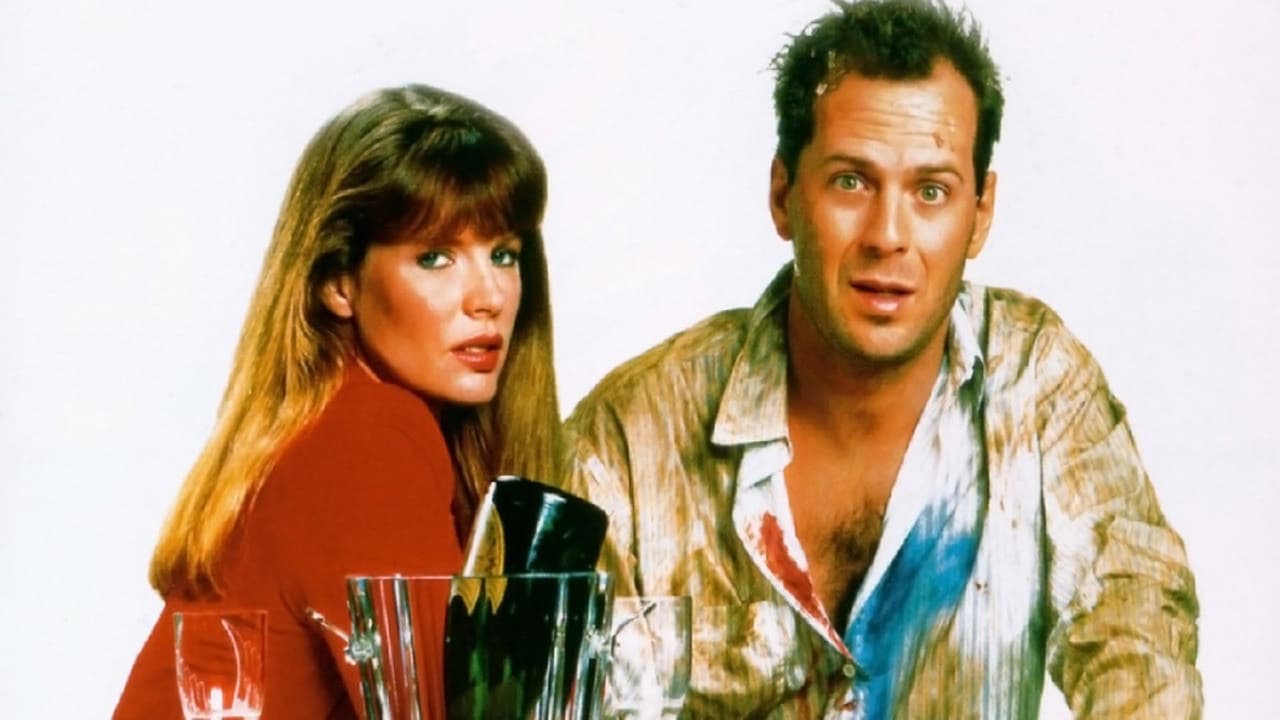
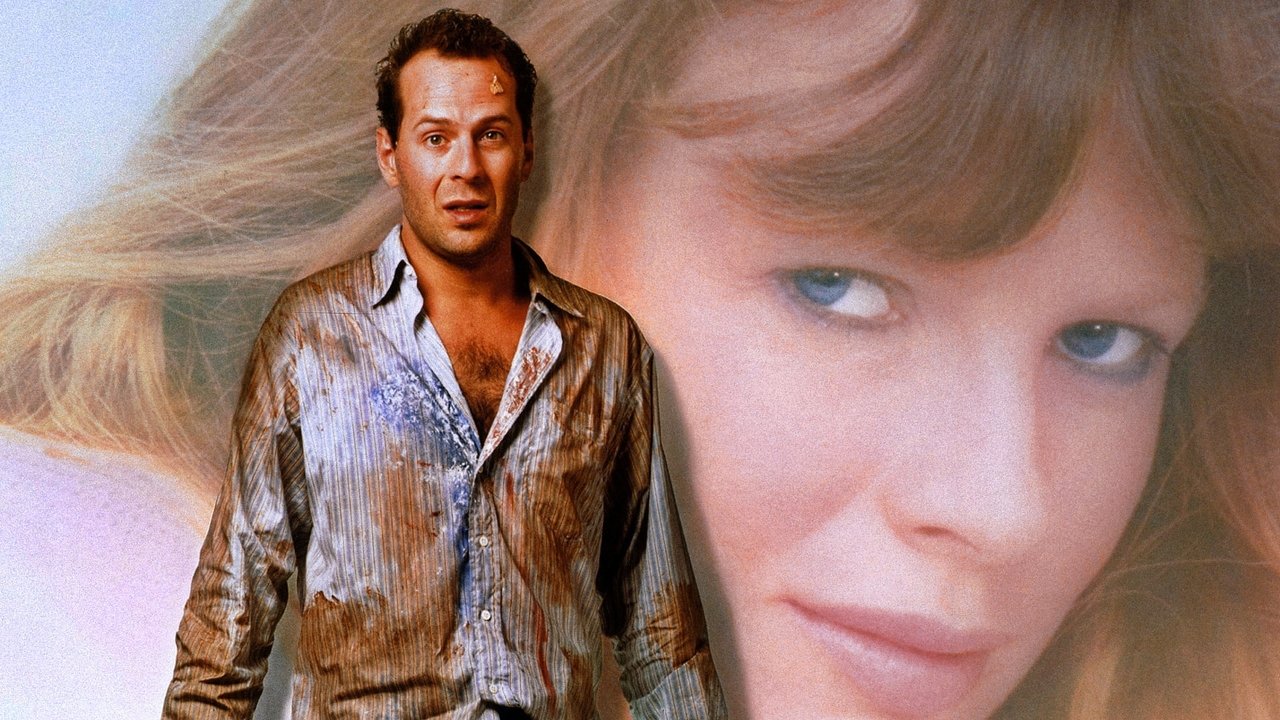
The premise is deceptively simple, almost quaint by today's standards. Walter Davis (Bruce Willis, fresh off charming TV audiences in Moonlighting) is a dedicated, slightly uptight financial analyst who desperately needs a date for a crucial company dinner. His brother sets him up with the stunning Nadia Gates (Kim Basinger, radiating that specific brand of 80s allure she practically patented). The catch? A cryptic warning: whatever happens, don't let Nadia drink alcohol. Of course, this being an 80s comedy helmed by a master of escalating chaos, that warning goes unheeded faster than you can say "Pass the champagne."
### When Sparks (and Fists) Fly
What unfolds is less a date and more a rapid descent into absolute pandemonium. This is where the film finds its goofy, often hilarious, rhythm. Bruce Willis, pre-yippee-ki-yay, showcases the sharp comedic timing and everyman exasperation that made him a star. He’s not an action hero here; he’s a guy losing his job, his car, his dignity, and possibly his mind, all over the course of one disastrous evening. Watching him react as his perfectly planned life crumbles around him is a huge part of the fun. It's fascinating to see this early big-screen role, knowing the explosive action career that awaited him just a year later with Die Hard (1988). Apparently, Sean Penn was briefly considered for Walter, which paints a very different potential movie in the mind's eye!
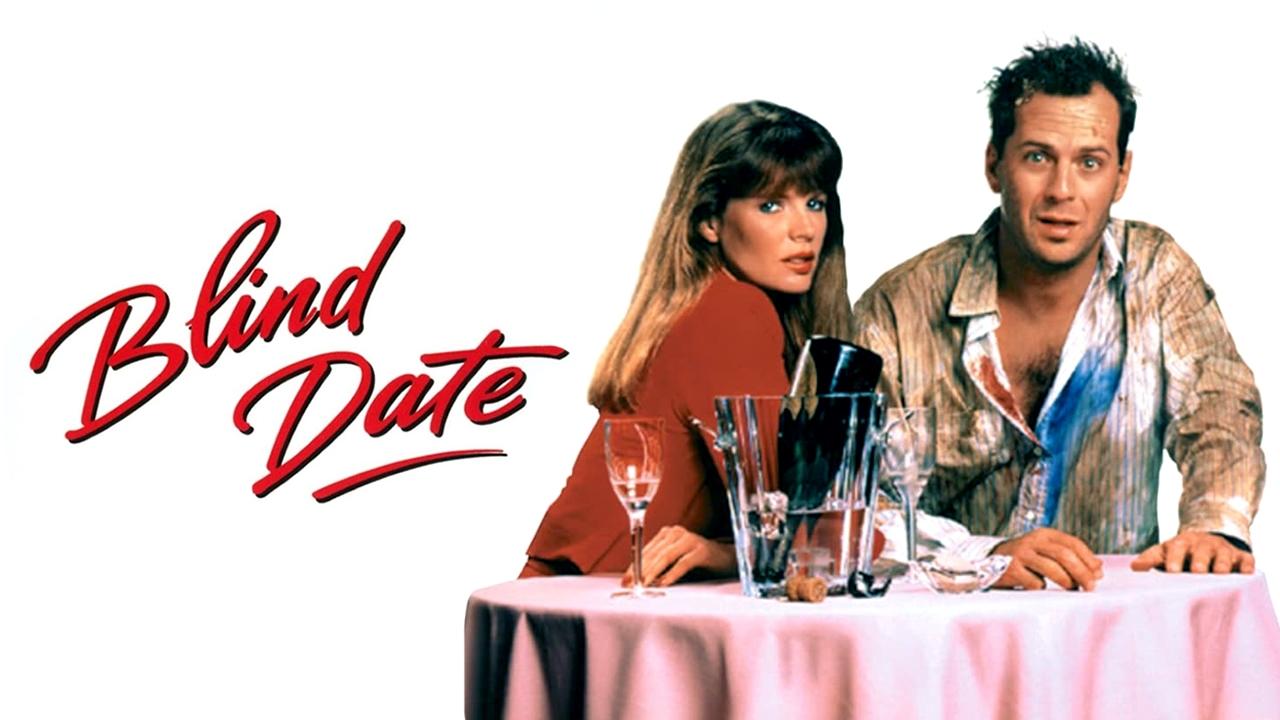
Opposite him, Kim Basinger leans into the Jekyll-and-Hyde nature of Nadia. Sober, she's sweet and genuinely likable; intoxicated, she becomes an agent of pure, unadulterated chaos. It's a broad performance, sure, but Basinger commits, swinging from charming vulnerability to wild abandon with infectious energy. And then there's John Larroquette. Oh, John Larroquette as David, Nadia's insanely jealous, perpetually enraged lawyer ex-boyfriend. He doesn't just steal scenes; he barges in, smashes the furniture, and makes off with them screaming. Larroquette elevates obsessive ex-boyfriend tropes into a form of destructive performance art, and honestly, the movie kicks into high gear every time his ridiculous pursuit of Walter and Nadia resumes.
### The Edwards Touch: Orchestrated Mayhem
Pulling the strings behind this escalating farce is director Blake Edwards, a name synonymous with sophisticated slapstick thanks to the Pink Panther series. You can feel his fingerprints all over Blind Date. Edwards knew how to build a gag, milk it for all it was worth, and then crash it into the next one. The pacing is relentless, moving from awkward introductions to restaurant brawls, ruined art galleries, car chases involving police vehicles and David's pristine Mercedes, and ultimately, courtroom absurdity. Retro Fun Fact: The original script by Dale Launer (who penned the wickedly funny Ruthless People the year before) was reportedly much darker. It was Blake Edwards who infused it with his signature lighter, more overtly comedic style, transforming it into the madcap romp we remember.
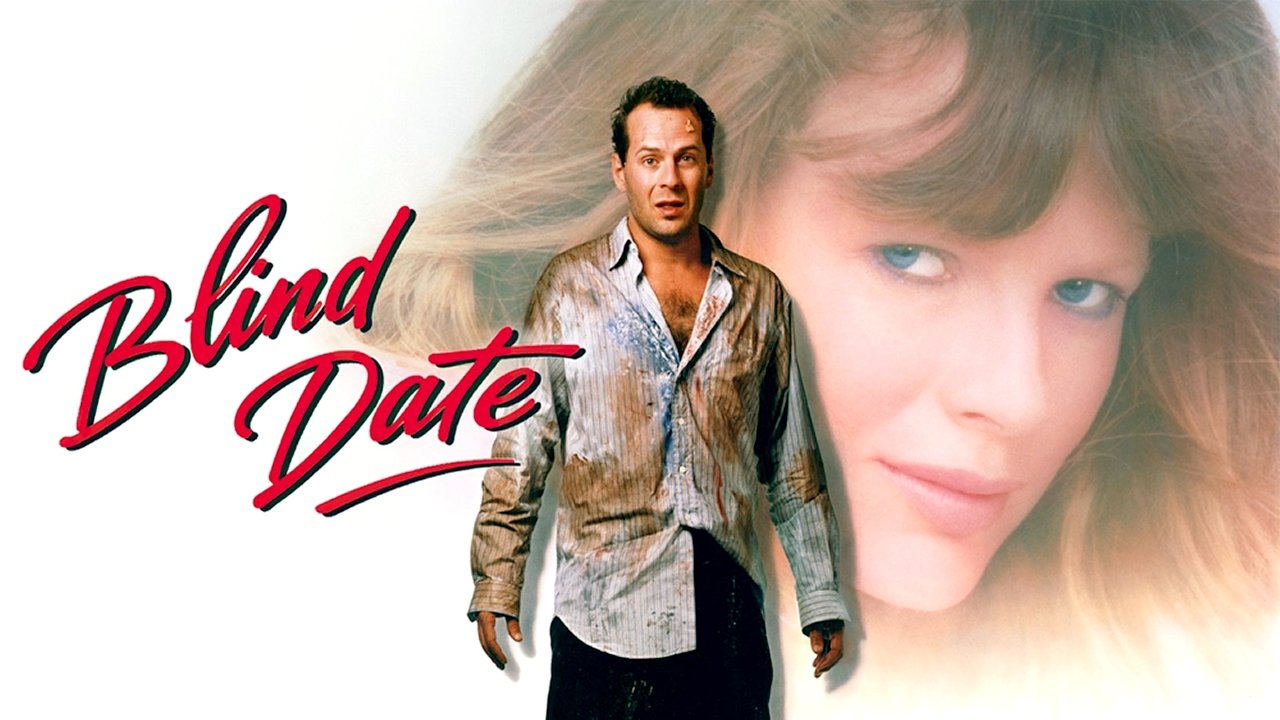
While the comedy relies heavily on physical set pieces – think less witty banter, more people falling down, getting hit, or having things fall on them – there's a certain craftsmanship to it. This isn't CGI-assisted silliness; it's carefully choreographed practical comedy. Remember how visceral those moments felt? A car driving through a dealership window, the sheer destruction in the restaurant scene – it felt tangible, almost dangerous, executed with real props and stunt coordination that defined so much 80s filmmaking. The score by the legendary Henry Mancini, Edwards' frequent collaborator, adds a layer of jazzy sophistication that playfully contrasts with the on-screen bedlam.
### A Time Capsule of Yuppie Excess
Watching Blind Date today is like opening a time capsule labelled "Mid-80s Corporate Culture & Questionable Fashion." The enormous suits, the glossy offices, the anxiety about climbing the corporate ladder – it's all gloriously preserved. Does some of it feel dated? Absolutely. The gender dynamics and Nadia's alcohol-triggered transformation might raise eyebrows now. But viewed through the lens of its era, it functions as a lighthearted satire of yuppie aspirations spiraling wildly out of control. It leans into the absurdity, never taking itself too seriously.
Despite mixed critical reviews upon release – critics weren't always kind to Edwards' broader comedies back then – Blind Date was a solid box office success, pulling in nearly $40 million domestically on an approximate $18 million budget. It certainly didn't hurt Bruce Willis's rising star power and remains a fondly remembered, if slightly goofy, entry in the decade's comedy canon.
***
Rating: 6.5 / 10
Justification: Blind Date isn't sophisticated comedy, and parts haven't aged perfectly. However, its energetic performances (especially from Willis and a delightfully unhinged Larroquette), Blake Edwards' knack for escalating physical gags, and its sheer commitment to chaotic silliness earn it points. It delivers consistent chuckles and captures a specific, glossy 80s vibe effectively. It's flawed but undeniably fun, especially if you appreciate practical slapstick and performers fully committing to the absurdity.
Final Take: It’s the cinematic equivalent of that one wild party story from your youth – maybe slightly embarrassing in hindsight, definitely chaotic, but you still crack a smile remembering the sheer mayhem. A potent reminder that sometimes, the most memorable nights begin with the worst decisions... especially involving champagne.