Okay, settle back into that comfy spot on the couch, maybe imagine the faint hum of a VCR powering up. Remember 1992? A time when a movie starring one of TV's most charismatic leading men heading to Japan to play baseball felt like a perfectly intriguing premise for a Friday night rental. Mr. Baseball might not have been the grand slam home run some expected, but sliding this tape into the machine often yielded a surprisingly warm and funny couple of hours – a fish-out-of-water comedy with more heart than you might initially guess.
### East Meets West (and Bat)
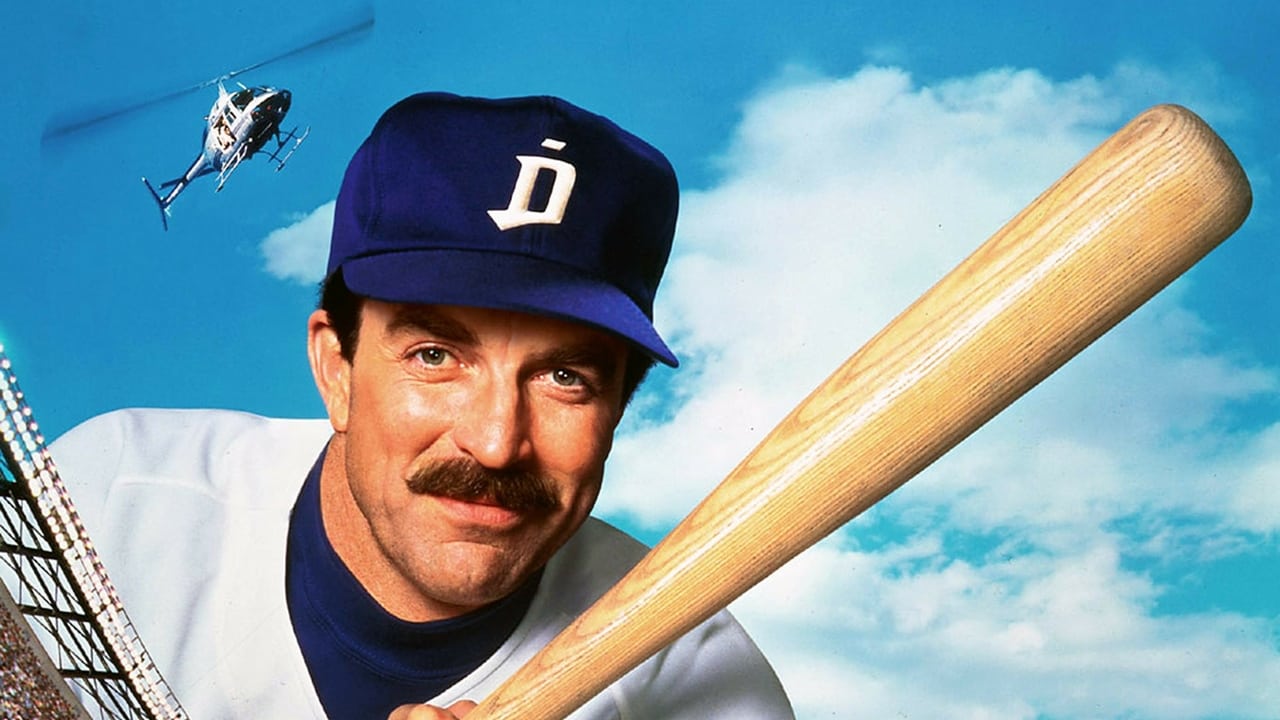
The setup is classic 90s comedy gold: Jack Elliot, played by the effortlessly charming Tom Selleck (then firmly establishing his movie career post-Magnum, P.I.), is an aging, egocentric New York Yankees slugger whose best days seem behind him. Facing a trade he can't stomach, he finds his only option is to head overseas to play for the Chunichi Dragons in Nagoya, Japan. What follows isn't just about baseball; it's a full-blown collision of cultures, personalities, and philosophies, directed with a steadier hand than you might expect by Australian filmmaker Fred Schepisi, known more for dramas like A Cry in the Dark (1988) and the Steve Martin hit Roxanne (1987).
Selleck is perfectly cast as Elliot, bringing that signature blend of confidence bordering on arrogance, which slowly, begrudgingly melts away as he navigates the rigid discipline and unique customs of Japanese baseball (and life). His frustration is palpable – the different training methods, the unfamiliar food, the language barrier, the sheer politeness of it all driving the brash American absolutely bonkers. It's fertile ground for comedy, and the film mines it well, capturing those moments of awkwardness and misunderstanding with a generally light touch. I always got a kick out of his attempts to adapt, often failing spectacularly before finding some middle ground.
### The Stoic Manager and the Spark of Romance
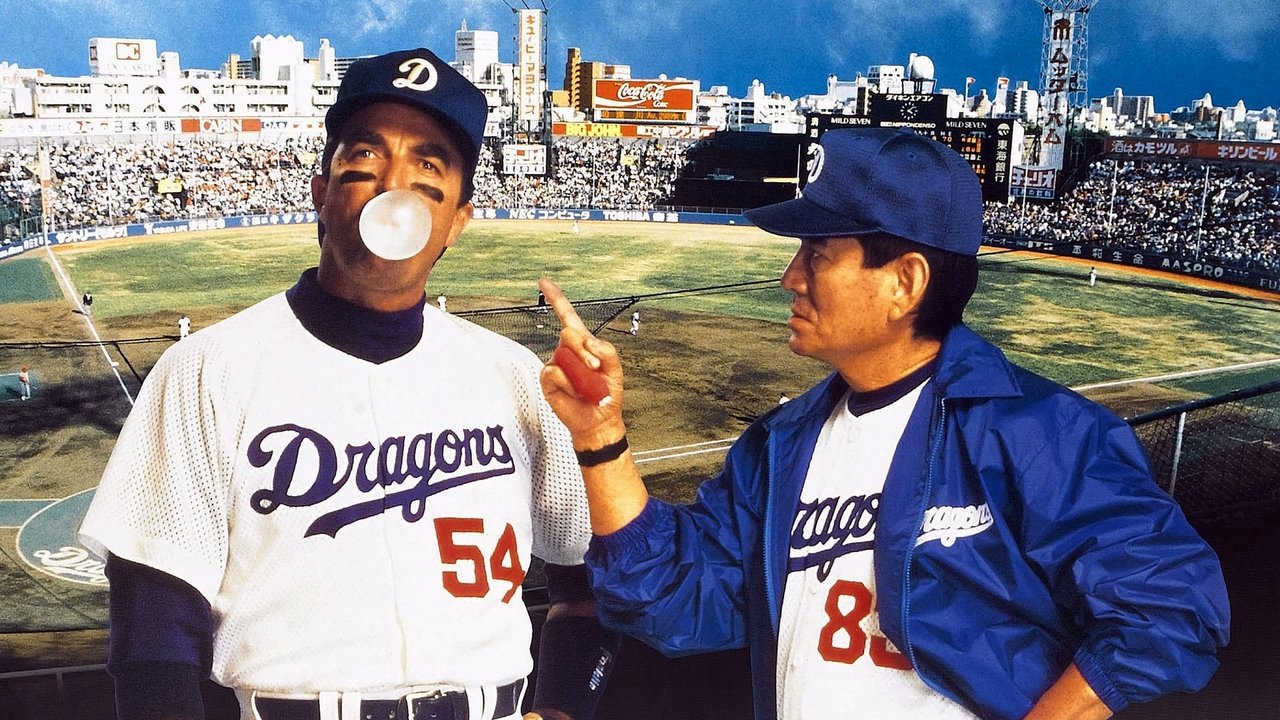
But Mr. Baseball finds its anchor not just in Selleck's performance, but in the formidable presence of Japanese screen legend Ken Takakura as Uchiyama, the Dragons' stoic, tradition-bound manager. Takakura, a true giant of Japanese cinema often called their Clint Eastwood, brings immense gravitas and quiet dignity to the role. The dynamic between the loud, individualistic American player and the reserved, team-focused Japanese manager forms the core of the film. Their initial clashes give way to grudging respect, and watching these two actors play off each other is one of the movie's real pleasures. There's a genuine chemistry there, a slow burn of understanding that elevates the film beyond simple culture-clash gags.
Of course, there's a romantic subplot, as was often the requirement. Aya Takanashi plays Hiroko, a savvy advertising executive who also happens to be Uchiyama's daughter. While the romance feels a little conventional by today's standards, Takanashi brings intelligence and warmth to the role, serving as a bridge between Jack's world and the intricacies of Japanese culture. Their relationship adds another layer to Jack's gradual transformation.
### Retro Fun Facts: Behind the Bases
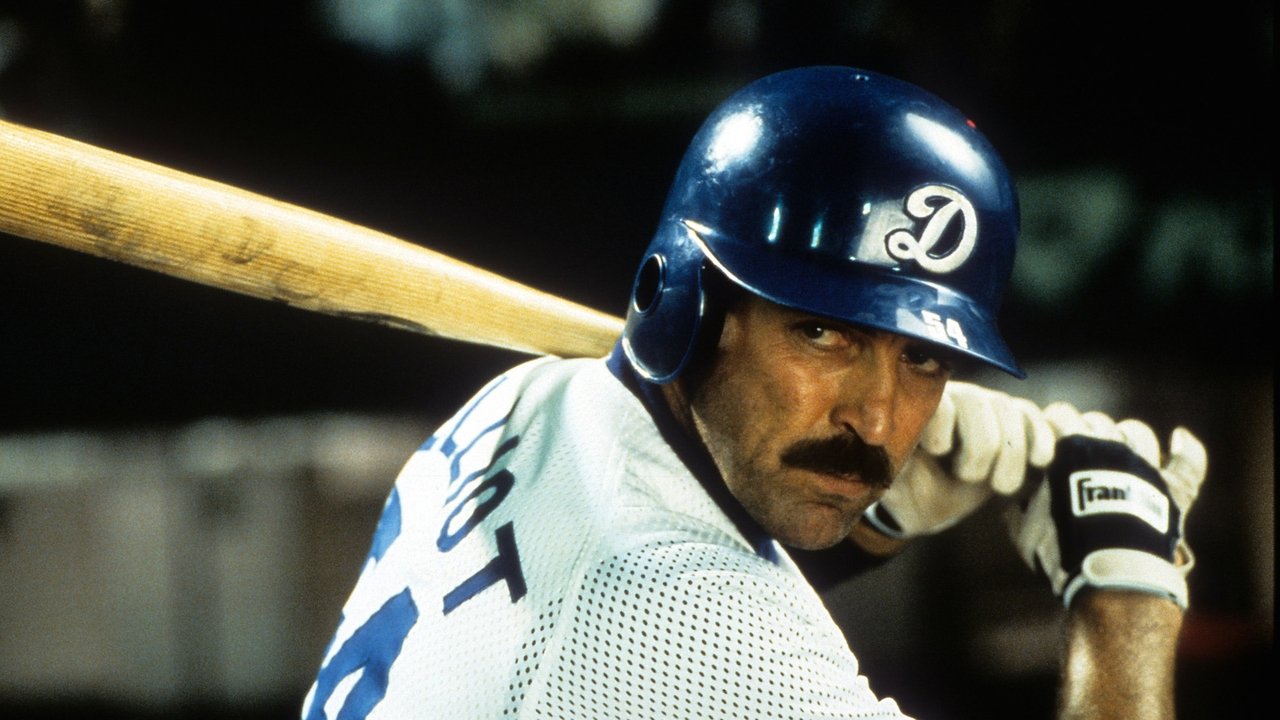
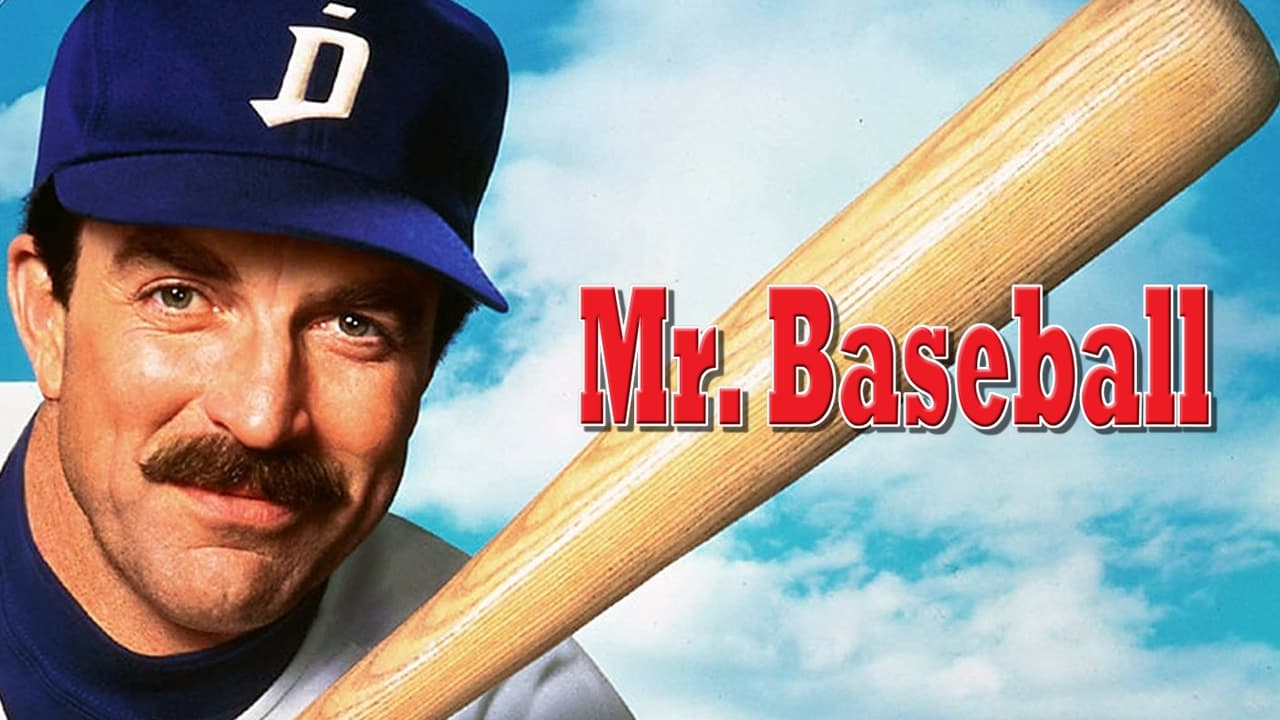
Digging into the making of Mr. Baseball reveals some interesting tidbits that add to its charm. The film had a decent budget for the time, around $20 million, but only managed to recoup about $20.8 million domestically – making it more of a single than a home run at the box office. It found a healthier life on home video, which is probably how many of us remember it! Filming took place extensively in Japan, particularly in Nagoya, offering authentic locations like Nagoya Stadium (before it was replaced). Selleck apparently took his role seriously, undertaking considerable baseball training to look convincing on the field. And getting Ken Takakura was a major coup; his participation lent significant authenticity and prestige. Interestingly, the script went through several hands, with Gary Ross (Big, Pleasantville) and Kevin Wade (Working Girl) among the credited writers, perhaps explaining its blend of sharp comedic moments and earnest drama. The original tagline, "He'srude. He's crude. He's batting .300 in Japan," definitely captured that early 90s attitude!
### More Than Just Laughs?
Watching Mr. Baseball today, some of the cultural humor might feel a bit broad, rooted in stereotypes that were common comedic fodder back then. However, the film generally treats Japanese culture with respect, focusing more on the differences as a source of humor and growth, rather than mockery. Its underlying message about humility, respect, and finding common ground still resonates. It doesn't shy away from showing Jack's initial ignorance and arrogance, making his eventual evolution feel earned. The baseball sequences themselves are competently handled, capturing the unique atmosphere of Japanese pro ball. It might not be Bull Durham (1988) in terms of deep baseball insight, but it serves the story well. It sits comfortably alongside other enjoyable early 90s comedies that balanced star power with a relatable premise, like City Slickers (1991) or even Dave (1993) in its feel-good approach.
The Verdict

Mr. Baseball is like finding a favorite, well-worn baseball glove in the back of the closet. It might show its age a little, but the craftsmanship is solid, and it brings back fond memories. It's a charming, often funny, and surprisingly thoughtful comedy-drama anchored by strong performances from Tom Selleck and the legendary Ken Takakura. It successfully blends sports action with cultural observation and a touch of romance, making for an entertaining watch that holds up better than you might expect. It perfectly captures that early 90s optimism about bridging cultural gaps, wrapped in a familiar Hollywood package.
Rating: 7/10
This score reflects a genuinely enjoyable and well-made film that delivers on its premise with charm and heart. While not a groundbreaking classic, its strong leads, engaging culture-clash narrative, and warm-hearted humor make it a standout title from the era, justifying its place as a fondly remembered VHS staple. It might not have hit it out of the park commercially, but Mr. Baseball definitely got on base and scored with plenty of fans looking for a good time at the video store. A comfortable slide into home for easygoing entertainment.