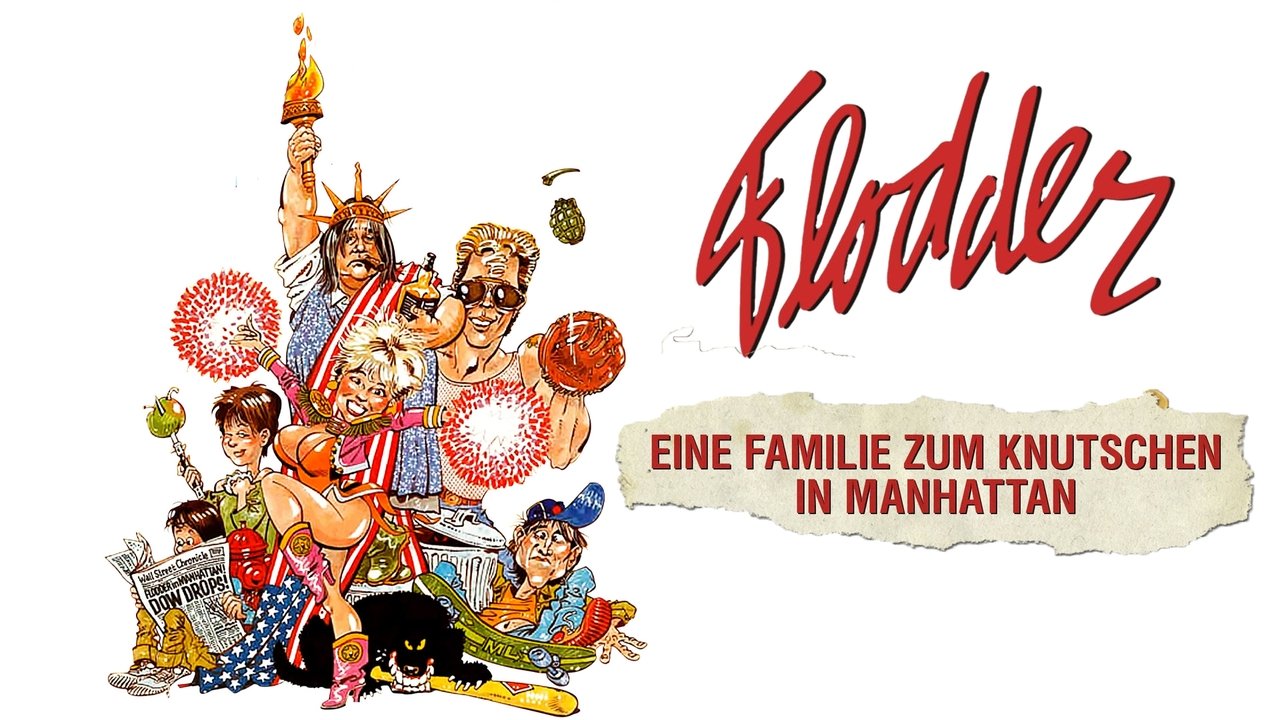
Okay, picture this: it's a Friday night, you've scoured the "New Releases" and "Comedy" sections at the local video store, maybe grabbed some questionable snacks. You stumble upon a box with a wild-looking family posing awkwardly in front of New York City landmarks. The title? Flodder Does Manhattan! (or Flodder in Amerika! as the Dutch title screams). You vaguely remember the first Flodder film being a notorious slice of anarchic Dutch humor you maybe caught late-night on cable. Curiosity piqued, you grab the tape. What follows is exactly the kind of glorious, unapologetic chaos that could only thrive in the early 90s VHS landscape.
### From Zonnedael to the Big Apple
For the uninitiated, the Flodders are less a family and more a force of nature – proudly low-brow, opportunistic, and completely uninterested in societal norms. The original 1986 Flodder, directed by the Netherland's master of genre mischief Dick Maas (who also gave us the claustrophobic chills of The Lift and the canal-based thrills of Amsterdamned), was a massive hit back home. It skewered class pretensions by plopping this gleefully crude family into an affluent suburb. So, naturally, for the 1992 sequel, where else could Maas send them but the ultimate symbol of overwhelming, chaotic civilization: New York City?
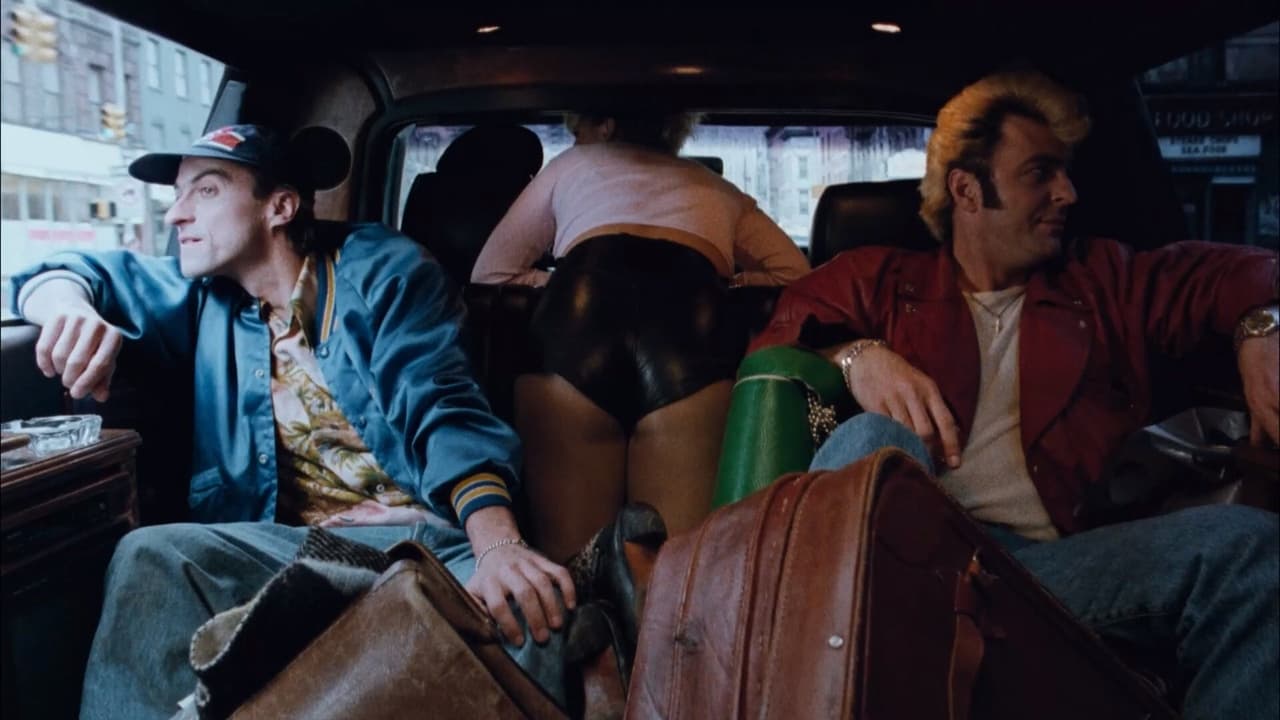
The setup is pure fish-out-of-water gold: due to a classic bureaucratic mix-up, the Flodders are mistaken for a Dutch family of social scientists and sent to NYC on a prestigious cultural exchange program. They're put up in the Plaza Hotel (yes, that Plaza Hotel) and let loose upon an unsuspecting Manhattan. The city, it turns out, isn't quite ready for Ma Flodder's home-brewed moonshine, Johnnie's scams, or Kees's... well, Kees-ness.
### Culture Clash Carnage
What makes Flodder Does Manhattan! such a specific time capsule is its sheer, unadulterated commitment to broad, sometimes crass, but often hilarious situational comedy. This isn't sophisticated satire; it's a sledgehammer of culture clash gags. Nelly Frijda as Ma Flodder remains the stoic, cigar-chomping heart of the chaos, utterly unfazed by anything New York throws at her. Huub Stapel returns as the charismatic layabout son Johnnie, finding new avenues for hustling in the land of opportunity, while René van 't Hof as son Kees offers his unique brand of wide-eyed weirdness. And yes, thankfully, the iconic Tatjana Šimić is back as daughter Kees for this outing, bringing her specific brand of glamour and trouble to the proceedings.
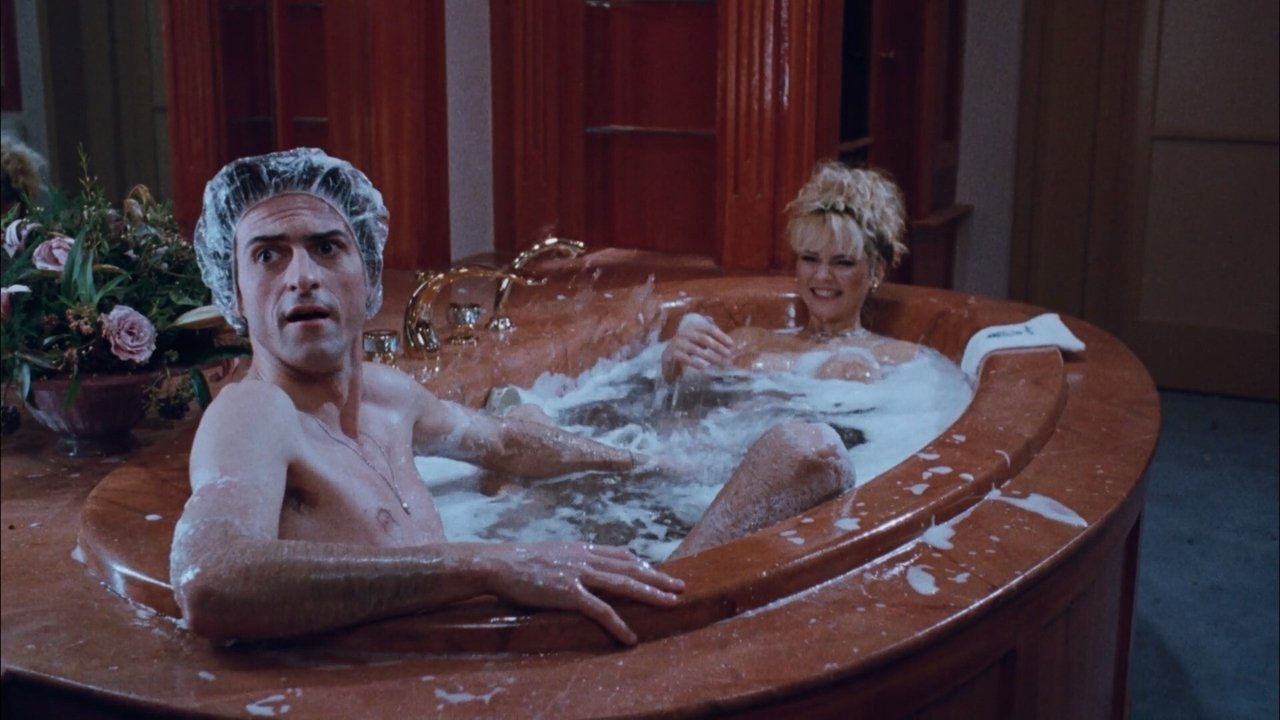
The film revels in putting the Flodders in situations designed for maximum comedic friction. Think Ma trying to navigate sophisticated charity galas, Johnnie attempting to charm his way through the city's elite, or the whole family generally misunderstanding (or willfully ignoring) American customs. Remember the scene where they try to "fix" the plumbing at the Plaza? Pure, unadulterated slapstick destruction, done with that tangible, pre-CGI messiness that feels almost quaint now. It wasn't about seamless digital fixes; it was about capturing the practical mayhem.
### Big City, Bigger Gags
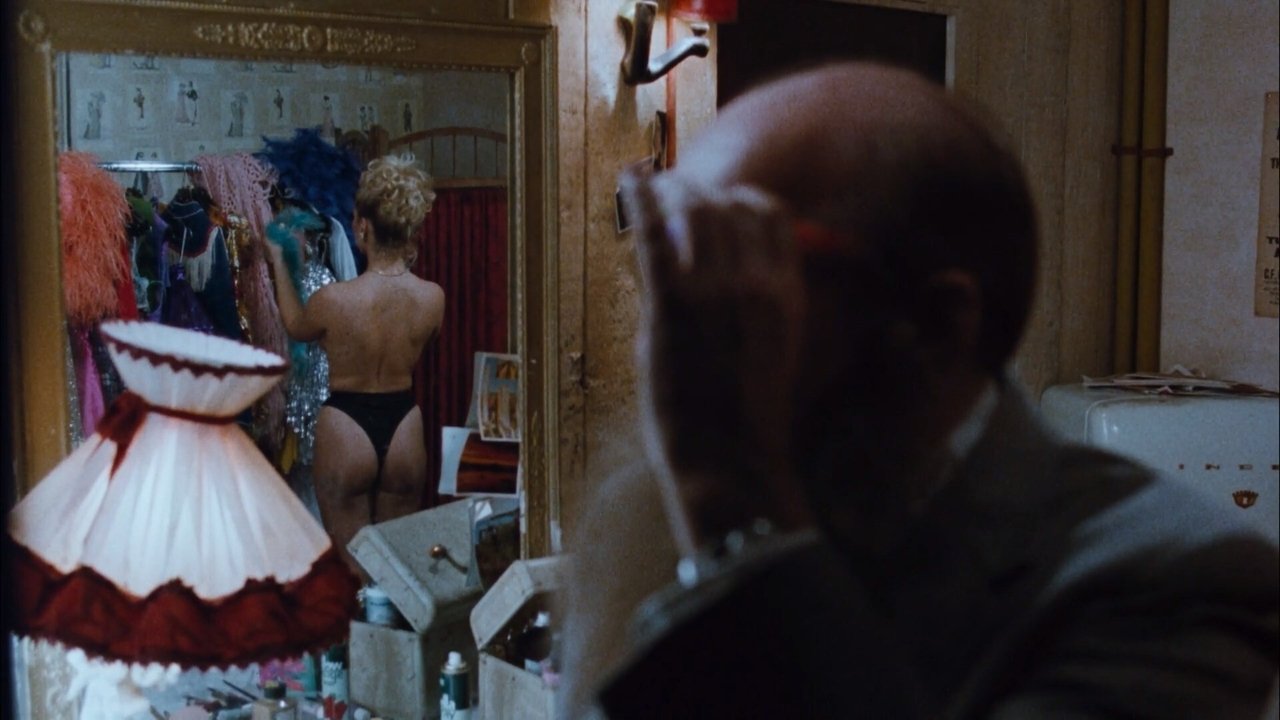
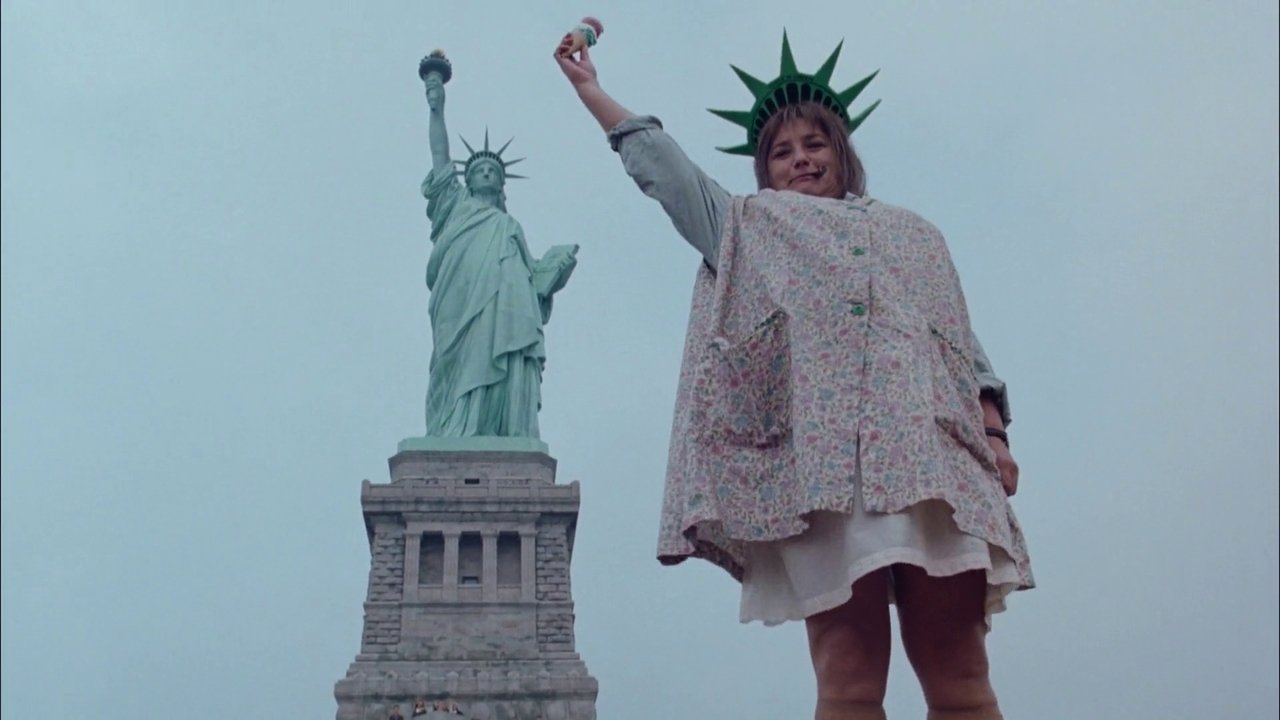
Dick Maas, returning to direct and write, clearly relished the bigger canvas New York provided. While the budget was undoubtedly larger than the original low-budget smash, you can still feel that slightly rough-around-the-edges European sensibility colliding with the glossier NYC locations. Maas injects his signature style – moments that almost border on action or thriller setups before swerving back into comedy. There’s a certain energy to the street scenes, capturing that early 90s Manhattan vibe before Times Square got its major Disney makeover. It’s fun spotting the landmarks through the lens of Flodder-induced anarchy.
One retro fun fact: filming extensively on location in a city like New York, especially with the kind of disruptive scenes the Flodders naturally cause, was a significant undertaking for a Dutch production. Securing locations like the Plaza and staging gags in busy streets required considerable logistical effort, a step up from the more contained setting of the first film. You can almost feel the production stretching its wings (and budget) to make the most of the iconic setting.
The humor is definitely of its time. Some jokes might land differently today, relying on stereotypes or situations that feel distinctly early 90s. But there's an undeniable energy to it, a go-for-broke attitude that sweeps you along if you're in the right mood. It’s the kind of film that knew exactly what it was: a loud, brash, and unapologetically silly sequel designed to give fans more of what they loved about the original, just transplanted to a bigger playground. Did critics rave? Not particularly, especially stateside where the Flodders remained largely unknown. But for fans of the original and European comedy audiences, it delivered the expected dose of chaos and became another solid hit for Maas and the Flodder clan, even spawning a long-running TV series later (though with cast changes).
### Still Worth the Rental Fee?
So, popping in that hypothetical Flodder Does Manhattan! tape today, how does it hold up? It’s undeniably dated in places, the humor is broad to the point of being cartoonish, and subtlety checked out long before the Flodders boarded their flight. Yet, there’s a certain charm to its sheer audacity and the committed performances of the core cast. It captures a specific moment in time – the early 90s, the particular brand of anarchic European comedy, and the fish-out-of-water trope pushed to its extreme.
Rating: 6.5/10
Justification: The rating reflects the film's success as a direct sequel delivering more Flodder mayhem on a bigger scale, boosted by the NYC setting and the returning cast's chemistry. It's undeniably dated and the humor won't be for everyone, but for fans of the original or those seeking a dose of unapologetic early 90s European comedy chaos, it hits the mark. It loses points for not quite capturing the sharper satirical edge of the first film and relying more on broader, sometimes repetitive gags.
Final Thought: Flodder Does Manhattan! is like finding that loud, slightly embarrassing novelty souvenir T-shirt you bought on vacation years ago – it might not be high art, but pulling it out definitely brings back a specific, chaotic, and strangely fond memory of a different time. A true relic of the video store era's less-polished international comedy offerings.