Alright fellow tapeheads, gather 'round the flickering glow of the CRT screen in your memory. Remember browsing those glorious video store aisles, searching for something... different? Maybe something European, something with a cover that screamed chaos and questionable taste? If you ever stumbled upon a tape called Flodder, you likely hit the anarchic jackpot. This 1986 Dutch export wasn't just a fish-out-of-water comedy; it was a full-blown social Molotov cocktail lobbed directly into the manicured hedges of polite society.
### When Trash Moved Uptown
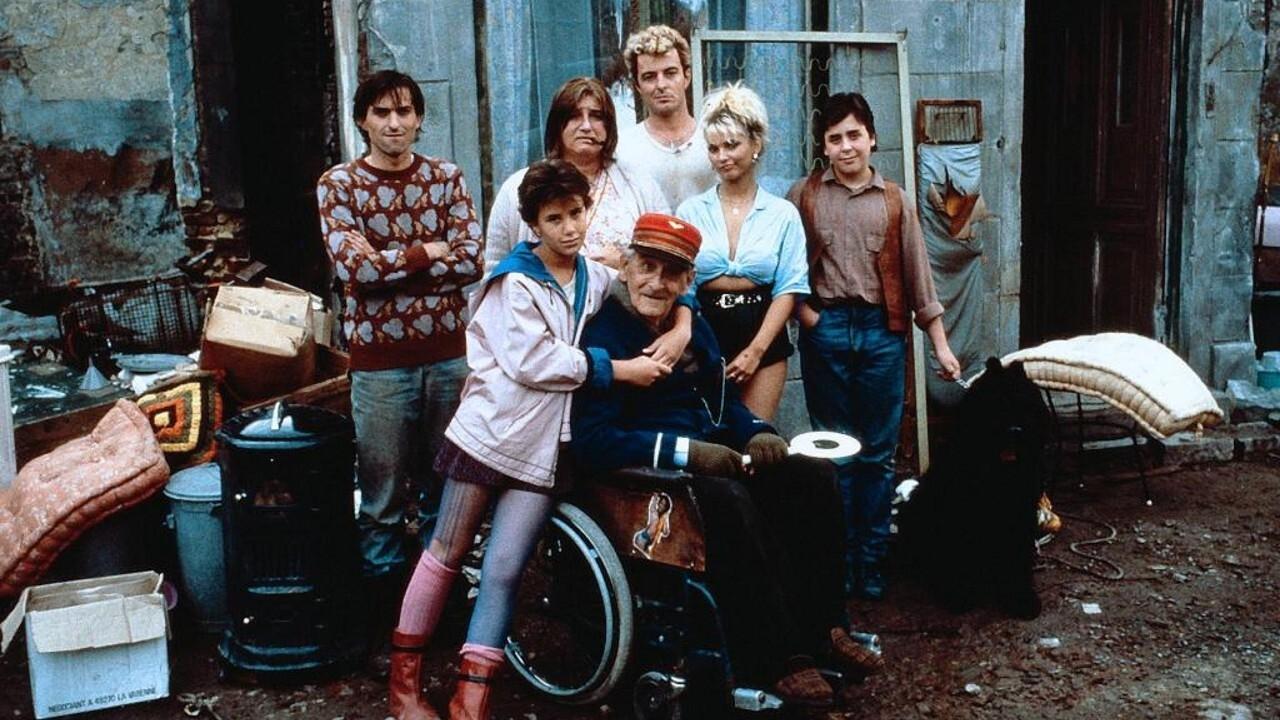
The setup, cooked up by writer-director Dick Maas (who also gave us the claustrophobic chills of De Lift (1983) and the canal-chase thrills of Amsterdamned (1988)), is pure gold: due to a bureaucratic blunder (or perhaps a stroke of warped social engineering genius), the utterly dysfunctional, proudly anti-social Flodder family gets relocated from their condemned hovel to a luxurious villa in the pristine, upper-crust neighborhood of Zonnedael. The family matriarch, Ma Flodder (Nelly Frijda, in a career-defining role), is a cigar-chomping, whiskey-swilling force of nature. Her sons include the swaggering, petty criminal Johnny (Huub Stapel, who'd re-team with Maas for Amsterdamned), the perpetually horny and none-too-bright Kees (René van 't Hof), and a brood of younger, equally feral children. Oh, and let's not forget Grandpa, confined to his wheelchair but still managing to cause his own brand of trouble.
Their arrival in Zonnedael isn't subtle. Think The Beverly Hillbillies meets Animal House, but filtered through a distinctly blunt, cynical Dutch lens. The culture clash isn't just played for laughs; it’s detonated with glee. Zonnedael represents everything the Flodders are not: sterile, pretentious, obsessed with appearances, and hypocritical to the core. The Flodders, for all their vulgarity and lack of hygiene, possess a strange kind of honesty. They are who they are, take it or leave it – and Zonnedael definitely wants to leave it.
### Glorious, Practical Mayhem
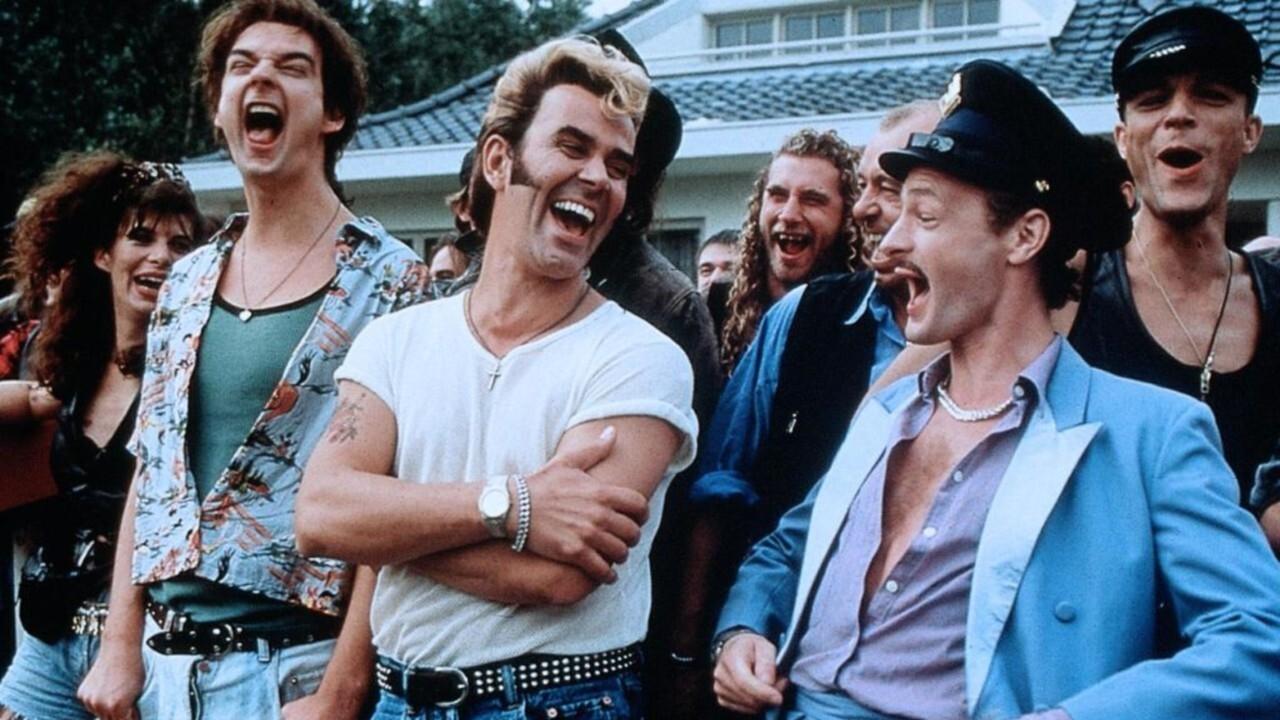
Let's talk about the "action," because while this isn't Commando, the sheer level of physical comedy and property destruction feels thrillingly tangible in that classic 80s way. Forget CGI – this is the era of real consequences! When Kees floods the neighborhood swimming pool with soap, it looks like a genuine foamy disaster. When the Flodders' famously abused, iconic pink Chevrolet Caprice tears through manicured lawns or gets into vehicular scrapes, you feel the crunch. Remember how real that stuff looked back then? There's a visceral satisfaction to the practical chaos Dick Maas orchestrates. He wasn't afraid to get messy, staging elaborate gags that escalate beautifully. One particular highlight involves a disastrous neighborhood welcoming party that descends into pure, unadulterated slapstick bedlam. It's crude, it's loud, and it’s undeniably funny in its sheer audacity.
Interestingly, despite its low-brow subject matter, Maas aimed for a slick, almost American look for the film, using specific film stock and lighting techniques. This wasn't just some cheap-looking European comedy; it had ambition. Part of the significant budget (around 3.5 million Dutch guilders, a hefty sum for the Netherlands back then) clearly went towards making the chaos look good. Filming actually took place in upscale neighborhoods like Villapark in Eindhoven, much to the chagrin of some real-life residents who probably weren't thrilled seeing their pristine streets overrun by fictional degenerates.

### Characters You Love to Watch (From a Safe Distance)
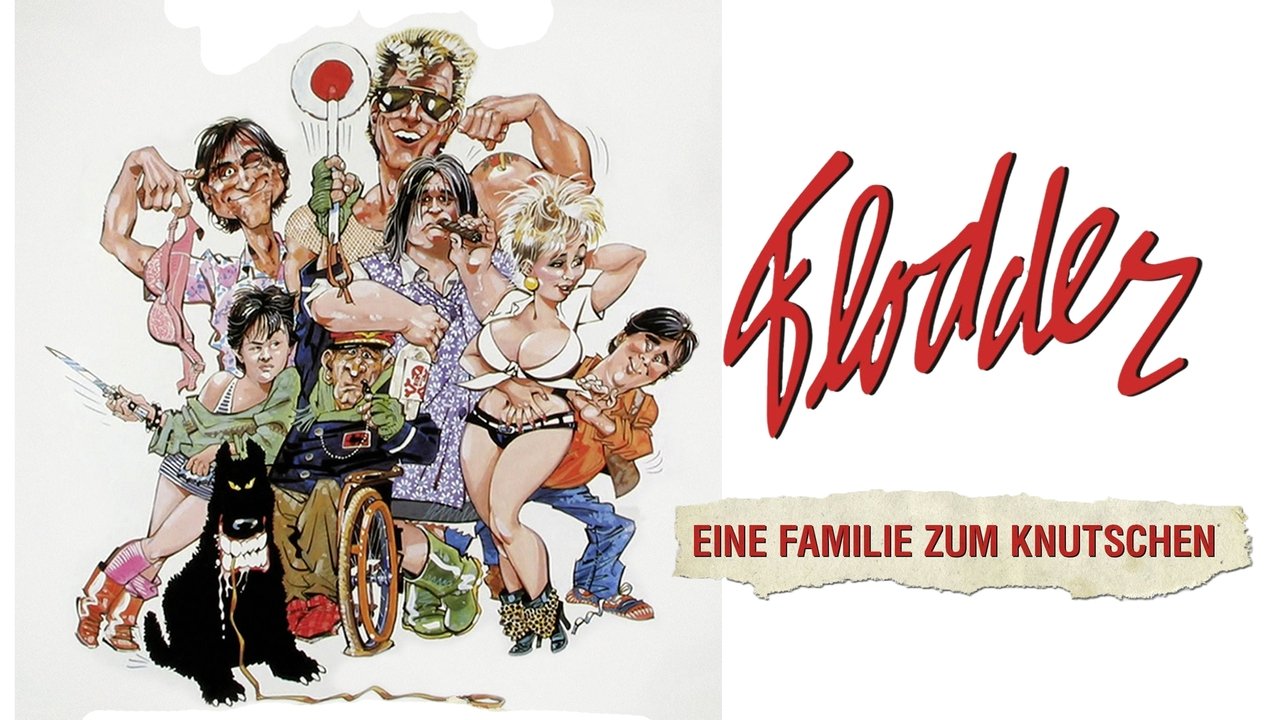
The performances are key to Flodder's enduring appeal. Nelly Frijda is Ma Flodder. She embodies the character with such weathered, weary, yet fiercely protective energy that she became a Dutch cultural icon. Huub Stapel nails Johnny's sleazy charm and misguided confidence, acting as the family's (barely) functional interface with the outside world. And René van 't Hof as Kees provides much of the wide-eyed, often inappropriate, physical comedy. The Zonnedael residents are mostly played as caricatures of upper-class snobbery, providing perfect foils for the Flodders' disruptive energy.
### Satire with Brass Knuckles
Beneath the fart jokes and casual destruction, Flodder has a surprisingly sharp satirical bite. It gleefully skewers class prejudice, hypocrisy, and the absurdity of social engineering. While the Flodders are undeniably problematic, the film takes equal aim at the supposed "pillars" of the community, revealing their own moral failings and petty bigotries. The humor is often broad and definitely pushes boundaries that might make modern audiences wince – it’s very much a product of its time. But there's an underlying intelligence to the way Maas exposes the rot beneath the polished veneer of respectability.
The film was a phenomenon in the Netherlands, becoming one of the country's highest-grossing films ever and spawning two movie sequels (Flodder in Amerika! (1992) and Flodder 3 (1995)) plus a long-running television series. Clearly, its brand of anarchic humor struck a chord, offering a cathartic release and a laugh at the expense of societal norms.
---
Rating: 7/10
Justification: Flodder is rude, crude, and utterly unapologetic – a quintessential slice of 80s European cult comedy. While some jokes feel dated, the fantastic central performances (especially Nelly Frijda), the sheer glee in its practical destruction, and its surprisingly effective satire make it a must-watch. It earns its points for sheer audacity, memorable characters, and being a perfect example of how rebellious and fun mainstream comedy could be back in the VHS days.
Final Thought: Forget subtle social commentary; Flodder grabs societal hypocrisy by the scruff of its neck and throws it headfirst into a pile of garbage, all filmed with that glorious, tangible, pre-CGI chaos we miss. A grimy treasure from the back shelves of the video store.