Okay, rewind your minds with me. Picture this: it’s a Friday night, you’re browsing the aisles of the local video store, the smell of popcorn and plastic tape cases heavy in the air. You skip past the big new releases, searching for something… different. And then you see it. The slightly goofy cover, the promise of superheroics mixed with outright silliness. You grab the Blankman VHS, maybe slightly skeptical, maybe intrigued. What you got was pure, unfiltered 1994 weirdness, a film that feels like a feature-length In Living Color sketch beamed directly from Damon Wayans' imagination – because, well, it basically was.
### From Nerdy Inventor to… Well, Blankman
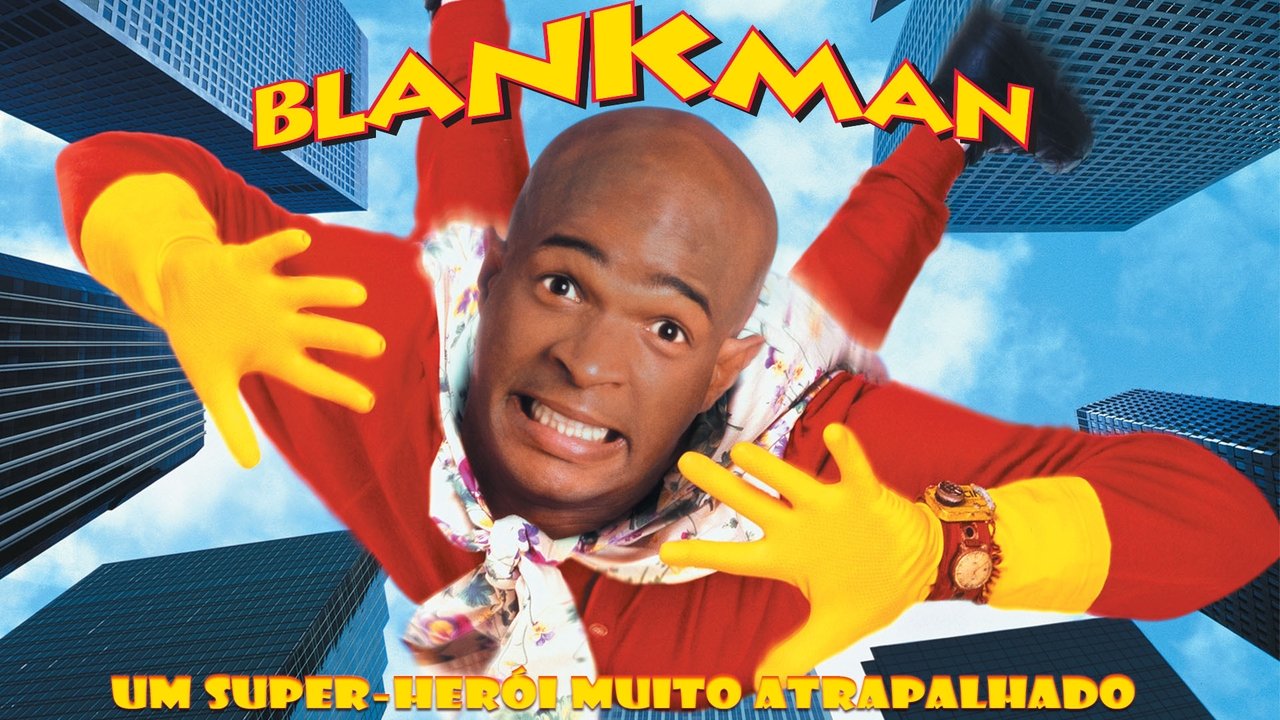
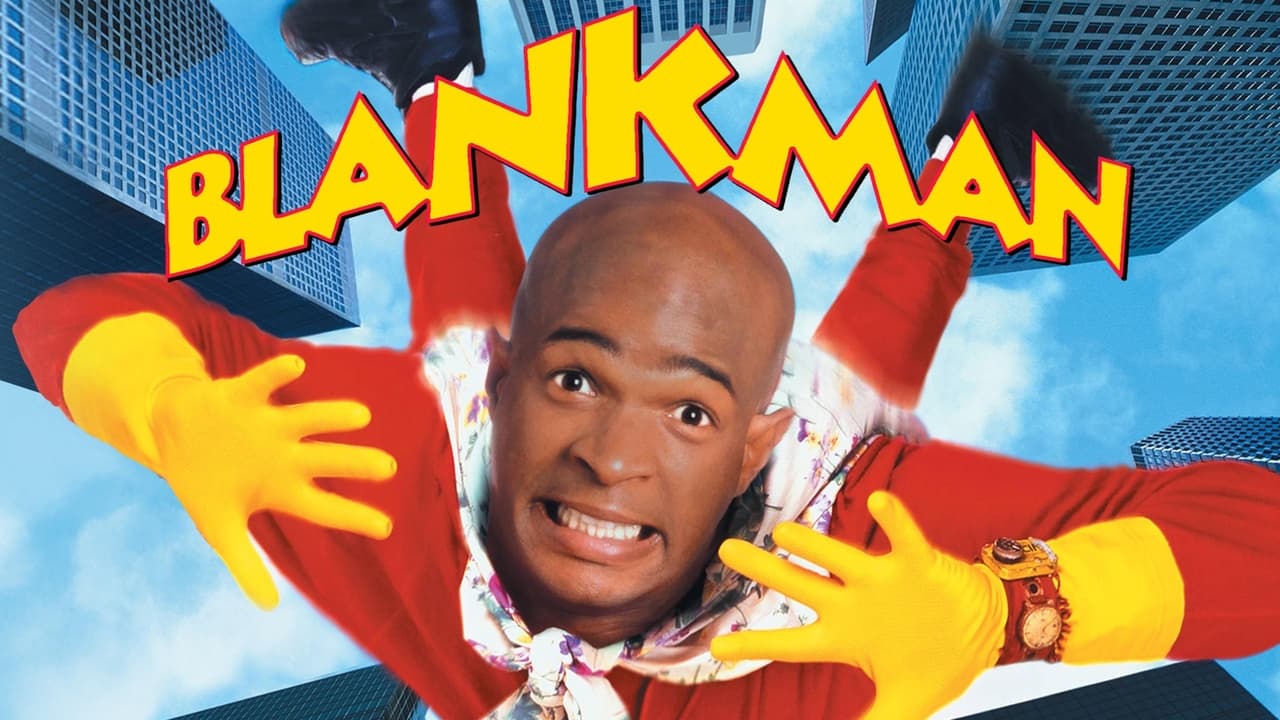
Long before the Marvel machine perfected the superhero origin story, Blankman offered its own charmingly clumsy take. Damon Wayans (who also co-wrote the script with J.F. Lawton, the very same scribe who gave us Pretty Woman (1990) and the ridiculously fun Under Siege (1992) – talk about range!) stars as Darryl Walker. He’s a sweet-natured, borderline childlike inventor obsessed with crime-fighting, tinkering away in his apartment creating gadgets out of household junk. His inventions – like bulletproof long johns made from plaid fabric reinforced with… something – are gloriously low-tech. This wasn't Stark Industries; this was Radio Shack meets a fever dream.
The catalyst for his transformation into the titular Blankman is pure comic book trope: the tragic death of a loved one (his grandmother) at the hands of criminals. But the film, directed by Mike Binder (who would later give us more character-driven pieces like The Upside of Anger (2005)), never leans too heavily into the darkness. Instead, it uses Darryl’s grief as a springboard for his earnest, if often incompetent, quest for justice.
### The Real Dynamic Duo
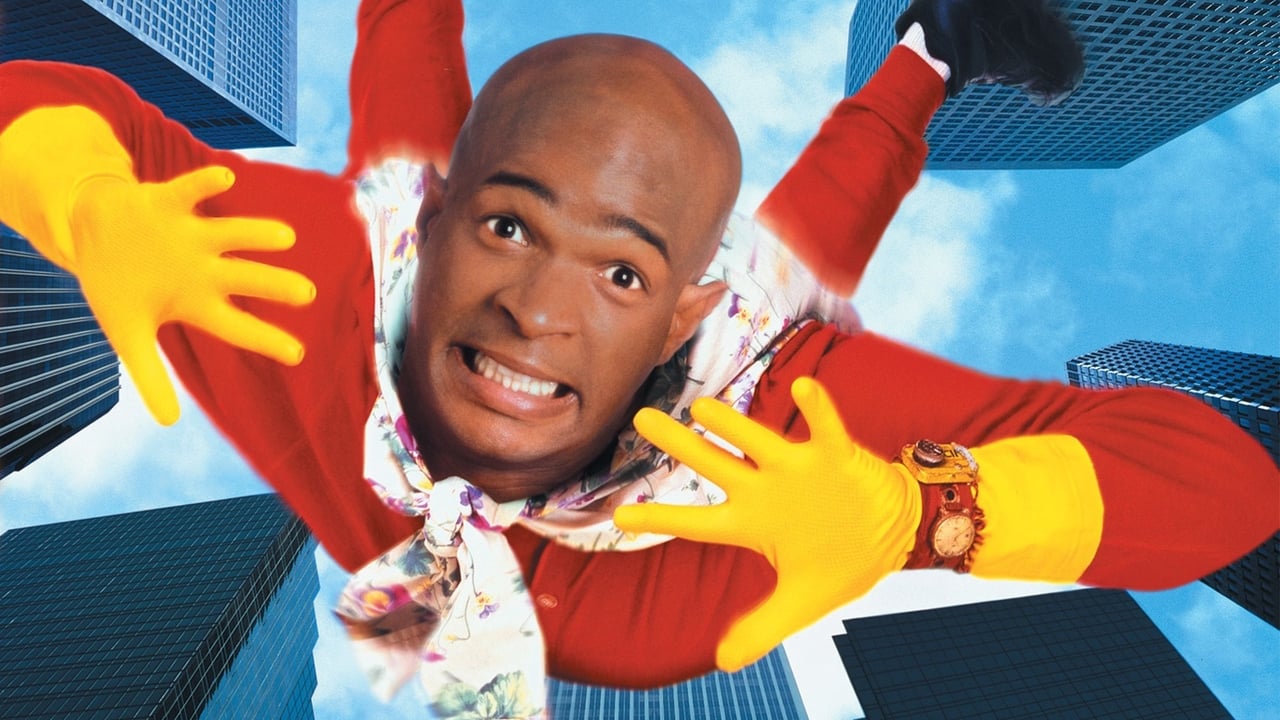
What truly elevates Blankman beyond just a string of gags is the incredible chemistry between Damon Wayans and David Alan Grier as his older brother, Kevin. Fresh off their iconic run on In Living Color, their comedic timing is impeccable. Kevin is the perpetually exasperated straight man to Darryl’s wide-eyed superheroics, a reluctant sidekick dragged into increasingly absurd situations. Their banter feels natural, lived-in, and genuinely funny. Grier’s reactions – the eye-rolls, the muttered complaints – are often just as hilarious as Wayans' physical comedy. Remember Kevin trying to operate Blankman's makeshift command center? Pure gold. It’s this central relationship that gives the film its heart, preventing it from just being a parody.
### Action, 90s Style: Clunky, Real, and Hilarious
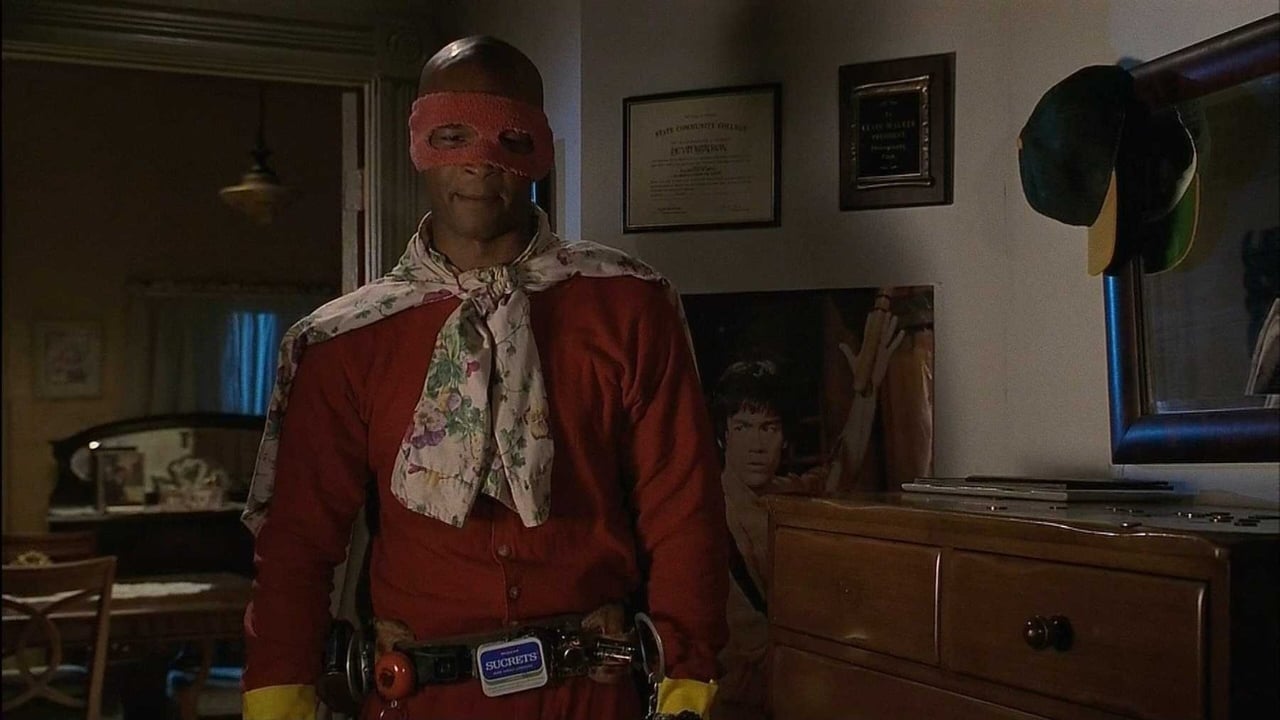
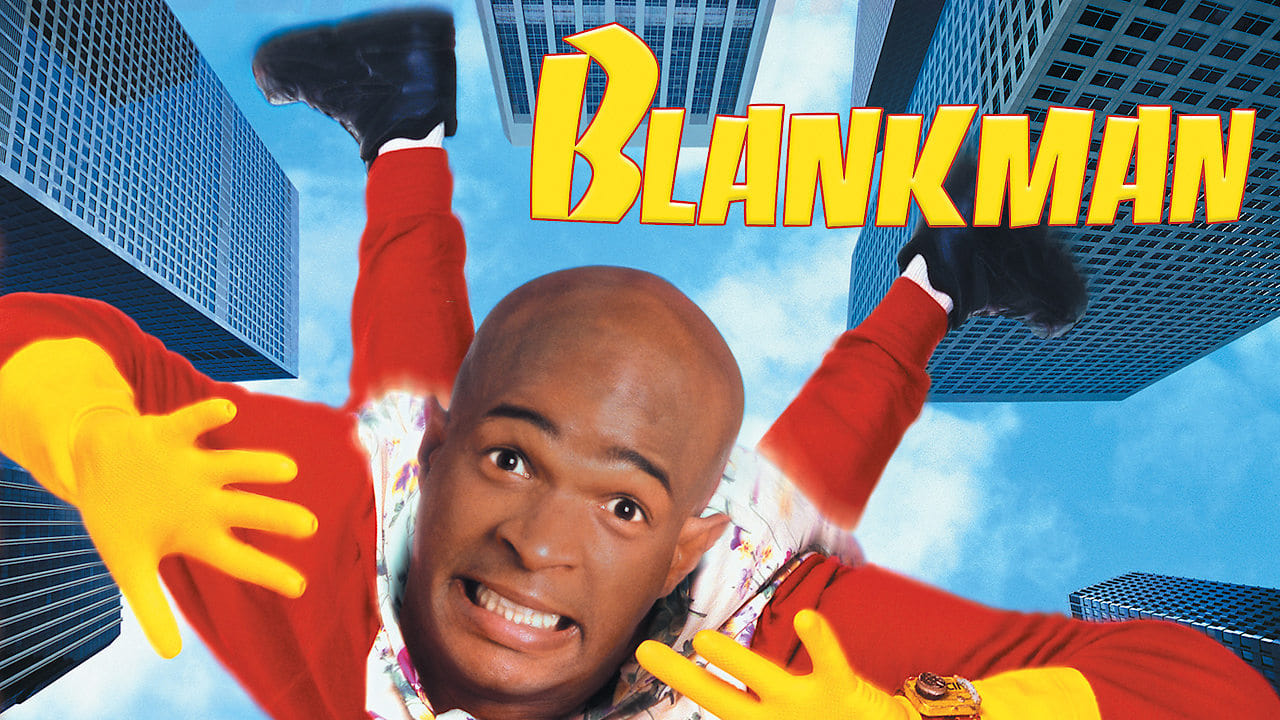
Let’s talk about the action. Forget polished choreography and seamless CGI. Blankman revels in its practical, often deliberately awkward, approach. When Blankman uses his rocket-powered rollerblades, you feel the lack of control. When his electric nun-chucks short circuit, it looks genuinely hazardous (and funny). This was the era of tangible effects! The "Blank-Cycle" looks like something cobbled together in a garage, because it probably was. One fun retro fact: the film reportedly had a budget around $11-15 million, which even in 1994 wasn't huge for a superhero concept, forcing a certain level of invention – both on-screen and behind the scenes.
The villains, led by the reliably slimy Jon Polito as mobster Michael Minelli, are standard-issue goons, providing ample targets for Blankman’s bizarre arsenal (weaponized stink bombs, anyone?). The stakes feel relatively low, centred on cleaning up their specific neighbourhood in Metro City (largely filmed on location in Chicago, giving it a gritty, real-world backdrop). It’s less about saving the world and more about Darryl trying, bless his heart, to make his world a little better, one malfunctioning gadget at a time. And who could forget Robin Givens as Kimberly Jonz, the ambitious reporter caught between genuine admiration for Blankman's heart and bewilderment at his methods? She plays the Lois Lane role with a knowing wink.
### A Cult Following on Magnetic Tape
Upon release, Blankman wasn’t exactly a box office smash (pulling in just under $8 million domestically) and critics were somewhat baffled, often pointing out the uneven tone shifting between slapstick, sentimentality, and occasional bursts of surprisingly sharp violence. But like so many films of this era, it found its true home on video rental shelves and cable TV reruns. It became that movie you’d stumble upon late at night, the kind of oddball discovery that stuck with you. It's a film that feels incredibly of its time – pre-internet cynicism, pre-dark-and-gritty superhero reboots. It’s earnest in its silliness, and that’s a huge part of its charm.
Was it a perfect film? Absolutely not. The plot meanders, some jokes fall flat, and the superheroics are deliberately unpolished. But watching it now evokes a specific kind of nostalgia – not just for the film itself, but for a time when superhero movies could be this unabashedly goofy, personal, and homemade. Damon Wayans poured his comedic sensibilities into this passion project, and it shows.
VHS Heaven Rating: 6/10
Justification: While undeniably flawed and dated in parts, Blankman scores points for its fantastic central pairing (Wayans & Grier), its genuinely funny moments, and its unique, low-budget charm. It’s a snapshot of a pre-MCU world where superhero comedies felt less like calculated products and more like weird, wonderful experiments. The affection for the character and the era bumps it up slightly.
Final Word: Forget the polished capes and billion-dollar arsenals; Blankman reminds us that sometimes all a hero needs is bulletproof underwear, a loyal brother, and the guts to try – a perfectly imperfect slice of 90s superhero silliness best enjoyed with the tracking slightly off.